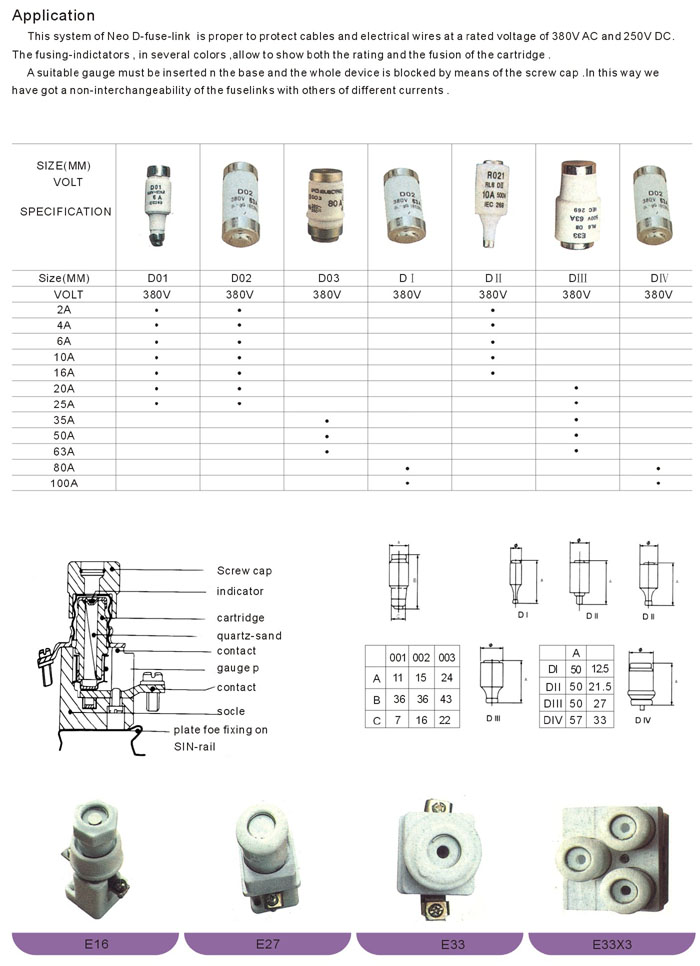
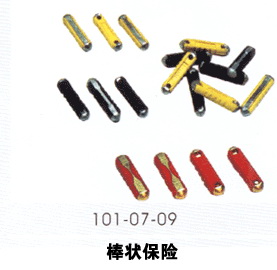
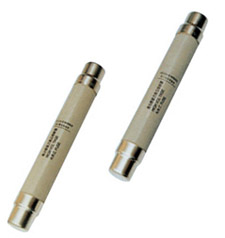
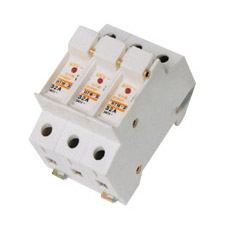
Fuses and Fuseholders
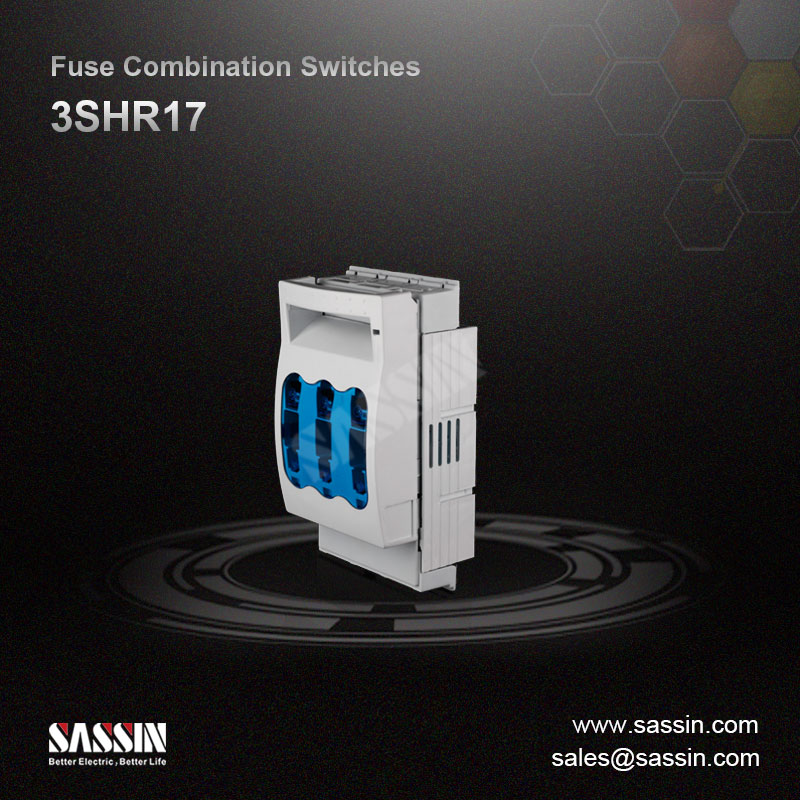
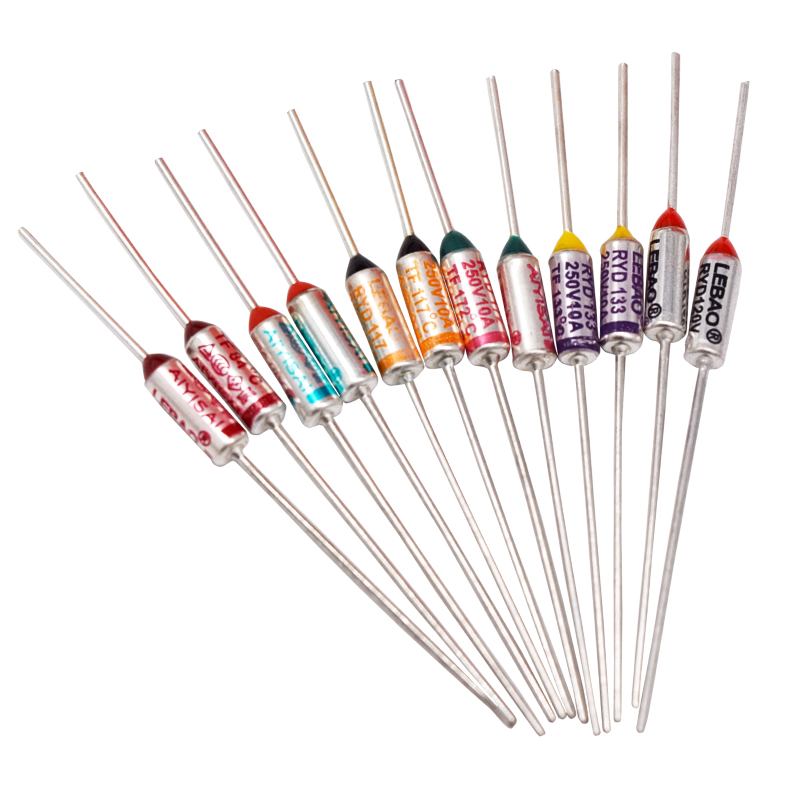
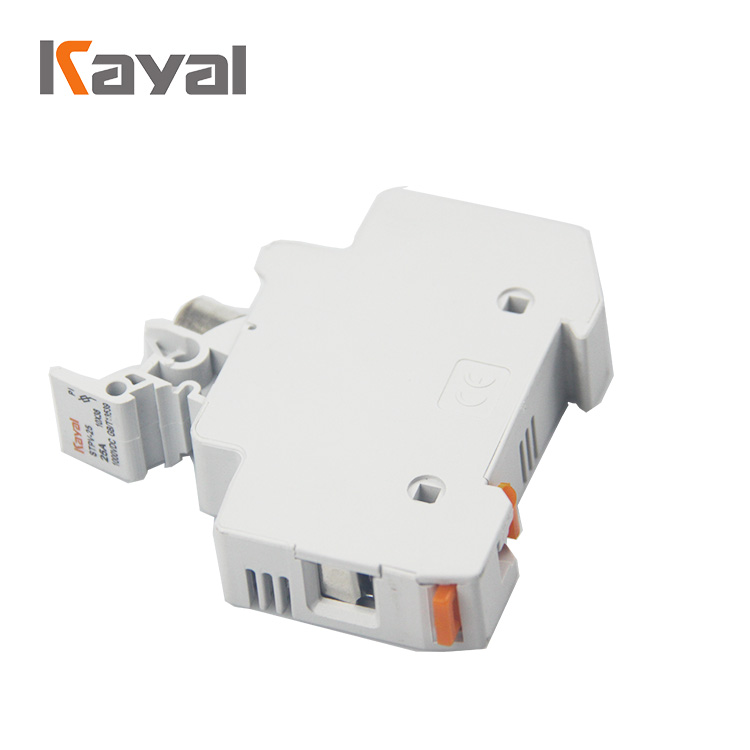
Source reliable fuses and fuseholders in bulk from vetted manufacturers and wholesale suppliers. Built for importers, distributors, and electronics brands, this catalog connects you with factory-direct partners for standard, custom, and OEM circuit protection components ready for global distribution.
Procuring circuit protection components at scale requires balancing aggressive unit costs with zero-compromise safety standards. Because fuses and their holders are the last line of defense against catastrophic failure in an electrical system, sourcing them directly from overseas manufacturers demands strict oversight of materials, thermal characteristics, and regulatory compliance.
Defining Specifications for Your RFQ
When approaching manufacturers, standard dimensional specifications (like 5x20mm or ATO/ATC blade sizes) are only the baseline. A rigorous RFQ must detail the electrical and thermal performance parameters to prevent suppliers from substituting cheaper, out-of-spec materials.
Critical Parameters to Specify
- Voltage and Current Ratings: Must match the intended market's grid or DC system standards.
- Breaking Capacity (Interrupting Rating): The maximum fault current the fuse can safely interrupt without rupturing.
- Melting Integral (I2t Value): The thermal energy required to melt the fuse element, dictating fast-acting vs. time-delay (slo-blo) behavior.
- Contact Resistance: For fuseholders, specify a maximum allowable resistance (typically under 50 milliohms) to prevent localized heating.
- Dielectric Strength: Ensure the fuseholder housing can withstand high voltage spikes without breaking down.
| Component | Critical Material | Quality Indicator |
|---|---|---|
| Fuse Element | Zinc, Copper, or Silver alloy | Consistent, precise melting time (I2t) |
| Fuseholder Contacts | Phosphor Bronze or Brass | Adequate tin/silver plating thickness |
| Holder Housing | PBT or Glass-filled Nylon | UL94 V-0 flammability rating |
Manufacturing Red Flags and Quality Control
The primary failure point in budget fuseholders is poor contact tension and inadequate plating. If a factory uses sub-standard brass or applies a microscopically thin tin plating, the contacts will oxidize over time. This increases resistance, generating heat that can melt the plastic housing long before the fuse element itself actually blows.
To prevent this, robust Quality Control & Inspection is non-negotiable. In-line testing should include temperature rise tests under full load, withdrawal force testing for the fuse clips, and salt spray testing for the plating.
Beware of Recycled Plastics
Some lower-tier suppliers reduce costs by mixing virgin PBT or nylon with regrind (recycled plastic). This severely degrades the thermal stability and dielectric strength of the fuseholder. Always mandate 100% virgin material with a certified UL94 V-0 flammability rating.
Need help vetting manufacturers for safety-critical components? We audit factories and enforce strict quality standards on the production line.
Talk to our teamCertifications and Market Compliance
Fuses and fuseholders are heavily regulated. Entering North American or European markets without valid, verifiable certifications is a massive liability. Do not accept a supplier's word or a generic CE mark at face value.
Depending on your market, components must carry recognized marks such as UL (Underwriters Laboratories), VDE (Verband der Elektrotechnik), or CCC (China Compulsory Certificate). Furthermore, all materials must comply with RoHS and REACH directives. If you are developing a custom form factor, integrating Compliance & Testing early in the prototyping phase is essential to avoid costly redesigns.
Typical MOQs, Pricing, and Lead Times
Because fuses and fuseholders are high-volume, automated-production items, Minimum Order Quantities (MOQs) are generally high. Pricing is highly sensitive to the cost of raw materials (copper, silver, engineered plastics) and the level of certification the component carries.
When negotiating bulk contracts, it is critical to verify the factory's actual production capacity and automated assembly capabilities. Conducting thorough Factory Audits ensures you are dealing with a true manufacturer rather than a trading company adding hidden margins.
Streamline your circuit protection sourcing. We handle supplier negotiation, compliance verification, and freight consolidation.
Get a free consultationFrequently Asked Questions
Sourcing circuit protection components is an exercise in risk management. A fraction of a cent saved on contact plating or housing plastic can result in disastrous product failures in the field. By establishing rigid specifications, demanding verifiable certifications, and enforcing strict quality control at the factory level, you protect both your products and your brand's reputation. If you need experienced boots on the ground to manage this process, our team is ready to assist.
Get Sourcing Help for Fuses and Fuseholders
Tell us your requirements and our experts will connect you with verified manufacturers.