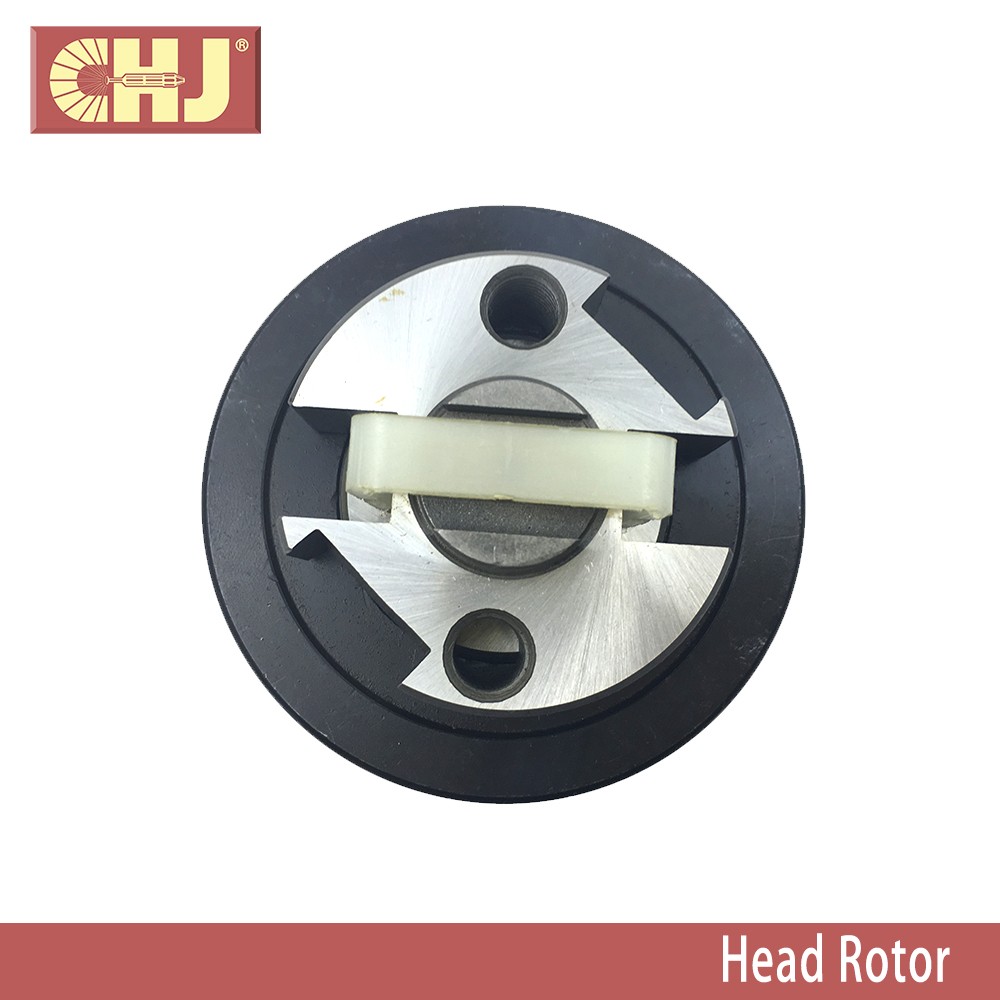
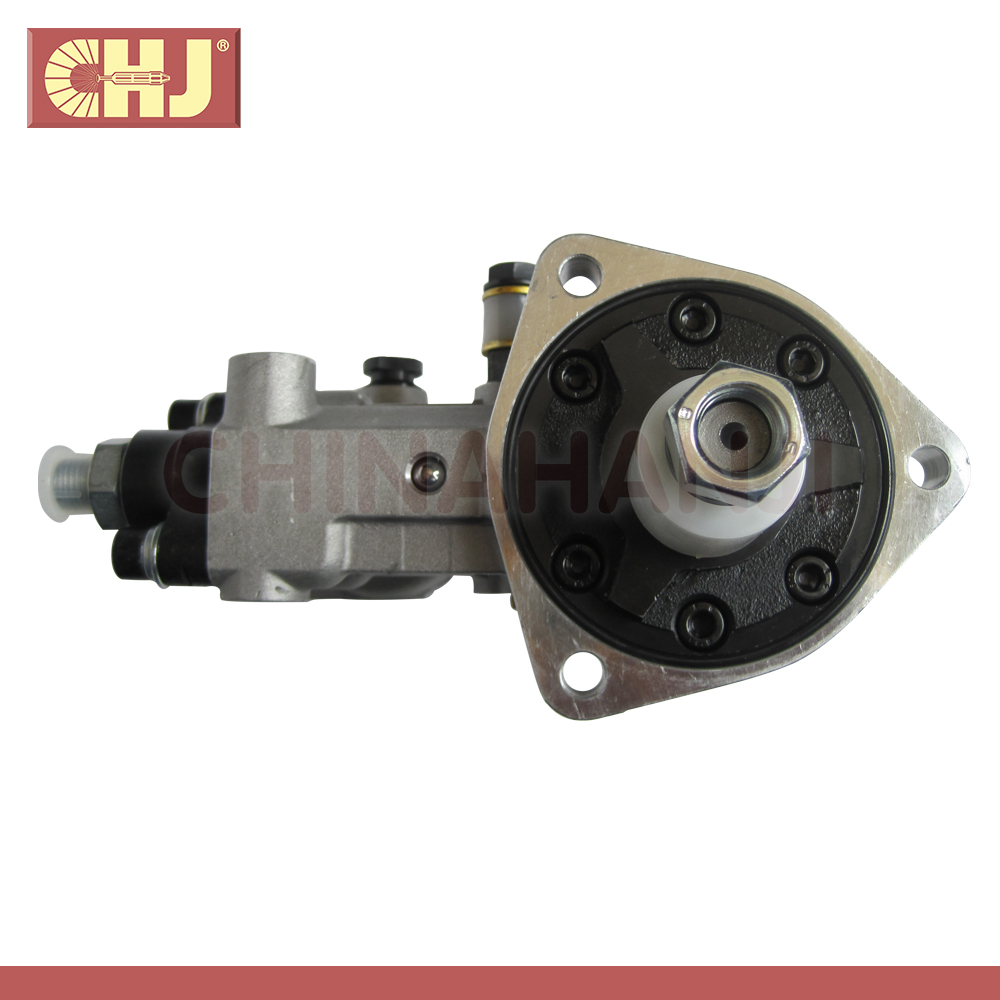
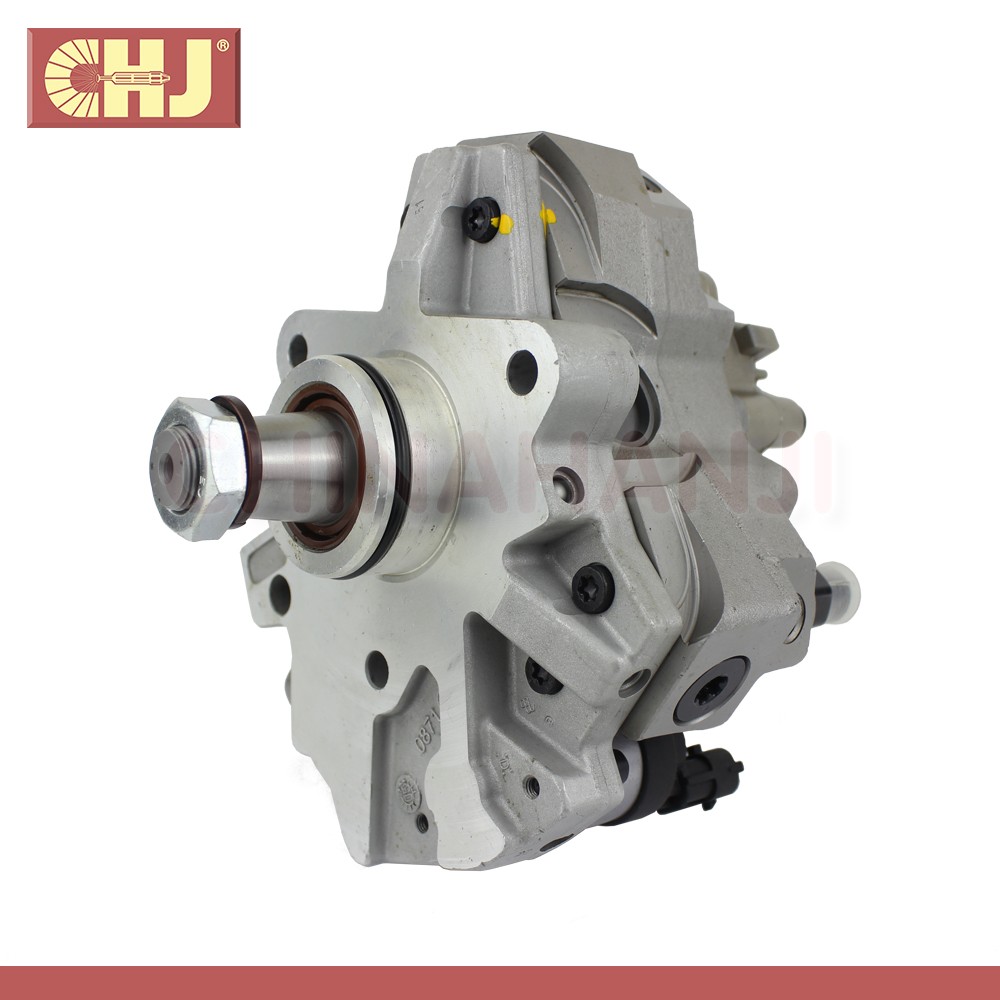
Fuel Injection Pumps
Source high-performance Fuel Injection Pumps from vetted suppliers and manufacturers across Asia. Designed for automotive aftermarket importers, wholesale distributors, and OEM brands buying in volume, our network delivers precision-engineered pumps built for reliable fuel delivery, stringent emissions compliance, and long-term durability.
Sourcing fuel injection pumps at scale requires navigating strict manufacturing tolerances and complex assembly processes. Because these components dictate engine efficiency, emissions compliance, and overall vehicle reliability, securing a capable manufacturing partner is the most critical step in your procurement cycle. Whether you are supplying the standard aftermarket or developing high-flow performance variants, the margin for error on the factory floor is effectively zero.
Critical Specifications for Bulk Procurement
When negotiating with manufacturers, vague specifications lead to inconsistent production batches. You must define the exact operational parameters and material requirements for your target market.
Key technical requirements to define upfront include:
- Operating Pressure: Typically ranging from 3 bar (43 PSI) for standard port injection up to 200+ bar for direct injection systems.
- Flow Rate: Measured in liters per hour (L/H). Standard commuter applications generally require 90 to 130 L/H, while performance models demand 250 to 340 L/H or higher.
- Current Draw: Amperage at specific pressures (e.g., 10A at 40 PSI). Excessive current draw indicates poor internal winding or excessive mechanical friction.
- Material Composition: Housings should be die-cast aluminum or corrosion-resistant composites. Internal components like armatures and impellers require hardened steel alloys to prevent premature wear from modern ethanol-blended fuels.
| Specification | Standard Replacement | Performance Aftermarket |
|---|---|---|
| Flow Rate (L/H) | 90 - 130 | 250 - 340+ |
| Operating Pressure | 3 - 4 Bar | 4 - 6+ Bar (Adjustable) |
| Internal Seals | Viton / PTFE | |
| Typical Application | Daily Commuter | Tuned / Forced Induction |
Need to match a specific OEM part number or develop a custom high-flow pump? Our engineers can help you source the right factory.
Discuss Your SpecsManufacturing Tolerances and Factory Capabilities
Fuel injection pumps rely on micron-level clearances between the impeller and the housing. If a factory's CNC machining centers cannot maintain these tolerances, the resulting pumps will suffer from pressure drops, excessive noise, or outright failure under load.
When evaluating a supplier, verify their adherence to automotive industry standards like IATF 16949. You should also confirm their testing protocols. Reliable manufacturers conduct 100 percent end-of-line testing for flow, pressure, and current draw. Relying on Factory Audits before placing a deposit is highly recommended to verify the supplier actually owns the testing rigs they claim to have.
Critical Quality Control Checks for Injection Pumps
- End-of-line flow and pressure validation (100 percent of units)
- Dry-run survival testing (simulating an empty fuel tank)
- Current draw and electrical resistance verification
- Seal integrity and leak-down testing
- Vibration and acoustic noise level measurement
If you are developing a proprietary pump design or launching a private-label line, partnering with a facility that offers robust OEM/ODM Services ensures your intellectual property is protected while benefiting from established automotive supply chains.
Typical MOQs, Pricing, and Lead Times
The automotive parts sector operates on economies of scale. Tooling costs for custom housings or specialized impellers can be significant, making volume commitments necessary to achieve competitive unit pricing.
Pricing is heavily influenced by raw material costs (specifically copper and aluminum), the complexity of the internal electronics, and the stringency of the testing requirements. High-performance pumps requiring specialized coatings for ethanol resistance will command a premium over standard gasoline pumps.
Struggling with inconsistent pricing or quality from your current automotive parts suppliers? Let's review your supply chain.
Get a Free ConsultationBuyer FAQ
Securing a reliable supply of fuel injection pumps requires more than just finding the lowest price on a B2B directory; it demands rigorous technical vetting and continuous oversight. Implementing professional Quality Control & Inspection protocols ensures your shipments meet the exact flow and pressure specifications your buyers demand, protecting your brand's reputation in the competitive automotive aftermarket.
Get Sourcing Help for Fuel Injection Pumps
Tell us your requirements and our experts will connect you with verified manufacturers.