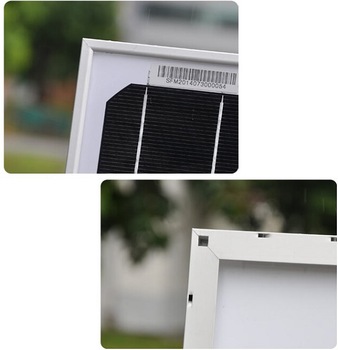
Flexible Solar Panels
Source high-efficiency flexible solar panels directly from vetted manufacturers and suppliers in Asia. Designed for importers, distributors, and brands seeking reliable OEM production, our bulk wholesale options deliver rigorous quality control and scalable manufacturing for demanding off-grid, marine, and commercial applications.
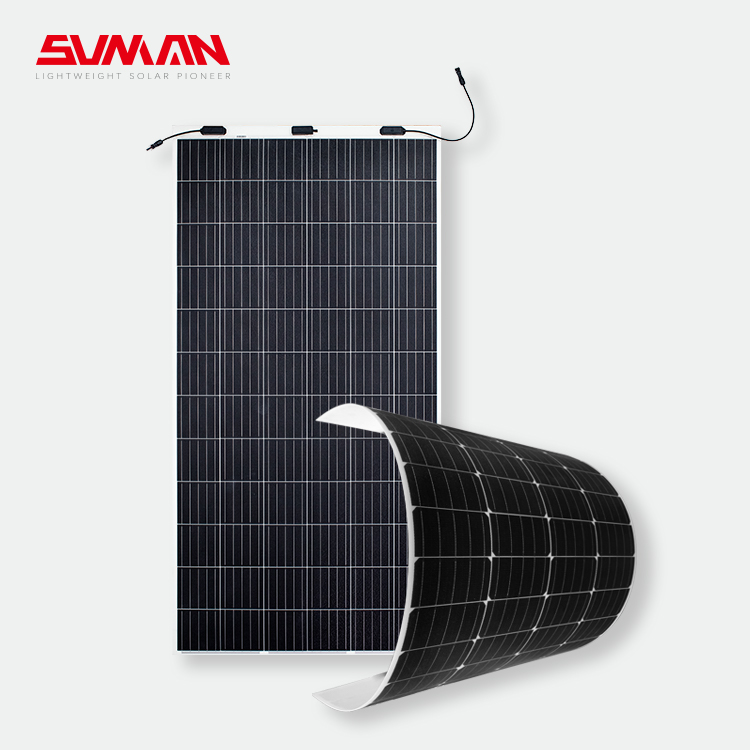
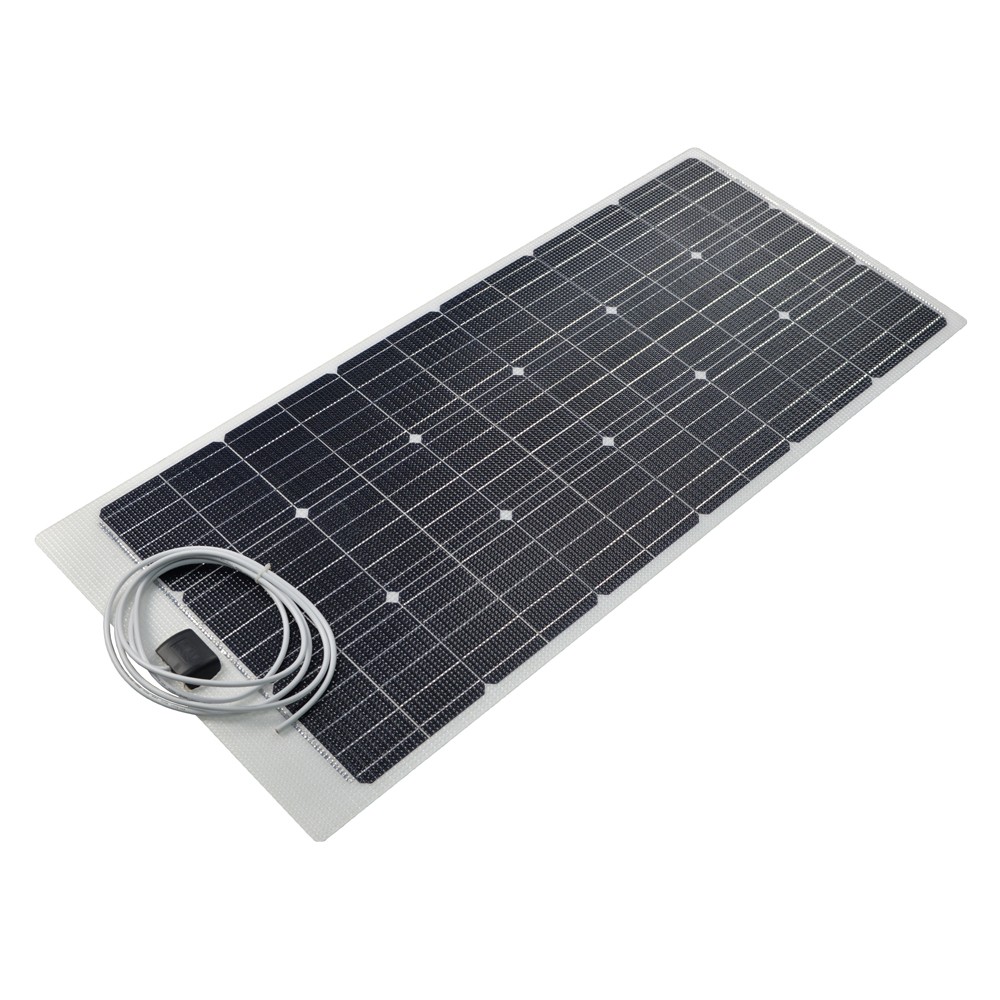
Flexible solar panels—often referred to as semi-flexible panels—require a delicate balance between mechanical bendability and long-term environmental durability. Unlike standard rigid glass modules, flexible panels rely on lightweight polymer encapsulants protecting highly efficient monocrystalline cells. For volume buyers, the primary sourcing challenge is identifying manufacturers with advanced lamination technology that prevents cell micro-cracking and polymer delamination over time.
Critical Specifications and Materials
When sourcing flexible solar panels in bulk, the bill of materials (BOM) dictates both performance and lifespan. Manufacturers typically offer variations in solar cell technology and top-layer polymers.
For the top coating, ETFE (Ethylene Tetrafluoroethylene) and PET (Polyethylene Terephthalate) are the industry standards. ETFE is highly recommended for marine, RV, and premium commercial applications due to its superior UV resistance and self-cleaning texture.
| Top Layer Material | Typical Lifespan | UV Resistance | Cost Profile |
|---|---|---|---|
| ETFE | 10 to 15 years | Excellent | Premium |
| PET | 3 to 5 years | Moderate to Low | Economy |
Cell selection is equally critical. Premium flexible panels often utilize IBC (Interdigitated Back Contact) cells, which lack front busbars and offer greater flexibility and efficiency (often exceeding 22%). Standard monocrystalline PERC cells are more cost-effective but have a stricter maximum bend radius, typically limited to 30 degrees.
Struggling to balance cell efficiency with target unit costs? Let us help you verify factory BOMs and secure reliable suppliers.
Talk to our teamManufacturing Risks and Quality Control
The durability of a flexible solar panel is won or lost during the lamination process. If the factory's lamination machines apply uneven pressure or incorrect temperatures, the EVA (Ethylene Vinyl Acetate) encapsulant will fail, leading to bubbling, moisture ingress, and eventual short circuits.
Micro-cracking is another invisible but fatal defect. Because the panels are flexible, mishandling on the factory floor can easily fracture the fragile silicon cells inside. These hairline cracks severely degrade power output. Partnering with suppliers who automate cell stringing and handling is essential, which is why conducting thorough Factory Audits prior to placing volume orders is standard practice for serious buyers.
To mitigate these risks, implement strict Quality Control & Inspection protocols before shipment.
Essential Pre-Shipment Inspections for Flexible Panels
- Electroluminescence (EL) Testing: To detect hidden micro-cracks in the silicon cells.
- Flash Testing: To verify the actual wattage and voltage match the specified output.
- Visual Lamination Inspection: Checking for bubbles, uneven edges, or trapped debris under the ETFE/PET layer.
- Junction Box Sealing: Ensuring potting compound is fully cured and meets IP67/IP68 waterproof standards.
Customization and OEM Production
Brands and distributors rarely buy off-the-shelf flexible panels. Market differentiation usually requires custom dimensions to fit specific vehicle roofs, tailored wattage outputs, precise grommet placements, or specific junction box locations (e.g., front-mounted versus rear-mounted).
Engaging a manufacturer for OEM/ODM Services allows you to dictate these exact specifications, as well as apply custom branding to the panel face and packaging. Ensure your supplier has the engineering capacity to adjust cell layouts without compromising the panel's electrical integrity.
Typical MOQs, Pricing, and Lead Times
Pricing for flexible solar panels is highly sensitive to the cost of raw polysilicon and the specific cell grade requested (Grade A vs. Grade B).
Need accurate lead times and pricing for your custom flexible panel specifications? We can connect you with capable manufacturers.
Get a free consultationFrequently Asked Questions
Successfully sourcing flexible solar panels requires looking past the marketed wattage and scrutinizing the polymer layers, cell grades, and lamination consistency. By establishing strict BOM requirements and enforcing rigorous EL testing at the factory level, importers can secure commercial-grade panels that perform reliably in harsh environments.
Get Sourcing Help for Flexible Solar Panels
Tell us your requirements and our experts will connect you with verified manufacturers.