Energy meter(76)
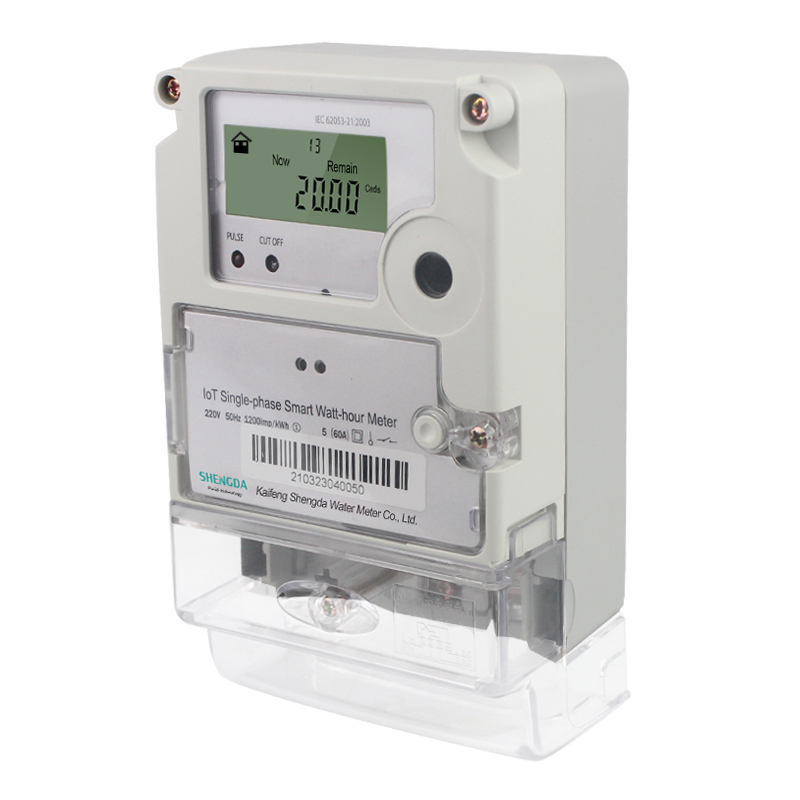
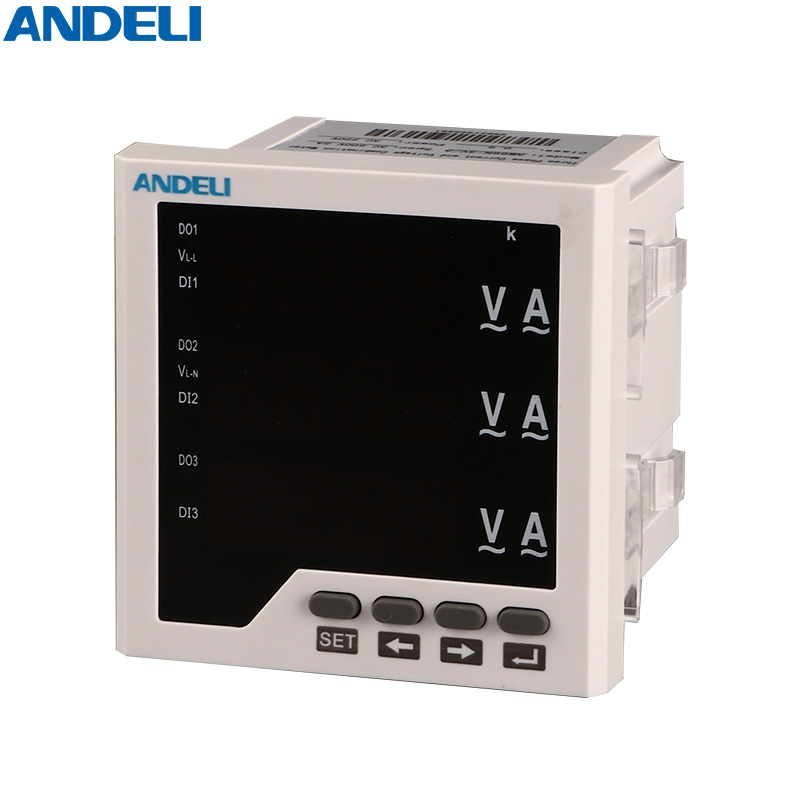
Source industrial and residential energy meters from vetted suppliers and manufacturers. Designed for electrical distributors, procurement managers, and brands seeking OEM production, our wholesale energy meters meet rigorous international standards for accuracy and reliability in high-volume deployments.
Sourcing energy meters at scale requires balancing measurement accuracy, communication protocol compatibility, and strict regulatory compliance. Whether you are procuring standard DIN-rail meters for building sub-metering or developing custom smart meters for advanced metering infrastructure (AMI), selecting a manufacturer with proven calibration capabilities and robust supply chain management is critical to avoiding field failures.
Key Specifications for Wholesale Energy Meters
When negotiating with manufacturers, clearly defining your technical requirements dictates both the component selection and the final unit cost. Industrial and commercial applications demand different internal architectures compared to basic residential units.
| Meter Type | Typical Accuracy | Max Current (Direct) | Primary Applications |
|---|---|---|---|
| Single-Phase Direct | Class 1.0 / 2.0 | Up to 100A | Residential, light commercial |
| Three-Phase Direct | Class 0.5s / 1.0 | Up to 100A | Industrial machinery, HVAC |
| CT-Operated (Indirect) | Class 0.2s / 0.5s | 5A / 1A (via CT) | Grid substations, heavy industry |
Beyond basic electrical parameters, the communication module is the most critical variable in smart energy meters. Ensure your supplier has experience integrating the specific chipset required for your target market's infrastructure, whether that is RS485 (Modbus/DLT645), LoRaWAN, NB-IoT, or Wi-Fi.
Need help verifying a manufacturer's technical capabilities for your specific smart grid requirements?
Talk to our teamManufacturing & Calibration Standards
The reliability of an energy meter is won or lost during the surface mount technology (SMT) process and subsequent calibration. High-tier manufacturers utilize automated SMT lines with 3D solder paste inspection (SPI) and automated optical inspection (AOI) to ensure the integrity of the metrology and communication chips.
Critical Factory Verification Points
- Automated Calibration Rigs: Ensure the factory uses high-precision automated test benches (e.g., MTE or ZERA equipment) for multi-position accuracy testing.
- Aging Room Capacity: Meters should undergo high-temperature burn-in testing (typically 48 to 72 hours at 55 to 65 degrees Celsius) under load.
- EMC/EMI Shielding: Verification of conformal coating and shielding design to protect metrology components from electromagnetic interference.
- Component Traceability: Strict batch control for critical components like the metering IC, current transformers (CTs), and relays.
Because metering equipment is heavily regulated, ensuring your factory can pass stringent compliance and testing requirements—such as the MID directive (EN 50470) for Europe or IEC 62052/62053 series globally—is non-negotiable. Conducting thorough factory audits prior to finalizing your supplier choice helps verify that their calibration equipment is properly maintained and internationally certified.
Pricing Drivers and MOQ Expectations
Energy meter pricing fluctuates based on chipset origin, accuracy class, and communication modules. Basic mechanical or non-communicating LCD single-phase meters represent the lowest cost tier, while Class 0.2s three-phase smart meters with integrated cellular modules command premium pricing.
- Minimum Order Quantities (MOQs): Standard off-the-shelf DIN-rail meters typically require MOQs of 500 to 1,000 units. For OEM/ODM services requiring custom firmware, proprietary protocols, or custom casing, expect MOQs to start at 2,000 to 5,000 units to absorb development and tooling costs.
- Lead Times: Standard production runs generally take 30 to 45 days. However, if you are sourcing during global chip shortages or requiring specialized metrology ICs (e.g., from STMicroelectronics or Renesas rather than local alternatives), lead times can extend to 60 days or more.
- Cost vs. Quality: Opting for lower-cost internal relays or downgraded current shunts can lead to premature failure under surge conditions. Always specify component brands in your bill of materials (BOM).
Optimize your energy meter BOM and secure reliable production capacity with our sourcing experts.
Get a free consultationFrequently Asked Questions
Successfully sourcing energy meters in bulk requires moving beyond simple unit price comparisons and focusing on the manufacturer's metrology expertise and quality control infrastructure. Implementing rigorous quality control protocols, including pre-shipment accuracy verification, ensures that your meters perform reliably in the field and comply with all local grid regulations.
Get Sourcing Help for Energy meter(76)
Tell us your requirements and our experts will connect you with verified manufacturers.