Electronics & Instrument Enclosures
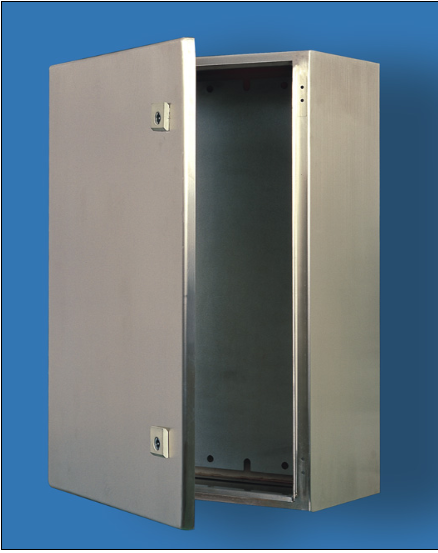
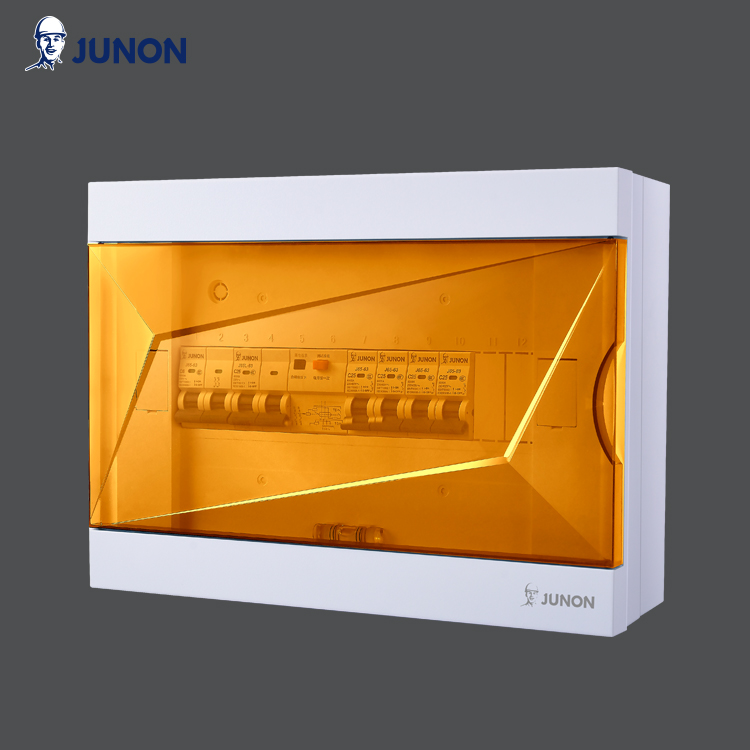
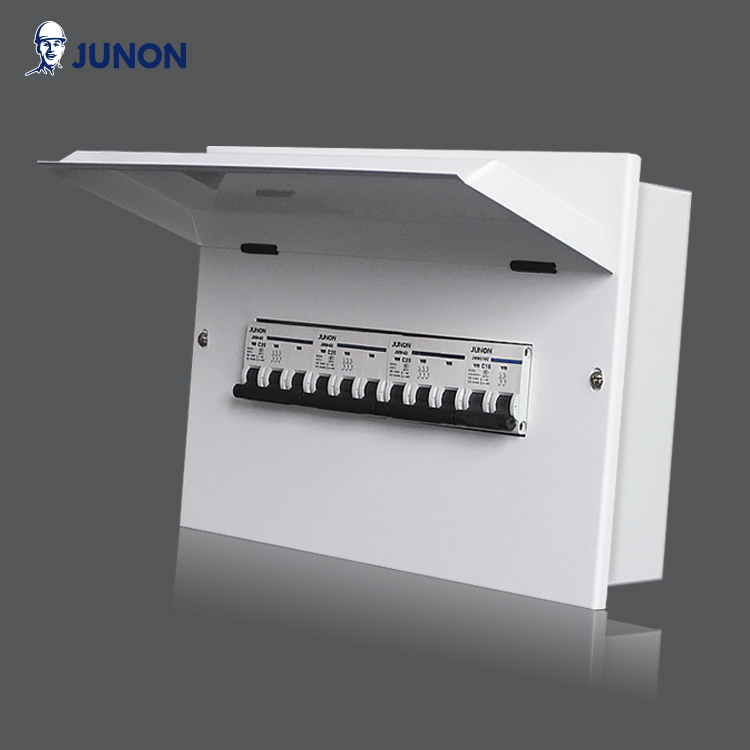
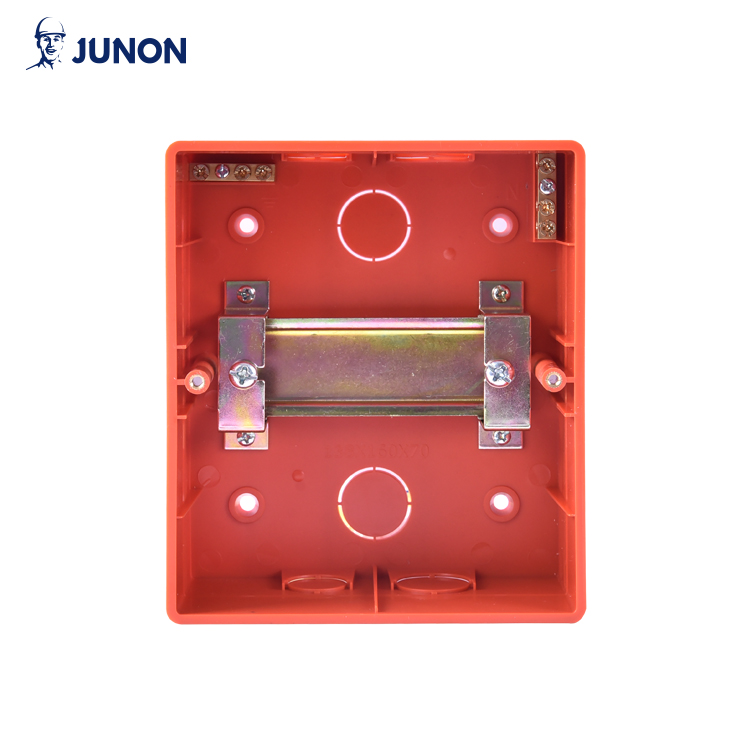
Source wholesale Electronics & Instrument Enclosures from vetted suppliers and manufacturers across Asia. Designed for importers, distributors, and brands seeking OEM/ODM production, our network delivers industrial-grade housings with rigorous IP/NEMA ratings, custom tooling, and reliable bulk manufacturing.
Electronics and instrument enclosures serve as the critical barrier between sensitive printed circuit boards (PCBs) and harsh operating environments. Sourcing these components in volume requires strict oversight of material selection, tooling precision, and environmental sealing. A minor deviation in mold shrinkage or gasket application can compromise the IP rating of an entire production run, leading to catastrophic field failures.
Material Selection and Environmental Specifications
The foundation of any reliable enclosure is the material. Buyers must match the material's mechanical and thermal properties to the end-use environment, paying close attention to UV resistance, impact strength, and flammability ratings (such as UL94 V-0).
| Material | Primary Use Case | Key Advantage | Typical Flammability |
|---|---|---|---|
| ABS Plastic | Indoor consumer electronics | Highly cost-effective, easy to machine | UL94 HB to V-0 |
| Polycarbonate (PC) | Outdoor/Industrial instruments | High impact resistance, UV stable | UL94 V-0 to 5VA |
| Die-Cast Aluminum | Heavy industrial, EMI sensitive | Excellent heat dissipation and shielding | Non-flammable |
| Fiberglass/GRP | Corrosive environments | Chemical resistance, extreme durability | UL94 5VA |
When specifying requirements to a factory, standardizing around recognized ingress protection (IP) or NEMA ratings is essential. Ensure the manufacturer has actual third-party test reports for their standard molds, rather than relying on internal claims.
Tooling, Machining, and Factory Capabilities
While many suppliers offer off-the-shelf enclosures, most professional applications require secondary machining for cable glands, displays, and interface buttons. The transition from standard boxes to fully machined, ready-to-assemble units is where supplier capabilities diverge.
Standard Tooling Verification
Evaluate the factory's existing molds for signs of wear, flash, or excessive draft angles that could impact PCB mounting.
Secondary CNC Machining
Assess the supplier's in-house CNC capabilities for custom cutouts. Outsourcing this step often leads to tolerance stacking issues.
Insert Molding
For plastic enclosures, verify how threaded brass inserts are applied (heat-staking vs. ultrasonic welding) to ensure sufficient pull-out strength.
Need to verify a supplier's injection molding and CNC machining capabilities before committing to a bulk order?
Talk to our teamIf your project requires a completely bespoke housing, engaging a partner for Product Development ensures your CAD designs are optimized for manufacturability (DFM) before cutting expensive steel molds.
Quality Control and Defect Prevention
Enclosure failures rarely happen in the center of the panel; they happen at the seams, gaskets, and mounting points. Robust Quality Control & Inspection protocols must focus on these critical failure points during both in-line and pre-shipment checks.
Critical Enclosure Inspection Points
- Gasket Integrity: Verify continuous application of poured-in-place polyurethane (PUR) or silicone gaskets with no air gaps.
- Dimensional Tolerance: Check CNC cutout dimensions against CAD files using digital calipers or CMM equipment.
- Warpage: Inspect large plastic enclosures for bowing or warp that could prevent a uniform seal when the lid is torqued down.
- EMI/RFI Shielding: For plastic units requiring shielding, test the thickness and adhesion of internal conductive copper/nickel coatings.
- Thread Integrity: Ensure all blind holes and threaded inserts are free of stripping or plastic flash.
Conducting thorough Factory Audits prior to production is the most effective way to confirm a supplier has the specialized testing equipment—such as vacuum leak testers and calibrated torque drivers—necessary to guarantee IP67 or IP68 performance.
Customization and OEM/ODM Services
For brands looking to differentiate, standard enclosures can be heavily customized. Factories offering robust OEM/ODM Services can provide custom color matching (via masterbatch for plastics or powder coating for metals), silk-screening, pad printing, and custom membrane keypad integration. Specifying exact Pantone colors and providing vector artwork with precise placement coordinates is mandatory to avoid misprints.
Typical MOQs, Pricing, and Lead Times
Pricing in the enclosure market is highly volume-dependent, driven primarily by machine setup times and raw material costs.
Unit costs for small ABS enclosures might sit well under a dollar, while large, heavy-duty die-cast aluminum housings with complex machining and EMI coating can exceed ten dollars per unit. Always request quotes broken down by raw material, secondary machining, surface treatment, and packaging.
Planning a custom enclosure project and need accurate tooling and unit cost estimates?
Get a free consultationFrequently Asked Questions
Successfully sourcing electronics and instrument enclosures requires balancing material science, tooling precision, and rigorous quality assurance. By partnering with vetted manufacturers who understand the strict tolerances required for environmental sealing and component integration, buyers can secure reliable, field-ready housings at competitive bulk pricing.
Get Sourcing Help for Electronics & Instrument Enclosures
Tell us your requirements and our experts will connect you with verified manufacturers.