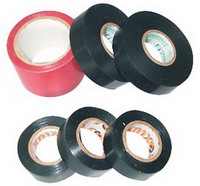
Electrical Tapes
Source wholesale Electrical Tapes from vetted manufacturers and reliable suppliers. Designed for importers, distributors, and brands seeking consistent OEM production, our network delivers high-performance insulation solutions tailored for demanding wiring and electrical applications.
Sourcing electrical tape in volume requires balancing dielectric performance, adhesive stability, and unit cost. While the product appears simple, the manufacturing process—specifically the coating and rewinding stages—is highly sensitive. Inconsistent tension or substandard adhesive formulation can lead to massive failure rates in the field, turning a low-cost consumable into a major liability.
To secure reliable supply, professional buyers must look past top-line pricing and evaluate the factory's raw material sourcing, coating precision, and compliance testing capabilities.
Core Specifications and Material Selection
The performance of an electrical tape is dictated by the synergy between its backing material and adhesive system. When specifying requirements to a manufacturer, clarity on these parameters is non-negotiable.
| Tape Type | Backing Material | Adhesive System | Primary Application |
|---|---|---|---|
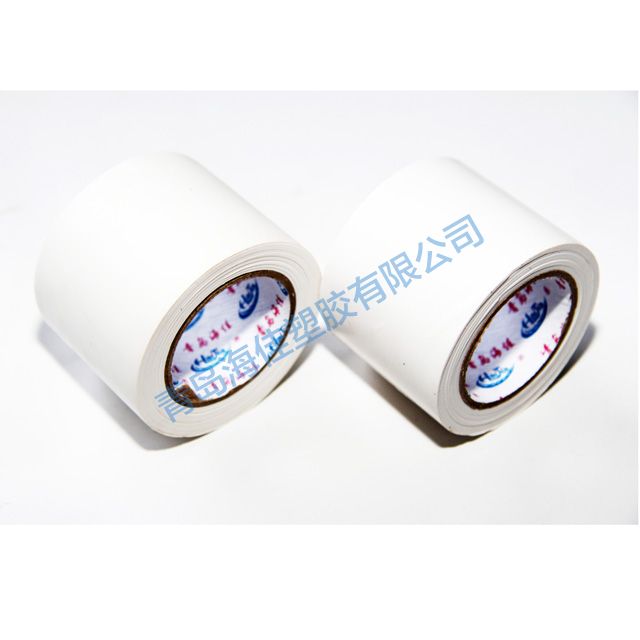
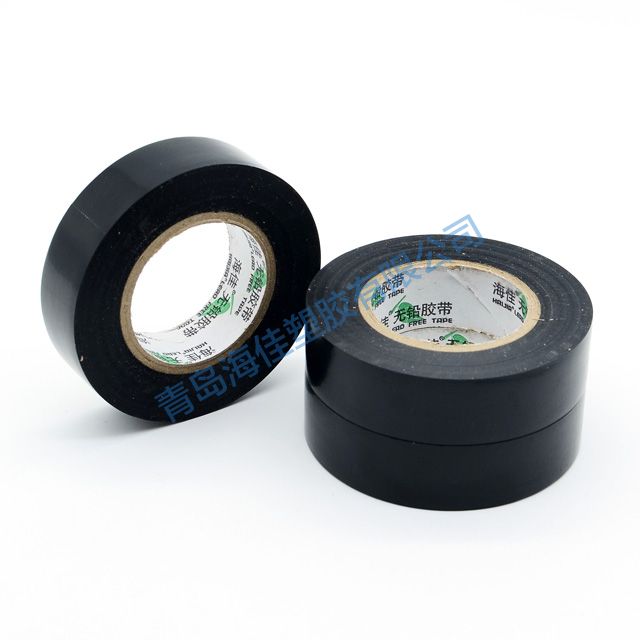
| General Purpose PVC | Monomeric PVC | Rubber-based | Basic wire phasing and bundling (under 600V) |
| Premium PVC | Polymeric PVC | Rubber or Acrylic | All-weather insulation, high elasticity needs |
| Rubber Splicing | EPR (Ethylene Propylene Rubber) | Self-fusing (Linerless) | High-voltage splicing and moisture sealing |
| Glass Cloth | Woven Glass Cloth | Thermosetting Silicone | High-temperature zones (up to 200°C) |
Film and Adhesive Variables
- Thickness: Standard PVC tapes typically range from 0.13mm to 0.18mm (5 to 7 mil). Thicker tapes offer better dielectric strength and abrasion resistance but sacrifice conformability.
- Adhesive Chemistry: Rubber-based adhesives provide excellent initial tack and conformability but degrade under prolonged UV exposure. Acrylic adhesives offer superior aging and weather resistance but may have lower initial adhesion.
- Dielectric Breakdown: Ensure the tape is rated for the intended application voltage. Standard commercial tapes are usually rated for 600V, with a breakdown voltage exceeding 8000V.
Struggling to find a manufacturer that consistently meets your technical specifications?
Talk to our teamManufacturing Tolerances and Quality Control
The most common defects in electrical tape production occur during the coating, slitting, and rewinding phases. Even with high-grade PVC and adhesive, poor machine calibration will ruin the final product.
Common Production Defects to Monitor
- Telescoping: If the tape is wound with incorrect tension, the layers will shift outward from the core over time, creating a cone shape. This renders the roll unusable in standard dispensers and indicates poor factory machinery.
- Adhesive Bleeding (Oozing): Excessive adhesive application or improper curing causes adhesive to leak from the sides of the roll. This makes rolls stick together in packaging and attracts dirt during application.
- Flagging: When applied, the end of the tape lifts away from the surface. This is often caused by a mismatch between the backing's memory (elasticity) and the adhesive's sheer strength.
Implementing rigorous Quality Control & Inspection protocols before shipment is critical to catch telescoping and bleeding, which sometimes only become apparent days after the tape has been cut and packed. Furthermore, verifying that the factory maintains proper climate control in their curing and storage areas is a key focus during initial Factory Audits.
Customization and OEM Packaging
For brands and distributors, the presentation of the product is as important as its performance. Most capable manufacturers offer extensive OEM/ODM Services for electrical tape.
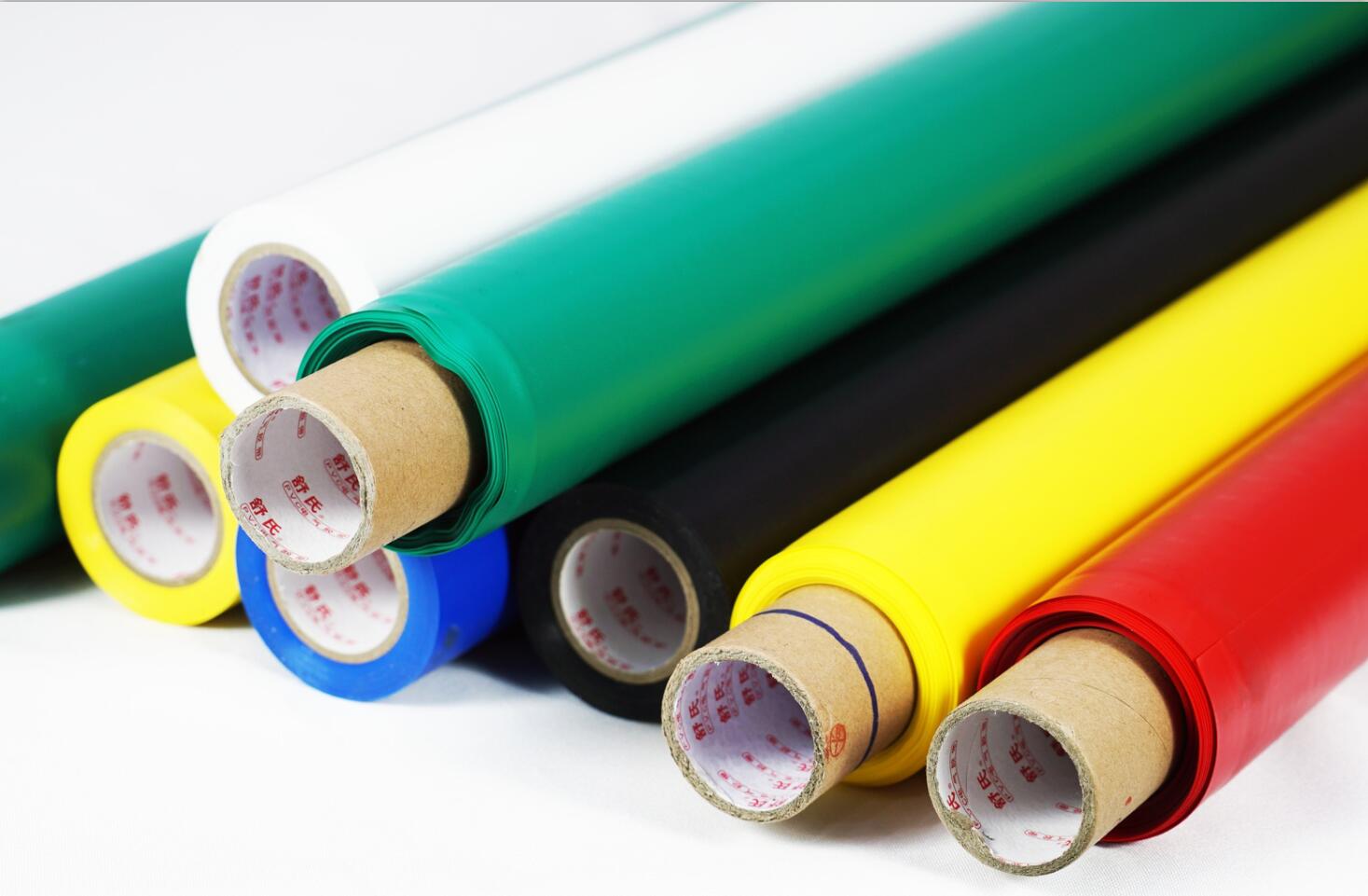
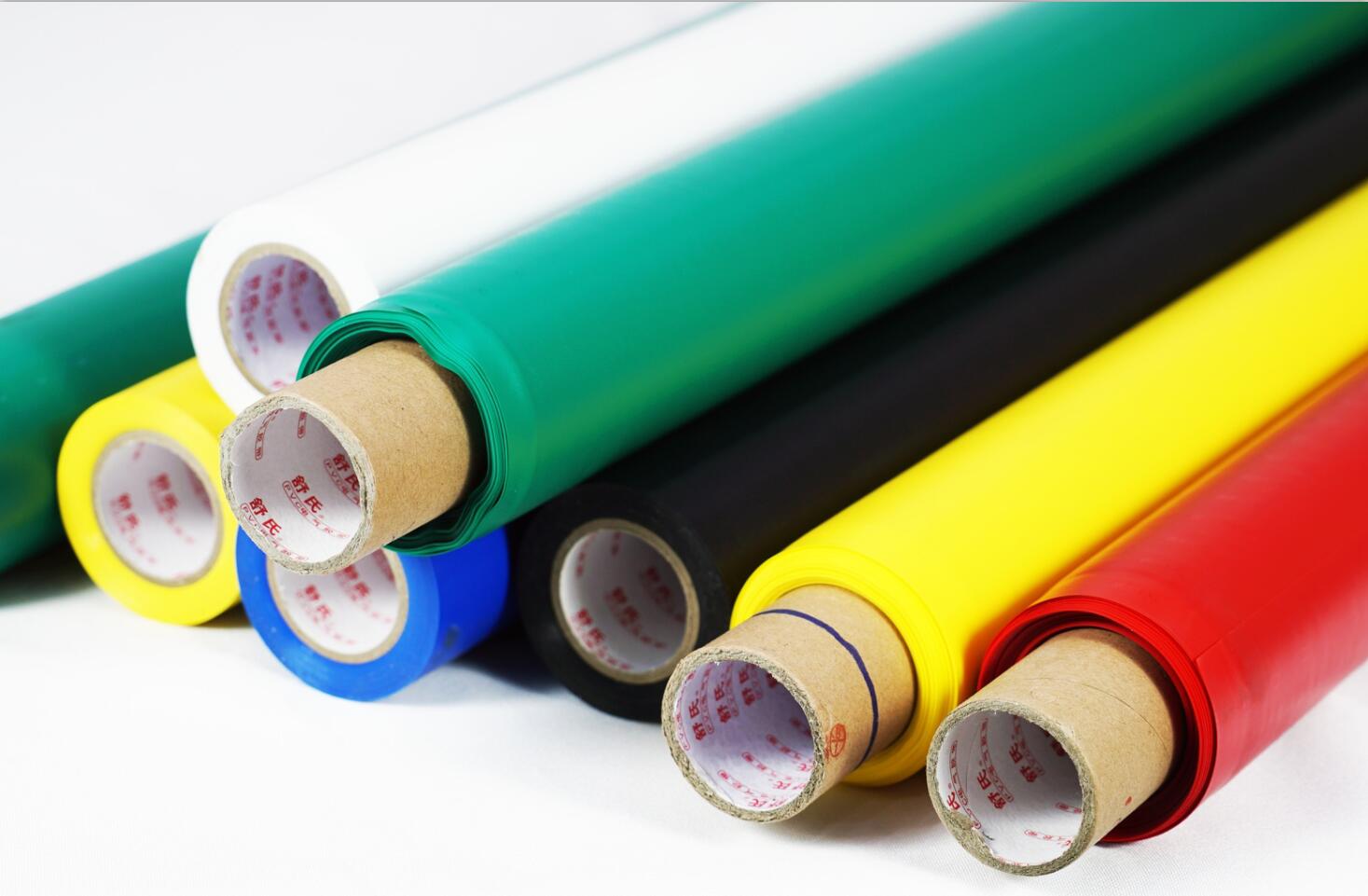
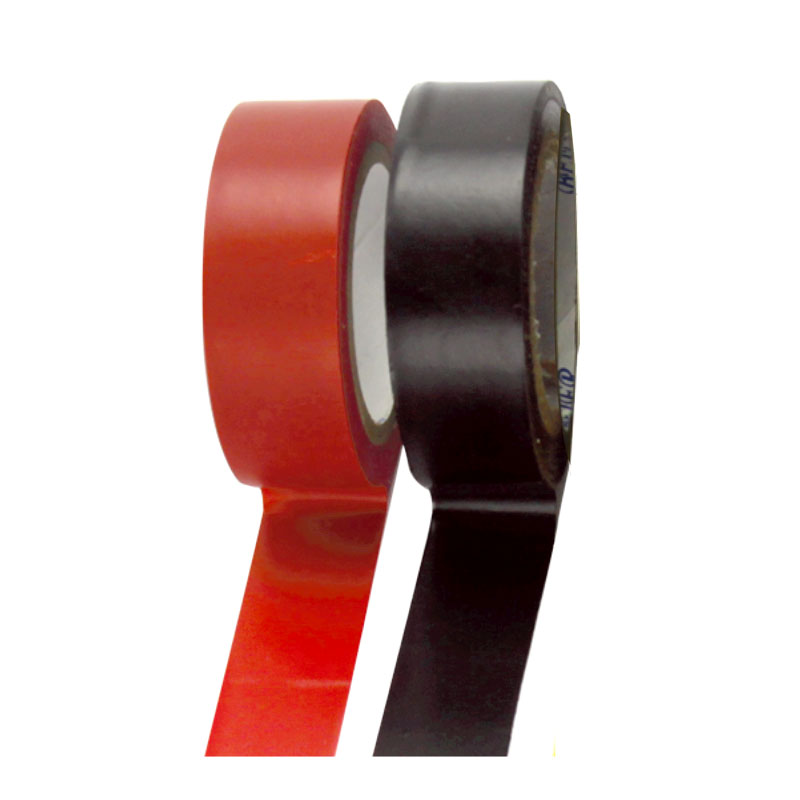
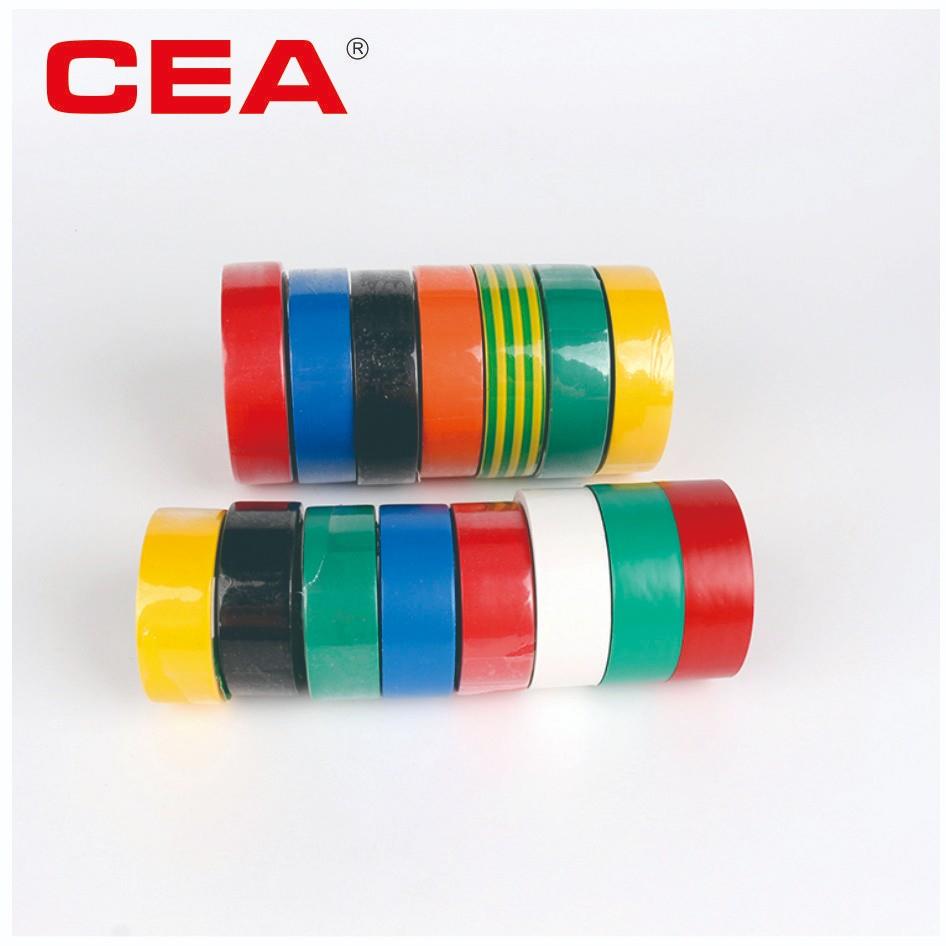
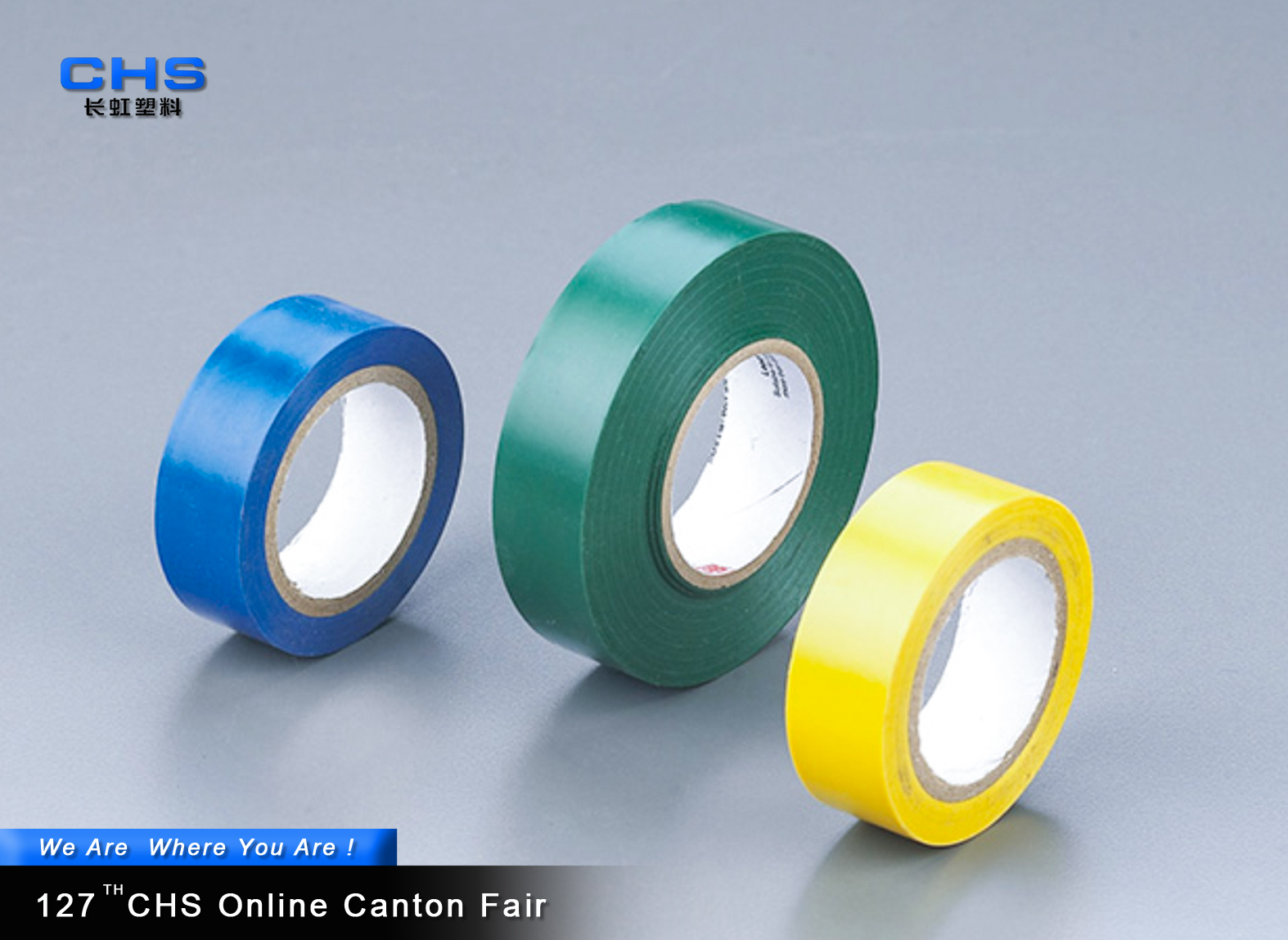
Customization typically includes printed paper or plastic cores, custom sleeve or blister packaging, and specific color-coding (beyond the standard black, red, blue, yellow, green, and white). Be aware that custom printed cores often carry their own Minimum Order Quantity (MOQ) independent of the tape itself, usually starting around 50,000 pieces.
Pricing, MOQs, and Lead Times
Electrical tape is a high-volume, low-margin commodity. Pricing is heavily influenced by the cost of petroleum-based raw materials (PVC resins and adhesive solvents) and the economy of scale in production.
When negotiating pricing, clarify the exact length and width tolerances. A common tactic for factories to lower the quoted price is to short-roll the tape (e.g., providing 18 yards instead of a contracted 20 yards) or slit it slightly narrower than specified.
Want to secure better pricing and reliable lead times for your wiring accessories?
Get a free consultationFrequently Asked Questions
Sourcing electrical tape at scale is an exercise in risk mitigation. Success requires looking beyond the unit price to ensure the manufacturer has the technical capability, raw material consistency, and quality control systems necessary to deliver a reliable product batch after batch. Thorough vetting and clear specification management are your best defenses against costly supply chain disruptions.
Get Sourcing Help for Electrical Tapes
Tell us your requirements and our experts will connect you with verified manufacturers.