Dough Mixers
Source commercial dough mixers from vetted suppliers and manufacturers across Asia. Designed for importers, wholesalers, distributors, and brands seeking reliable OEM production in bulk. Secure competitive pricing, rigorous quality control, and scalable manufacturing for high-capacity baking equipment.
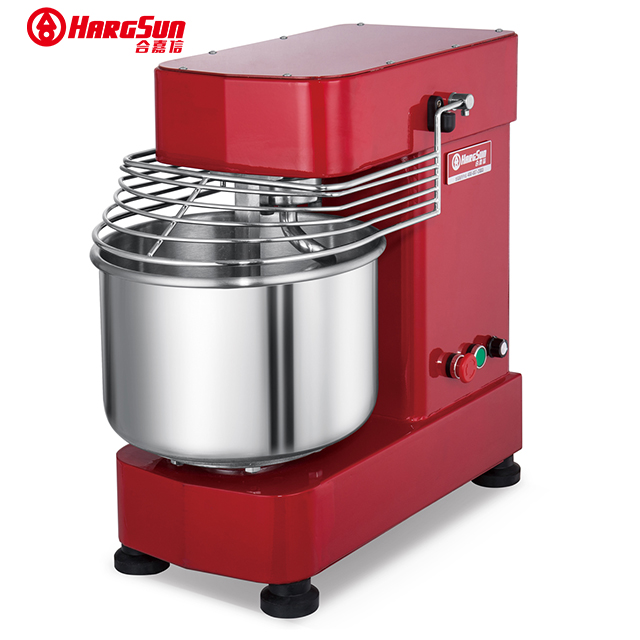
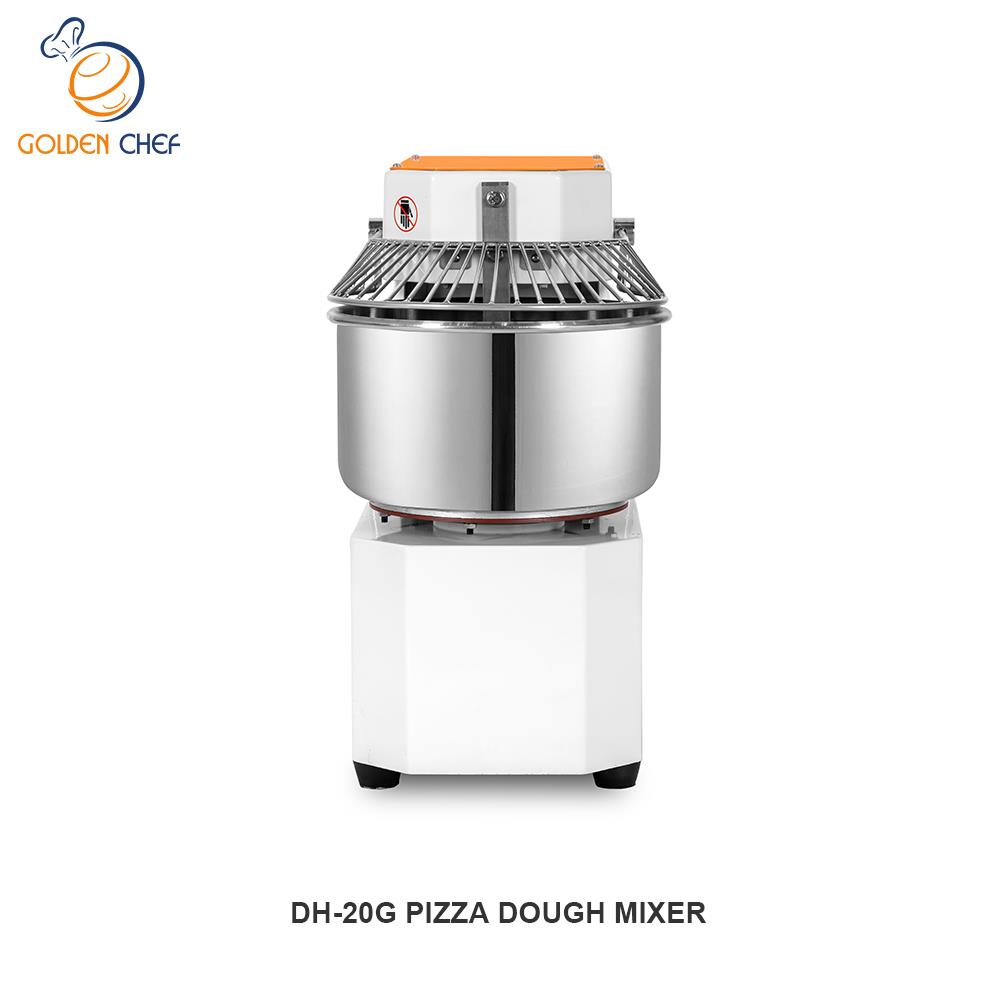
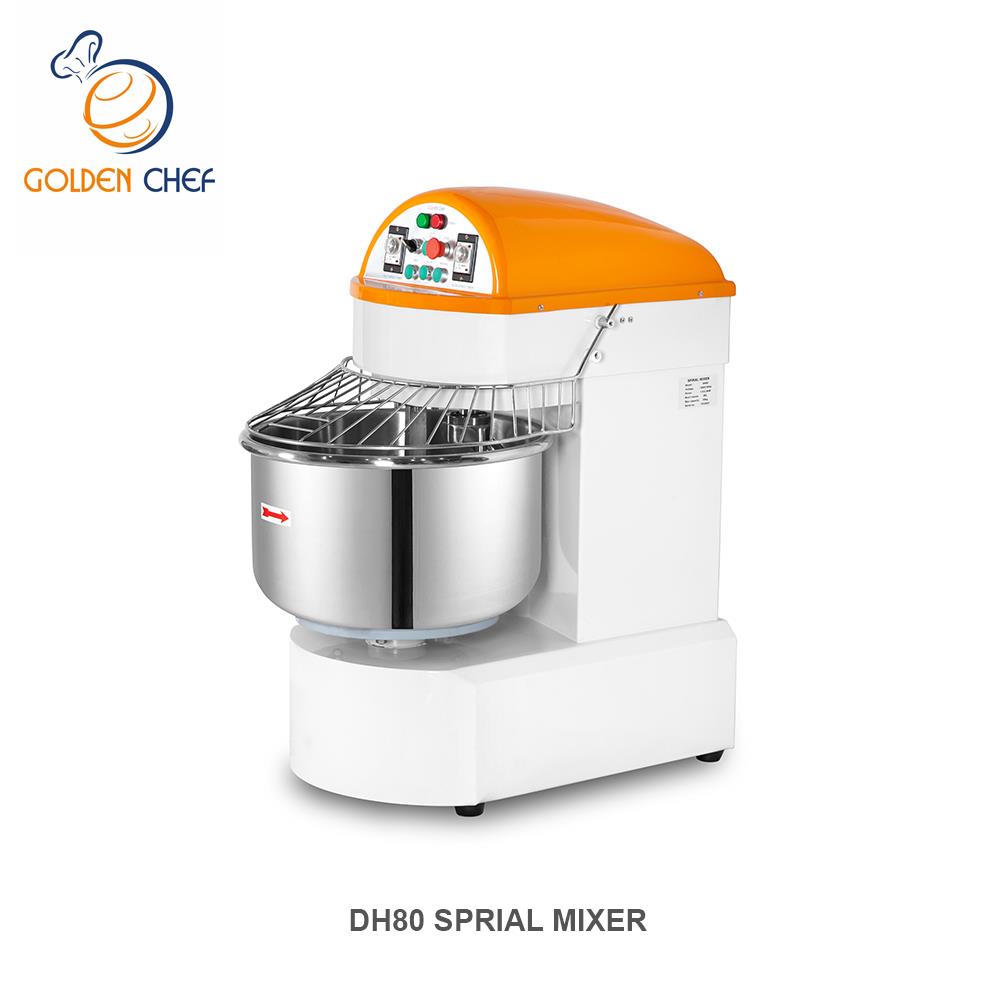
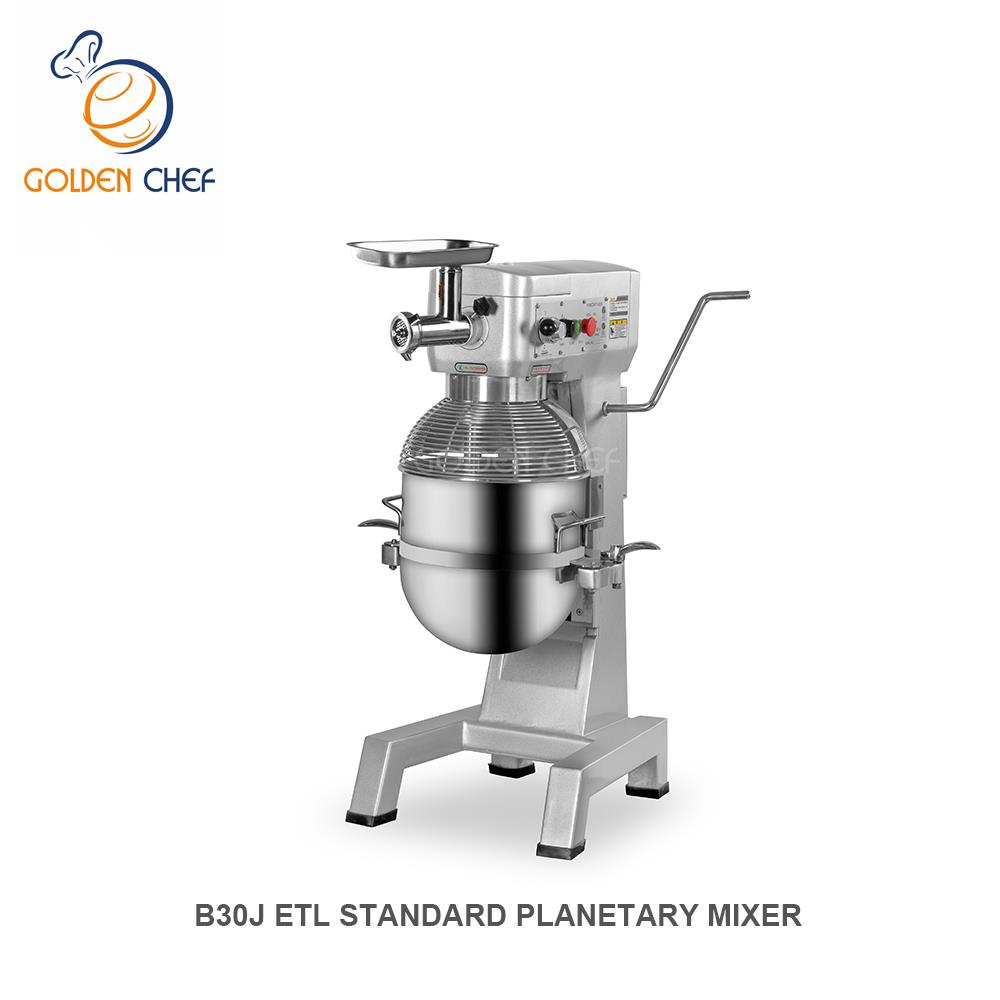
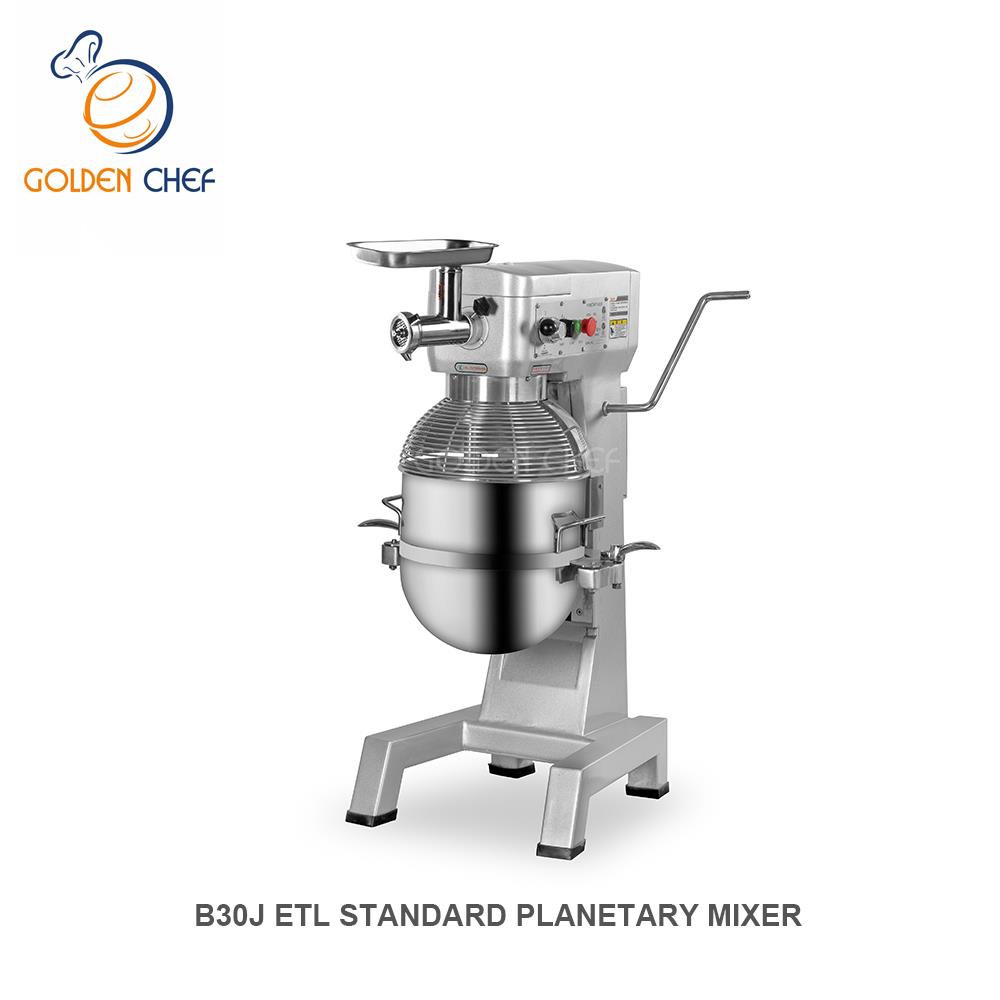
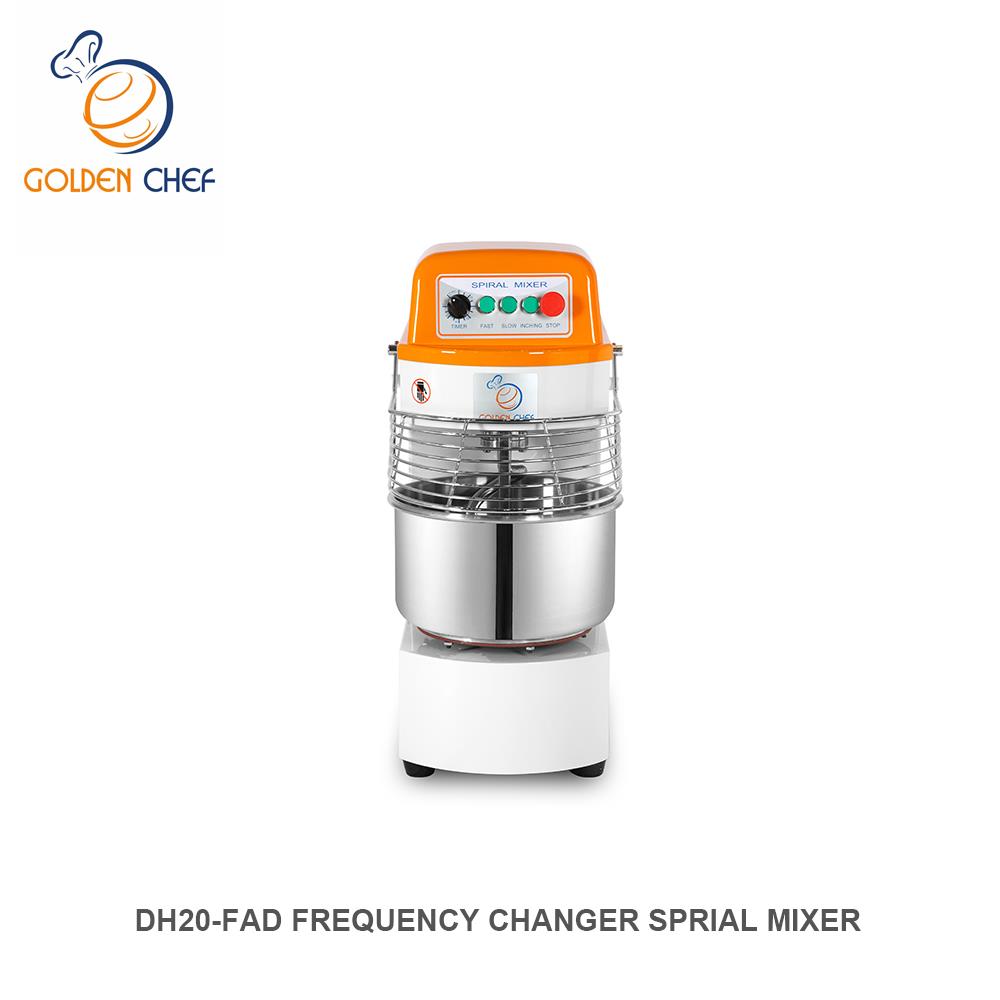
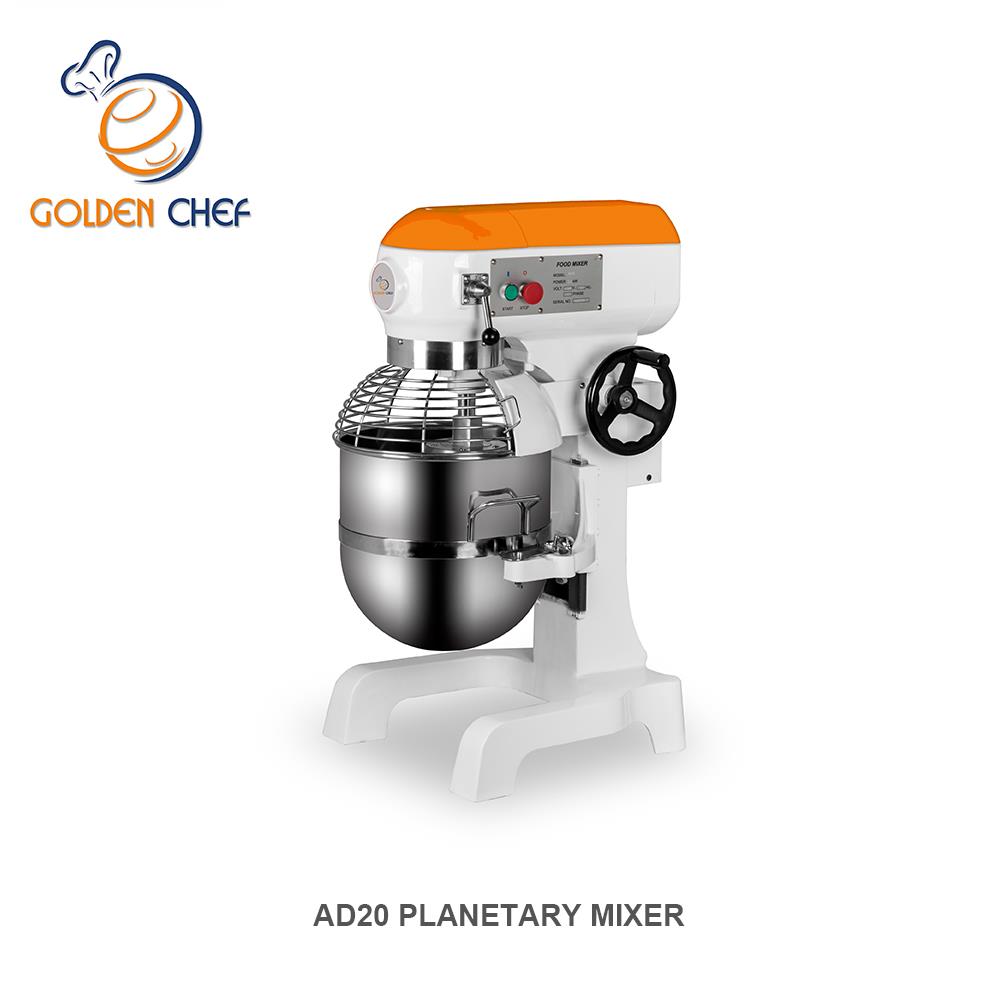
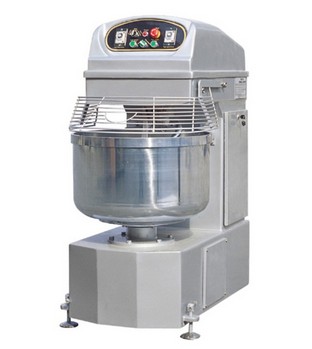
Sourcing commercial dough mixers requires balancing high-torque mechanical demands with strict food-safety hygiene standards. Whether you are importing spiral mixers for industrial bakeries or planetary mixers for institutional kitchens, the primary sourcing challenge lies in verifying motor endurance, transmission reliability, and true material grades at the factory level.
Specifying Commercial Dough Mixers for Volume Production
When buying heavy-duty baking equipment in bulk, generic spec sheets are insufficient. Factories often list peak motor power rather than continuous operating power, which can lead to catastrophic overheating under heavy dough loads (specifically doughs with hydration levels under 50 percent).
Professional buyers must specify the exact motor winding material (100 percent copper is mandatory), the type of variable frequency drive (VFD) if applicable, and the precise electrical standards required for the destination market. The transmission system is arguably the most critical component to specify upfront, as it dictates the machine's lifespan and maintenance schedule.
| Transmission Type | Torque Transfer | Maintenance Profile | Ideal Application |
|---|---|---|---|
| Gear Driven | Maximum, zero slip | Low (Periodic oil changes) | Stiff, low-hydration doughs (pizza, bagels) |
| Belt Driven | Moderate to High | High (Tensioning and replacement) | High-hydration doughs, quiet environments |
| Hybrid (Belt & Chain) | High | Moderate (Lubrication required) | Large capacity industrial spiral mixers |
Factory-Level Quality Control and Material Verification
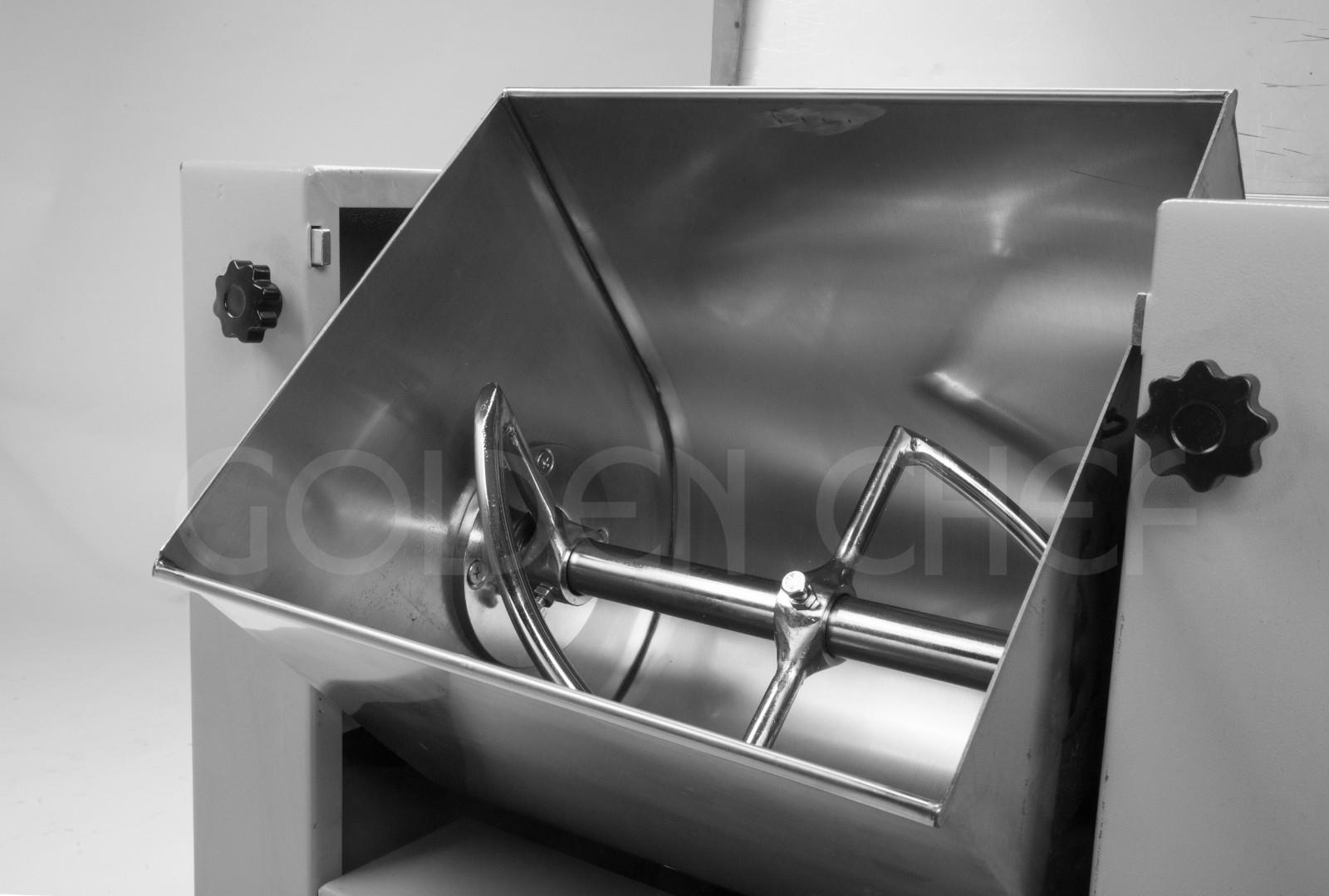
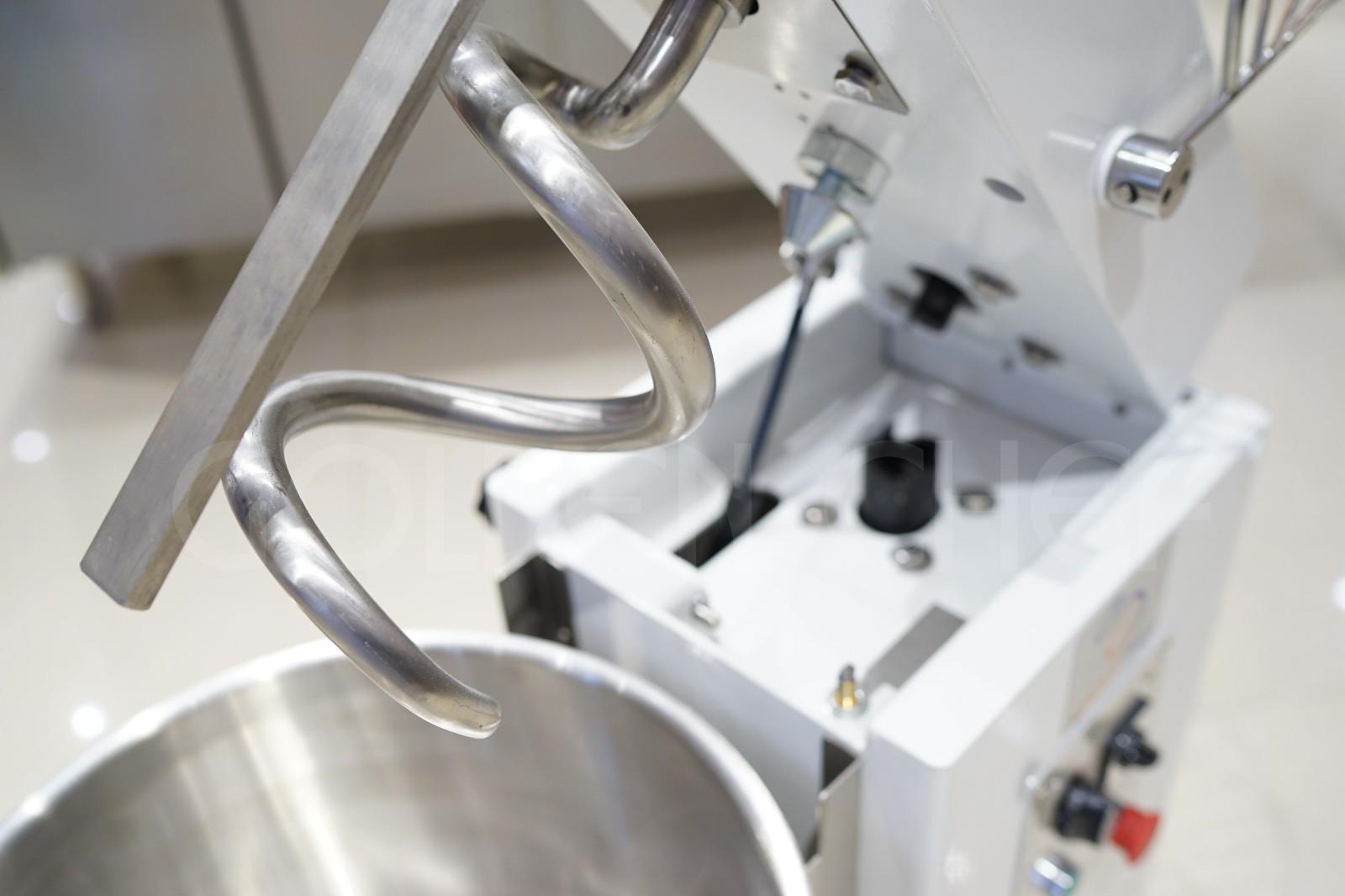
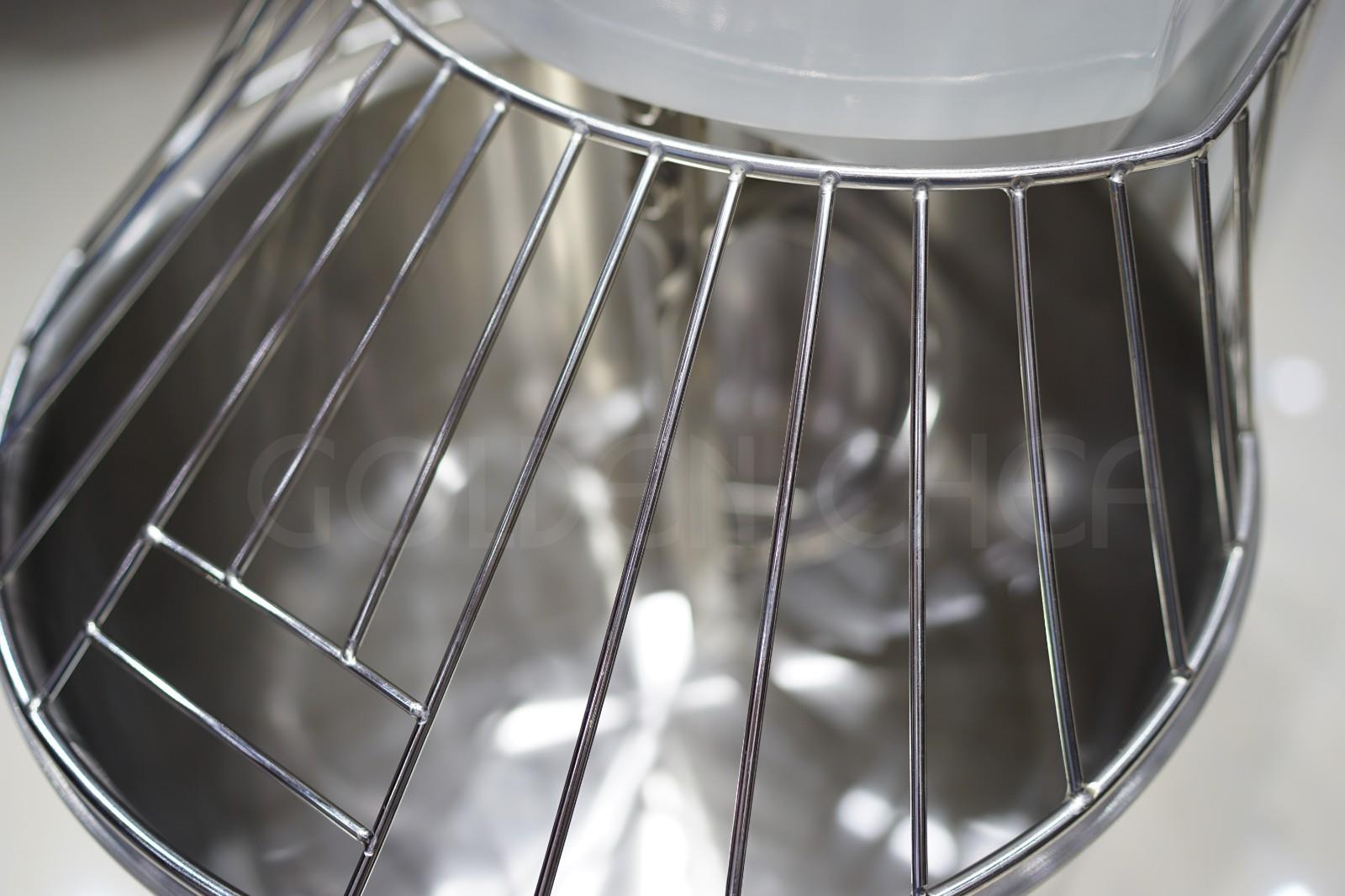
The lifespan of a commercial mixer is decided in the machining and assembly phases. Poorly machined gears or misaligned belts lead to excessive noise, vibration, and premature bearing failure. Furthermore, food-contact zones—specifically the bowl, dough hook, and safety guards—must be strictly verified. Many lower-tier manufacturers attempt to substitute SUS304 stainless steel with SUS201 to cut costs. SUS201 will inevitably rust when exposed to acidic dough conditions and industrial cleaning chemicals.
Implementing rigorous Quality Control & Inspection during assembly is essential. You cannot rely on a factory's internal QC report to catch costly material substitutions or mechanical misalignments.
Critical Factory Inspection Points
- PMI (Positive Material Identification) testing of the bowl and hook to verify true SUS304 steel
- Main shaft run-out tolerance checks to prevent premature bearing and seal wear
- Electrical safety verification including grounding continuity and hi-pot testing
- Acoustic and vibration testing under loaded conditions (decibel readings)
- Verification of safety micro-switches on bowl guards and emergency stop circuits
Need reliable engineers on the factory floor? Let us manage your pre-shipment inspections and material verification.
Talk to our teamOEM Customization and Market Compliance
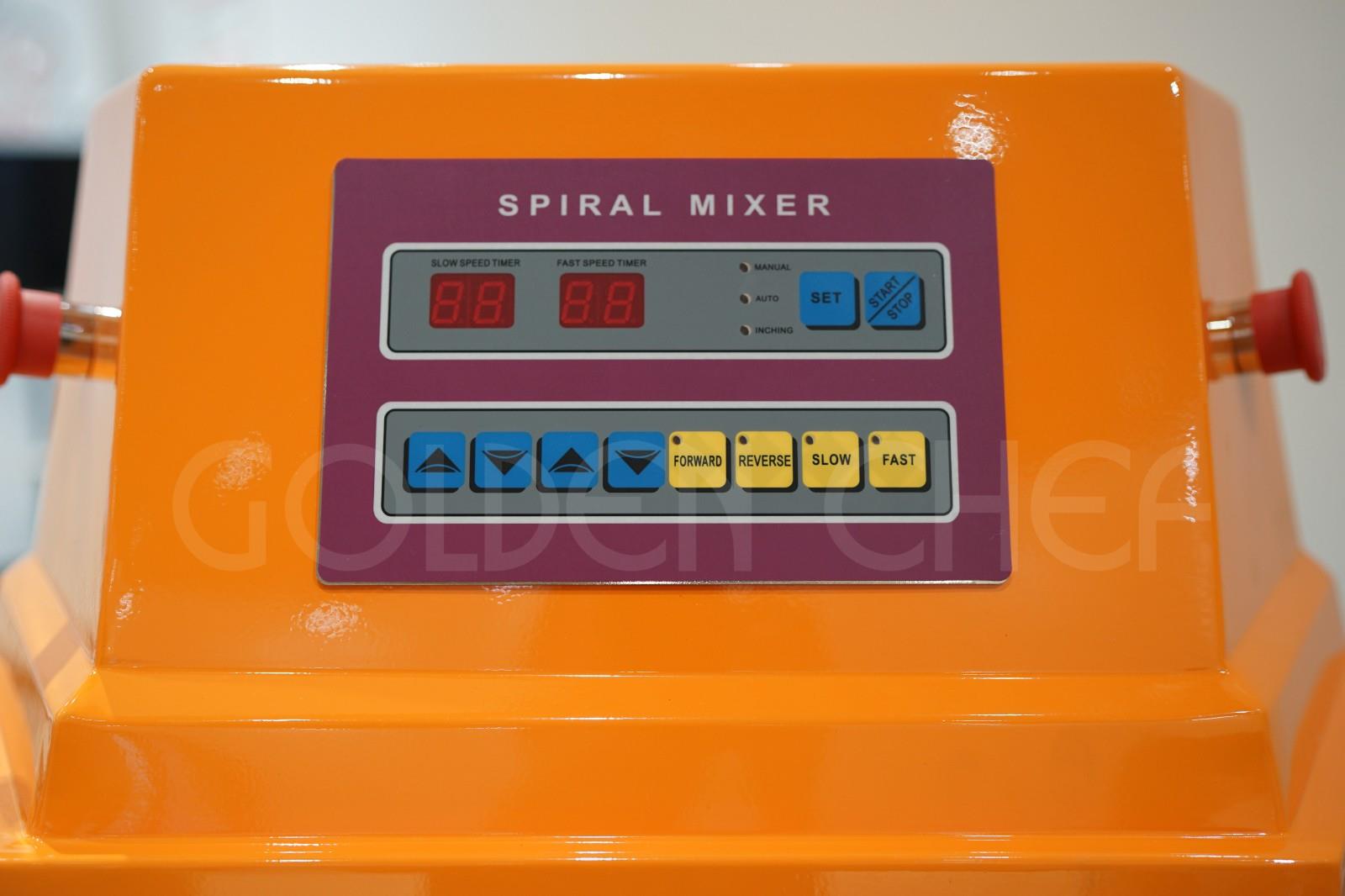
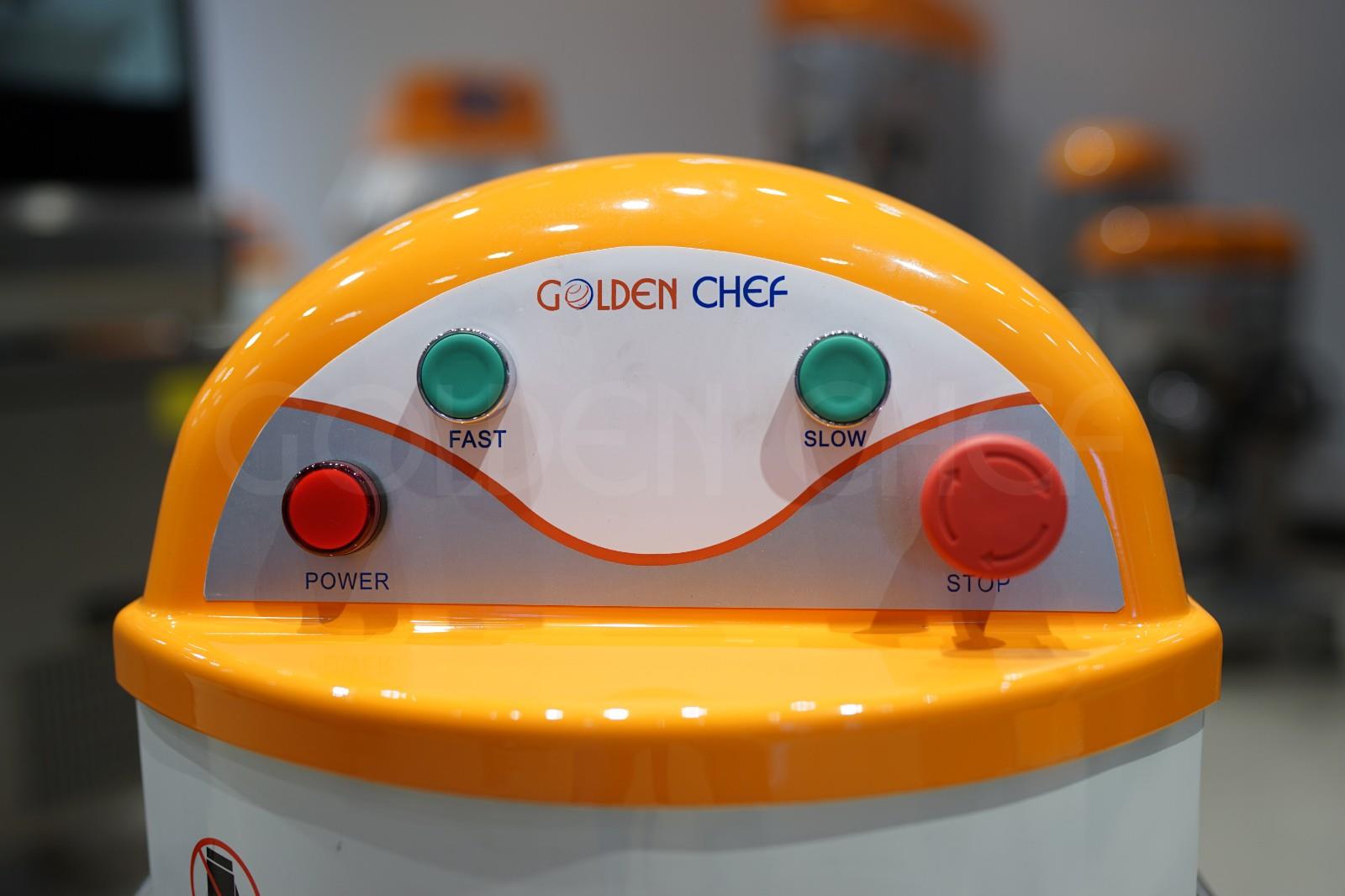
Brands utilizing OEM/ODM Services often modify standard off-the-shelf models to meet specific regional requirements or to differentiate their product line. Common OEM modifications include upgrading internal electrical contactors (specifying brands like Schneider or Siemens), integrating digital programmable control panels, or altering the exterior housing design.
Upgrading components is often necessary to pass stringent CE, UL, ETL, or NSF certifications. Ensuring your supplier has the technical bandwidth to manage these upgrades and coordinate Compliance & Testing is critical for uninterrupted customs clearance and market legality.
Pricing Drivers, MOQs, and Lead Times
Commercial bakery equipment is capital-intensive, and Minimum Order Quantities (MOQs) reflect the physical size and manufacturing complexity of the units. Pricing fluctuates based on global copper costs (for heavy-duty motors), stainless steel commodity pricing, and the origin of the electrical components used in the control board.
Before committing to a high-value container order, conducting comprehensive Factory Audits ensures the supplier actually machines their own gearboxes and fabricates their own bowls, rather than simply assembling cheap outsourced parts in a small workshop.
Optimize your procurement strategy, negotiate better terms, and secure vetted bakery equipment manufacturers.
Get a free consultationFrequently Asked Questions
Successful procurement in the commercial baking sector requires looking past the initial unit cost. Factoring in the total cost of ownership—driven by transmission reliability, motor endurance, and strict adherence to food safety standards—ensures your imported equipment performs reliably in demanding industrial environments. Proper supplier vetting and on-site oversight are the only ways to guarantee that performance.
Get Sourcing Help for Dough Mixers
Tell us your requirements and our experts will connect you with verified manufacturers.