Construction Machinery Parts
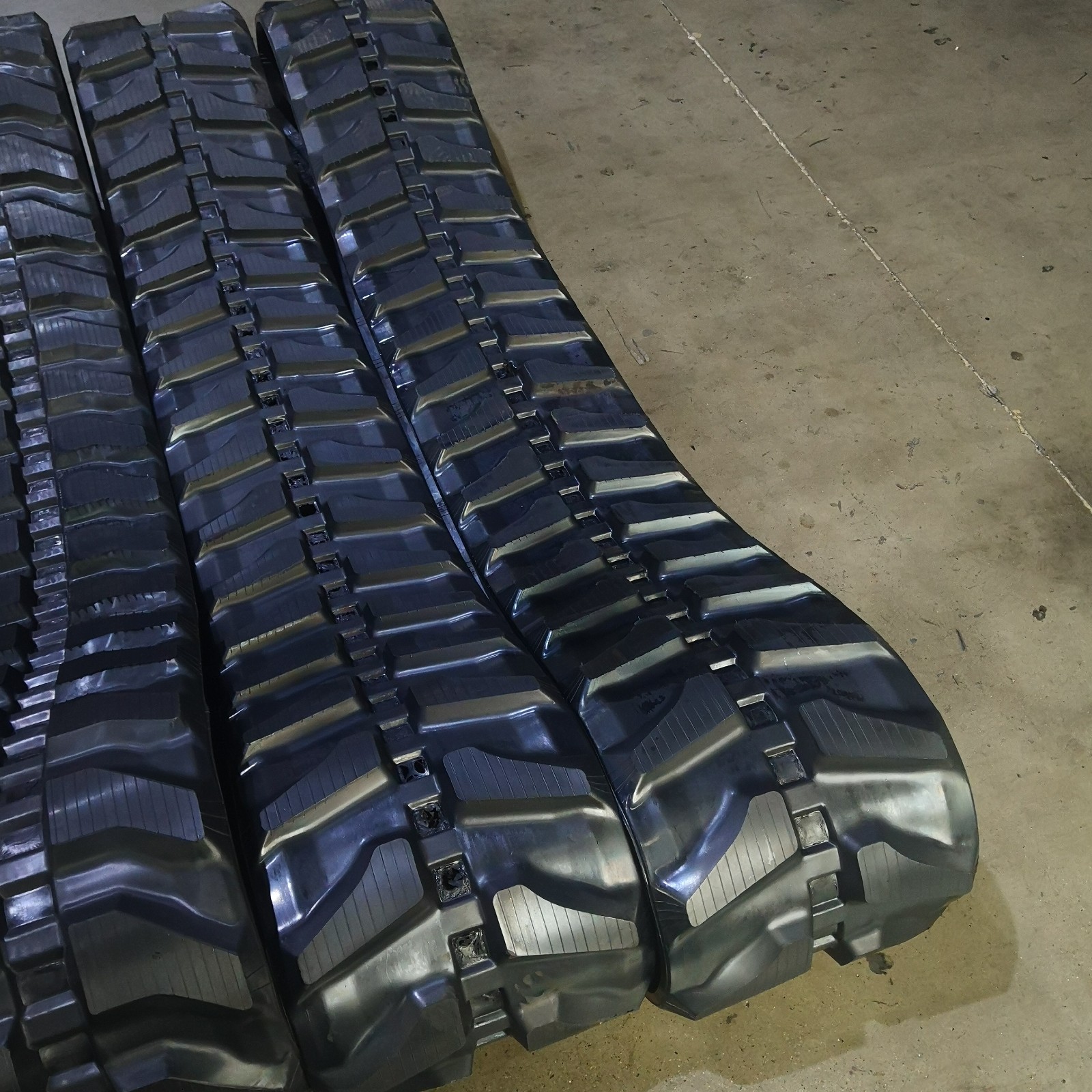
Source premium construction machinery parts from vetted manufacturers and wholesale suppliers. Built for heavy-duty applications, our network supports importers, equipment distributors, and brands requiring reliable OEM and aftermarket components in bulk.
Sourcing replacement and OEM parts for heavy construction equipment requires strict adherence to metallurgical standards and dimensional tolerances. A failure in a high-stress component—whether an undercarriage link, hydraulic cylinder, or ground engaging tool—results in catastrophic downtime and liability on the job site. Securing a reliable supply chain means evaluating factories on their forging, casting, heat treatment, and CNC machining capabilities, rather than just their catalog breadth.
Material Selection and Manufacturing Tolerances
Heavy machinery parts operate in high-abrasion, high-impact environments. The baseline for ground engaging tools (GET) and undercarriage components typically involves high-carbon or boron steel alloys (such as 35MnB, 40Cr, or 42CrMo) that undergo rigorous quenching and tempering. The manufacturing method dictates the structural integrity of the final part.
| Manufacturing Method | Typical Components | Material Characteristics |
|---|---|---|
| Closed-Die Forging | Track links, pins, bushings, high-stress gears | Excellent structural integrity, directional grain flow, high impact resistance |
| Investment Casting | Complex hydraulic valve bodies, precision brackets | Tight dimensional tolerances, smooth surface finish, minimal secondary machining |
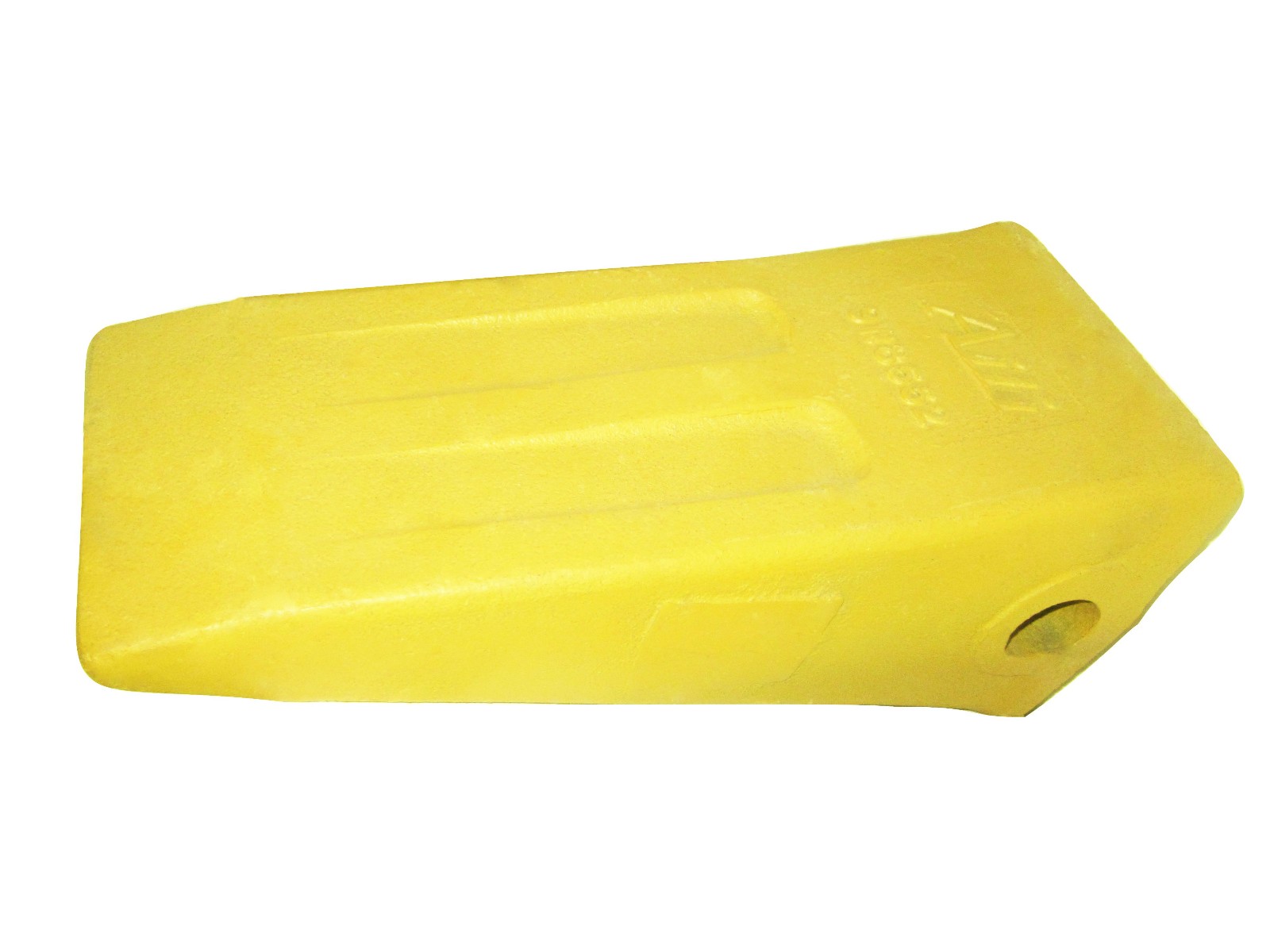
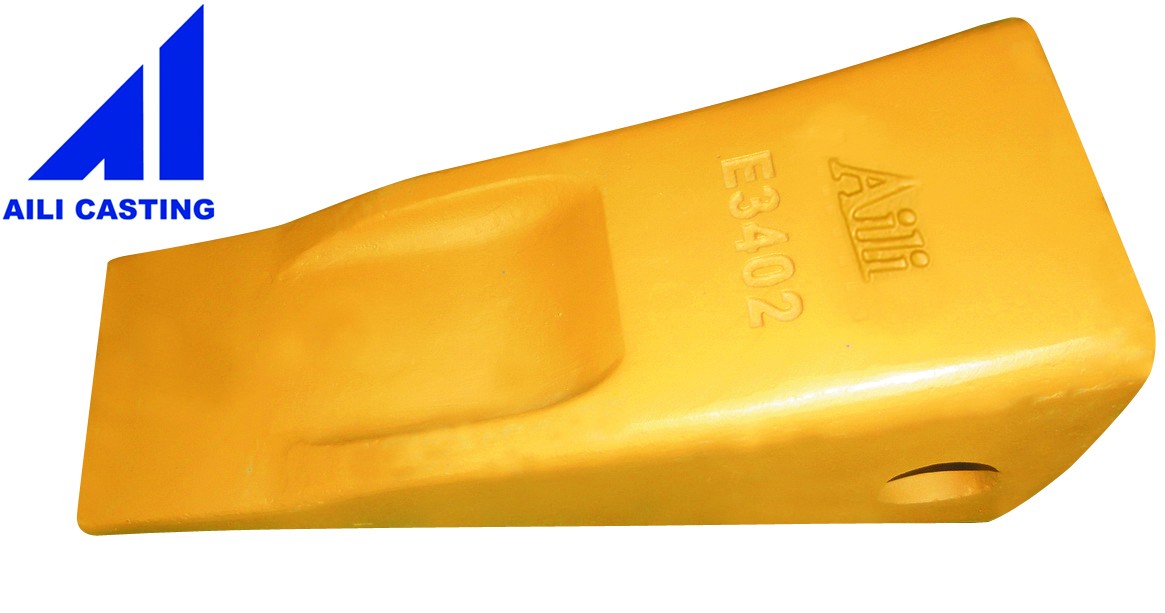
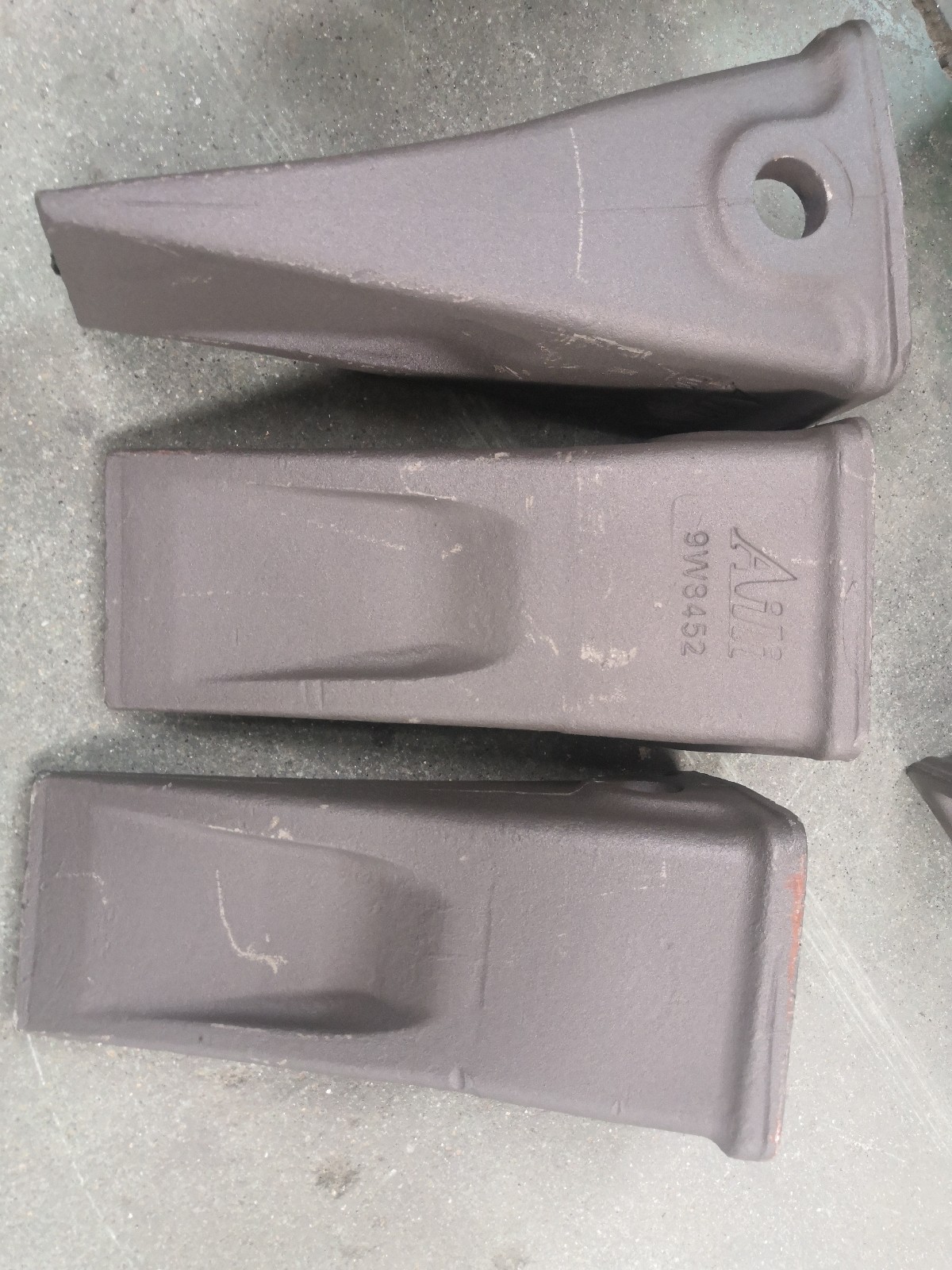
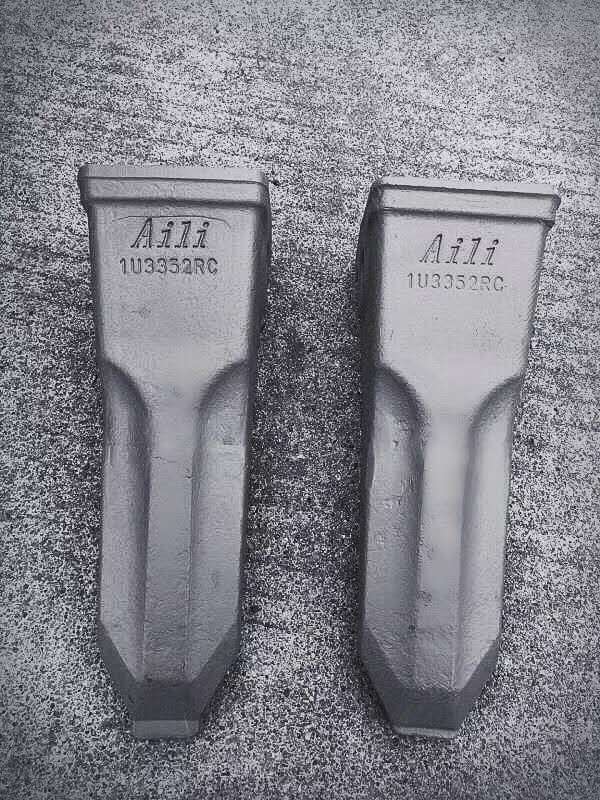
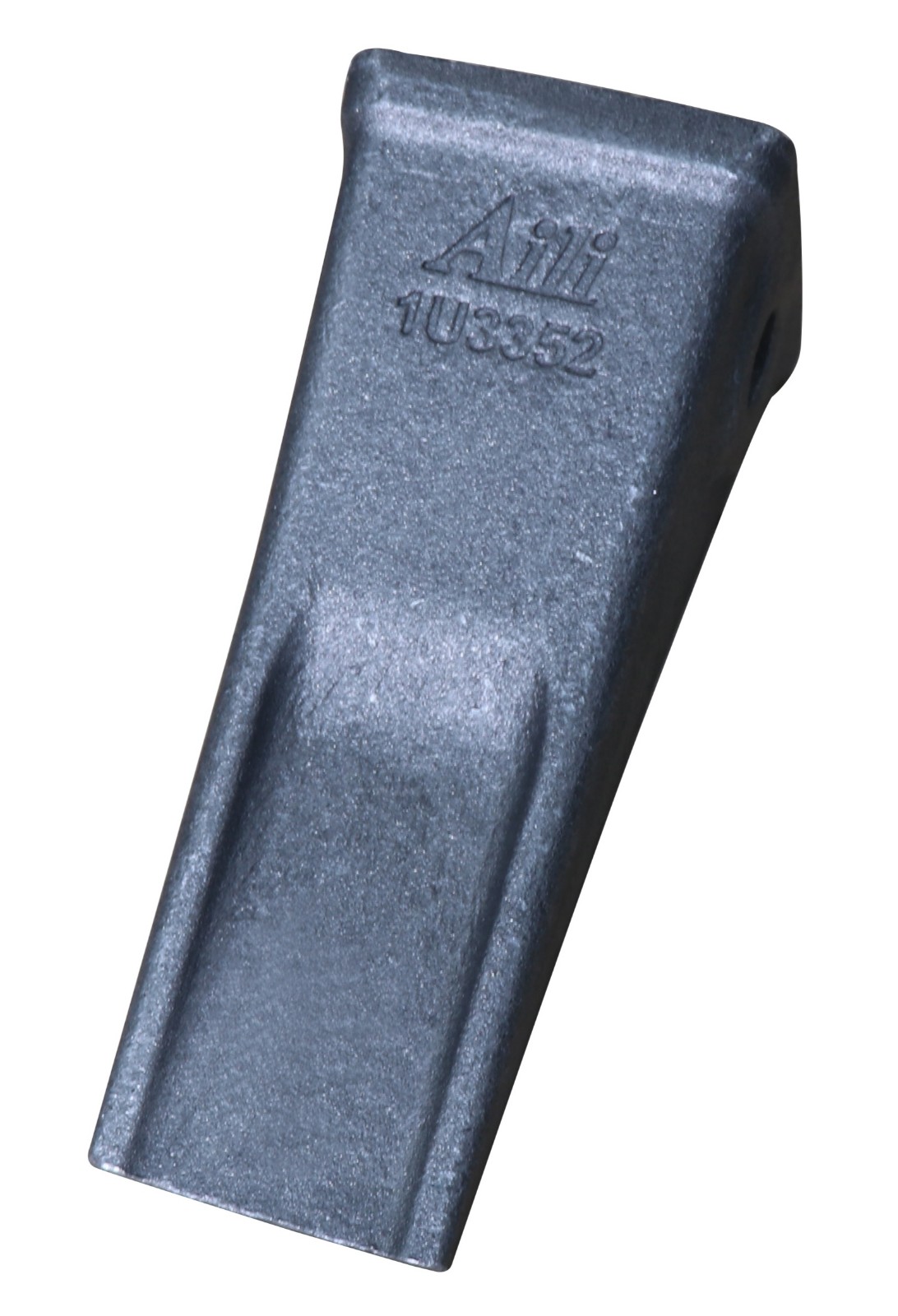
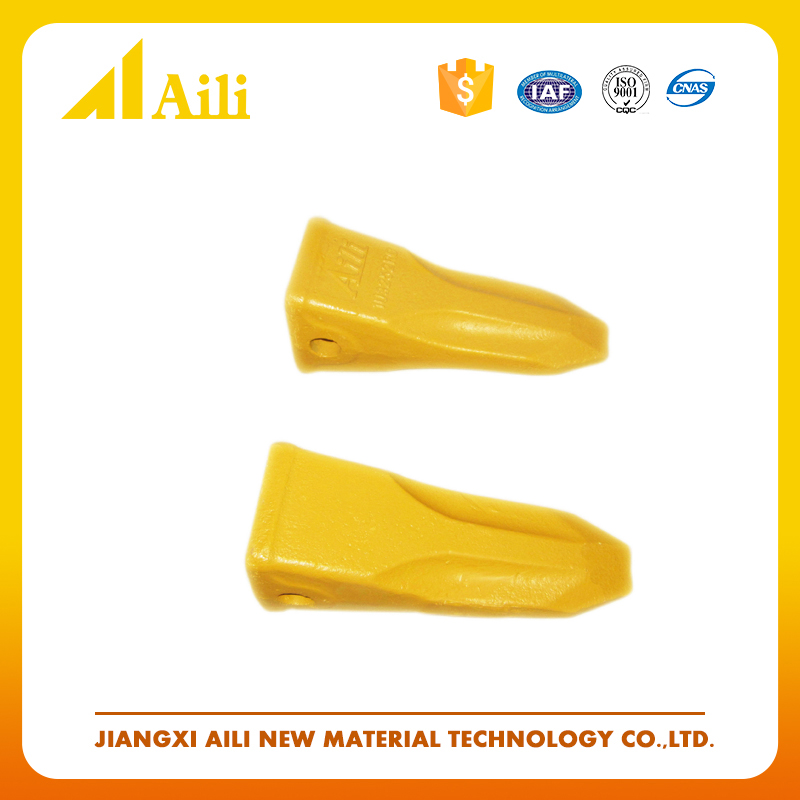
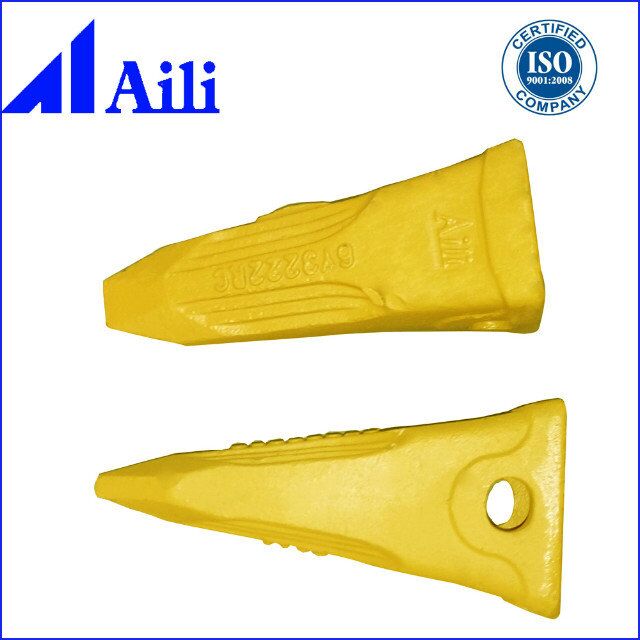
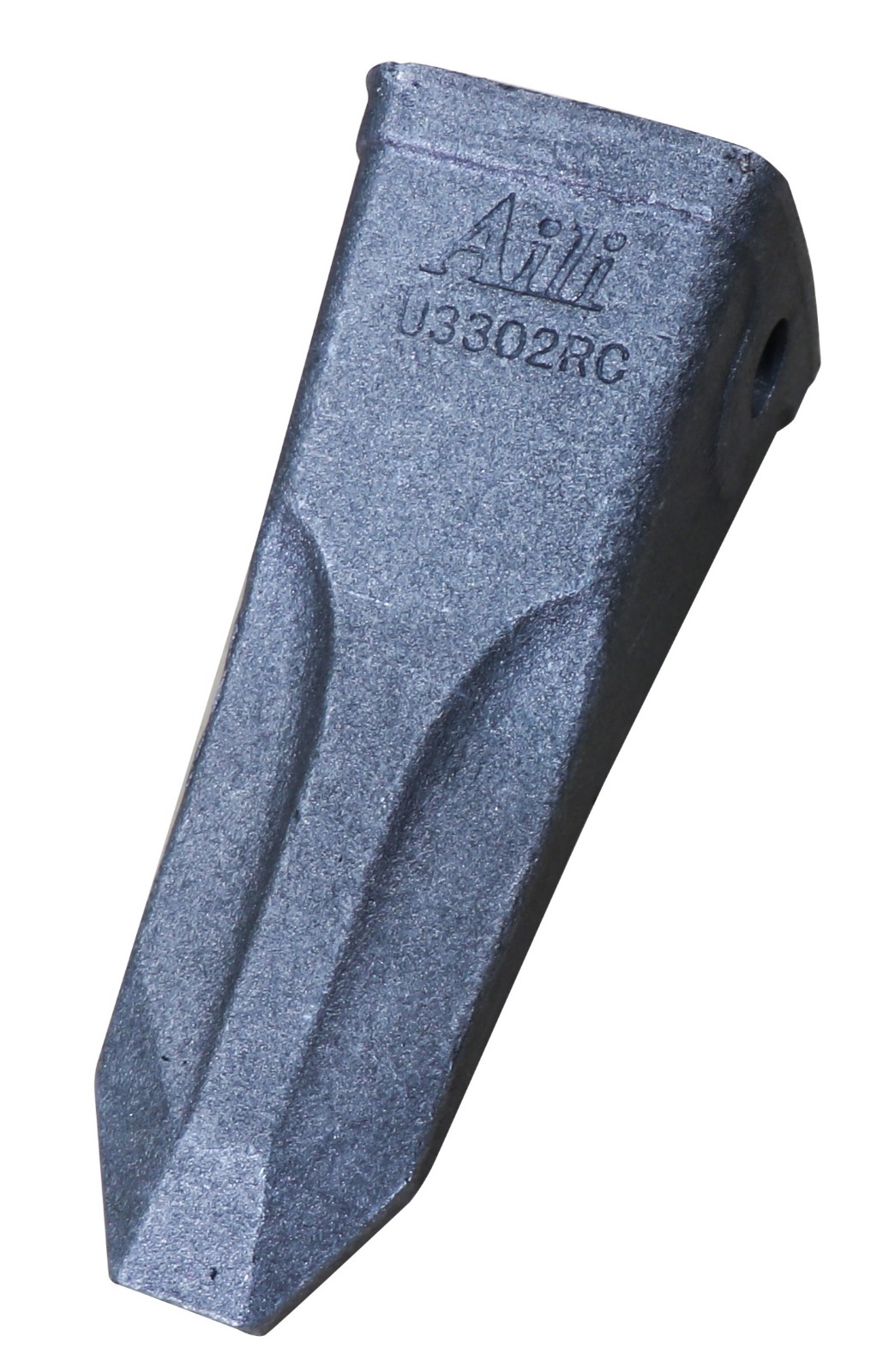
| Sand Casting | Bucket teeth, large counterweights, engine blocks | Cost-effective for massive parts, suitable for high-wear applications |
Need to match specific OEM metallurgical standards? Let us connect you with foundries capable of precise alloy formulations.
Talk to our teamQuality Control and Heat Treatment Verification
Surface hardness and core toughness must be perfectly balanced. If a track shoe is too brittle, it cracks under impact; if it is too soft, it wears prematurely. Verifying this requires robust Quality Control & Inspection protocols at the factory level. You cannot rely on visual inspection alone for heavy machinery parts.
Critical Factory Inspection Points
- Ultrasonic Testing (UT): Detects internal voids, porosity, or inclusions in thick castings.
- Magnetic Particle Inspection (MPI): Identifies micro-cracks on the surface of forged parts.
- Hardness Testing: Verifying both surface hardness (Rockwell C) and core hardness via cross-section analysis.
- Dimensional CMM Inspection: Ensuring pin-to-bushing clearances meet exact OEM tolerances.
- Spectrographic Analysis: Confirming the chemical composition of the raw steel heat before pouring.
When sourcing aftermarket components, ensuring the factory actually performs these tests in-house rather than outsourcing them is vital. Comprehensive Factory Audits are necessary to verify the calibration of their testing equipment and the consistency of their heat-treatment furnaces.
OEM Production and Custom Tooling
For brands developing proprietary aftermarket lines, OEM/ODM Services allow you to manufacture to custom CAD specifications or reverse-engineer existing components. This requires foundries with in-house mold and die production capabilities. Tooling ownership, maintenance terms, and strict IP protection protocols must be negotiated upfront before any steel is poured or forged.
MOQs, Lead Times, and Procurement Economics
Heavy machinery parts are capital-intensive to produce and ship. Foundries operate on batch production schedules dictated by furnace capacities, cooling times, and tooling setup requirements.
Because these components are exceptionally dense and heavy, optimizing container payloads is critical. A 20-foot container will often hit its maximum weight limit long before it runs out of volume. Managing Shipping & Freight logistics efficiently is just as important as negotiating the unit price to maintain a viable landed cost.
Struggling with inconsistent quality or delayed shipments? We manage the entire production and logistics chain for heavy components.
Get a free consultationFrequently Asked Questions
Successfully sourcing construction machinery parts requires balancing raw material costs, manufacturing precision, and heavy freight logistics. Partnering with experienced professionals ensures your components meet the rigorous demands of the job site without inflating your landed costs.
Get Sourcing Help for Construction Machinery Parts
Tell us your requirements and our experts will connect you with verified manufacturers.