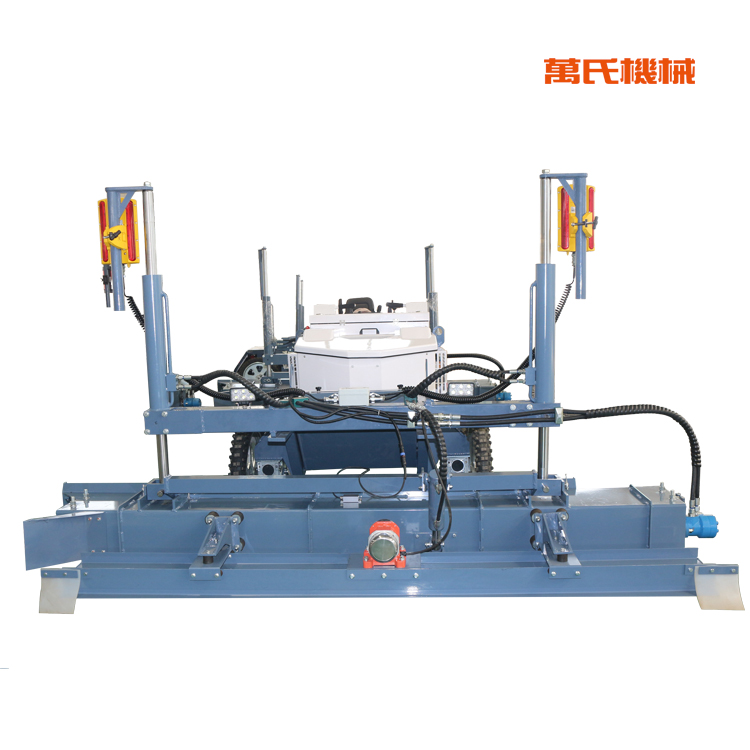
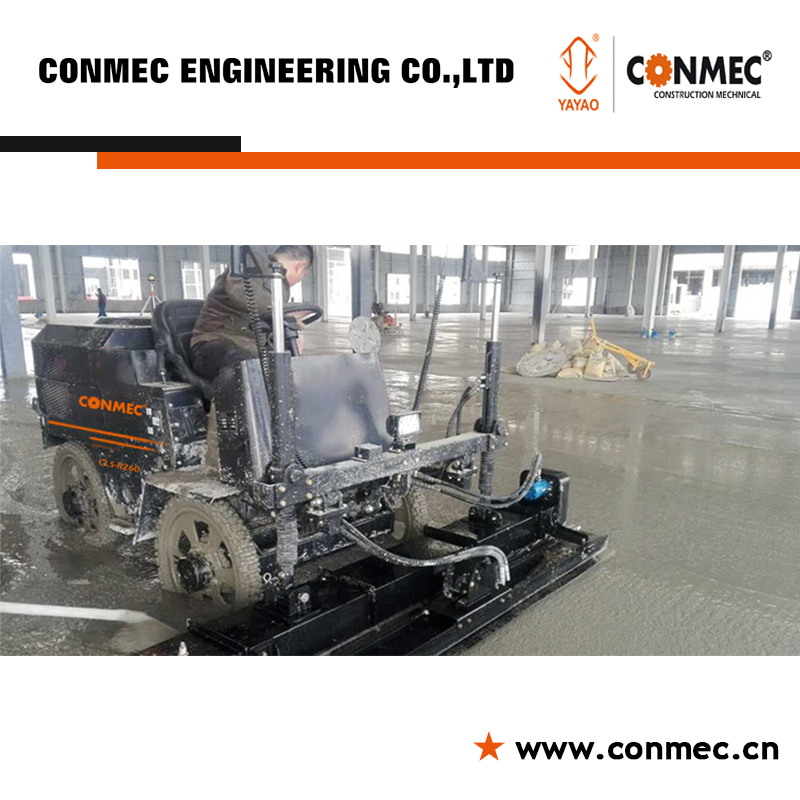
Concrete Spreaders
Source industrial-grade concrete spreaders from vetted manufacturers and wholesale suppliers in China. Designed for heavy civil engineering equipment importers, construction machinery distributors, and brands seeking reliable OEM production. We connect you with factories capable of high-volume, precision manufacturing.
Sourcing heavy concrete paving equipment directly from overseas manufacturers requires a strict focus on component origin, structural integrity, and after-sales reliability. Concrete spreaders endure immense vibration, abrasive materials, and continuous operational loads. For procurement managers and equipment distributors, the primary challenge is identifying factories that integrate globally recognized hydraulic and power systems rather than relying on generic domestic equivalents that inflate long-term maintenance costs.
Critical Specifications for Bulk Procurement
When negotiating with manufacturers, vague specifications lead to inconsistent builds. Professional buyers must dictate the exact component tier and performance metrics required for their target market.
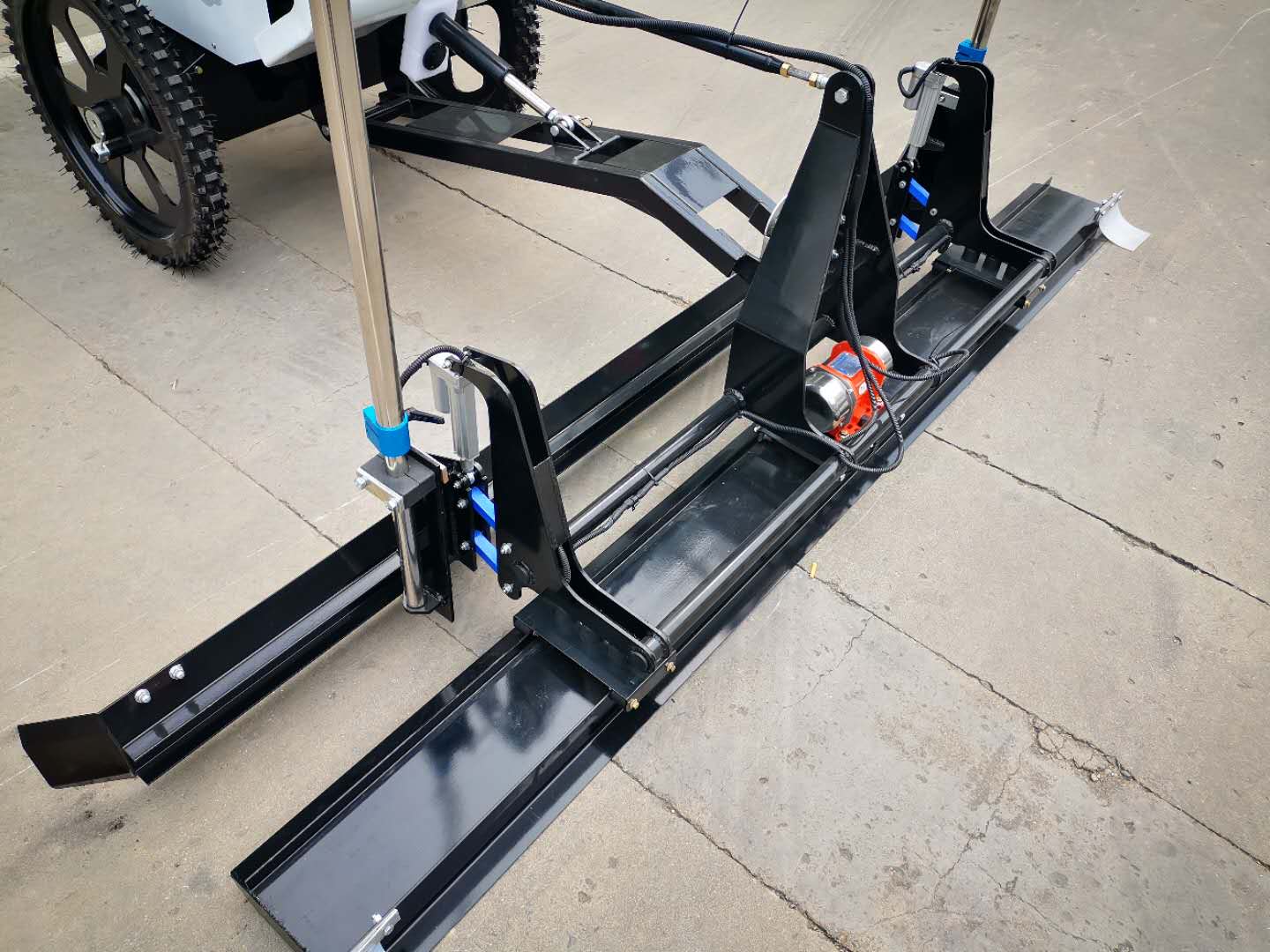
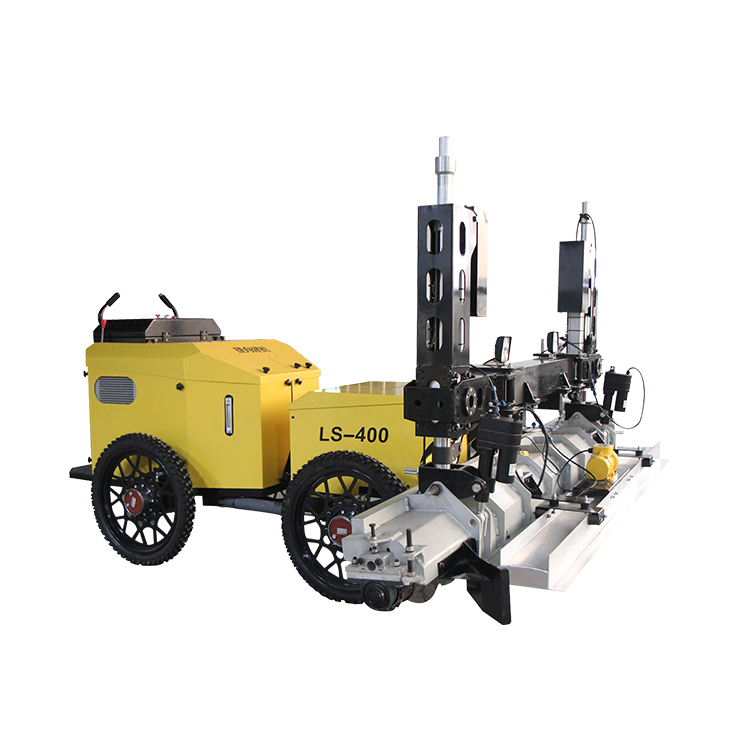
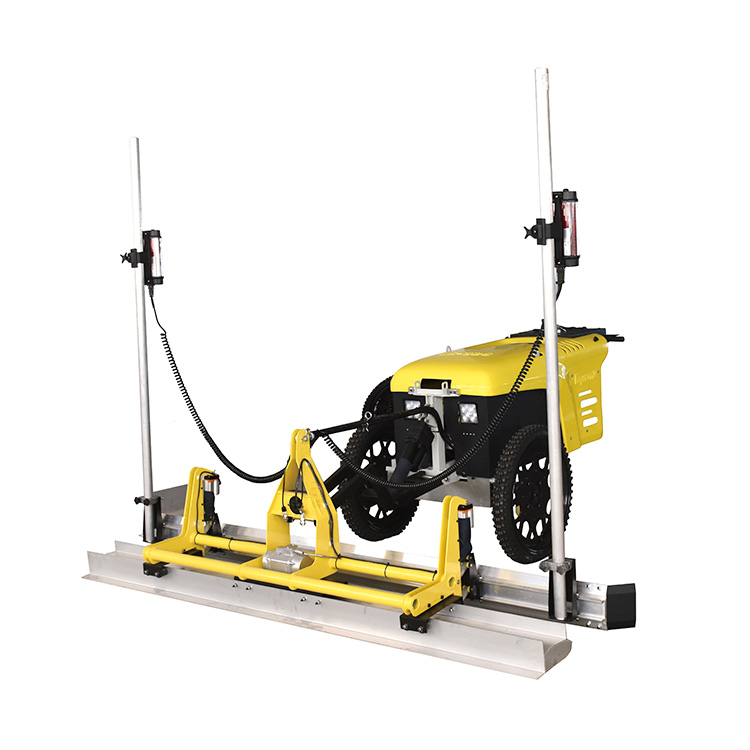
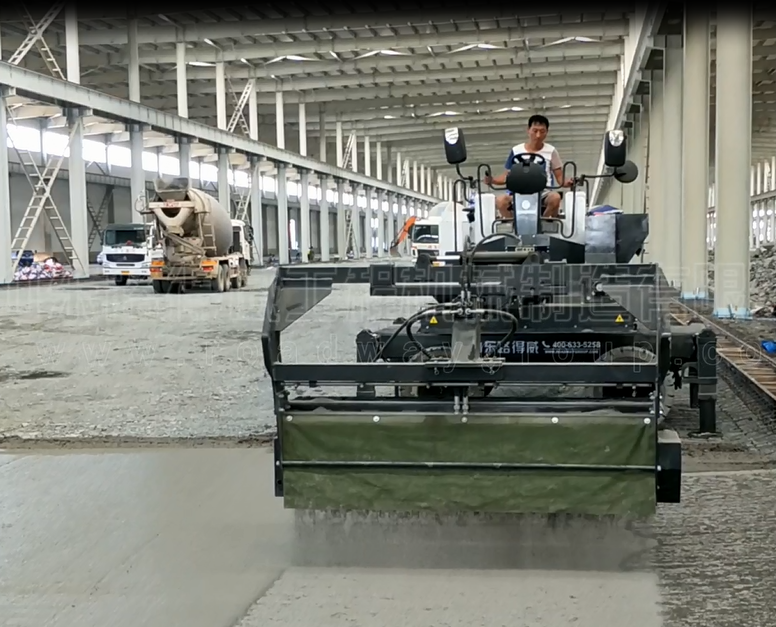
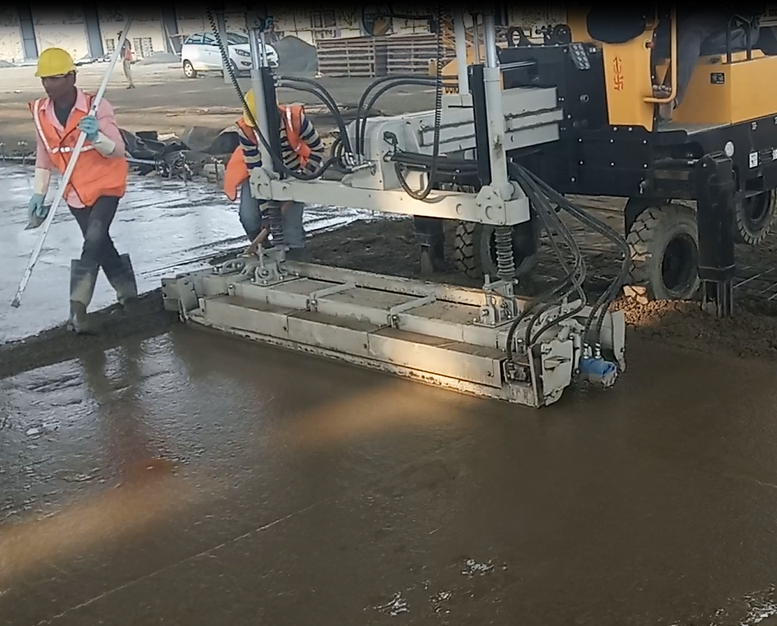
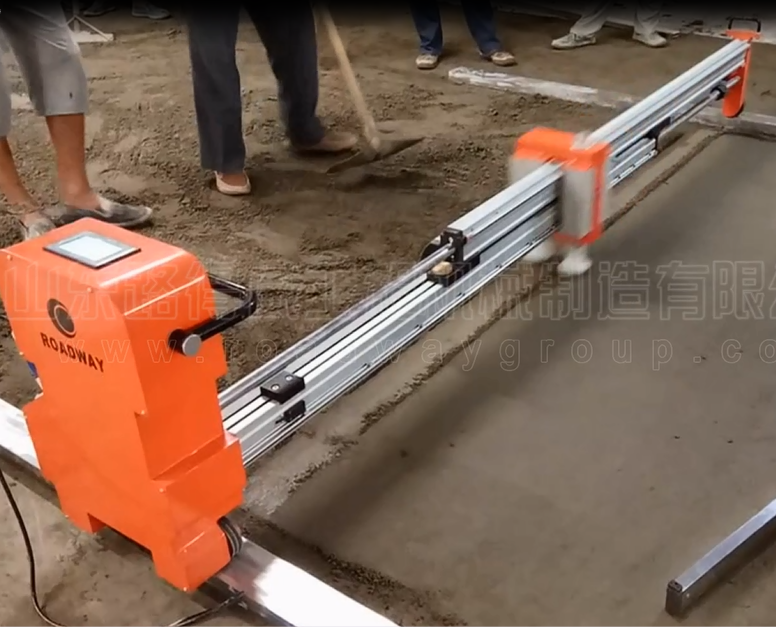
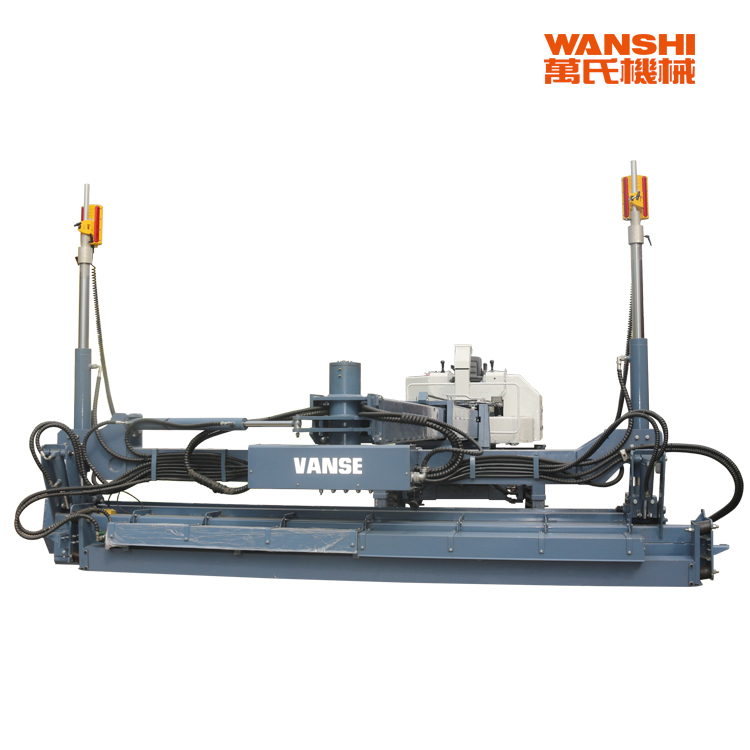
The drive and distribution mechanisms are the heart of a concrete spreader. You must specify whether you require auger-style distribution, belt-placer configurations, or strike-off plows. Augers must be cast from high-chromium wear-resistant alloys, as standard carbon steel will degrade rapidly under the abrasion of low-slump concrete.
Need help verifying the engineering capabilities of a potential machinery supplier?
Talk to our teamManufacturing Quality: Where the Battle is Won
The difference between a durable machine and a maintenance liability lies in the factory's fabrication standards and supply chain management. Many suppliers are essentially assembly workshops; verifying their internal capabilities through comprehensive Factory Audits is non-negotiable before placing high-value orders.
| Subsystem | Standard Domestic Build | Export-Grade Configuration |
|---|---|---|
| Hydraulic Pumps & Valves | Generic domestic brands | Rexroth, Danfoss, or Eaton |
| Main Frame Steel | Q235 standard carbon steel | Q345/Q355 high-tensile steel |
| Welding Standard | Manual, spot-checked | Robotic, NDT on critical joints |
| Control Systems | Analog relays | CAN bus with PLC diagnostics |
Vibration isolation is another critical manufacturing focus. The spreader's frame must be engineered to isolate the engine and sensitive hydraulics from the high-frequency vibration of the paving process. Look for factories that utilize heavy-duty rubber shear mounts and reinforced gusseting at major stress points.
Quality Control and Factory Acceptance Testing
Defects in heavy machinery are costly to rectify once the equipment leaves the port. Implementing rigorous Quality Control & Inspection protocols during assembly and prior to shipment is essential.
Pre-Shipment Inspection Focus Areas
- Hydraulic system pressure retention test (minimum 4 hours under load).
- Non-Destructive Testing (NDT) on main chassis and auger support welds.
- Verification of engine emissions certification plates (EPA/CE).
- Auger and conveyor alignment checks to ensure zero binding.
- Operational test of all emergency stops and safety interlocks.
Pricing, MOQs, and Lead Times
Heavy construction machinery operates on different procurement mechanics than consumer goods.
- Minimum Order Quantities (MOQs): The standard MOQ is 1 unit. However, distributor pricing tiers typically activate at 3 to 5 units.
- Lead Times: Expect 35 to 60 days for standard configurations. Customizations, such as specific engine brands to meet regional EPA Tier 4 or EU Stage V regulations, can extend lead times to 90 days due to component import delays.
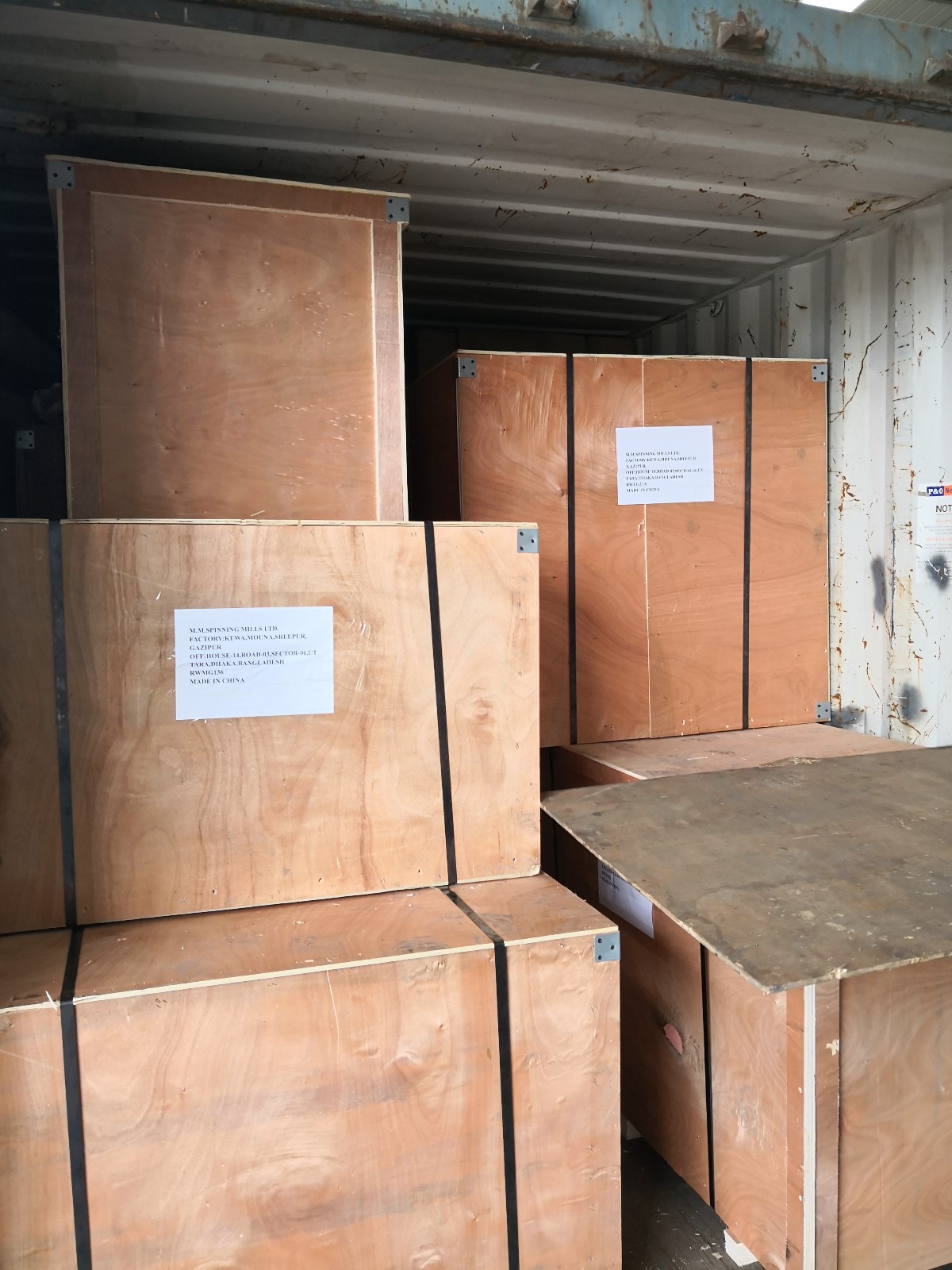
- Logistics: Concrete spreaders are often Out of Gauge (OOG) cargo. Depending on the dimensions, they require Flat Rack containers or Roll-on/Roll-off (RoRo) shipping. Coordinating this requires specialized Shipping & Freight expertise to avoid exorbitant port fees.
Optimize your machinery supply chain and reduce landed costs.
Get a free consultationFrequently Asked Questions
Procuring concrete spreaders is an exercise in risk mitigation. Success requires looking past the initial unit price and rigorously defining the component bill of materials. By enforcing strict engineering standards and verifying factory capabilities, importers can secure heavy machinery that delivers reliable performance and protects their brand reputation in the field.
Get Sourcing Help for Concrete Spreaders
Tell us your requirements and our experts will connect you with verified manufacturers.