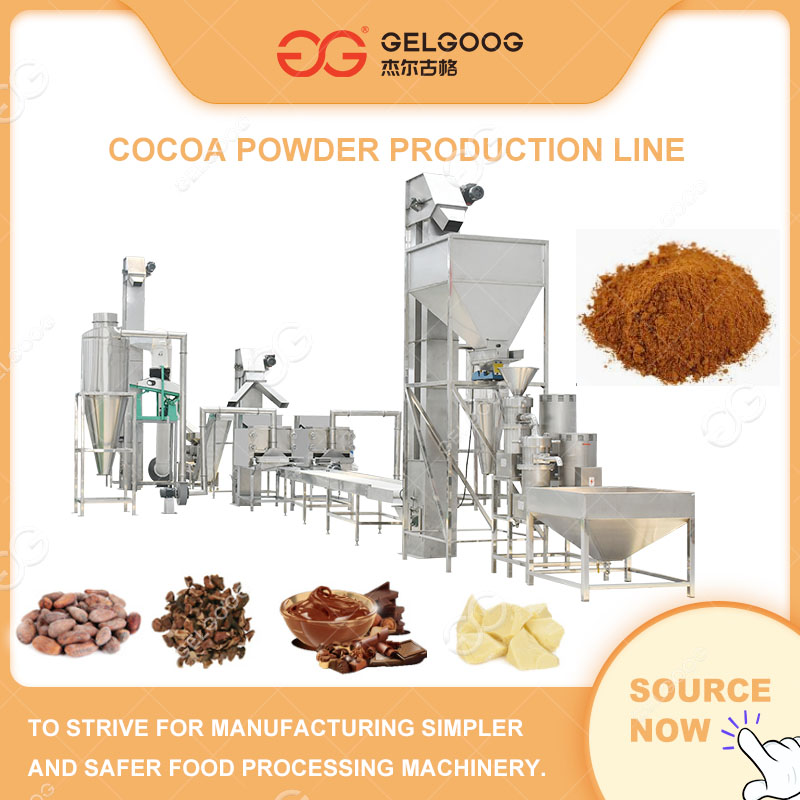
Cocoa Processing Machines
Source industrial Cocoa Processing Machines from vetted suppliers and manufacturers. Designed for importers, machinery distributors, and food & beverage brands looking for reliable wholesale equipment or custom OEM production lines. Explore high-capacity roasting, winnowing, grinding, and pressing machinery built for continuous operation and international compliance.
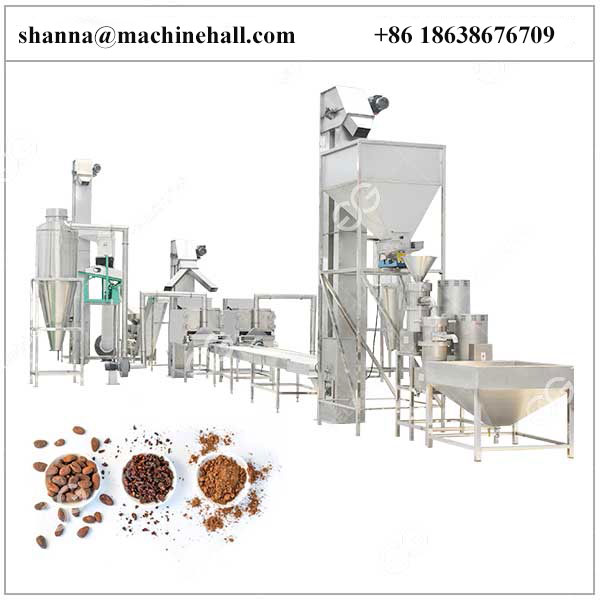
Procuring industrial cocoa processing equipment requires balancing extraction efficiency, continuous-run reliability, and strict food safety compliance. Whether you are sourcing standalone units like cocoa bean roasters and winnowers, or commissioning full bean-to-liquor processing lines, the difference between a high-yield operation and a maintenance liability lies in the machine's internal engineering. For procurement managers and machinery distributors, vetting the right manufacturing partner is just as critical as specifying the right technical parameters.
Core Technical Specifications to Define
When negotiating with manufacturers, vague requirements lead to substandard components. Cocoa processing is highly abrasive and fat-intensive, demanding specific material grades and motor capacities.
| Component / Spec | Standard Commercial | Industrial Premium |
|---|---|---|
| Material Grade | SUS304 contact parts, carbon steel frame | Full SUS316L construction, washdown-ready |
| Grinding Fineness (Liquor) | 80-100 mesh | 100-120 mesh via multi-stage colloid mills |
| Roaster Heating | Direct gas / standard electric | Thermal oil / PID controlled electric |
| Automation | Manual relay / push-button | Siemens/Allen-Bradley PLC with HMI |
Critical Checkpoints in Cocoa Processing
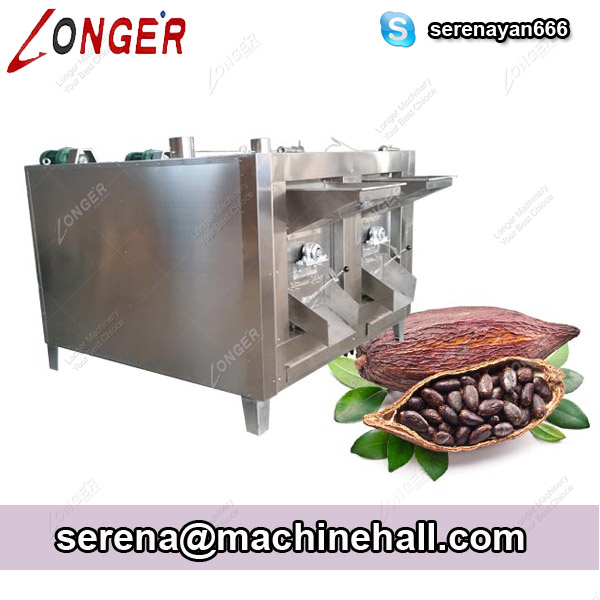
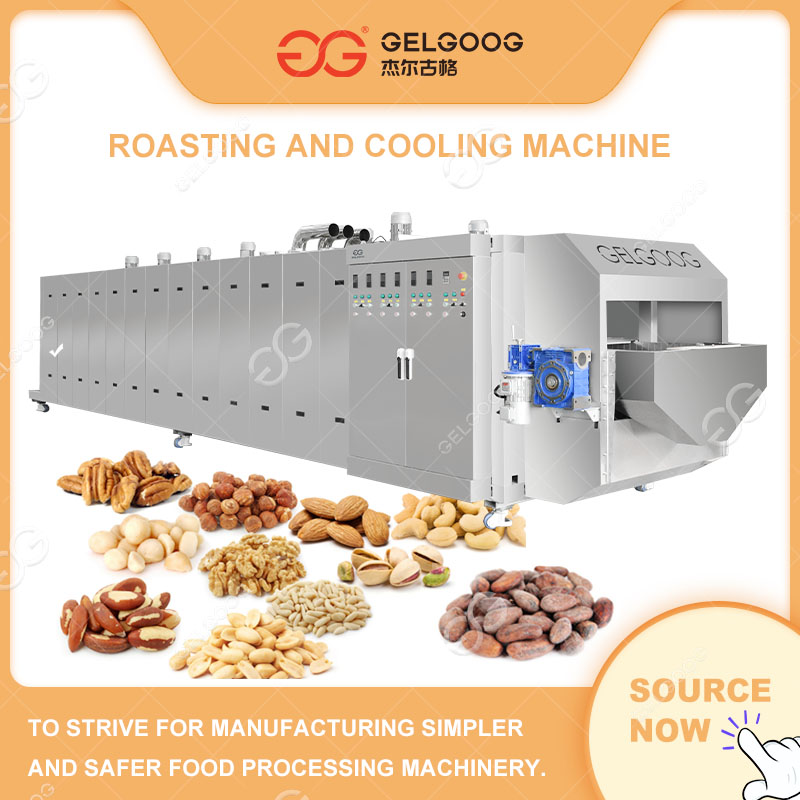
- Roasting Temperature Control: Cocoa beans require precise temperature curves to develop flavor without burning. Look for roasters utilizing PID temperature controllers with a variance of under 2 degrees Celsius.
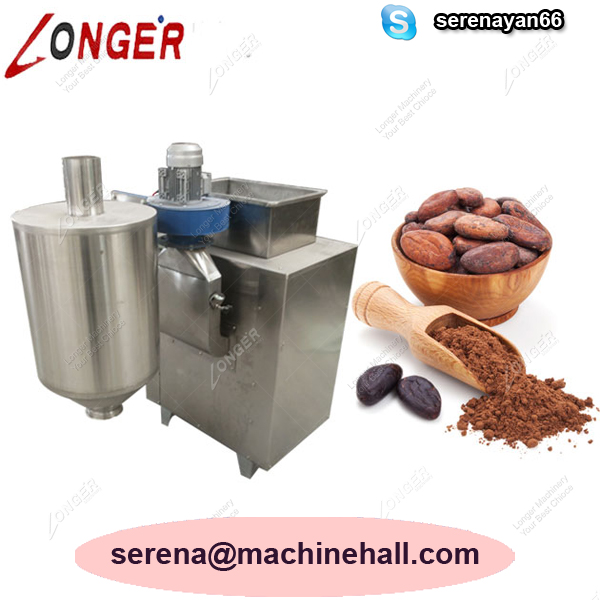
- Winnowing Efficiency: The separation of nibs from shells dictates the quality of the final cocoa liquor. High-grade winnowers use multi-stage vibratory screens combined with adjustable cyclone aspiration to ensure shell content remains below 1.5 percent.
- Colloid Milling and Grinding: Cocoa nibs contain roughly 50 to 55 percent cocoa butter. The friction during grinding generates significant heat. Your supplier must equip the colloid mills with active water-cooling jackets to prevent the cocoa liquor from scorching and degrading in flavor.
Need help verifying technical specs with Chinese machinery manufacturers? Let Merhein handle the engineering dialogue and supplier vetting.
Talk to our teamFactory Vetting and Quality Control
China’s industrial food machinery hubs, primarily located in Shandong, Guangdong, and Zhejiang provinces, offer a wide spectrum of manufacturing capabilities. However, not all suppliers possess the engineering background to build continuous-run cocoa lines. Many are general food machinery assemblers rather than specialized extraction engineers.
Implementing rigorous factory audits before placing a deposit is essential. You need to verify their in-house machining capabilities, particularly for high-stress components like hydraulic cocoa butter presses and colloid mill stators.
Pre-Shipment Inspection Focus Areas
- Verify motor and gearbox brands (e.g., SEW, Siemens) against the agreed BOM.
- Conduct a dry-run test to check for abnormal vibration in the winnower and grinder.
- Inspect welding seams on all food-contact surfaces for sanitary, crevice-free finishes.
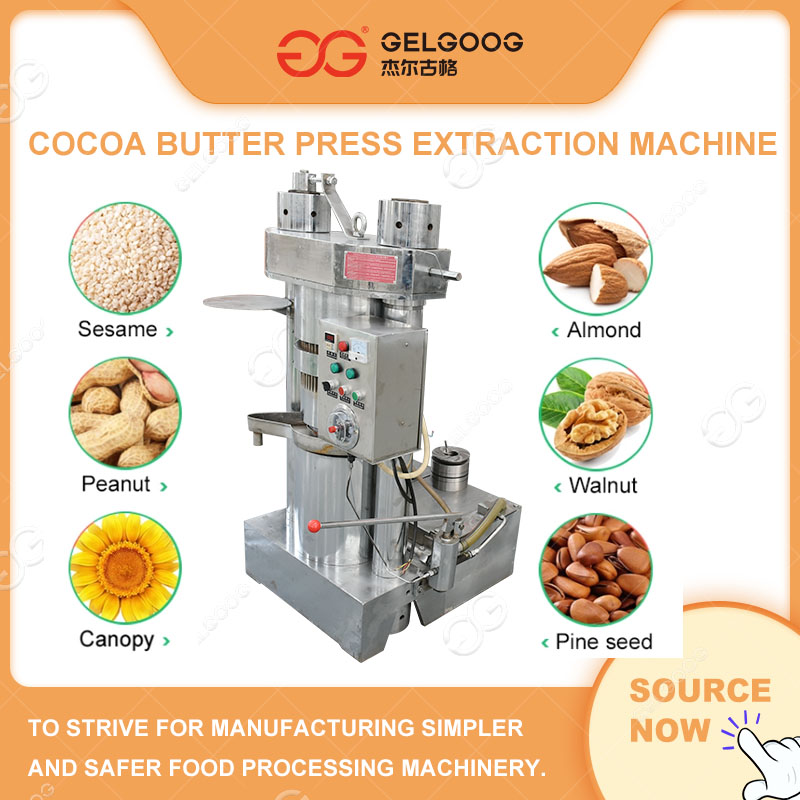
- Test the hydraulic pressure stability on cocoa butter extraction presses.
- Review CE, UL, or CSA compliance documentation for electrical panels.
Catching a misaligned grinder or a substandard cooling jacket after the machine arrives at your facility results in costly downtime. Professional quality control during assembly and prior to crating ensures the equipment meets your exact operational parameters.
Pricing, MOQs, and Production Lead Times
Industrial cocoa processing equipment is typically built to order, with pricing heavily influenced by production capacity (measured in kg/h), automation levels, and the origin of internal electrical components.
Because these machines are heavy and bulky, freight strategy is a major cost driver. Full lines often require multiple Flat Rack or High Cube containers. Coordinating shipping and freight early in the procurement cycle ensures that factory crating matches the necessary dimensions and weight distribution for safe international transit.
Planning a custom cocoa processing line? We manage the entire process from factory negotiation to final delivery.
Get a free consultationFrequently Asked Questions
Sourcing cocoa processing machines requires detailed technical oversight to ensure the equipment can withstand the rigors of high-fat, high-friction production. By defining exact specifications and enforcing strict quality control at the factory level, importers can secure high-performance machinery that delivers consistent yields and long-term reliability.
Get Sourcing Help for Cocoa Processing Machines
Tell us your requirements and our experts will connect you with verified manufacturers.