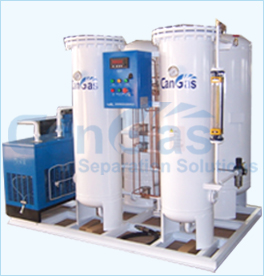
Chemical Machinery
Source industrial-grade chemical machinery from vetted manufacturers and suppliers. Designed for procurement managers, engineering firms, and distributors importing processing equipment in bulk, this catalog connects you with factories capable of producing reliable, compliant machinery for demanding chemical applications.
Sourcing chemical machinery—whether reactors, high-shear mixers, centrifuges, or heat exchangers—requires rigorous attention to metallurgy, pressure ratings, and safety certifications. Unlike standard industrial equipment, chemical processing units operate under extreme conditions where material failure or poor welding can result in catastrophic downtime or safety hazards. Successfully importing this equipment relies on partnering with manufacturers who possess advanced fabrication capabilities and verifiable quality management systems.
Specifying Chemical Processing Equipment
The foundation of a successful machinery order is a watertight specification sheet. Factories need precise engineering parameters to quote accurately and avoid substitutions that compromise the equipment's lifespan.
Metallurgy and Anti-Corrosion Linings
The chemical compatibility of the wetted parts is the primary cost driver. While standard carbon steel or 304 stainless steel (SS304) is sufficient for neutral or mildly aggressive environments, highly corrosive processes demand superior alloys or specialized linings. When evaluating suppliers, verify their capability to source and properly weld high-grade materials.
| Material Grade | Typical Application | Cost Profile |
|---|---|---|
| SS304 / SS316L | General chemical processing, food-grade, mild acids | Baseline standard |
| Titanium Alloys | High chloride environments, strong oxidizing acids | Premium |
| Hastelloy (C-276) | Severe corrosives, mixed acids, high temperatures | Very High |
| PTFE / PFA Lined | Extreme chemical resistance at lower pressures | Moderate to High |
Motor and Electrical Specifications
Chemical plants frequently operate in hazardous environments requiring explosion-proof (Ex-proof) electrical components. Ensure you specify the required ATEX or IECEx ratings for all motors, control panels, and sensors. Many buyers prefer to specify internationally recognized brands (like Siemens, ABB, or SEW-Eurodrive) for motors and gearboxes to ensure global warranty coverage and reliability, even if the primary fabrication occurs in Asia.
Need help matching equipment specifications to qualified manufacturers? Let our engineers review your requirements.
Talk to our teamQuality Control and Factory Acceptance Testing (FAT)
The critical vulnerabilities in chemical machinery fabrication are weld integrity and material authenticity. Substandard welding on a pressure vessel or the accidental substitution of SS304 for SS316L can ruin a batch or cause equipment failure.
Implementing robust Quality Control & Inspection protocols during fabrication is non-negotiable. Do not rely solely on the factory's internal QA reports.
Critical Inspection Points Before Shipment
- Positive Material Identification (PMI): Verify alloy composition of all wetted parts.
- Non-Destructive Testing (NDT): X-ray (RT) or Ultrasonic (UT) testing on critical pressure-bearing welds.
- Hydrostatic Testing: Pressure testing vessels at 1.25 to 1.5 times the design pressure.
- Dynamic Balancing: Essential for high-speed rotating equipment like centrifuges and agitators.
- Surface Finish Verification: Measuring Ra values for sanitary or high-viscosity applications.
Certifications and Regulatory Compliance
Chemical machinery is heavily regulated. If you are importing pressure vessels into the United States, ASME U-stamp certification is typically required. For the European Union, the Pressure Equipment Directive (PED) and CE marking are mandatory.
Not all factories hold these certifications, and those that do charge a premium. When vetting suppliers, verify their certificates directly with the issuing bodies. If your target market requires specific regulatory adherence, integrating Compliance & Testing into your sourcing strategy early prevents customs seizures and installation delays.
Pricing Dynamics, MOQs, and Lead Times
Chemical machinery is rarely an off-the-shelf purchase. Most units are built to order based on specific capacity and process requirements, which heavily influences production timelines and payment structures.
Because these are high-value, custom-engineered assets, conducting thorough Factory Audits before placing a deposit is highly recommended. You must confirm the supplier actually owns the fabrication equipment (like heavy plate rollers and CNC plasma cutters) and isn't subcontracting the critical pressure-vessel work to unverified third parties.
Minimize your risk when purchasing high-value industrial equipment. Speak with our experts about supplier vetting and project management.
Get a free consultationFrequently Asked Questions
Procuring chemical machinery is a complex engineering and supply chain challenge. Success depends on rigorous specification, aggressive quality oversight during fabrication, and seamless logistics. By prioritizing verified fabrication capabilities over the lowest initial quote, buyers can secure reliable, high-performance equipment that delivers long-term operational stability.
Get Sourcing Help for Chemical Machinery
Tell us your requirements and our experts will connect you with verified manufacturers.