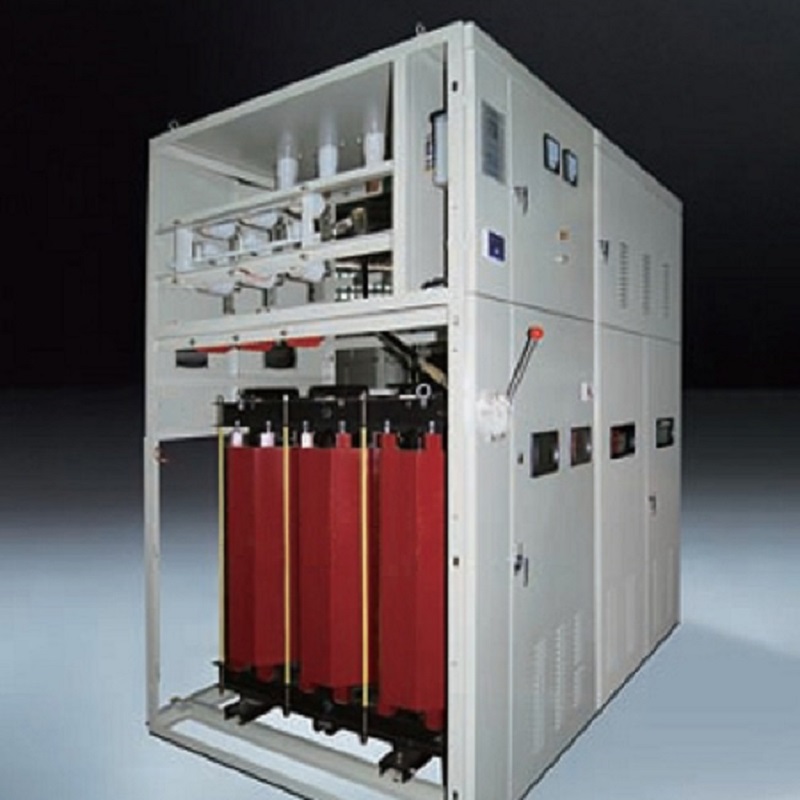
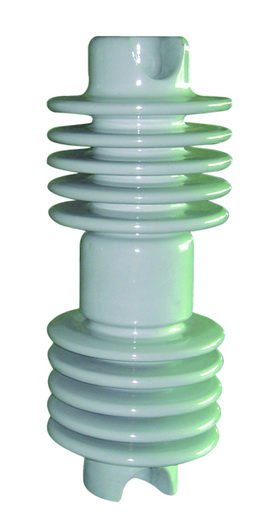
Capacitors & Reactors
Source medium and high voltage capacitors and reactors directly from vetted manufacturers and suppliers. Built for electrical equipment distributors, power infrastructure importers, and brands seeking reliable OEM production in bulk. Secure competitive wholesale pricing and strict quality compliance for your next project.
Medium and high voltage capacitors and reactors are the backbone of power factor correction, harmonic filtering, and grid stabilization. When sourcing these components in volume, the primary challenge is balancing long-term dielectric stability and thermal management with competitive unit costs. A poorly manufactured reactor or a capacitor with microscopic dielectric flaws can lead to catastrophic failure, severe network harmonics, or costly downtime.
To procure these components successfully, buyers must look beyond the spec sheet and scrutinize the manufacturer's winding environment, impregnation processes, and testing capabilities.
Defining Critical Specifications
When approaching manufacturers for bulk orders or custom OEM production, precision in your technical requirements prevents costly rework and ensures accurate quoting.
Key Parameters to Specify
- Rated Voltage & Reactive Power: Specify continuous operating voltage (kV) and output (kVAr), factoring in overvoltage tolerances.
- Tuning Factor (Reactors): For detuned applications, clearly define the tuning frequency (e.g., 7% or 189 Hz in a 50Hz network) to match the capacitor bank.
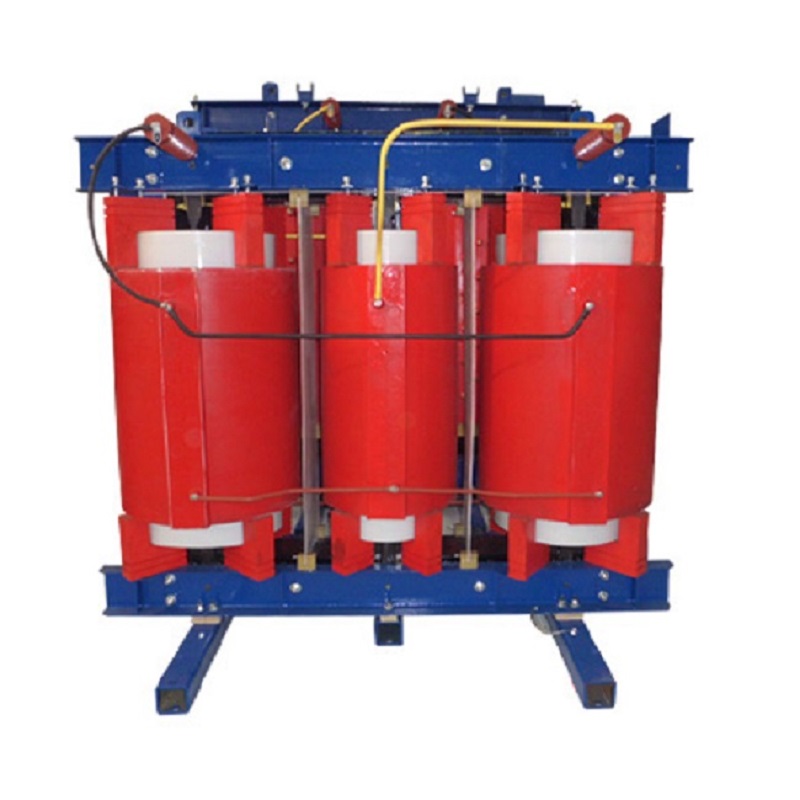
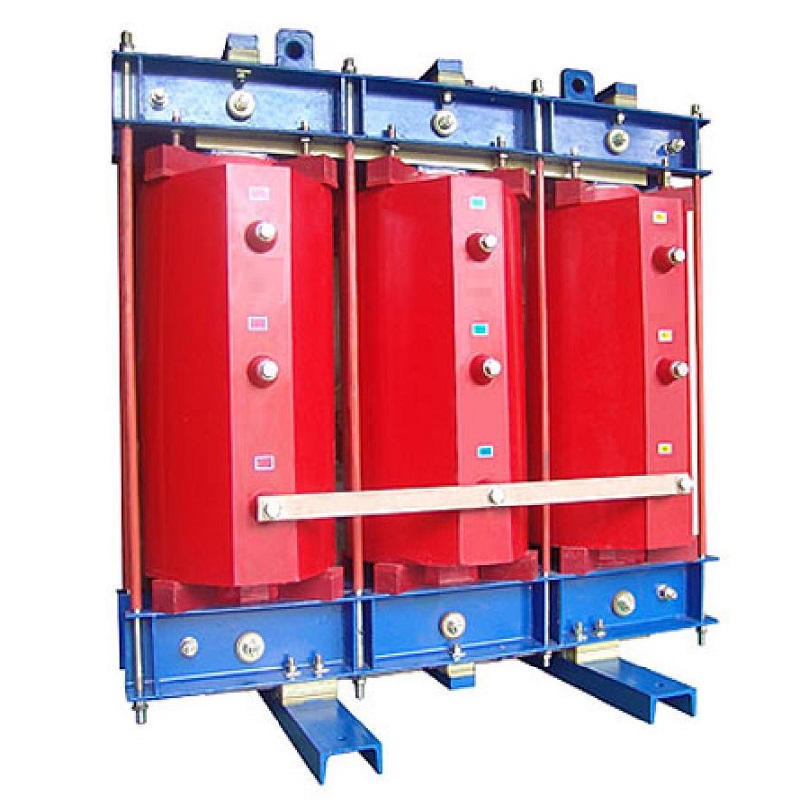
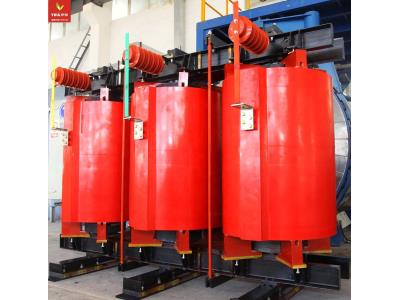
- Dielectric & Insulation: Specify the required dielectric fluid (must be PCB-free, typically synthetic biodegradable oil) or dry-type resin requirements.
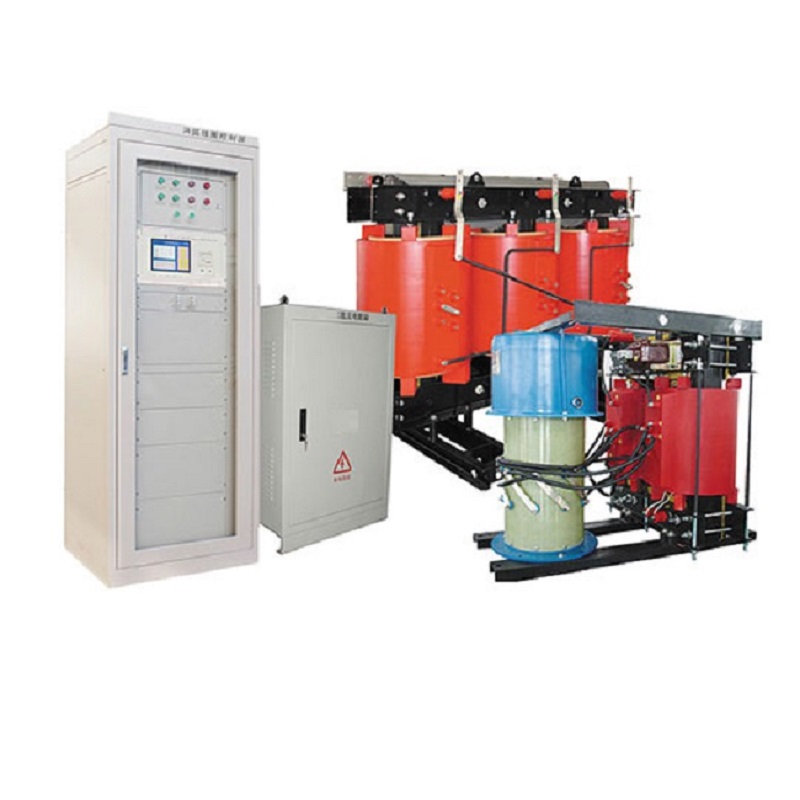
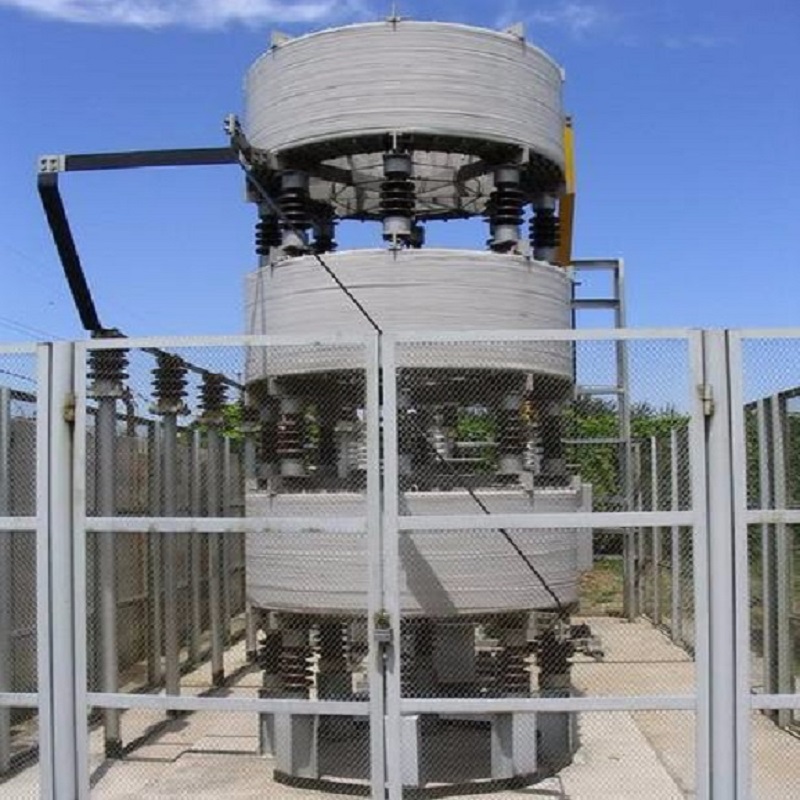
- Core Construction: State whether reactors should be air-core (for outdoor, high-current applications) or iron-core (for compact, indoor enclosures).
- Discharge Resistors: Specify the required discharge time to safe voltage levels (e.g., under 50V within 5 minutes) to meet local safety codes.
Need help matching your specifications with a capable manufacturer? Our engineering sourcing team can bridge the gap.
Discuss your technical requirementsManufacturing Processes and Quality Control
The reliability of a capacitor or reactor is won or lost on the factory floor. Two distinct manufacturing processes require your attention: the winding environment and the impregnation phase.
For capacitors, the polypropylene film and aluminum foil must be wound in heavily controlled, dust-free environments. Even a single microscopic particulate trapped in the winding can cause a localized stress point, leading to premature dielectric breakdown.
For iron-core reactors, the Vacuum Pressure Impregnation (VPI) process is non-negotiable. VPI ensures that the insulating varnish penetrates deep into the core and windings, which prevents moisture ingress and eliminates the mechanical vibration (magnetostriction) that causes excessive humming and long-term mechanical failure. Verifying that a factory actually maintains these controlled environments and utilizes proper VPI equipment is a core focus of our factory audits.
The Partial Discharge Risk
Do not accept routine test reports that omit partial discharge (PD) measurements. High PD levels indicate internal voids in the insulation that will rapidly degrade under high voltage. Ensure PD testing is mandated in your purchase agreement.
Essential Testing and Compliance
International standards dictate rigorous testing protocols. Capacitors should be tested according to IEC 60871, while reactors must meet IEC 60076-6. Because factory-provided test reports can sometimes be unreliable, implementing independent pre-shipment quality control is vital. Inspectors should verify routine tests including lightning impulse withstand, thermal stability, and precise inductance linearity under load. If your target market requires specific certifications (like UL or CE), coordinating proper compliance testing early in the sourcing phase is essential.
Sourcing Economics: Lead Times and MOQs
The pricing and availability of MV/HV capacitors and reactors are heavily tied to the global commodities market, specifically electrical steel, copper, aluminum, and specialized polypropylene film.
Because these are often heavy, bulky items, logistics planning must happen concurrently with production. Ocean freight consolidation and proper crating (to prevent core shifting during transit) are critical cost factors to calculate into your landed price.
Streamline your procurement process and secure reliable bulk pricing from vetted Asian manufacturers.
Get a sourcing assessmentFrequently Asked Questions
Sourcing high-voltage components requires a rigorous approach to technical validation and factory vetting. By focusing on manufacturing environments, VPI processes, and strict adherence to IEC testing standards, buyers can secure highly reliable capacitors and reactors at competitive wholesale price points.
Get Sourcing Help for Capacitors & Reactors
Tell us your requirements and our experts will connect you with verified manufacturers.