Cable Glands
Source premium cable glands from vetted suppliers and manufacturers in Asia. Designed for electrical distributors, wholesalers, and brands seeking reliable OEM production, our network delivers bulk wiring accessories built to rigorous international standards for industrial and commercial applications.
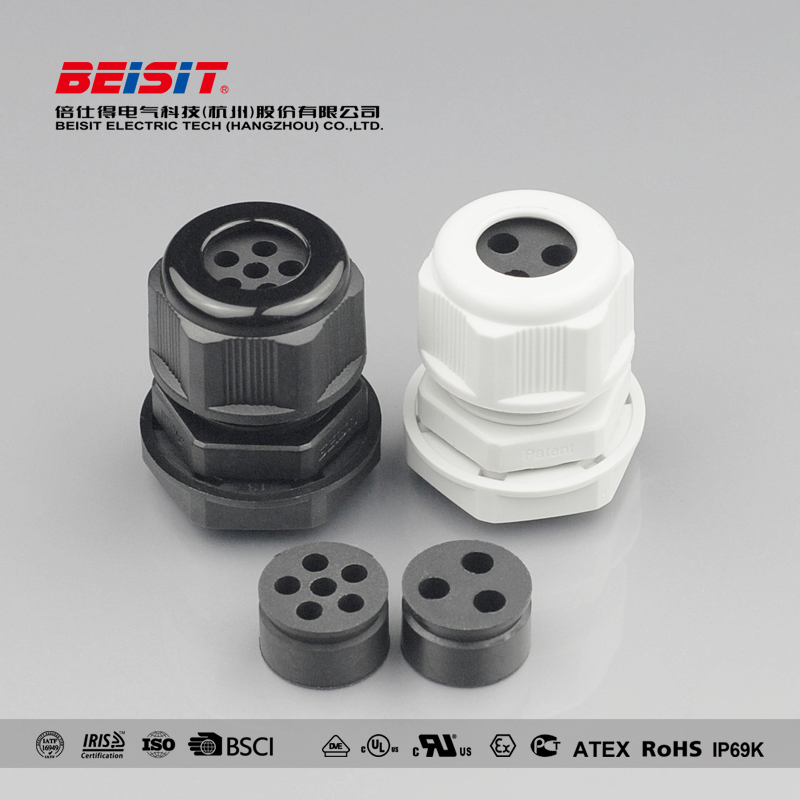
Sourcing cable glands at scale requires balancing unit cost with zero-fail reliability. As the critical barrier between an electrical enclosure and the outside environment, a substandard gland compromises the entire system, leading to water ingress, cable fatigue, or compliance failures. For bulk buyers and OEM brands, the challenge lies in navigating factory specializations—ensuring the manufacturer you select actually controls their tooling tolerances and uses virgin polymers or high-grade alloys, rather than cutting corners on the sealing inserts.
Specifying Cable Glands for High-Volume Orders
When negotiating with manufacturers, vague specifications lead to inconsistent batches. You must define the thread standard, material grade, and ingress protection (IP) requirements upfront. Chinese manufacturers typically produce to Metric (M) and PG standards by default, while NPT (National Pipe Thread) often requires specific tooling or export-focused suppliers.
| Material | Common Grades | Best For | Cost Profile |
|---|---|---|---|
| Nylon (Polyamide) | Nylon 66 (UL94V-2 or V-0) | Standard commercial, indoor/outdoor, light industrial | Low |
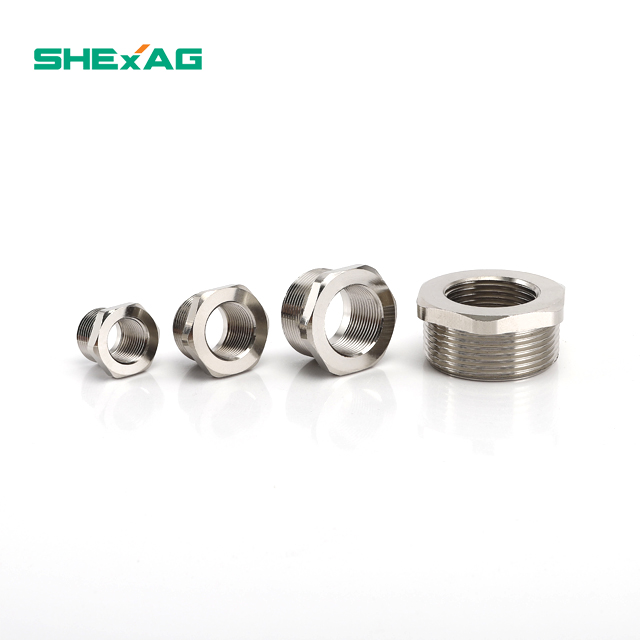
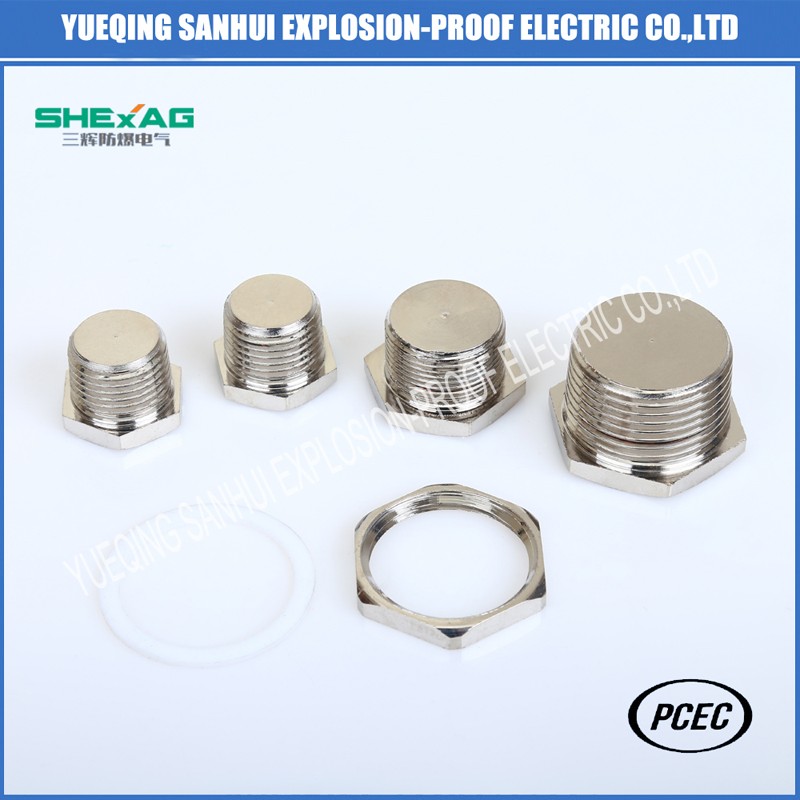
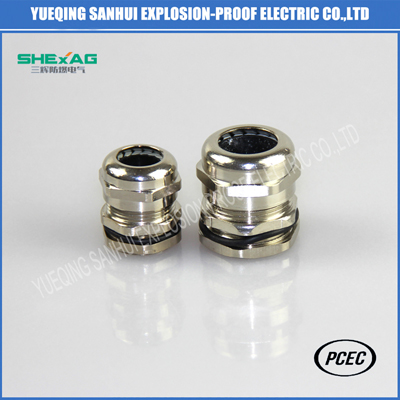
| Nickel-Plated Brass | CuZn39Pb3 | Heavy industrial, machinery, EMC shielding | Medium |
| Stainless Steel | SS304, SS316L | Marine, chemical plants, food processing | High |
Thread Standards and Tolerances
Thread stripping during installation is a common defect stemming from worn factory molds or poor CNC calibration. Ensure your supplier adheres to strict dimensional tolerances for:
- Metric (EN 62444): The current global standard. Ensure pitch sizes (e.g., M20x1.5) are strictly verified.
- PG (Panzergewinde): Still heavily requested for legacy European equipment and aftermarket replacements.
- NPT: Tapered threads requiring precise machining to ensure a proper seal without over-torquing.
Struggling with inconsistent thread tolerances or material quality from your current supplier? Let us match you with a vetted manufacturer capable of meeting strict international standards.
Talk to our teamManufacturing Processes and Quality Control
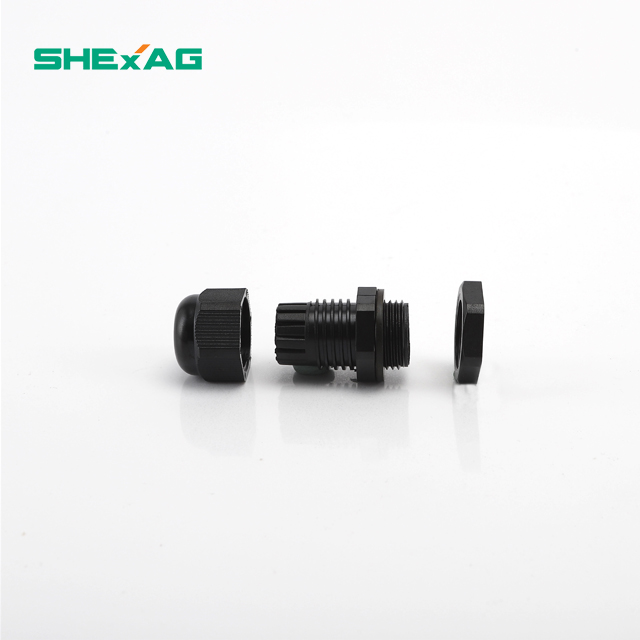
The reliability of a cable gland is determined by the quality of its sealing ring and the precision of its claw/insert. Factories producing low-cost nylon glands often use regrind (recycled) plastic, which becomes brittle under UV exposure or temperature fluctuations.
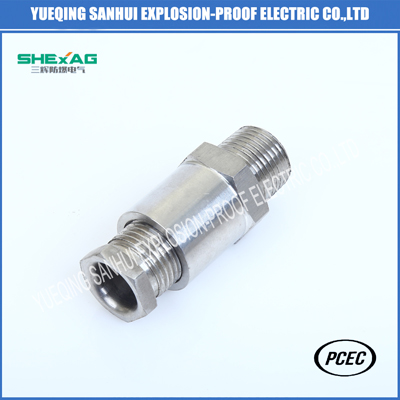
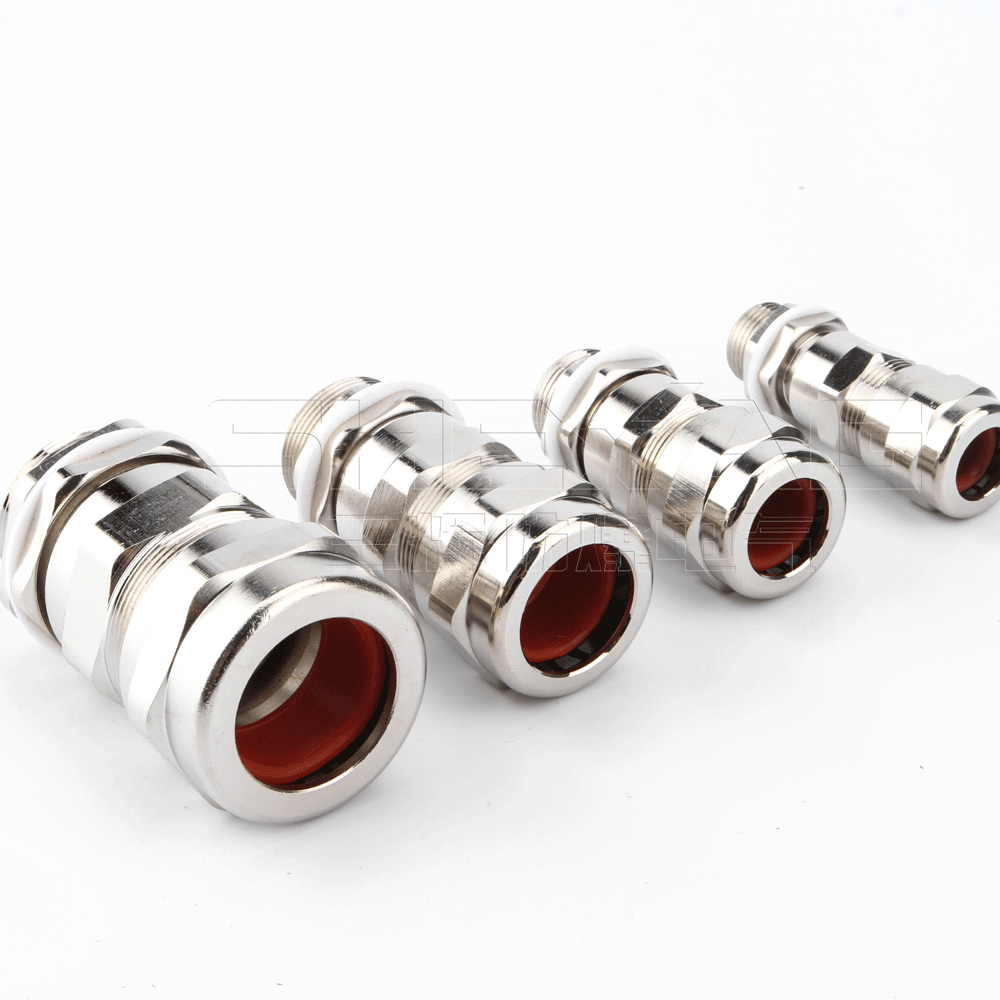
For metal glands, the machining process is critical. Subpar nickel plating on brass will flake, while poor CNC machining leaves burrs that can damage the cable jacket during installation. Validating a supplier's production capabilities through rigorous Factory Audits is essential before placing high-volume orders.
The Sealing Insert Vulnerability
The claw and sealing nut are useless if the internal rubber seal degrades. Specify EPDM for standard weather resistance, NBR for oil resistance, or Silicone for extreme temperature environments. Cheap TPE substitutes will shrink over time, destroying the IP rating.
Pre-Shipment Inspection Focus Areas
When implementing Quality Control & Inspection for cable glands, inspectors should focus on:
Critical Factory-Level Checks
- Thread Go/No-Go gauge testing for dimensional accuracy
- Torque testing to ensure the clamping nut does not crack under specified pressure
- Material verification (flammability testing for UL94V-0 nylon)
- Plating thickness verification for brass glands (salt spray testing)
- Visual inspection for flash on plastic molds or burrs on metal threads
Wholesale Pricing, MOQs, and Lead Times
Cable gland manufacturing is highly automated, meaning economies of scale heavily influence pricing. However, minimum order quantities (MOQs) vary significantly based on material and customization.
- Standard Nylon Glands: MOQs typically range from 3,000 to 5,000 pieces per size/color. Unit costs are usually in the low cents, highly dependent on resin commodity prices.
- Brass and Stainless Steel: MOQs are generally lower, around 500 to 1,000 pieces, due to the higher unit value and CNC production methods.
- Lead Times: Standard sizes from existing tooling usually take 15 to 25 days. If you require OEM/ODM Services for custom thread lengths, specialized strain reliefs, or custom colors, expect an additional 20 to 30 days for mold creation and sampling.
Need competitive pricing for bulk orders or custom tooling for a proprietary enclosure? We negotiate directly with top-tier manufacturers to secure better terms and guaranteed quality.
Get a free consultationFrequently Asked Questions
Procuring cable glands in bulk is an exercise in risk management. A fraction of a cent saved on a cheaper nylon polymer can result in catastrophic field failures for the end-user. By partnering with manufacturers who maintain strict tooling tolerances and transparent material sourcing, you protect both your product's integrity and your brand's reputation. If you need assistance navigating factory selection and securing reliable supply lines, our sourcing team is ready to help.
Get Sourcing Help for Cable Glands
Tell us your requirements and our experts will connect you with verified manufacturers.