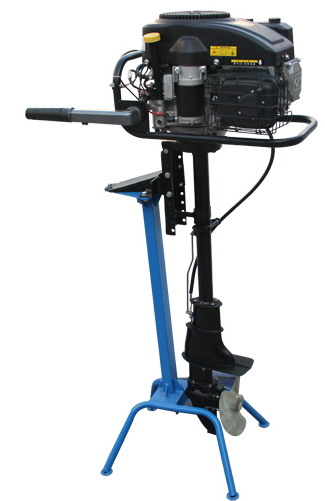
Boat Engines
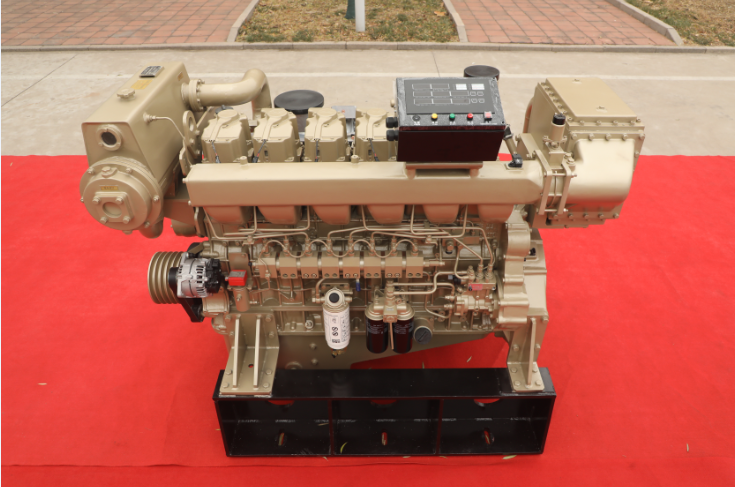
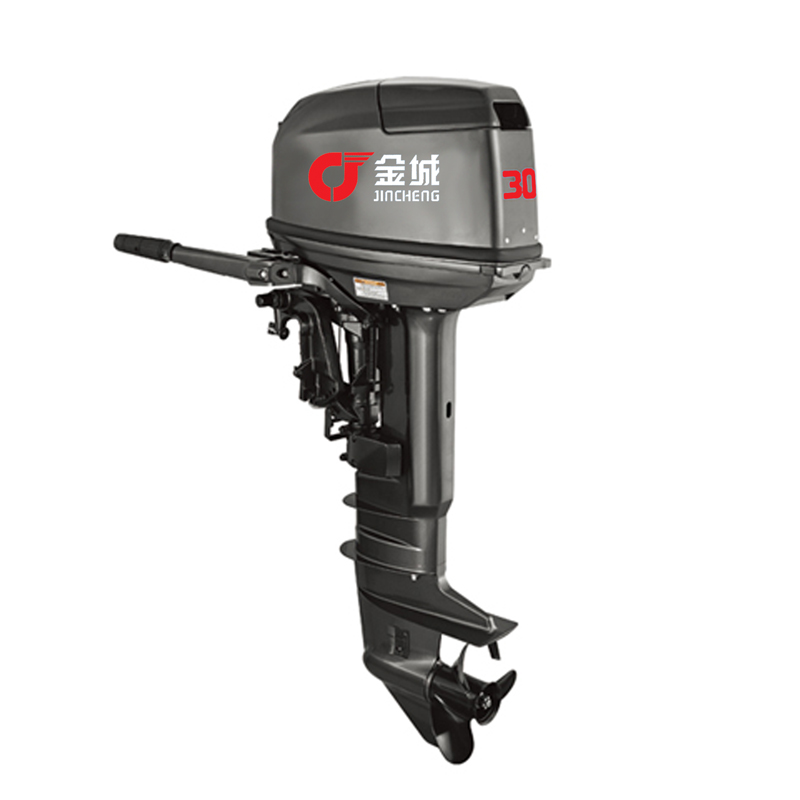
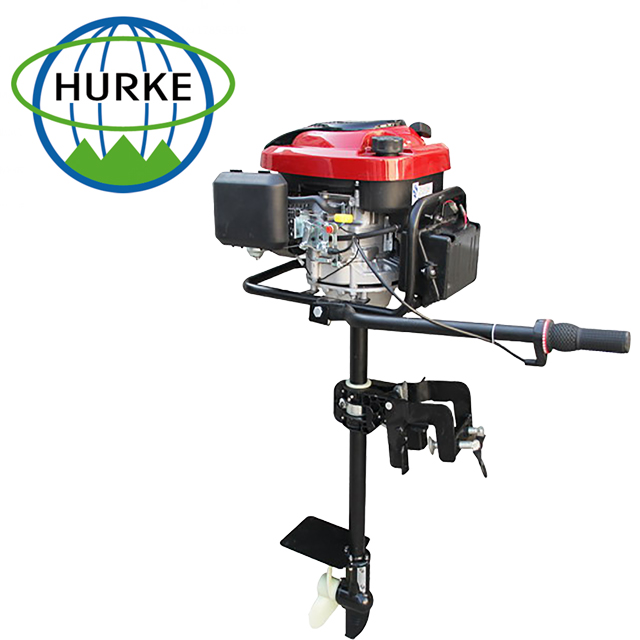
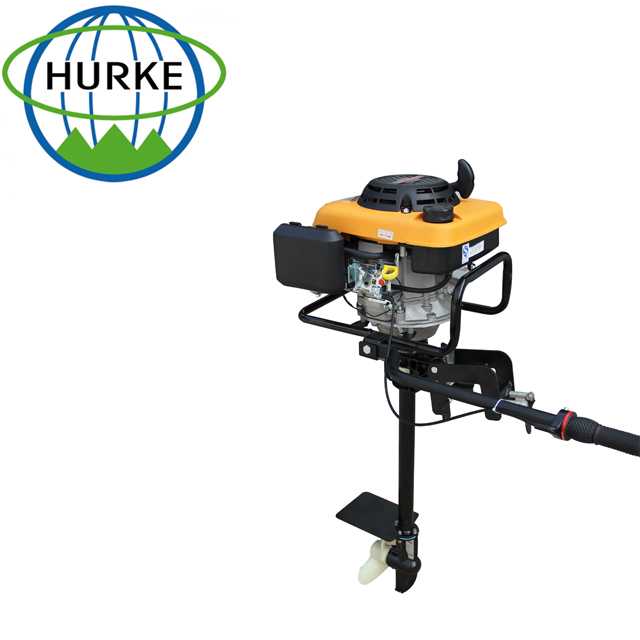
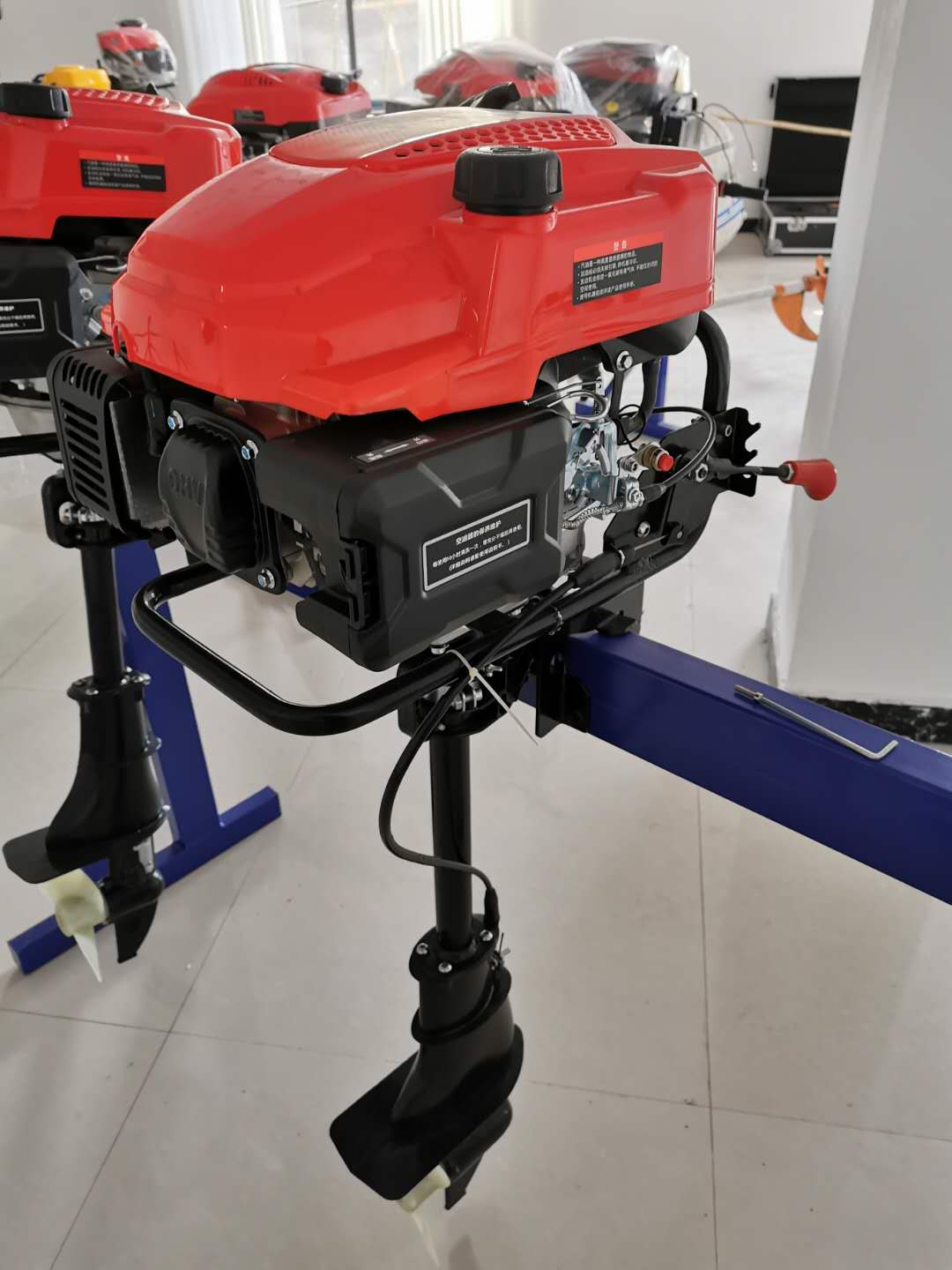
Source wholesale boat engines from vetted manufacturers and suppliers built for demanding marine environments. This category is designed for marine equipment distributors, importers, and brands looking for reliable bulk purchasing or custom OEM production. Partner with factories capable of delivering consistent performance and compliance at scale.
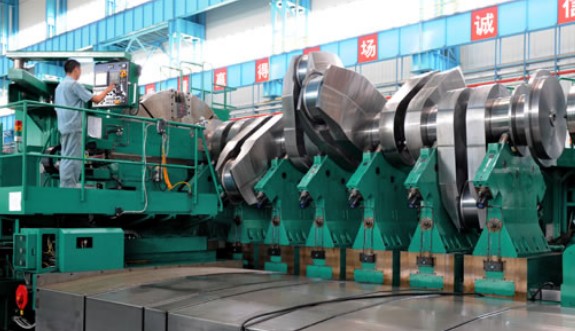
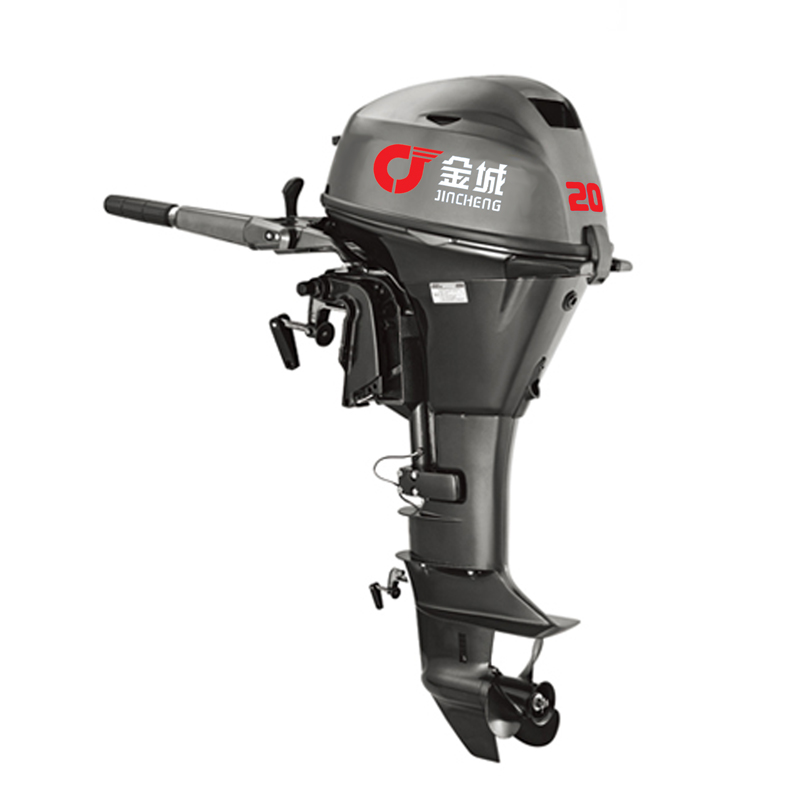
Sourcing marine propulsion systems requires navigating strict environmental regulations, complex metallurgy, and high product liability risks. Whether you are importing low-horsepower gasoline outboards for recreational tenders or developing a proprietary line of high-torque electric marine motors, the factory's engineering maturity directly dictates the product's lifespan in harsh saltwater conditions. Success in this category means looking past top-line horsepower claims and auditing the manufacturer's raw material sourcing, anti-corrosion processes, and testing infrastructure.
Core Specifications and Manufacturing Realities
When evaluating a manufacturer's capability, the distinction between a reliable marine engine and one prone to early failure usually lies in the metallurgy and finishing processes. Marine environments aggressively attack inferior materials.
You must verify the specific aluminum alloys used in the engine block and lower unit. High-silicon alloys like A356 or ADC12 are standard for marine applications due to their corrosion resistance and strength. Furthermore, the factory's surface treatment process is critical. A proper marine-grade finish involves chromate conversion coating followed by multi-layer electro-deposition (ED) painting and a durable powder coat or polyurethane topcoat.
| System Component | Standard Manufacturing | Premium Marine Manufacturing |
|---|---|---|
| Lower Unit Casing | Standard die-cast aluminum | High-silicon alloy with chromate conversion |
| Cooling System | Untreated internal water passages | Anodized or ceramic-coated water jackets |
| Sacrificial Anodes | Single zinc anode on lower unit | Multiple strategically placed aluminum/zinc anodes |
| Hardware | Standard stainless (304) | Marine-grade stainless (316) bolts and shafts |
If you are developing a custom propulsion system, leveraging professional OEM/ODM Services ensures that these critical material specifications are locked into your manufacturing agreement and closely monitored during production.
Evaluating a factory's metallurgical capabilities and casting precision requires technical expertise. Let our sourcing engineers identify and vet the right manufacturing partners for your marine engines.
Talk to our teamQuality Control and Compliance Standards
Marine engines are heavily regulated. Depending on your target market, internal combustion engines must meet stringent emissions standards such as EPA (United States) or recreational craft directives for CE marking (Europe). Failing to verify these certifications before shipment can result in customs seizures or forced recalls.
Electric outboards face their own regulatory hurdles, primarily concerning battery safety (UN38.3), electromagnetic compatibility, and IP rating verification (typically IP67 or IP68 for submerged components). Managing these requirements often requires third-party Compliance & Testing to ensure the factory's in-house claims match independent laboratory results.
Critical Pre-Shipment Inspection Points
- Dynamometer testing for verified horsepower and torque output.
- Water tank run-testing to verify cooling system flow and thermostat operation.
- Salt spray testing documentation for painted surfaces and exposed hardware.
- Emissions analyzer reports for EPA/CE compliance on gas engines.
- Dielectric strength and waterproofing tests for electric motor housings.
Implementing rigorous Quality Control & Inspection protocols before the engines are crated is non-negotiable. Catching a badly machined water pump impeller or a faulty CDI unit at the factory costs pennies; catching it after the engine is mounted on a customer's transom costs thousands.
Pricing Drivers, MOQs, and Lead Times
The wholesale cost of boat engines is driven by engine displacement, technology type (2-stroke, 4-stroke, brushless electric), and the quality of internal components (e.g., using Japanese-sourced bearings versus domestic alternatives).
Lead times in the marine industry are highly seasonal. Factories prioritize large OEM orders during the late fall and winter months to prepare for the spring boating season. Importers must forecast accurately; placing orders in early spring often results in severe delays.
Negotiating favorable MOQs and locking in production capacity before the seasonal rush requires leverage. We help buyers secure better terms and manage the entire supply chain.
Get a free consultationFrequently Asked Questions
Sourcing reliable boat engines at scale is an exercise in risk mitigation. The difference between a profitable product line and a logistical nightmare comes down to the factory's engineering discipline and your oversight. Conducting comprehensive Factory Audits prior to placing a deposit is the most effective way to ensure your supplier has the testing infrastructure and quality management systems required to build marine-grade equipment.
Get Sourcing Help for Boat Engines
Tell us your requirements and our experts will connect you with verified manufacturers.