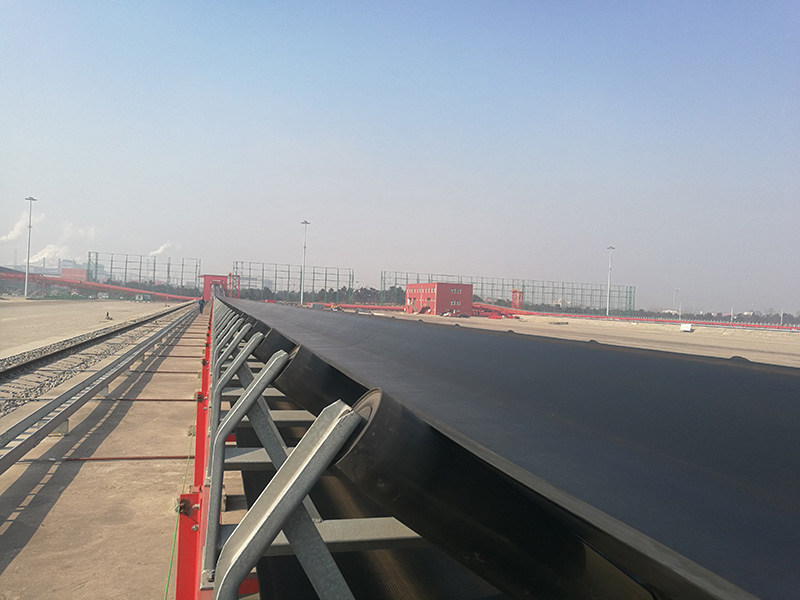
Belt Conveyors
Source industrial-grade Belt Conveyors directly from vetted manufacturers and wholesale suppliers across Asia. Designed for logistics providers, bulk importers, and distributors, our network offers both standard configurations and custom OEM production to meet your precise material handling requirements.
Sourcing belt conveyors in volume requires strictly matching mechanical specifications to the end-user's operational environment. The primary challenge when importing these systems isn't simply finding a factory with fabrication capabilities; it is ensuring the manufacturer integrates reliable drive components, utilizes appropriate belt materials, and maintains strict structural tolerances to prevent premature system failure under continuous load.
Critical Specifications for Custom and OEM Orders
When commissioning production from overseas manufacturers, vague specifications inevitably lead to cost-cutting on internal components. To ensure durability, buyers must clearly define the parameters for the belt, the drive system, and the structural frame.
Key Technical Parameters to Specify
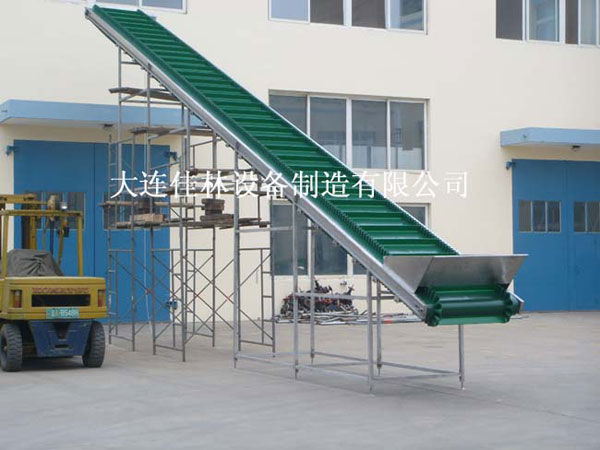
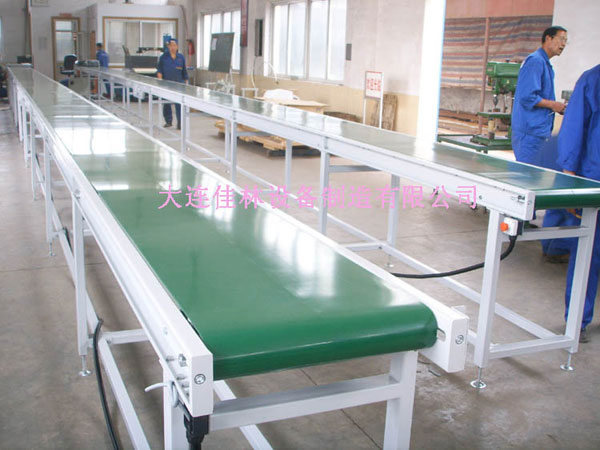
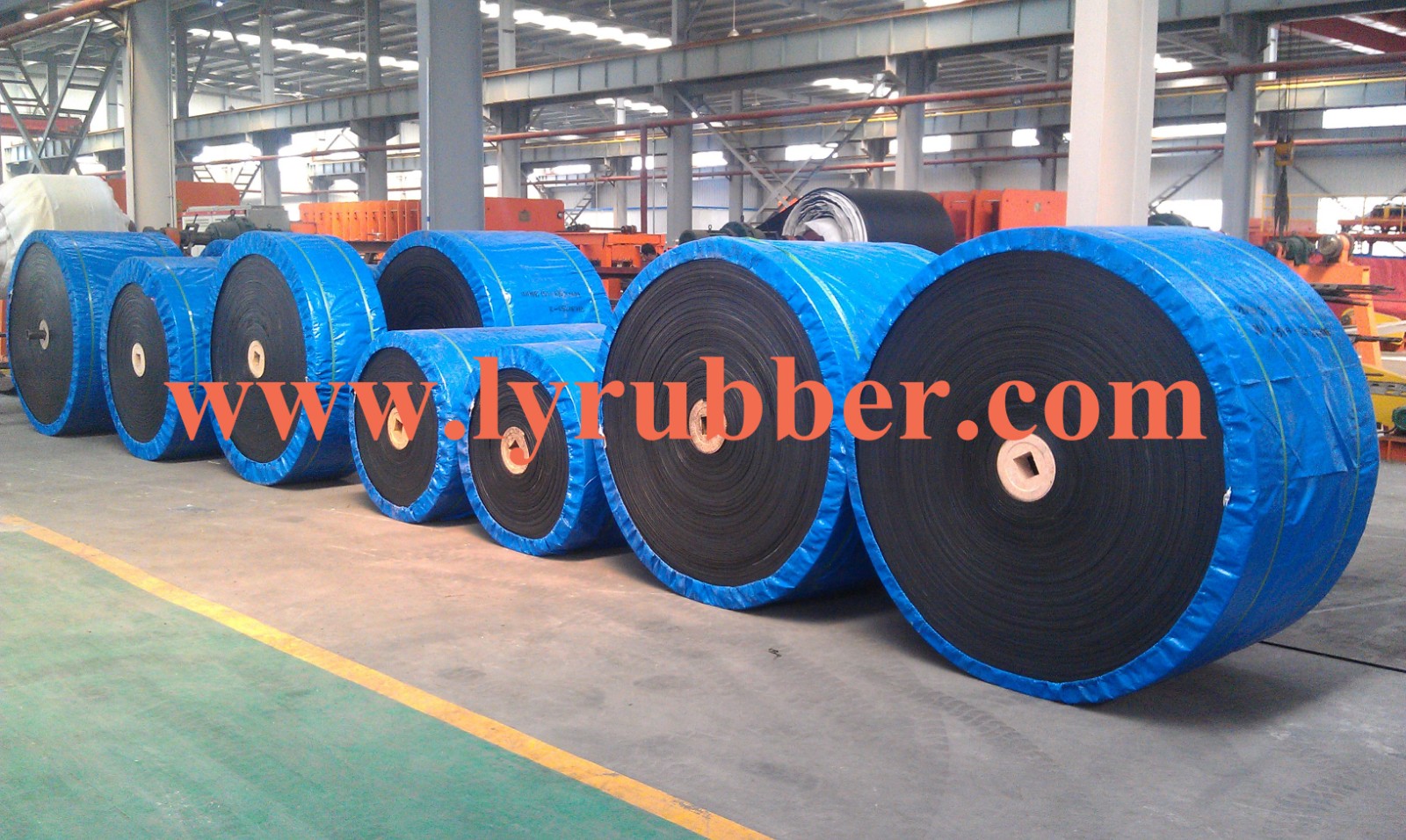
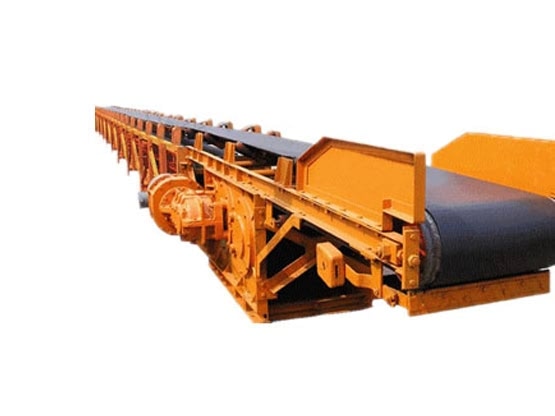
- Belt Material: Specify PVC for general logistics, PU for food-grade (FDA compliant), or EP Rubber for heavy-duty industrial applications.
- Tensile Strength: Define the required N/mm rating based on the maximum load capacity per linear meter.
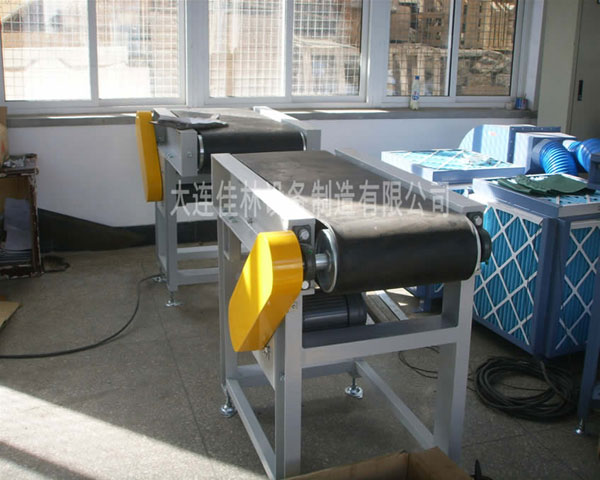
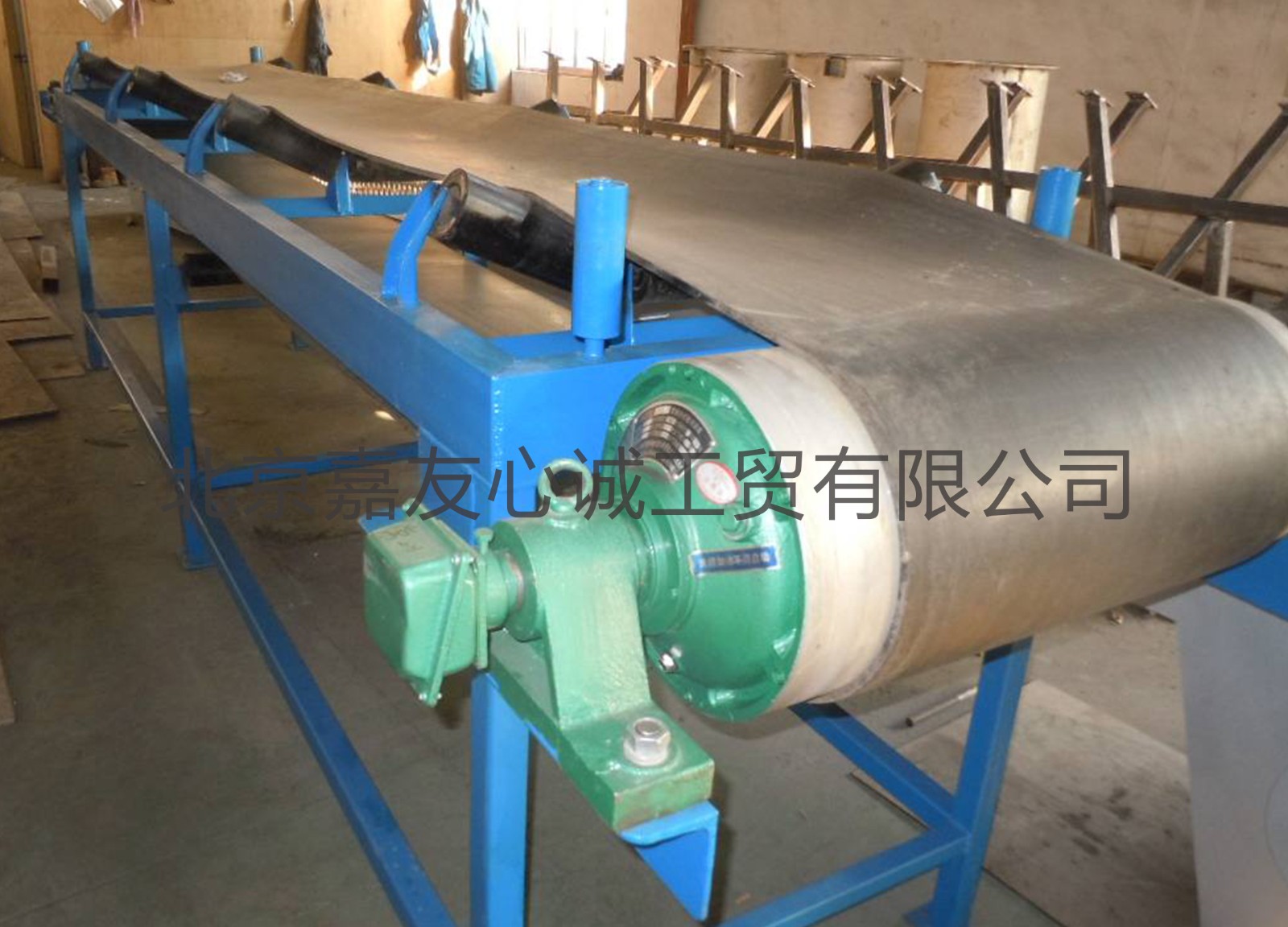
- Drive System: Specify motor power (kW), gearbox reduction ratio, and required IP rating (e.g., IP55 or IP65 for washdown environments).
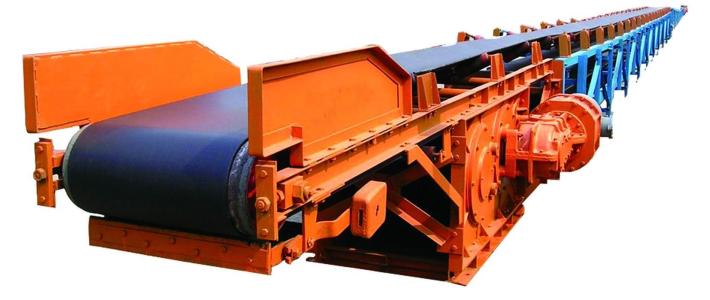
- Roller Specifications: Detail the diameter, wall thickness, and bearing type for both drive and idler rollers.
- Frame Construction: Require specific material grades (e.g., SUS304 for food, powder-coated carbon steel for logistics) and plate thickness.
If you are developing proprietary systems, leveraging professional OEM/ODM Services ensures your specific drive configurations and frame designs are accurately translated into factory production drawings.
Manufacturing Tolerances and Quality Control
The longevity of a belt conveyor is largely determined on the factory floor during fabrication and assembly. Substandard welding on the frame can lead to chassis warping, which in turn causes persistent belt tracking issues that cannot be resolved through routine maintenance.
Belt Splicing Quality
Ensure you specify the splicing method. Mechanical fasteners are cheaper and easier to replace, but vulcanized splicing is mandatory for high-tension or sanitary applications to prevent weak points and contamination traps.
Furthermore, the origin of the motor and gearbox is a common area where unvetted suppliers compromise. While top-tier Chinese factories can source reliable domestic motors, they can also procure counterfeit or low-grade units if not monitored. Conducting thorough Factory Audits before placing large orders is essential to verify the supplier's supply chain and assembly standards.
Need help verifying a manufacturer's technical capabilities or engineering standards? Discuss your sourcing requirements with our experts.
Talk to our teamPrior to container loading, rigorous Quality Control & Inspection should include running the conveyor continuously under a simulated load for several hours to check for motor overheating, unusual bearing noise, and belt alignment stability.
Production Economics: Pricing, MOQs, and Lead Times
Belt conveyors are highly customizable, meaning pricing and production timelines vary significantly based on the scale and complexity of the order. Because these are bulky items, logistics planning must happen concurrently with production.
Because conveyors ship partially or fully assembled, volumetric weight dictates freight costs. Coordinating Shipping & Freight early ensures the factory designs the frame to be modular or easily knocked-down (KD) to maximize container space without compromising structural integrity upon reassembly.
Looking for accurate pricing, container optimization strategies, or reliable manufacturing partners for your next conveyor order?
Get a free consultationFrequently Asked Questions
Sourcing belt conveyors successfully means looking past the surface design to scrutinize the drive mechanics, structural fabrication, and assembly tolerances. By partnering with vetted manufacturers and enforcing strict quality standards, you can secure reliable material handling equipment that performs consistently in demanding industrial environments.
Get Sourcing Help for Belt Conveyors
Tell us your requirements and our experts will connect you with verified manufacturers.