Basic Passenger Car
Source basic passenger cars from vetted manufacturers in China. Designed for importers, fleet managers, and automotive distributors, our bulk and OEM/ODM sourcing covers everything from entry-level ICE vehicles to low-speed electric cars. Secure reliable production, competitive wholesale pricing, and stringent compliance for your market.
Sourcing basic passenger cars in volume requires far more than negotiating a unit price. Whether you are importing entry-level internal combustion engine (ICE) vehicles for emerging markets or low-speed electric vehicles (LSEVs) for urban mobility fleets, the primary challenges lie in regulatory homologation, import tariff optimization, and consistent assembly quality. Success in this category depends on aligning factory capabilities with your target market's strict legal requirements.
Import Formats: CBU, SKD, and CKD
One of the most critical decisions when sourcing vehicles is the state of assembly upon shipment. Import duties on fully assembled cars are often prohibitively high in many countries, making knocked-down formats highly attractive for distributors with local assembly capabilities.
| Format | Definition | Tariff Impact | Local Requirements |
|---|---|---|---|
| CBU (Completely Built Up) | Fully assembled at the origin factory. | Highest import duties. | None. Ready for sale/homologation. |
| SKD (Semi Knocked Down) | Partially assembled (e.g., bare chassis, uninstalled engine). | Moderate import duties. | Basic assembly facility and tools. |
| CKD (Completely Knocked Down) | Delivered entirely in parts. | Lowest import duties. | Full assembly line, welding, and painting. |
Choosing the right format dictates your entire supply chain strategy. While CKD offers the best margins and lowest freight costs per unit, it requires significant capital investment in local infrastructure.
Manufacturing and Quality Control Checkpoints
The longevity and safety of a basic passenger car depend heavily on the manufacturer's chassis fabrication and anti-corrosion processes. Many lower-tier factories cut costs by skipping essential rust-prevention steps, leading to rapid degradation in humid or coastal climates.
When evaluating a manufacturer's production line, pay close attention to the following areas:
Factory Assembly & QC Priorities
- Electrophoresis (E-coating): Ensure the entire chassis undergoes full e-coating, not just basic spray painting, for adequate rust resistance.
- Welding automation: Look for robotic welding on the main frame to guarantee structural consistency and crash-safety baseline compliance.
- Battery integration (for EVs): Verify thermal management systems and secure mounting for LFP or lead-acid battery packs.
- End-of-line testing: Confirm the factory has a dedicated testing track for suspension, braking alignment, and powertrain stress testing.
Catching defects after the vehicles have left the factory is incredibly costly. Implementing rigorous Quality Control & Inspection protocols before the vehicles are loaded into containers is non-negotiable.
Navigating automotive factory capabilities requires deep technical expertise. Let us help you vet suppliers and establish robust pre-shipment inspections.
Talk to our teamHomologation and Regulatory Compliance
A vehicle is useless if it cannot be legally registered in your target country. Manufacturers often claim their vehicles are "certified," but certifications are highly regional.
For the European market, EEC/COC (Certificate of Conformity) approval is mandatory. In the United States, vehicles must meet DOT (Department of Transportation) and EPA (Environmental Protection Agency) standards, while LSEVs must comply with specific FMVSS 500 regulations. Sourcing a vehicle that lacks the correct homologation means it will be seized at customs or restricted to off-road use. Always verify test reports through independent Compliance & Testing services before committing to a production run.
Pricing Drivers, MOQs, and Logistics
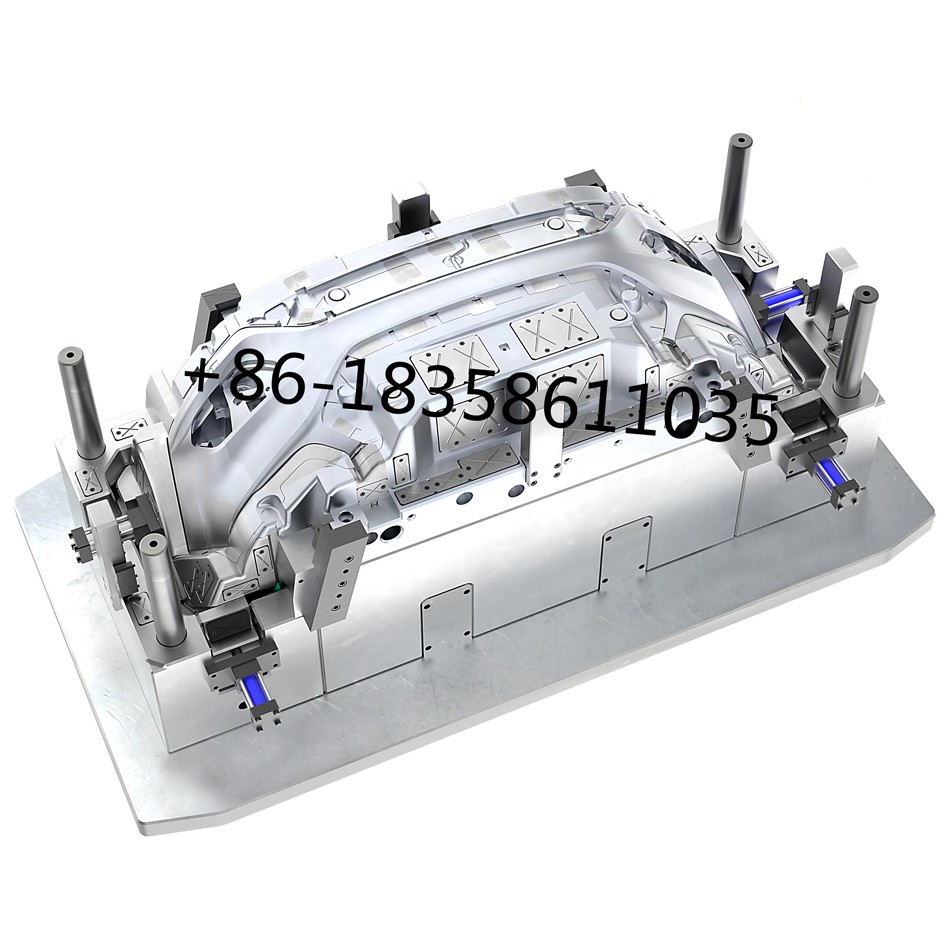
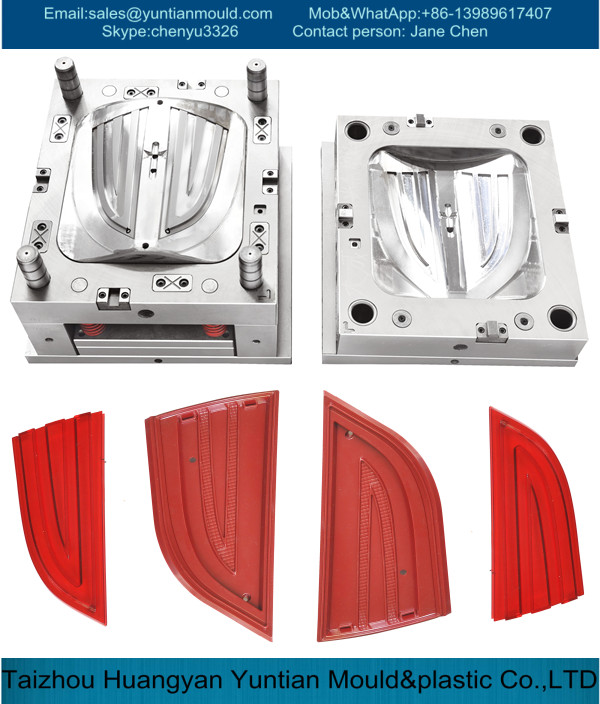
Automotive sourcing operates on different scales depending on the import format and customization level. Tooling costs for custom body panels (OEM/ODM) can be substantial, whereas white-labeling existing factory molds keeps initial investments manageable.
Shipping vehicles requires specialized logistics. While large RoRo (Roll-on/Roll-off) vessels are standard for massive OEM shipments, B2B importers typically utilize standard 40HQ containers. A standard 40HQ can typically hold two to three small passenger cars, or up to four LSEVs, depending on the racking systems used. Optimizing container space is crucial for keeping the landed cost per unit competitive, which is where expert Shipping & Freight coordination becomes a distinct advantage.
Need to optimize your automotive supply chain? We coordinate everything from factory production schedules to container loading and freight forwarding.
Get a free consultationSuccessfully importing basic passenger cars requires a delicate balance between unit cost, import tax strategy, and uncompromising regulatory compliance. By structuring your sourcing correctly—whether through CBU for immediate market entry or CKD for long-term margin growth—you can build a highly profitable automotive supply line.
Get Sourcing Help for Basic Passenger Car
Tell us your requirements and our experts will connect you with verified manufacturers.