Access Control Systems
Source commercial-grade access control systems directly from vetted manufacturers and wholesale suppliers. Designed for security distributors, system integrators, and brands requiring reliable OEM production, our catalog features advanced biometric, RFID, and network-based hardware.
Sourcing access control hardware in volume requires balancing physical durability with seamless software integration. Whether you are importing standalone RFID controllers, multi-door networked panels, or advanced biometric terminals, the primary challenge lies in ensuring consistent component quality, reliable firmware, and compatibility with global communication standards. Securing a reliable supply chain means looking past the outer casing and evaluating the manufacturer's PCBA capabilities, firmware stability, and testing protocols.
Core Hardware Specifications to Define
When negotiating with access control suppliers, generic feature lists are insufficient. Professional integrators and distributors require precise hardware specifications to ensure systems perform reliably under heavy commercial use and integrate smoothly with third-party software.
| Architecture | Standalone Controllers | Networked Panels |
|---|---|---|
| Communication | Wiegand, Local Relay | TCP/IP, OSDP, RS-485 |
| Processing Power | Basic Local MCU | High-speed ARM Cortex |
| Storage Capacity | 1,000 to 5,000 users | 50,000+ users, 100k+ event logs |
| Power Design | 12V DC input | PoE (Power over Ethernet) or 12V/24V DC |
Relays and Power Protection
The physical relay is the most common point of failure in an access control board. Specify high-quality relays (such as Omron or equivalent) rated for millions of switching cycles. Additionally, ensure the board includes optical isolation and surge protection (TVS diodes) on all Wiegand and RS-485 inputs to prevent voltage spikes from electronic strikes or magnetic locks from frying the controller.
Biometric Sensor Quality
If sourcing facial recognition or fingerprint terminals, the sensor's False Acceptance Rate (FAR) and False Rejection Rate (FRR) dictate usability. Specify FAR under 0.0001% and FRR under 1%. For facial recognition, dual-lens cameras with liveness detection (anti-spoofing) are now the baseline requirement for commercial applications.
Ensure your access control hardware meets strict international standards with our on-the-ground factory auditing and negotiation support.
Talk to our teamManufacturing and Quality Control Checkpoints
Access control systems are zero-tolerance security devices; a single board failure can compromise a building's security or lock personnel out. Quality is won or lost during the Surface Mount Technology (SMT) assembly and subsequent environmental testing.
To prevent high defect rates, professional buyers rely on strict Quality Control & Inspection protocols before shipment.
Critical Factory-Floor QC Checks
- SMT Precision: Automated Optical Inspection (AOI) for solder joint integrity on the MCU and communication chips.
- Aging Tests: 48 to 72-hour burn-in testing under load at elevated temperatures (often 50°C to 60°C) to catch early component failure.
- Relay Load Testing: Simulating high-current lock strikes to verify relay durability and isolation circuit performance.
- Ingress Protection: Water and dust chamber testing for outdoor keypads and readers claiming IP65 or IP67 ratings.
OEM/ODM Customization and Firmware Integration
Many security brands and software developers source hardware to pair with their proprietary access control management software. This requires partnering with factories that offer robust OEM/ODM Services.
Customization typically falls into three tiers:
- White-labeling: Custom logo printing on readers and panels, tailored packaging, and basic UI color changes on biometric terminals.
- Firmware Modification: Adjusting the default communication protocols, pushing custom encryption keys, or modifying the local web interface.
- SDK/API Integration: The factory provides a robust Software Development Kit (SDK) or REST API, allowing your development team to pull event logs and push user credentials directly from your cloud software. Always request and test the SDK documentation before committing to a supplier.
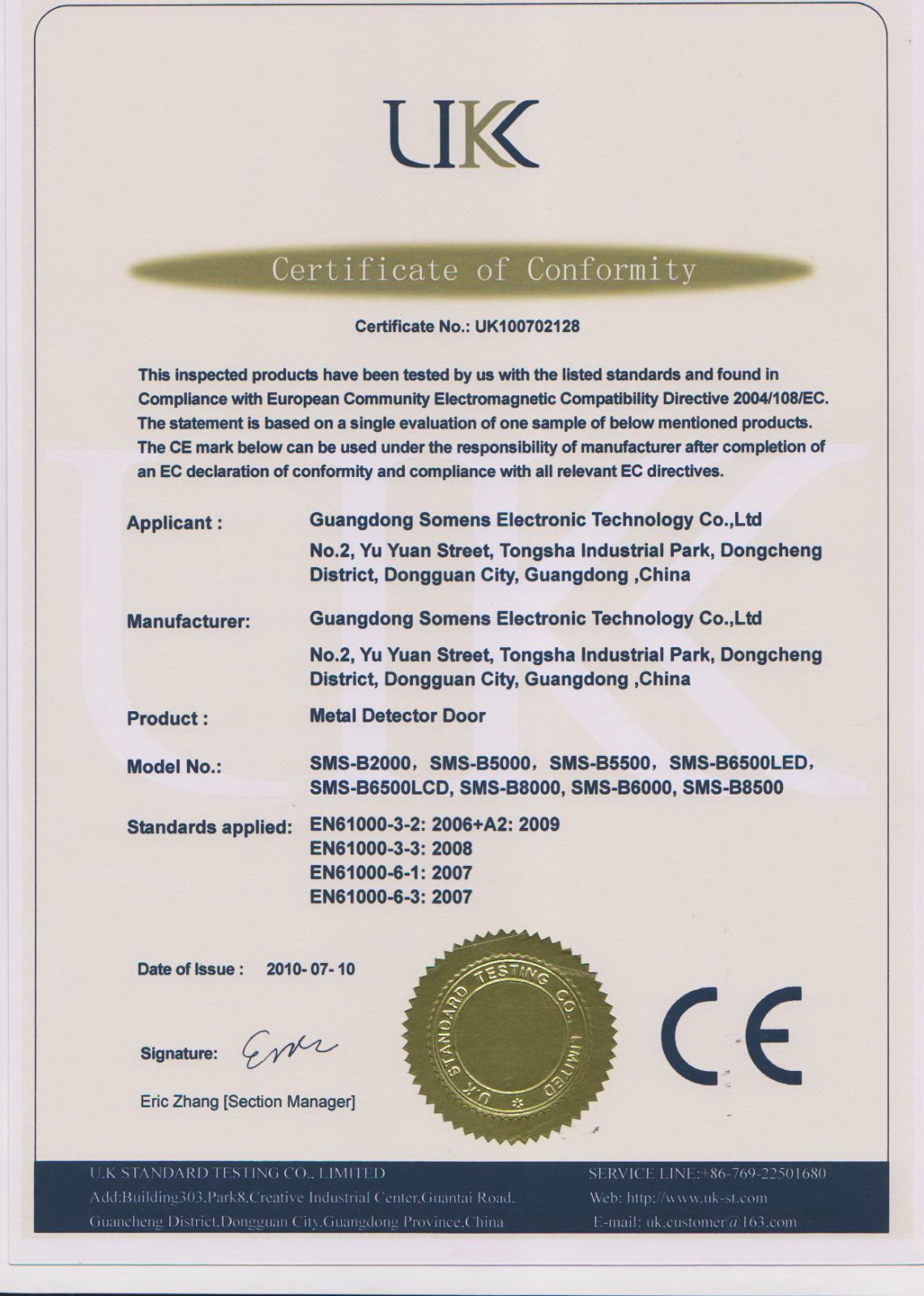
Furthermore, if you are importing into heavily regulated markets, hardware must undergo proper Compliance & Testing. Certifications like CE, FCC, RoHS, and UL 294 (Standard for Access Control System Units) are mandatory for commercial installation in many regions.
Pricing, MOQs, and Production Lead Times
Access control hardware pricing is driven by the processing architecture, biometric capabilities, and the scale of the order. Networked multi-door panels command higher prices than standalone keypads, but offer significantly higher margins for distributors.
Note: Component shortages in the semiconductor market can occasionally extend lead times for high-end ARM processors used in advanced biometric terminals. Forecasting your inventory 3 to 6 months out is highly recommended.
Need to lock in volume pricing and reliable lead times? Let us manage your security hardware supply chain from factory floor to final delivery.
Get a free consultationFrequently Asked Questions
In the access control sector, hardware durability is only half the battle; firmware stability and protocol compliance ultimately dictate your market success. By strictly defining your technical requirements and auditing factory assembly processes, you can secure high-margin security hardware that performs flawlessly in the field. If you need assistance vetting suppliers or managing quality control, our team is ready to help streamline your procurement.
Get Sourcing Help for Access Control Systems
Tell us your requirements and our experts will connect you with verified manufacturers.