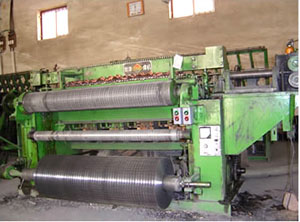
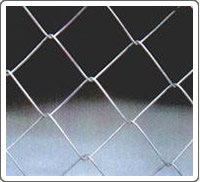
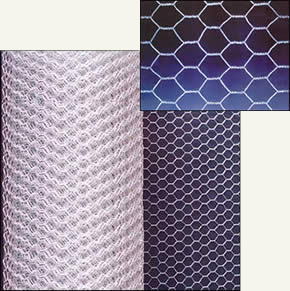
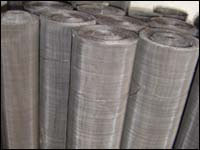
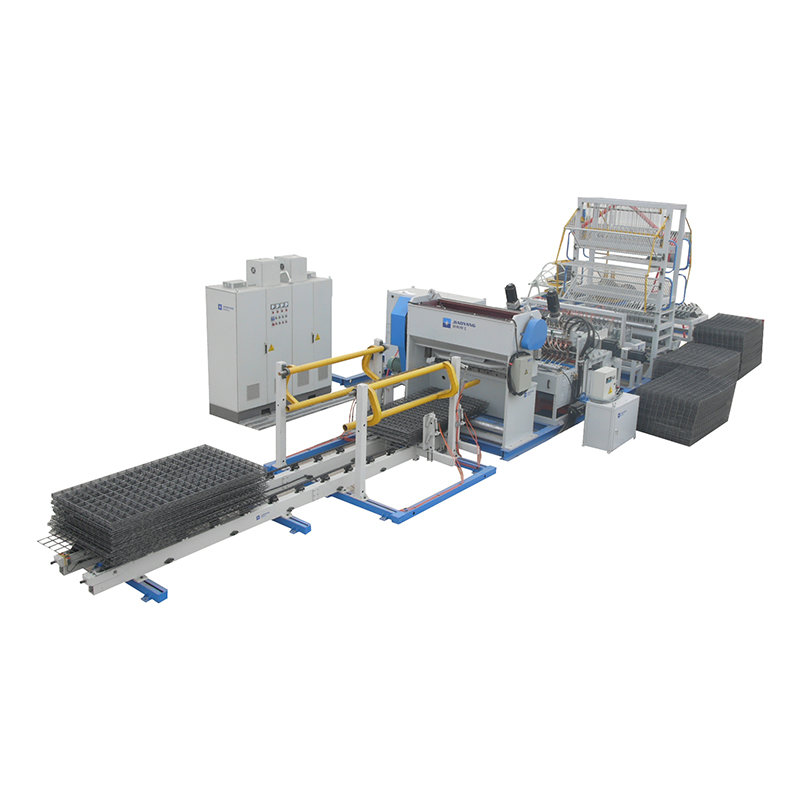
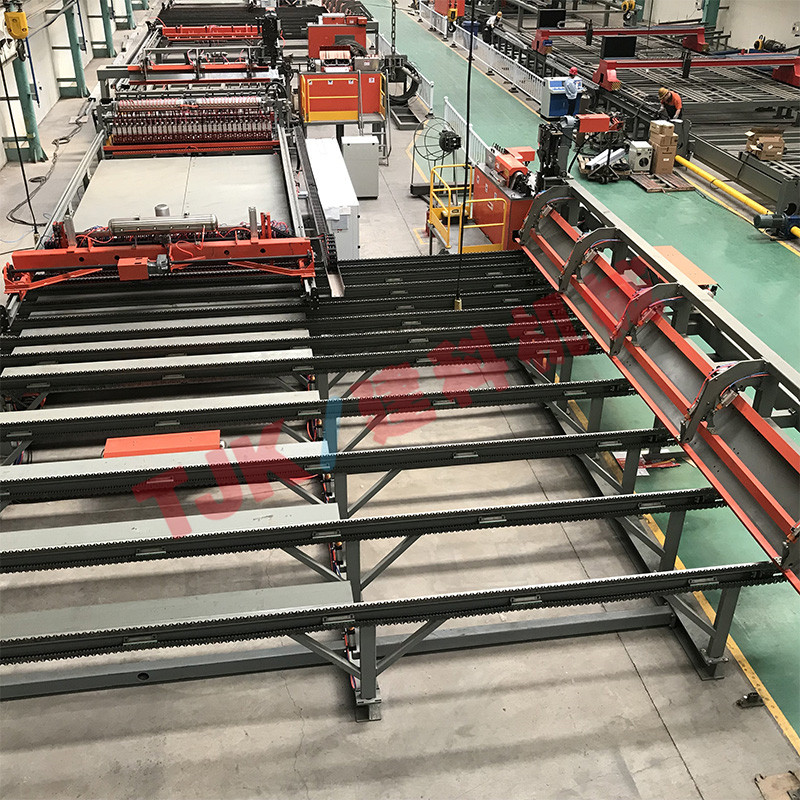
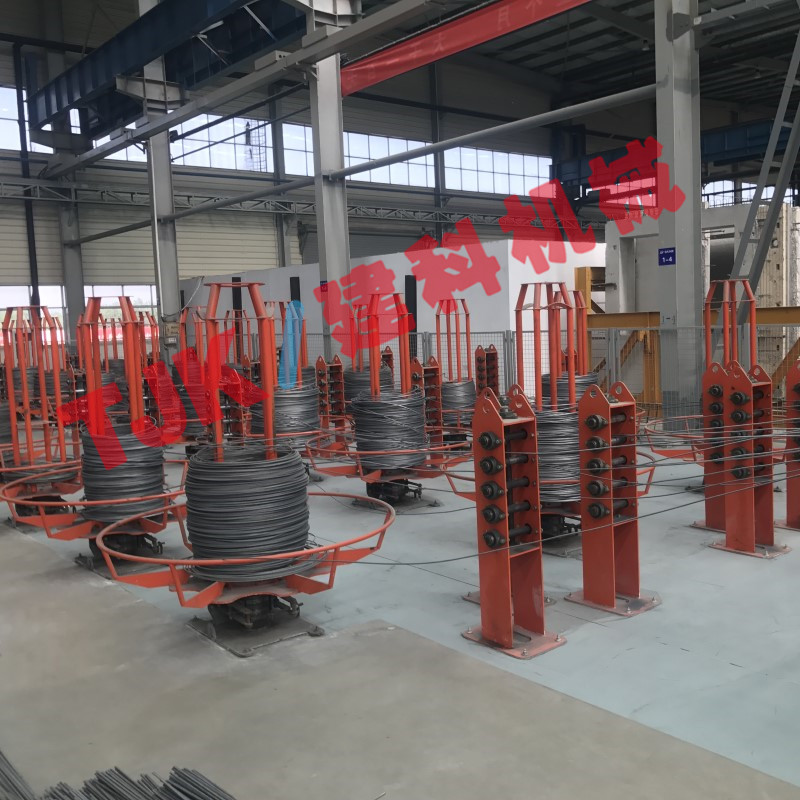
Wire Mesh Making Machines
Source industrial-grade wire mesh making machines from vetted manufacturers and suppliers. Designed for importers, machinery distributors, and factory operators, this catalog features robust production lines for bulk and custom manufacturing. Compare specifications and secure reliable supply chains for your capital equipment procurement.
Procuring industrial wire mesh making machines requires balancing upfront capital expenditure with long-term operational stability. Whether you are setting up a new production line for construction mesh or expanding capacity for fencing materials, the core challenge remains the same: a machine that fails under continuous, heavy-duty operation destroys production schedules and profit margins. Sourcing these machines directly from Asian manufacturers offers significant cost advantages, provided you rigorously define your technical requirements and verify factory capabilities.
Critical Technical Specifications
Industrial machinery cannot be bought off the shelf based on a generic spec sheet. To ensure the equipment matches your production targets, you must define the operational parameters precisely. Ambiguity in your RFQ will lead to underpowered machinery or incompatible tooling.
Essential RFQ Parameters
- Wire diameter range (e.g., 1.5mm to 6.0mm) and wire material compatibility (galvanized, stainless steel, low carbon).
- Mesh opening sizes (min/max) and whether adjustments are mechanical or CNC/pneumatic.
- Maximum welding or weaving width (typically 1200mm, 2500mm, or 3300mm).
- Production speed (strokes per minute or square meters per hour) under continuous load.
- Electrical requirements (Voltage, Phase, Frequency) matching your destination facility.
Where Quality is Won and Lost on the Factory Floor
The structural integrity and longevity of a wire mesh machine depend entirely on the quality of its internal components and the precision of its assembly. Many manufacturers will quote aggressively low prices by substituting top-tier control systems and metallurgy for cheaper, unbranded alternatives.
| Component | Standard Configuration | Industrial/Premium Configuration |
|---|---|---|
| Control System (PLC) | Domestic unbranded or legacy systems | Siemens, Delta, or Mitsubishi with multi-language HMI |
| Servo Motors | Stepper motors or low-torque servos | High-torque Panasonic or Yaskawa servos for precision pulling |
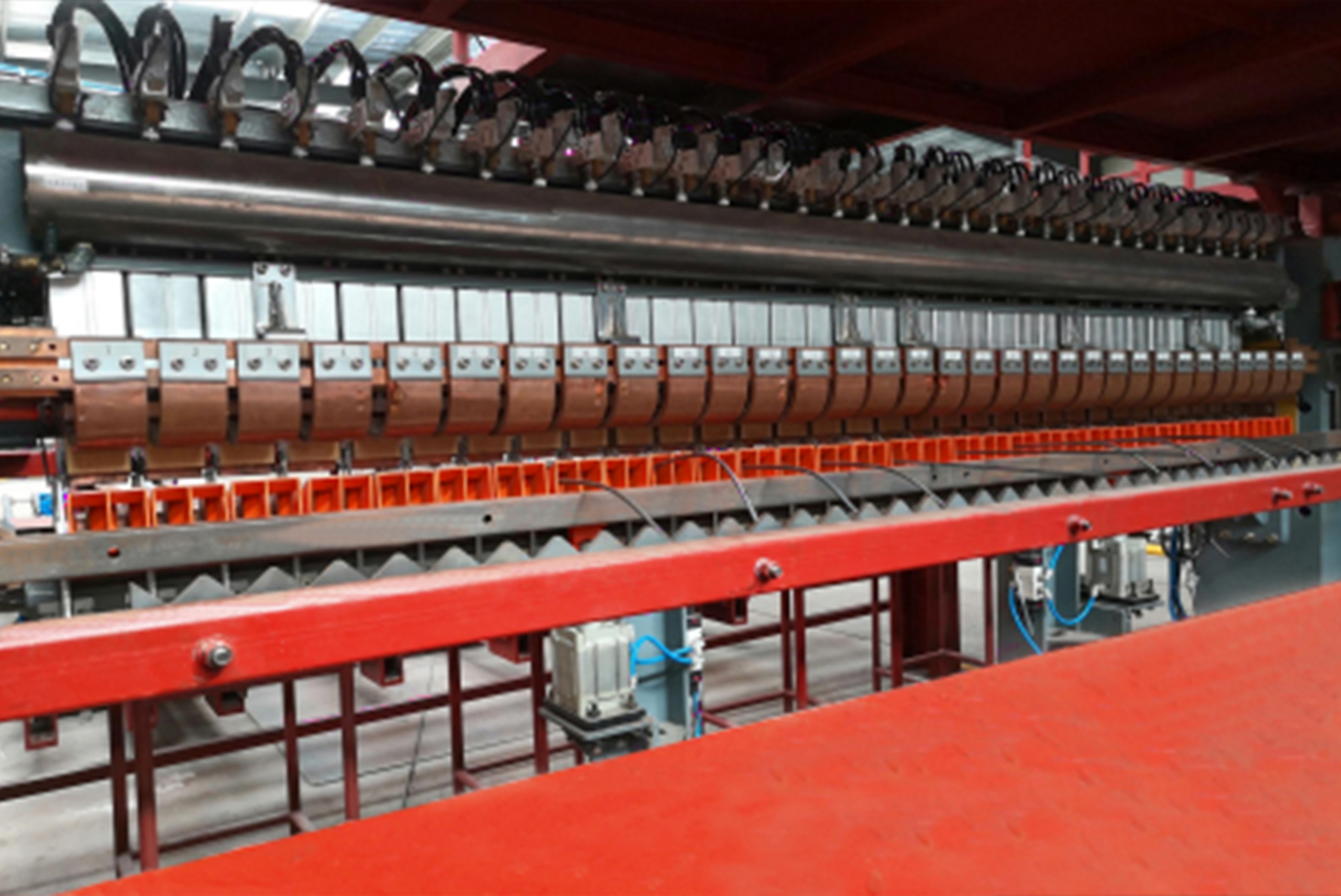
| Welding Transformers | Aluminum wound, basic water cooling | Epoxy-cast copper wound, advanced closed-loop water cooling |
| Electrodes | Standard copper alloy, high wear rate | Chromium-zirconium copper for extended lifespan |
Need to verify a machinery supplier's technical capabilities? Our engineers can help you evaluate factory specifications and component sourcing.
Talk to our teamFactory Vetting and FAT (Factory Acceptance Testing)
Buying heavy machinery sight unseen carries immense risk. A supplier might have an impressive catalog but lack the in-house CNC machining centers required to build rigid, vibration-resistant machine frames.
Before committing to a high-value order, conducting comprehensive factory audits is essential. This verifies the manufacturer's machining capabilities, assembly processes, and financial stability.
Equally critical is the pre-shipment phase. Never authorize final payment or shipment without a rigorous Factory Acceptance Test (FAT). This involves running the machine at the factory using your specific wire materials to verify speed, mesh squareness, and weld strength. Implementing strict quality control during this run-off phase ensures any calibration issues are resolved before the equipment crosses the ocean.
Pricing, Lead Times, and Logistics
Capital equipment manufacturing operates on project-based timelines. Expect significant variations based on the machine's complexity, customization level, and the factory's current order book.
Shipping heavy, oversized machinery often requires specialized logistics. Depending on the machine's width and weight, it may not fit in a standard 40-foot High Cube container. You may require Open Top or Flat Rack containers, which carry higher freight rates and require specialized handling at the port. Coordinating shipping & freight early in the production process prevents costly delays once the machine is ready to leave the factory floor.
Planning a machinery import? Let us handle the factory negotiation, FAT execution, and complex freight logistics.
Get a free consultationBuyer FAQ
Successful procurement of wire mesh making machinery is measured by the Total Cost of Ownership (TCO), not just the FOB price. By insisting on premium internal components, enforcing strict pre-shipment run-off testing, and managing the logistics proactively, you ensure your equipment delivers reliable production from day one.
Get Sourcing Help for Wire Mesh Making Machines
Tell us your requirements and our experts will connect you with verified manufacturers.