Temperature Instruments
Source wholesale Temperature Instruments directly from vetted manufacturers and factories in Asia. Designed for importers, distributors, and brands seeking reliable OEM and private-label production. Ensure precision, compliance, and competitive bulk pricing for your testing instrument supply chain.
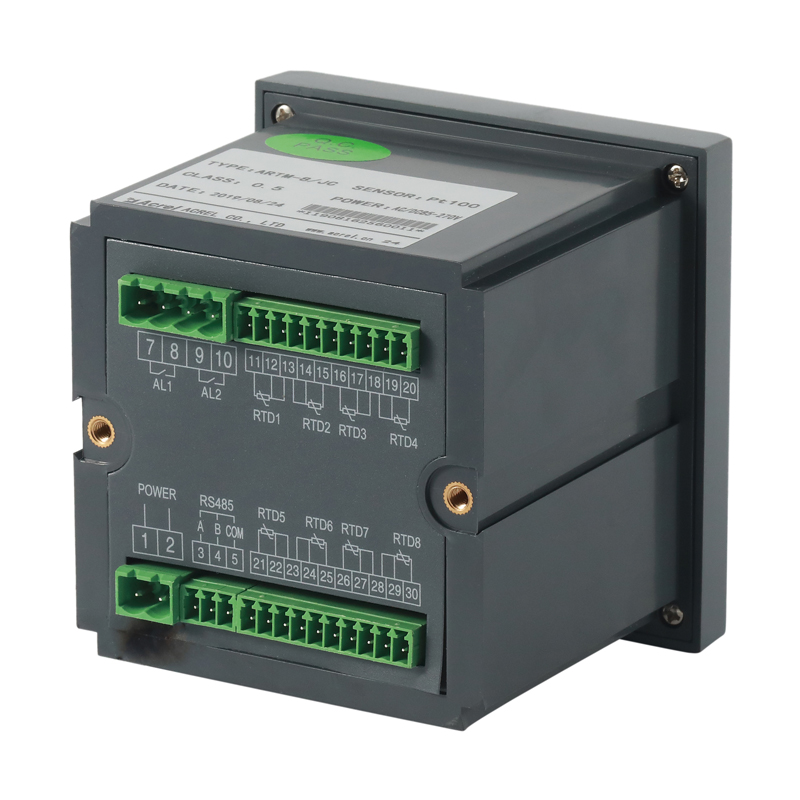
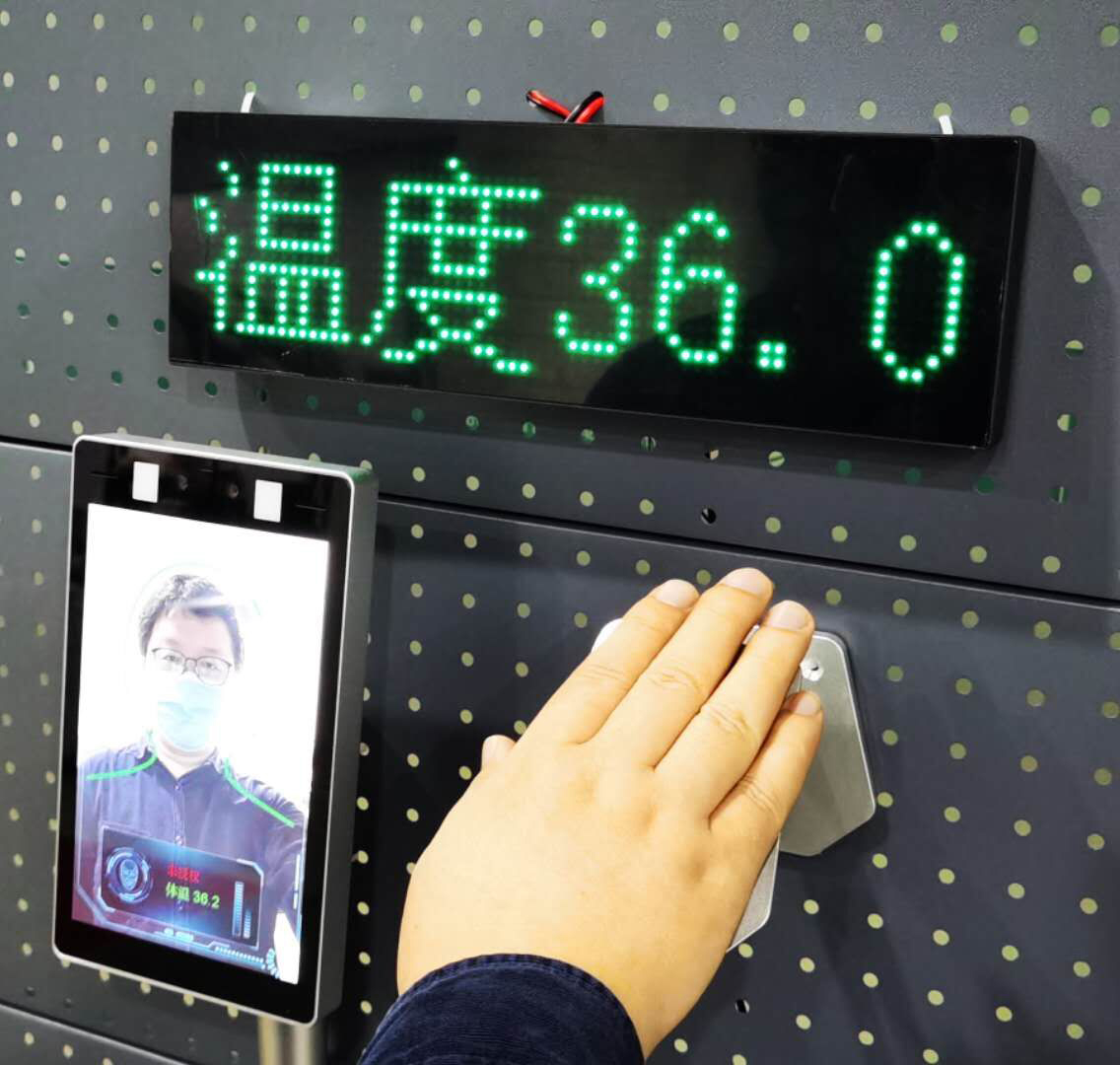
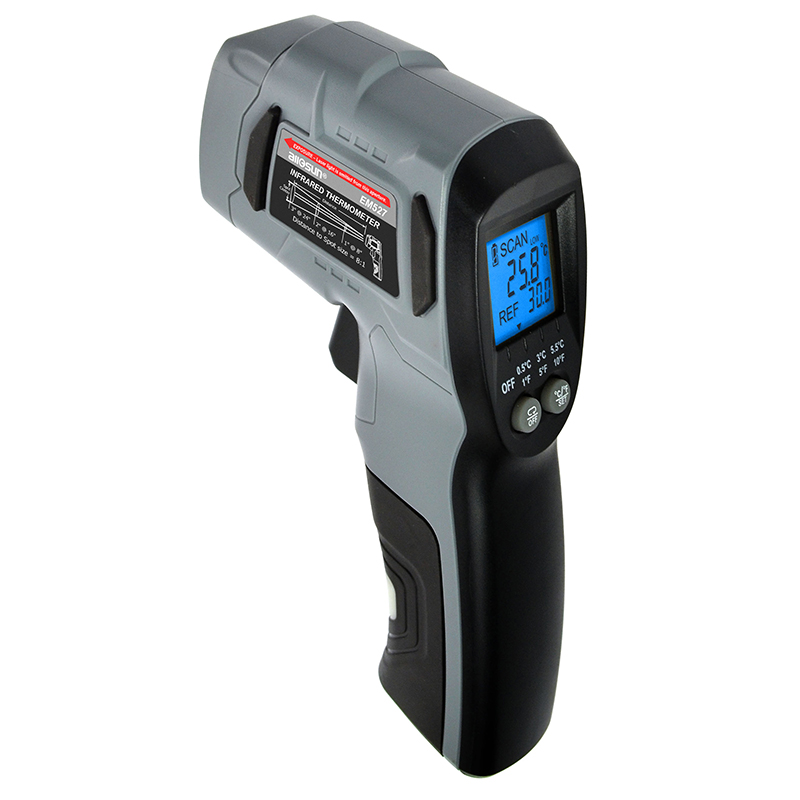
Sourcing temperature instruments in bulk requires moving past surface-level specifications to evaluate a manufacturer's underlying component supply chain and calibration infrastructure. Whether you are procuring industrial RTDs, digital data loggers, or infrared thermal imaging devices, the primary sourcing challenge is consistency. A supplier might provide a perfectly calibrated "golden sample," but maintaining tight tolerances, stable firmware, and minimal sensor drift across a production run of thousands of units requires strict process control.
To successfully navigate this category, buyers must tightly define component origins, specify calibration protocols, and audit the factory's testing environments before mass production begins.
Defining Your Technical Specifications
When issuing a Purchase Order or RFQ, vague specifications lead to unacceptable tolerance stacking. Chinese manufacturers will often default to domestically produced sensor chips and standard-grade enclosures to meet target pricing unless instructed otherwise.
To ensure parity across supplier quotes, explicitly define the following parameters:
Critical PO Specifications for Temperature Instruments
- Sensor Element Origin: Specify if you require imported elements (e.g., Heraeus platinum chips for RTDs) or if top-tier domestic equivalents are acceptable.
- Accuracy vs. Resolution: Clearly separate display resolution (e.g., 0.1 degrees) from true sensor accuracy (e.g., ±0.5 degrees).
- Probe and Housing Materials: Specify exact grades of stainless steel (e.g., SUS316L for corrosive environments) and IP ratings for enclosures (e.g., IP67 for waterproof data loggers).
- Communication Protocols: For industrial transmitters, specify required outputs (4-20mA, 0-10V) and digital protocols (Modbus RTU, HART, I2C).
Understanding the trade-offs between different sensing technologies is also crucial when discussing custom builds or private-label adjustments with a factory engineering team.
| Sensor Technology | Typical Measurement Range | Accuracy Profile | Primary Application |
|---|---|---|---|
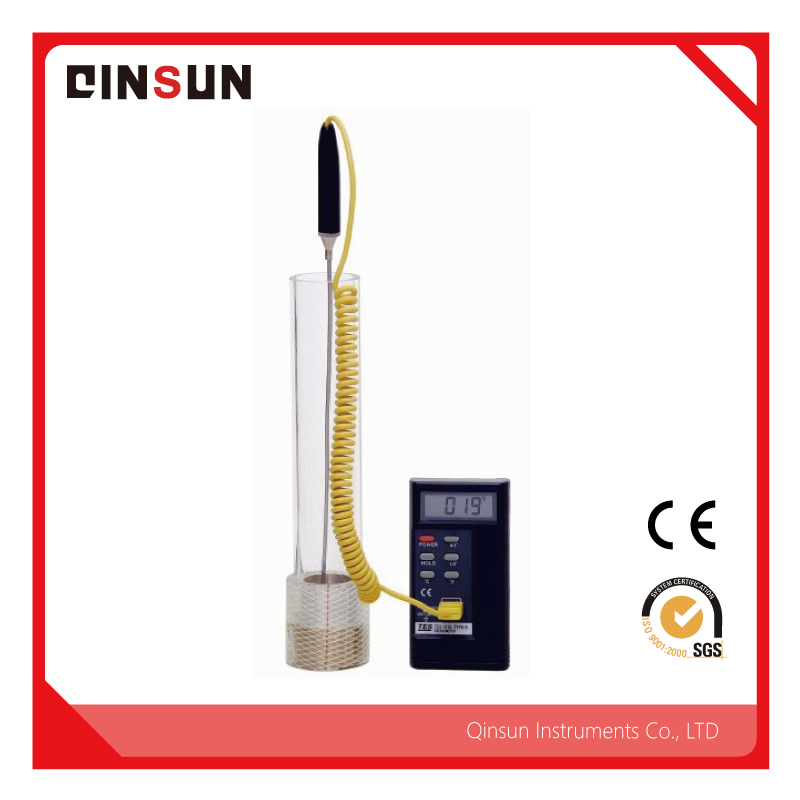
| Thermocouple (Type K) | Up to 1260 Celsius | Moderate (Prone to drift over time) | High-temperature industrial furnaces |
| RTD (PT100 Class A) | Minus 200 to 600 Celsius | High (Very stable long-term) | Pharmaceutical and food processing |
| Thermistor (NTC) | Minus 50 to 150 Celsius | Very High (Within a narrow range) | HVAC and medical devices |
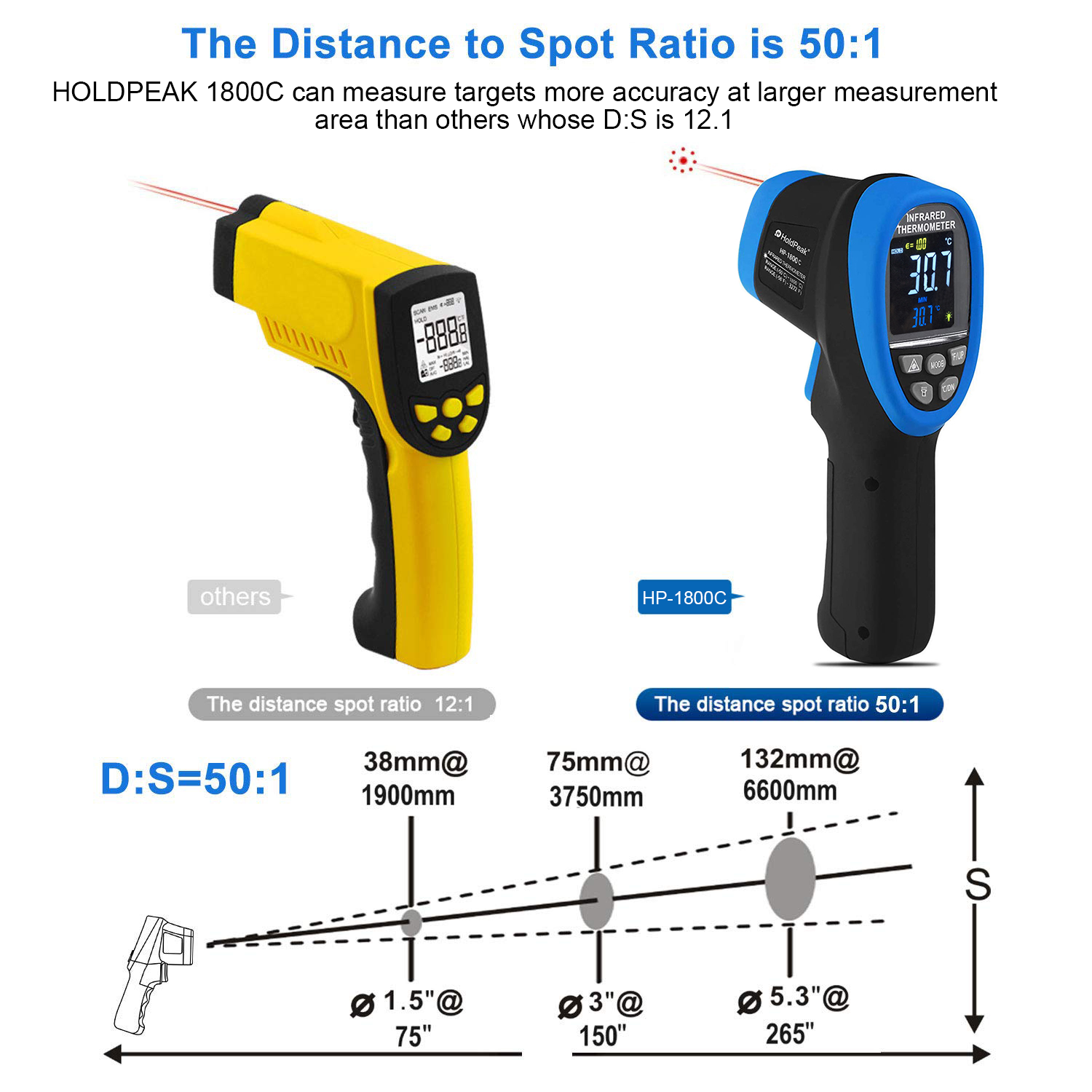
| Infrared (IR) | Varies widely by lens/detector | Dependent on emissivity settings | Non-contact electrical inspection |
Need help standardizing your technical specifications across multiple overseas suppliers? We can help you lock in the right BOM.
Talk to our teamManufacturing Realities and Quality Control
The most common failure point in imported temperature instruments is not immediate failure, but long-term calibration drift. This occurs when factories skip crucial "aging" processes. High-quality manufacturers will subject sensor assemblies to thermal cycling chambers to artificially age the components, stabilizing them before final calibration.
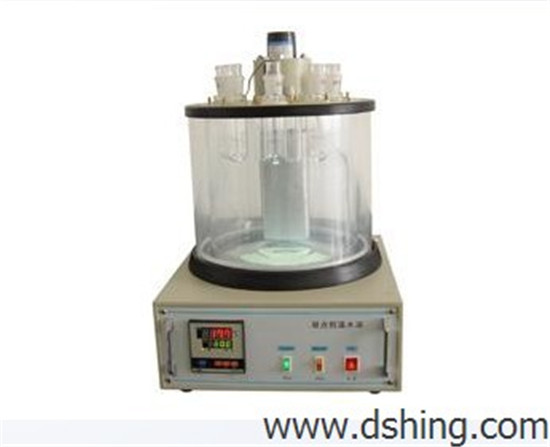
To verify a supplier's capability, you must look beyond the assembly line. A robust Factory Audit should focus specifically on their calibration laboratory. Do they use multi-point calibration baths? Are their reference thermometers traceable to NIST or equivalent international standards?
Furthermore, implementing rigorous Quality Control & Inspection before shipment is mandatory. Pre-shipment inspections should include verifying calibration certificates against a randomized sample size, checking solder joint integrity on PCBs (especially for portable units prone to dropping), and testing enclosure seals for IP compliance.
OEM/ODM Customization and Private Labeling
Many importers leverage OEM/ODM Services to differentiate their temperature instruments in the market. Beyond simple logo placement, deep customization can include:
- Firmware and Software: Developing custom user interfaces for data loggers, integrating proprietary Bluetooth/Wi-Fi protocols, or designing companion apps for mobile devices.
- Form Factor: Tooling custom molds for ruggedized handheld thermometers or designing specialized probe geometries for unique industrial applications.
- Packaging: Creating compliance-ready, multi-language retail packaging or drop-test certified industrial transit cases.
When engaging in ODM projects, ensure the factory has a dedicated R&D team and clear protocols for protecting your intellectual property.
Typical Pricing, MOQs, and Lead Times
Volume requirements and production timelines vary significantly based on the complexity of the instrument and the level of customization.
Note: Highly specialized equipment, such as high-resolution thermal imaging cameras, often have much lower MOQs (10 to 50 units) but significantly higher unit costs and longer lead times due to detector sourcing constraints.
Looking to negotiate better MOQs or streamline your production lead times? Let's discuss your sourcing strategy.
Get a free consultationFrequently Asked Questions
Securing reliable temperature instruments at scale requires treating the factory as a partner in metrology, not just an assembly line. By enforcing strict component standards and validating their calibration infrastructure, you protect your brand from the hidden costs of sensor drift and field failures.
Get Sourcing Help for Temperature Instruments
Tell us your requirements and our experts will connect you with verified manufacturers.