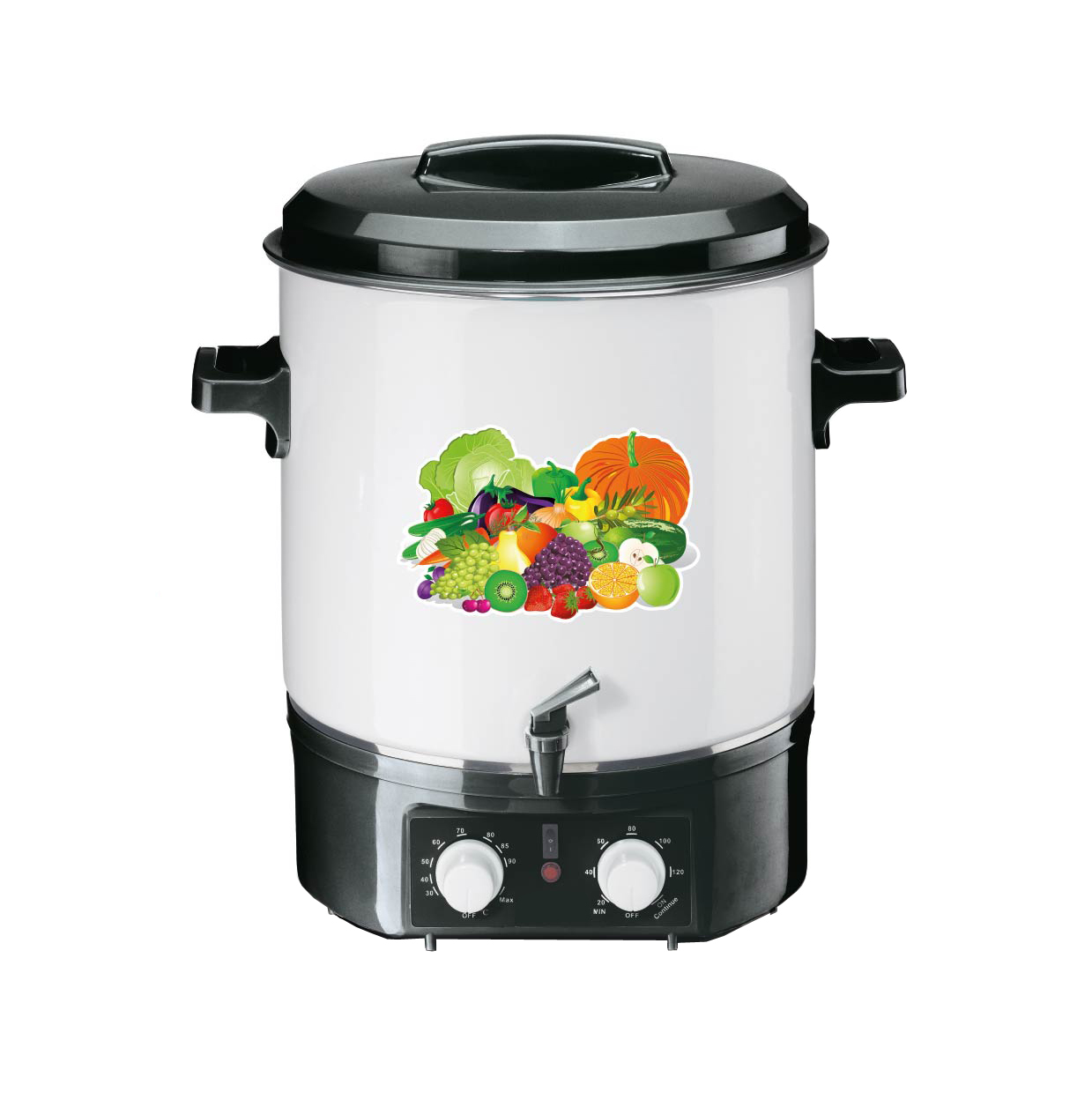
Other Fruit & Vegetable Machines
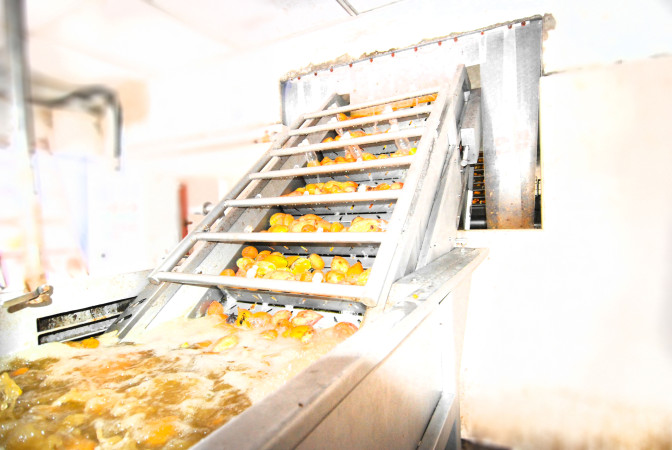
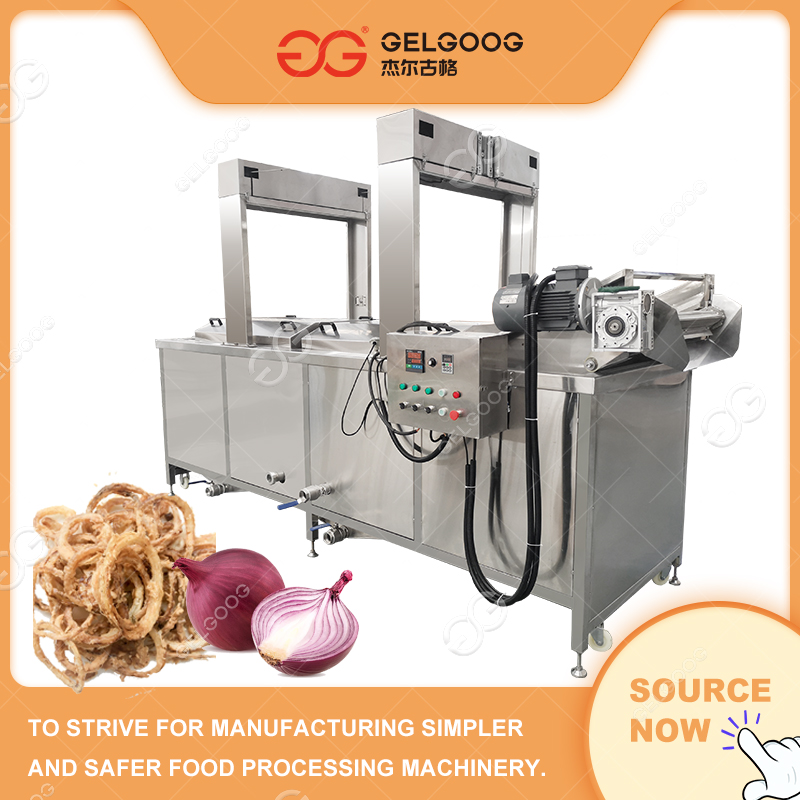
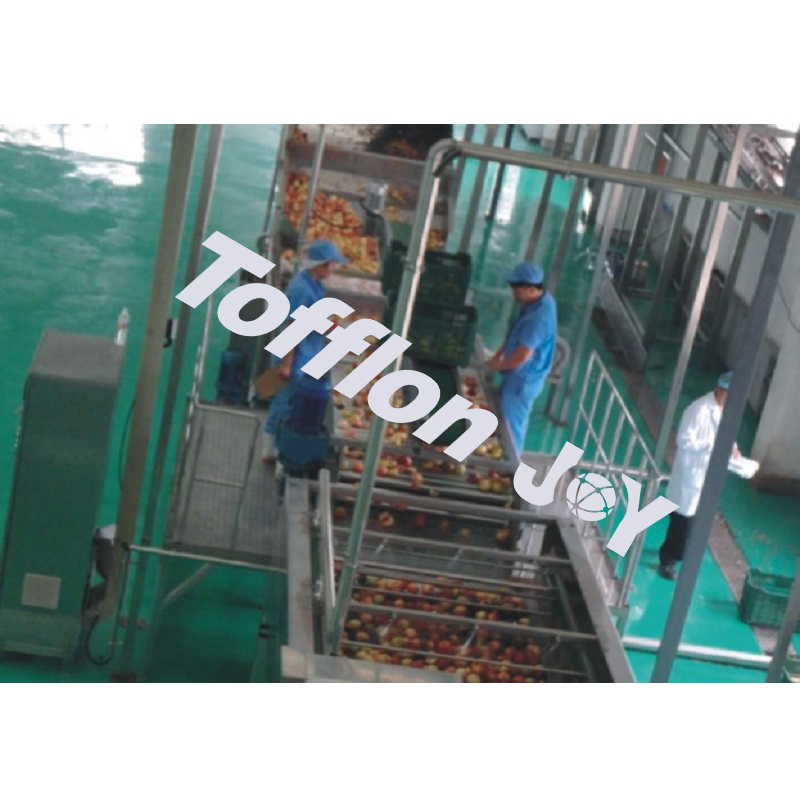
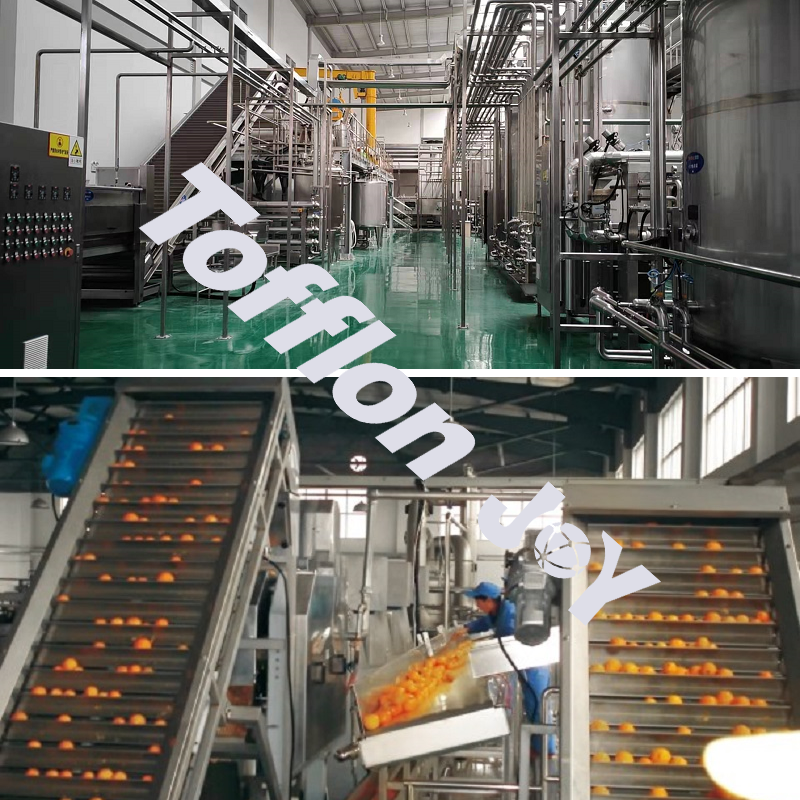
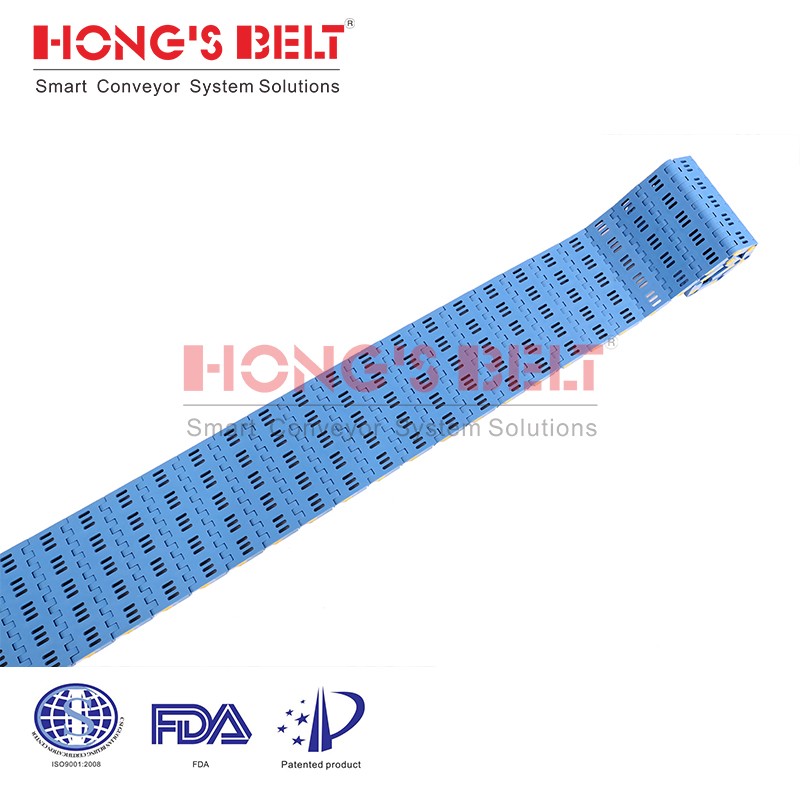
Source specialized Other Fruit & Vegetable Machines from vetted manufacturers and suppliers in China and Asia. Designed for importers, distributors, and brands seeking OEM production, our wholesale catalog connects you with high-quality, high-capacity processing equipment built to strict food-grade standards.
When sourcing specialized or combination fruit and vegetable processing equipment—such as custom grading lines, waxing units, niche pitting machines, or root crop polishers—the primary challenge lies in matching the exact mechanical action to your specific crop variety and throughput demands. Because these machines fall outside standard processing categories, they often require a higher degree of customization, precise engineering, and rigorous validation to ensure they integrate seamlessly into existing production lines.
Core Technical Specifications to Define
To prevent costly miscommunications with overseas manufacturers, your RFQ must detail exact mechanical and electrical requirements. Niche processing machines often handle irregular shapes or delicate produce, meaning the tolerances for mechanical action are incredibly tight.
| Specification Area | Standard Commercial | Industrial / Heavy-Duty |
|---|---|---|
| Food Contact Materials | SUS201 or standard SUS304 | SUS316L (essential for high-acid fruits) |
| Electrical Components | Domestic tier-2 brands | Schneider, Siemens, or Omron (global support) |
| Motor Protection | IP54 (splash resistant) | IP65 or IP67 (full washdown capable) |
| Welding Standard | Standard TIG, minimal polishing | Sanitary seamless welding, dead-corner free |
Beyond materials, you must specify the exact input conditions. A pitting machine calibrated for European cherries will fail if fed larger Asian varieties without tooling adjustments. Always provide manufacturers with precise sizing data, maximum allowable defect rates, and required throughput in kilograms per hour (kg/hr).
Need help validating a manufacturer's technical capabilities? Our engineers can review specs and ensure your requirements translate accurately to the factory floor.
Talk to our teamManufacturing Quality and Factory Evaluation
The variance in quality among food machinery manufacturers is vast. While the external casing might look identical across suppliers, the internal engineering and safety compliance often differ drastically. Assessing a supplier requires looking past the showroom and examining their fabrication floor.
Before committing to a high-value machinery order, executing thorough Factory Audits is critical. You need to verify that the manufacturer has the CNC machining capabilities required for precision parts, rather than outsourcing critical components to unverified sub-tier workshops.
Critical Inspection Points for Niche Processing Machinery
- Sanitary Design: Ensure there are no dead zones or sharp internal corners where organic matter can accumulate and breed bacteria.
- Weld Quality: Inspect for continuous, smooth sanitary welds on all food-contact surfaces. Pitted or oxidized welds are unacceptable.
- Safety Guarding: Verify that all moving parts, belts, and blades have safety interlocks compliant with CE or OSHA standards.
- Electrical Panel Layout: Check for organized, clearly labeled wiring and adequate sealing against high-pressure washdowns.
- Vibration and Noise: Excessive vibration during dry-runs indicates poor shaft alignment or sub-standard bearings.
Catching these issues post-production is incredibly difficult. Implementing rigorous Quality Control & Inspection during assembly (in-line) and prior to shipping ensures that any deviations from your approved technical drawings are corrected before the container is loaded.
OEM Customization and Integration
Many importers and agricultural brands require equipment tailored to specific regional power grids or unique processing workflows. Modifying off-the-shelf machinery is common, but it requires a manufacturer with genuine engineering depth.
If you are developing a proprietary processing line, leveraging OEM/ODM Services allows you to dictate motor specifications, PLC programming, and physical dimensions to match your facility's footprint. Ensure your supplier provides complete CAD drawings and electrical schematics prior to production; this documentation is vital for future maintenance and parts replacement.
Pricing, MOQ, and Production Lead Times
Because these machines are often heavy, specialized, and built-to-order, the sourcing mechanics differ from standard consumer goods.
Pricing is highly volatile and driven primarily by the global cost of stainless steel and the tier of electrical components specified. A machine utilizing SUS316L and premium Japanese bearings will typically cost 20% to 35% more than a standard SUS304 model with domestic parts.
Struggling to negotiate favorable terms or verify if a supplier's quote reflects actual market rates? Let us manage the supplier communication and pricing strategy.
Get a free consultationFrequently Asked Questions
Sourcing specialized fruit and vegetable machinery requires technical diligence and a firm grip on supplier capabilities. By defining your specifications down to the weld type and component brand, and enforcing strict pre-shipment testing, you can secure high-performance equipment that delivers reliable ROI.
Get Sourcing Help for Other Fruit & Vegetable Machines
Tell us your requirements and our experts will connect you with verified manufacturers.