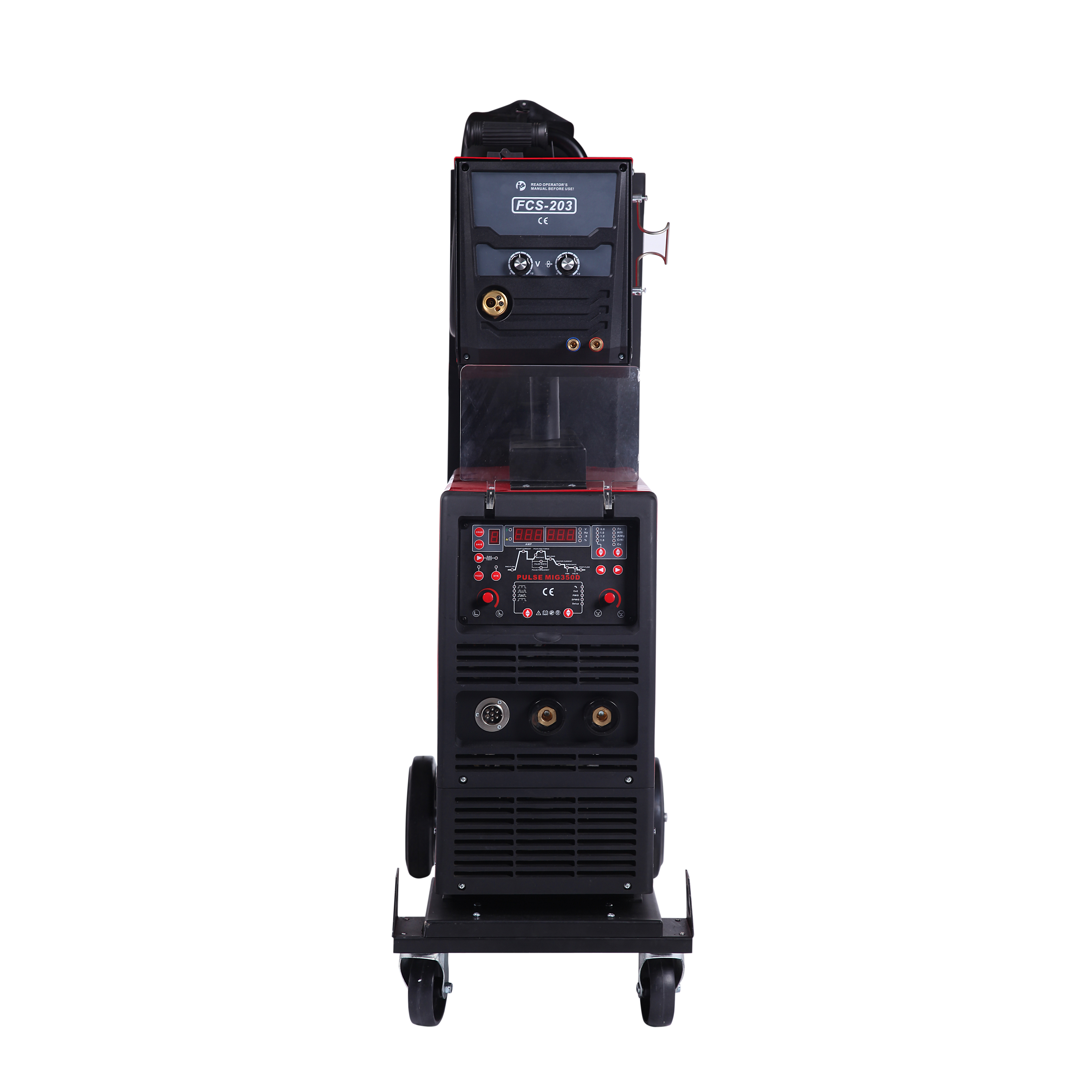
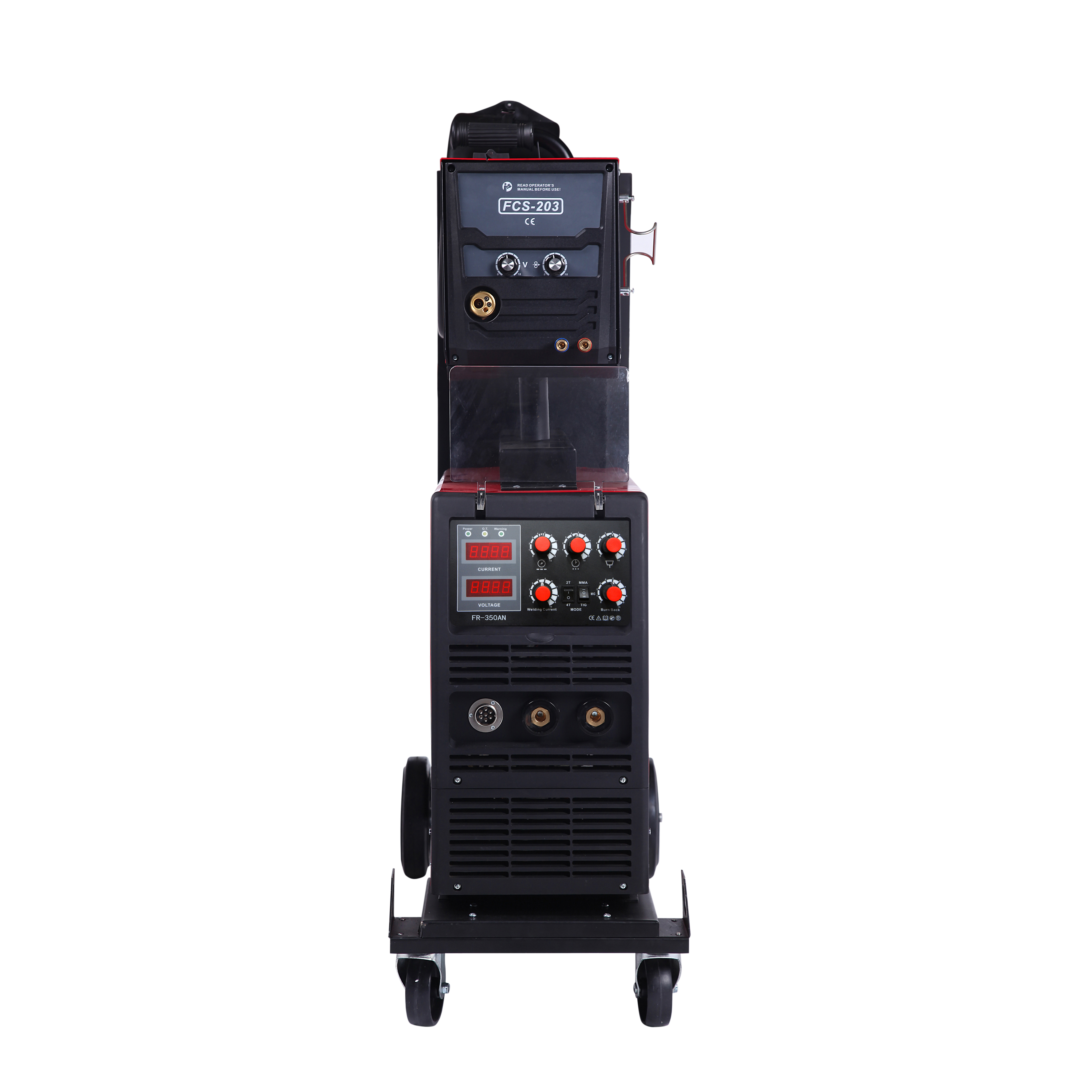
MIG Welders
Source industrial and commercial-grade MIG Welders from vetted manufacturers and wholesale suppliers. Built for importers, hardware distributors, and equipment brands requiring reliable OEM and private-label production. Secure competitive bulk pricing and strict quality compliance for your welding supply chain.
Sourcing MIG welding equipment at scale requires a precise balance of thermal performance, inverter reliability, and unit cost. The primary challenge for importers and industrial brands is distinguishing between factories that engineer robust, high-duty-cycle machines and those that cut corners on internal components like heat sinks, wire drive systems, and PCB coatings.
Core Specifications for OEM and Bulk Sourcing
When evaluating a manufacturer's catalog or developing a custom unit, the specifications on paper often hide the reality of the internal build. Professional buyers must dictate the exact component standards to ensure the equipment survives harsh industrial environments.
Inverter Technology and Duty Cycles
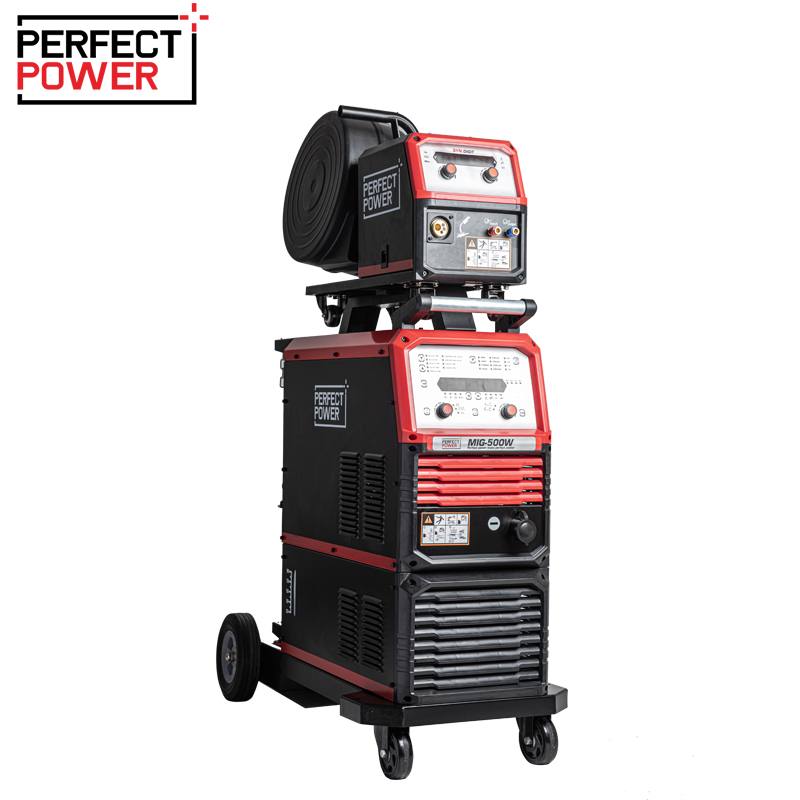
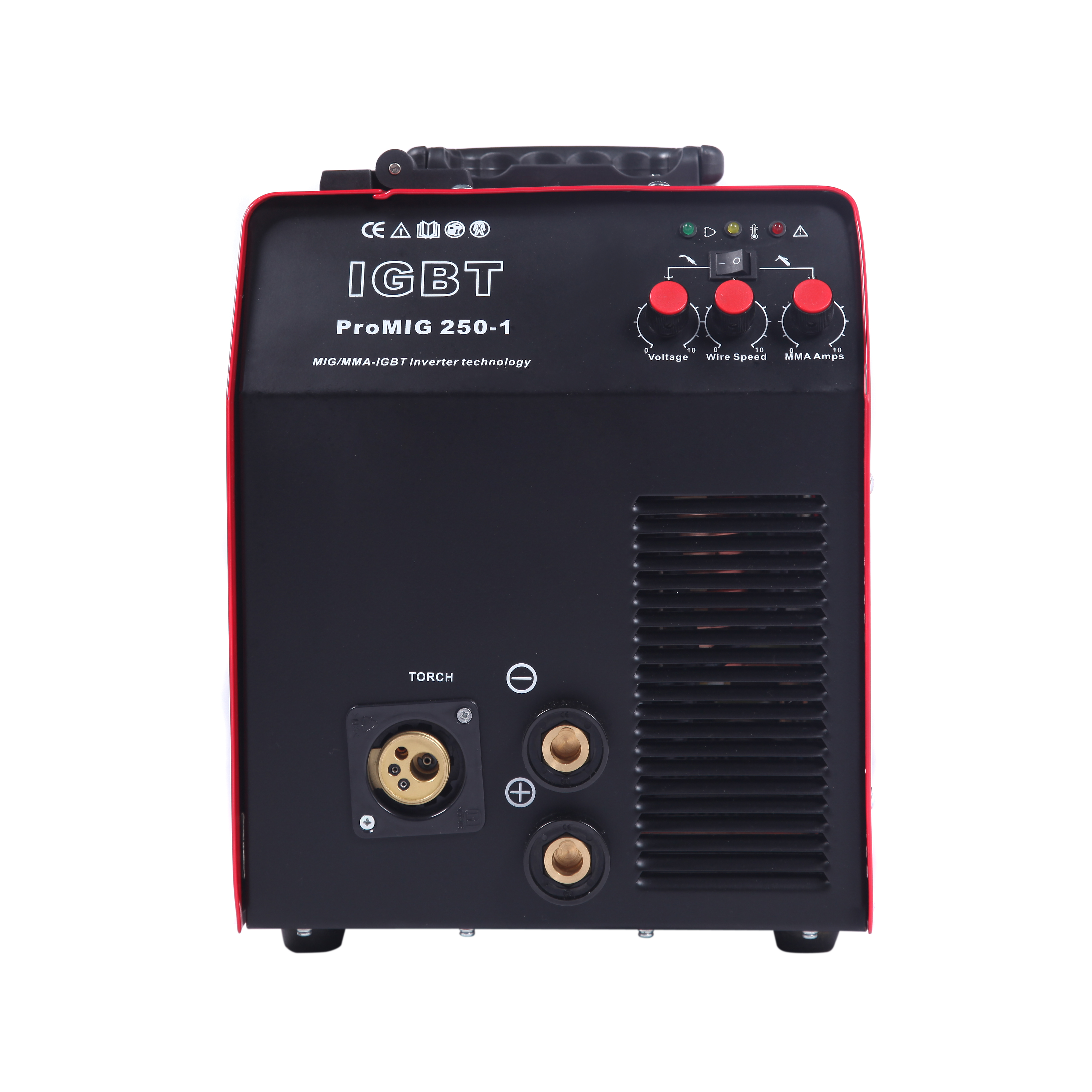
Modern MIG welders rely heavily on IGBT (Insulated-Gate Bipolar Transistor) inverter technology. The origin and rating of the IGBT modules (e.g., premium brands like Infineon versus generic alternatives) directly dictate the machine's reliability under load.
Duty cycle claims are frequently manipulated. A factory might advertise a 60 percent duty cycle at 200A, but fail to mention this was tested at an ambient temperature of 20 degrees Celsius rather than the industrial standard of 40 degrees Celsius. You must specify the testing environment when negotiating specifications.
Need help verifying supplier duty cycle claims and component quality? Let our engineering team review your factory's technical specs.
Talk to our teamTransformer and Inductor Materials
The material used in the main transformer and inductor is a primary driver of both weight and cost.
| Winding Material | Thermal Performance | Cost & Application |
|---|---|---|
| 100% Copper | Superior heat dissipation, supports true high duty cycles. | Premium cost; standard for industrial/heavy-duty units. |
| Copper-Clad Aluminum (CCA) | Prone to overheating if pushed to maximum amperage. | Lower cost; acceptable only for light DIY/hobbyist models. |
Where Factory Quality is Won or Lost
The difference between a high-return rate and a successful product line is often found in the factory's assembly and testing procedures. Conducting thorough Factory Audits is critical to verify that a supplier has the necessary surface-mount technology (SMT) lines for PCB manufacturing and rigorous testing stations.
- Conformal Coating: MIG welders operate in environments filled with conductive metal dust. PCBs must be treated with a thick, even layer of conformal coating. Cheap manufacturing often skips or lightly sprays this coating, leading to premature short circuits.
- Wire Feed Mechanisms: The drive motor and roller assembly must match the machine's intended use. Industrial machines require heavy-duty, 4-roller cast aluminum drive systems, whereas dual-roller plastic systems are only suitable for low-amperage, budget models.
- Burn-in Testing: Reliable manufacturers subject every unit (or a statistically significant batch) to full-load burn-in testing. Implementing strict Quality Control & Inspection protocols ensures these load tests are actually performed before the shipment is containerized.
Typical MOQs, Lead Times, and Pricing Drivers
Understanding the manufacturing landscape in major production hubs (such as Zhejiang and Guangdong provinces) helps in negotiating realistic terms.
Pricing is highly elastic based on the internal architecture. Customizing the digital interface (synergic controls, LCD screens) or altering the chassis design will push MOQs toward the higher end of the spectrum. If you are launching a proprietary design, utilizing professional OEM/ODM Services ensures your custom tooling and software IP remain protected while scaling production.
Planning a new line of private-label welding equipment? We can manage the factory negotiations and quality control from sample to shipment.
Get a free consultationFrequently Asked Questions
Sourcing MIG welders profitably means looking past the outer casing and holding suppliers accountable to strict internal component standards. By defining clear specifications for IGBT modules, transformer materials, and burn-in testing, you can build a resilient, low-defect product line that stands up to professional use.
Get Sourcing Help for MIG Welders
Tell us your requirements and our experts will connect you with verified manufacturers.