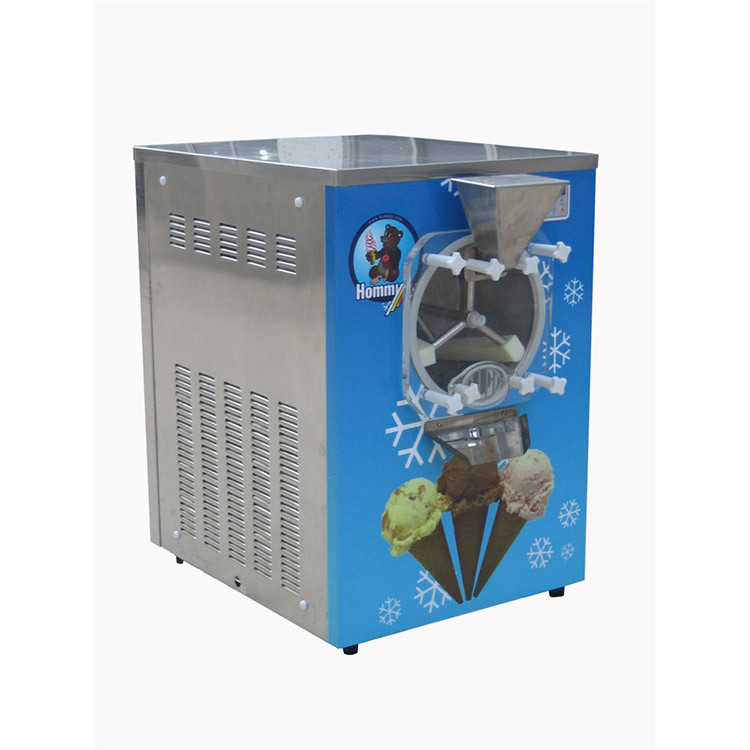
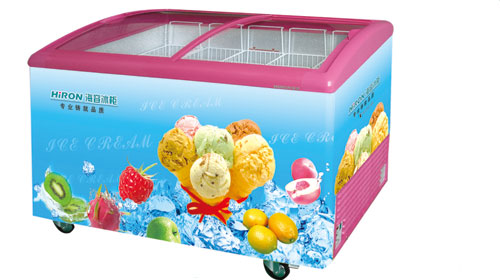
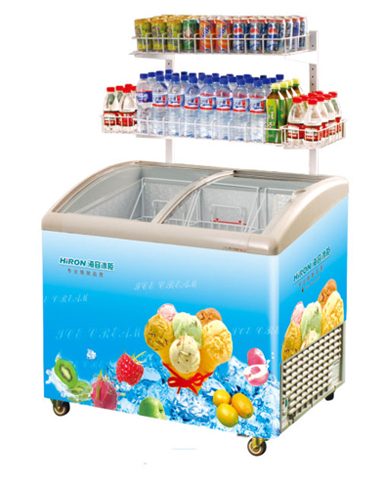
Ice Cream Machines
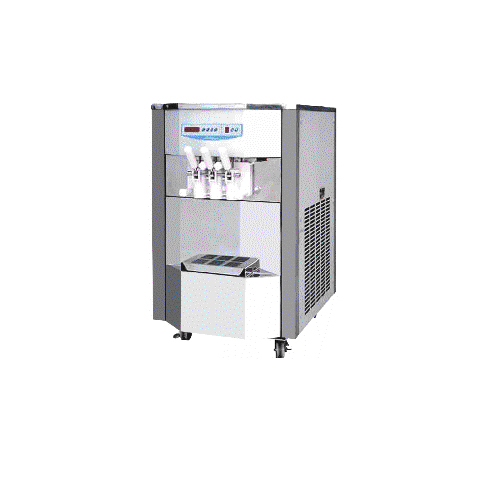
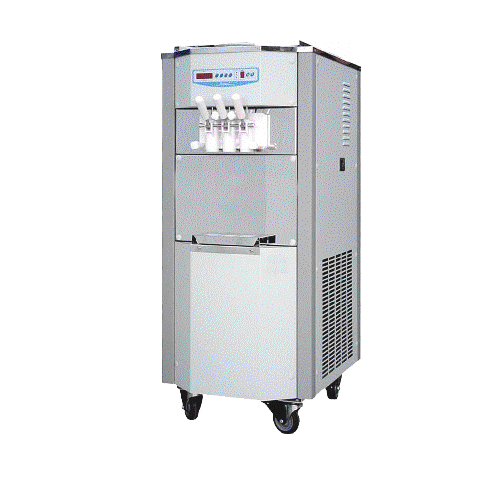
Source commercial Ice Cream Machines from vetted suppliers and manufacturers in China and Asia. Designed for importers, wholesalers, distributors, and equipment brands looking for reliable wholesale purchasing or custom OEM/ODM production. Secure competitive pricing, certified food-grade compliance, and reliable output for your distribution network.
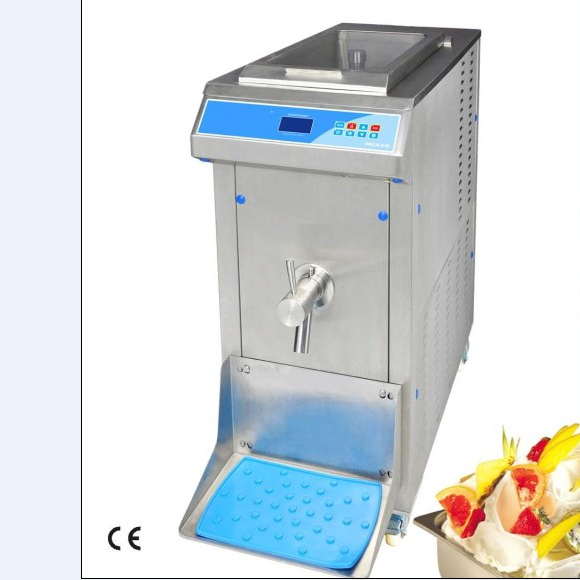
Sourcing commercial ice cream machines in bulk requires navigating a complex intersection of thermodynamics, food safety compliance, and mechanical reliability. For importers and distributors, the challenge isn't just finding a factory that can assemble a chassis; it's ensuring the internal components—specifically compressors, expansion valves, and logic boards—can withstand continuous commercial operation without failing under high ambient temperatures.
Core Component Specifications for Commercial Units
The reliability of any frozen dessert equipment hinges on its refrigeration cycle and electrical control systems. When evaluating a manufacturer's bill of materials (BOM), pay close attention to the origin and specification of the core components.
Factories often offer tiered pricing based on the compressor brand. Premium export models typically utilize internationally recognized compressors (such as Embraco, Tecumseh, or Panasonic) rather than domestic alternatives. This is crucial not only for cooling efficiency but for aftermarket servicing and parts availability in your target market.
Additionally, you must specify the refrigerant gas. While R404a has been a long-standing standard, regulatory shifts in North America and the EU are pushing buyers toward lower-GWP (Global Warming Potential) alternatives like R290.
Verifying authentic component usage on the factory floor is critical. We can audit supplier BOMs and ensure they meet your exact technical specifications.
Talk to our teamMaterial Grades and Assembly Quality
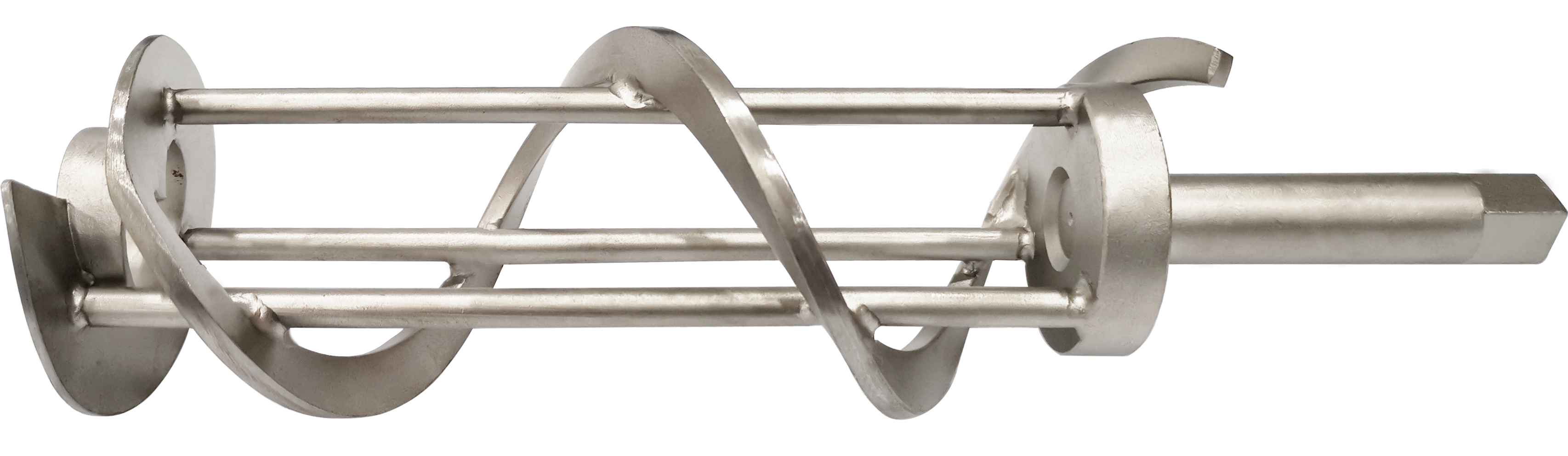
Food safety regulations demand strict adherence to specific material grades in all "food zones" (areas where the mix touches the machine). The industry standard for hoppers, freezing cylinders, and internal beaters is 304-grade stainless steel (SS304).
However, to cut costs, some manufacturers may substitute 201-grade stainless steel (SS201) in areas they assume buyers won't check. SS201 has lower nickel content, making it highly susceptible to corrosion when exposed to dairy acids and commercial cleaning chemicals.
| Material Grade | Corrosion Resistance | Typical Application | Cost Impact |
|---|---|---|---|
| SS304 | High (Food Safe) | Hoppers, Cylinders, Beaters | Premium |
| SS201 | Low to Moderate | Exterior side panels only | Lower |
| Food-Grade POM | High | Dispensing valves, Scraper blades | Standard |
Catching material substitutions requires rigorous Quality Control & Inspection protocols, including chemical spot-testing of the stainless steel before the machines are fully assembled and crated.
Critical Inspection Points
Factory-Floor Quality Checks
- Verify compressor brand and model numbers against the approved BOM.
- Conduct electrical safety tests (Hi-Pot, earth continuity, and leakage current).
- Inspect TIG welding seams on hoppers for porosity or rough edges that could harbor bacteria.
- Run continuous dispensing tests to monitor recovery time and temperature stability.
- Check refrigerant charge levels and inspect copper piping for brazing quality.
Customization, Overrun, and Compliance
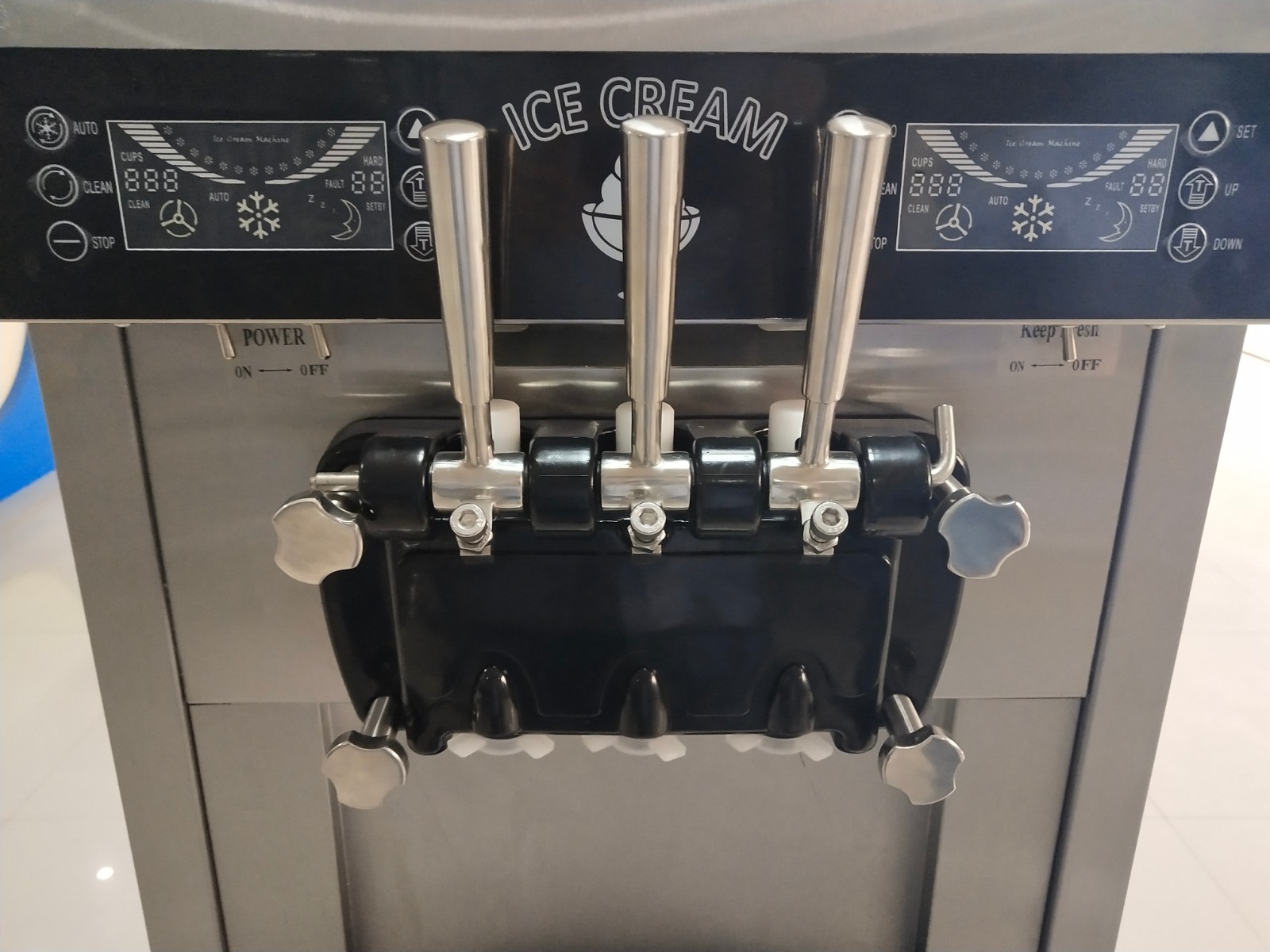
For brands looking to differentiate their equipment lines, OEM/ODM Services allow for deep customization. Beyond private labeling the exterior, buyers can customize the user interface (touchscreens vs. membrane panels), add pre-cooling functions (keeping mix cold in the hopper overnight), or integrate air pumps.
Air pumps are a critical feature for high-end models, injecting pressurized air into the cylinder to increase "overrun" (the percentage of air whipped into the ice cream). Gravity-fed machines typically max out at 30 to 40 percent overrun, while gear-driven air pumps can achieve 60 to 80 percent, significantly improving profit margins for the end-user.
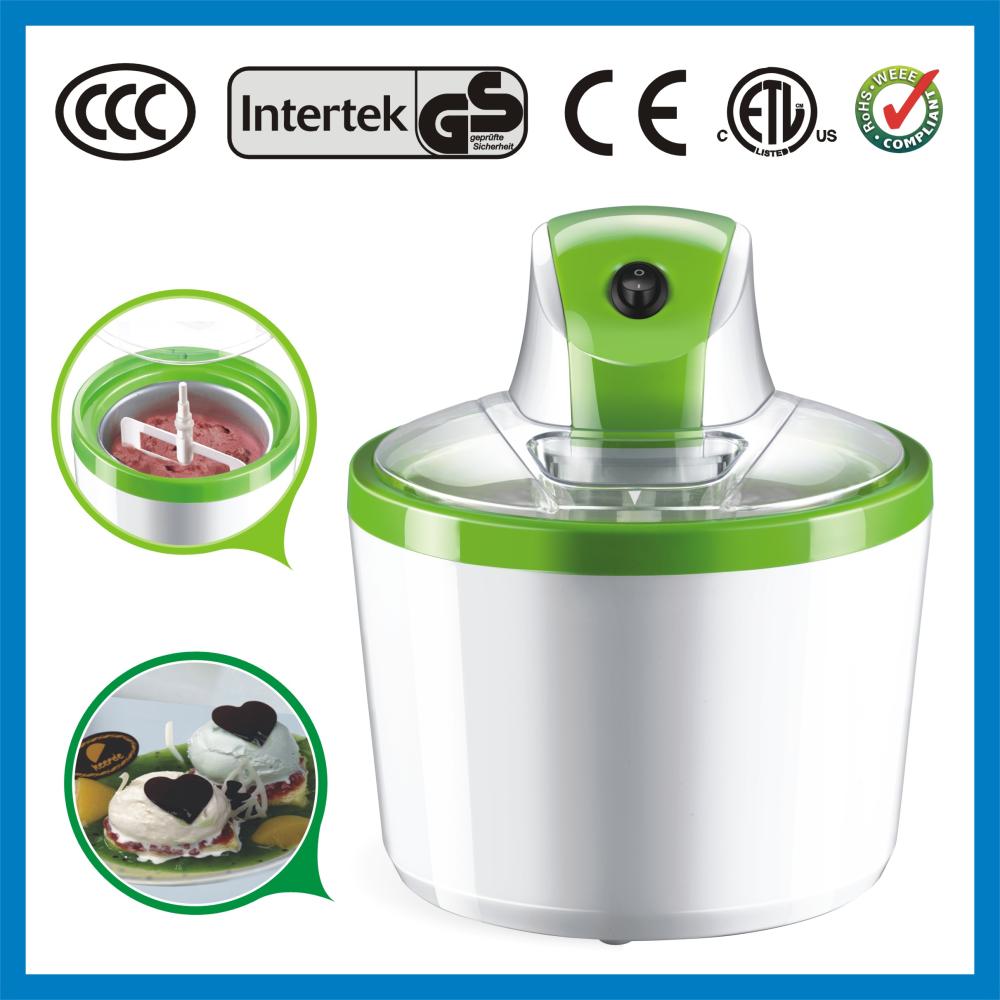
Before finalizing any custom design, it is vital to engage in proper Compliance & Testing. Machines destined for the US market will generally require ETL/UL electrical certification and NSF sanitation approval, while European imports demand CE marking and RoHS compliance.
Production Timelines, MOQs, and Pricing Drivers
Purchasing commercial machinery requires careful capital planning. Pricing is highly variable and scales directly with output capacity (measured in Liters per Hour or L/H), the number of flavors, and the inclusion of secondary pre-cooling compressors.
Ready to negotiate bulk pricing and secure production capacity? Let our team manage the procurement and logistics process for you.
Get a free consultationSuccessfully importing commercial ice cream machines requires looking past the polished exterior to scrutinize the engineering within. By partnering with a sourcing team that understands the technical nuances of commercial refrigeration, you can secure equipment that delivers consistent performance, meets all local health regulations, and protects your brand's reputation in the market.
Get Sourcing Help for Ice Cream Machines
Tell us your requirements and our experts will connect you with verified manufacturers.