Grinding Equipment
Source industrial-grade Grinding Equipment from vetted suppliers and manufacturers across Asia. Designed for importers, distributors, and procurement managers, our wholesale catalog features robust machinery for chemical processing. Find reliable partners for bulk orders, OEM production, and custom manufacturing needs.
Procuring industrial grinding equipment for chemical applications requires balancing aggressive particle size reduction with strict contamination control. Whether you are sourcing for a chemical processing plant, distributing to the pharmaceutical sector, or developing a private-label line of processing machinery, the stakes are high. Poorly manufactured equipment leads to excessive heat generation, rapid wear of grinding media, and catastrophic mechanical seal failures when exposed to aggressive solvents or abrasive compounds.
Success in sourcing this machinery relies on specifying the correct metallurgical grades, verifying motor and drive configurations, and ensuring rigorous quality control at the factory level.
Core Specifications to Define Before Sourcing
When engaging with Chinese manufacturers, vague requirements yield inconsistent quotes. To ensure accurate pricing and performance, your technical specifications must explicitly define the operating parameters.
- Target Particle Size & Distribution: Define your input size and required output size in microns or mesh. Specify the acceptable particle size distribution (PSD), as this dictates the type of grinding action (impact, attrition, or shear) the manufacturer will recommend.
- Throughput Capacity: State the required volume in liters per hour (L/hr) or kilograms per hour (kg/hr) under continuous operation.
- Material of Construction (MoC): For chemical applications, the standard is typically 304 Stainless Steel for external housing and 316L Stainless Steel for wetted/contact parts. If you are processing highly abrasive or metal-sensitive chemicals, specify ceramic (zirconia, alumina) or polyurethane linings for the grinding chamber.
- Thermal Management: Grinding generates significant kinetic heat, which can degrade sensitive chemical compounds. Specify the requirement for double-jacketed cooling chambers and specify the required cooling water flow rate and pressure limits.
| Component | Standard Industrial | Chemical / High-Purity Grade |
|---|---|---|
| Wetted Parts | SS304 | SS316L or Zirconia/Tungsten Carbide |
| Mechanical Seals | Single mechanical seal | Double mechanical seal with barrier fluid |
| Motor Enclosure | IP54 / IP55 Standard | ATEX / Explosion-proof (Ex d IIB T4) |
| Surface Finish | Ra 0.8μm mechanical polish | Ra under 0.4μm mirror or electropolished |
Manufacturing Quality and Vulnerability Points
The visual appearance of a machine often masks internal shortcuts. High-end manufacturers invest heavily in CNC machining for their grinding chambers and rotors, ensuring tight tolerances that prevent vibration and uneven wear. Lower-tier factories may weld and manually grind these components, leading to imbalance at high RPMs.
Explosion-Proof Compliance
If the equipment will process volatile solvents or combustible dusts, standard motors and electrical cabinets are a severe hazard. Ensure the factory can provide genuine ATEX or equivalent explosion-proof certifications for all electrical components.
Key Inspection Areas
When executing Quality Control & Inspection protocols, focus on these critical failure points:
Pre-Shipment Inspection Focus Areas
- Rotor and stator concentricity and dynamic balance testing at maximum RPM.
- Hydrostatic pressure testing of the cooling jacket to ensure zero leakage.
- Verification of mechanical seal integrity and barrier fluid pressure retention.
- Inspection of the separation screen or dynamic separator for exact micron tolerances.
- Verification of motor nameplates (e.g., Siemens, ABB, or specified domestic equivalents).
Relying solely on final inspections for complex machinery is risky. Conducting comprehensive Factory Audits before placing a deposit ensures the supplier actually possesses the in-house CNC machining capabilities and testing rigs required to meet your tolerances, rather than outsourcing the core manufacturing to unverified sub-suppliers.
Need to verify a machinery manufacturer's technical capabilities? Our engineering team can audit their facilities and validate their quality systems before you commit.
Talk to our teamPricing, MOQs, and Production Lead Times
Unlike consumer goods, industrial grinding machinery is highly customized and built to order.
- Minimum Order Quantities (MOQs): The standard MOQ is almost always 1 unit. For distributors looking to utilize OEM/ODM Services to build a branded line of equipment, factories may require a commitment of 3 to 5 units annually to customize castings, PLC interfaces, and exterior industrial design.
- Lead Times: Standard configurations typically require 30 to 45 days for production. Highly customized units with specialized ceramic linings, imported mechanical seals, or specific ATEX certifications often extend lead times to 60 to 90 days.
- Pricing Drivers: The primary cost variables are the volume of the grinding chamber, the origin of the motor and variable frequency drive (VFD), and the materials used for the grinding media and contact parts. Upgrading from a domestic Chinese motor to an imported European brand can increase the total machine cost by 15 to 25 percent.
Shipping Heavy Machinery
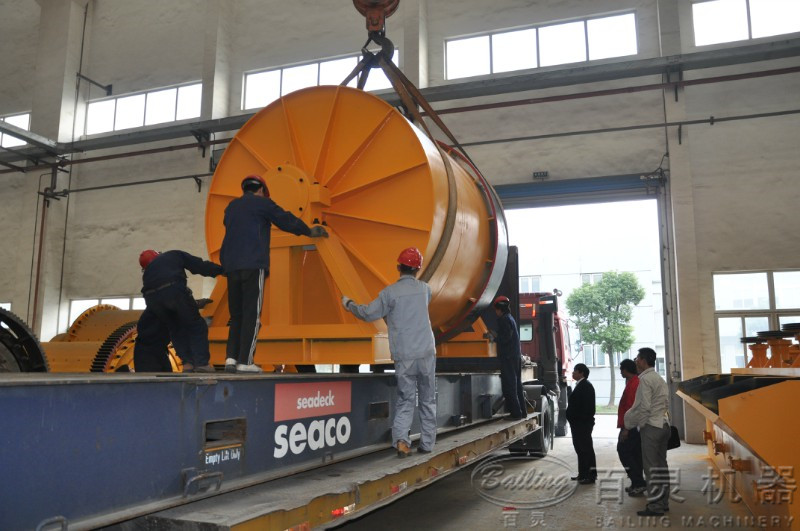
Chemical grinding equipment is heavy, often top-heavy, and sensitive to moisture during transit. Proper export packaging—typically vacuum-sealed foil bagging with desiccants, secured within fumigated wooden crates—is non-negotiable. Ensure your logistics plan accounts for the specific lifting points of the crated machinery to prevent damage during container loading and unloading.
From negotiating technical specifications to managing the final factory acceptance test and freight, we handle the entire sourcing process for industrial machinery.
Discuss your requirementsFrequently Asked Questions
Sourcing chemical grinding equipment is a technical procurement exercise where precision directly impacts product yield and safety. By strictly defining your metallurgical requirements, mandating dynamic balance testing, and verifying electrical safety standards, you can secure high-performance machinery at competitive wholesale price points.
Get Sourcing Help for Grinding Equipment
Tell us your requirements and our experts will connect you with verified manufacturers.