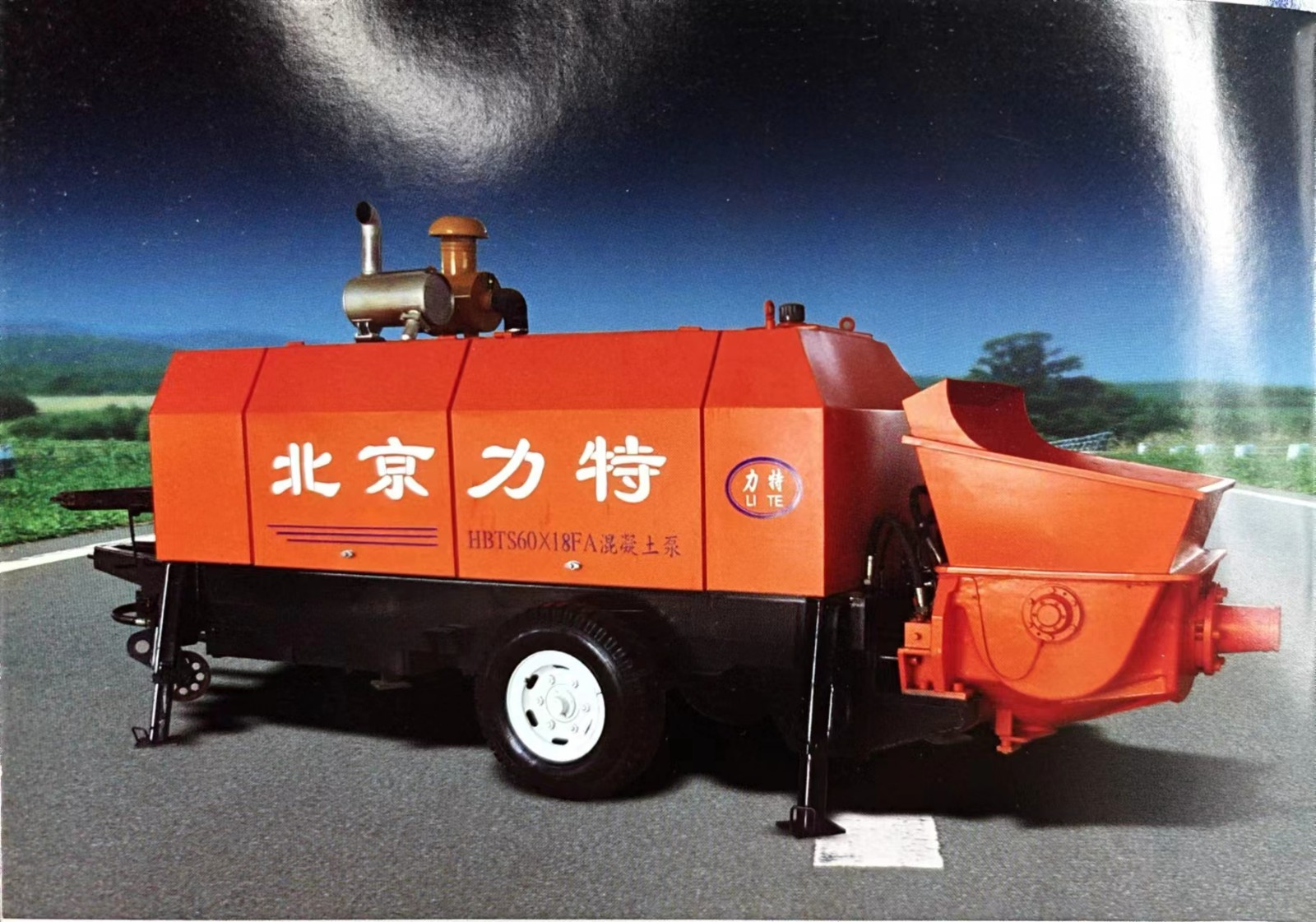
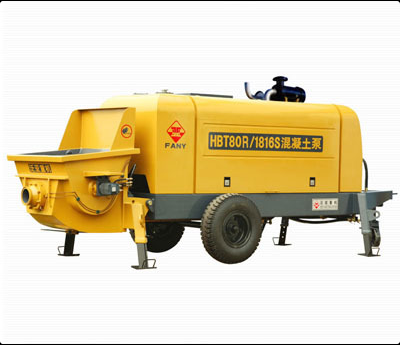
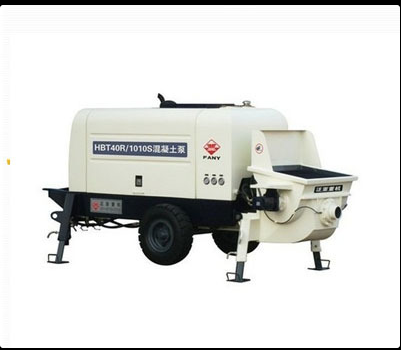
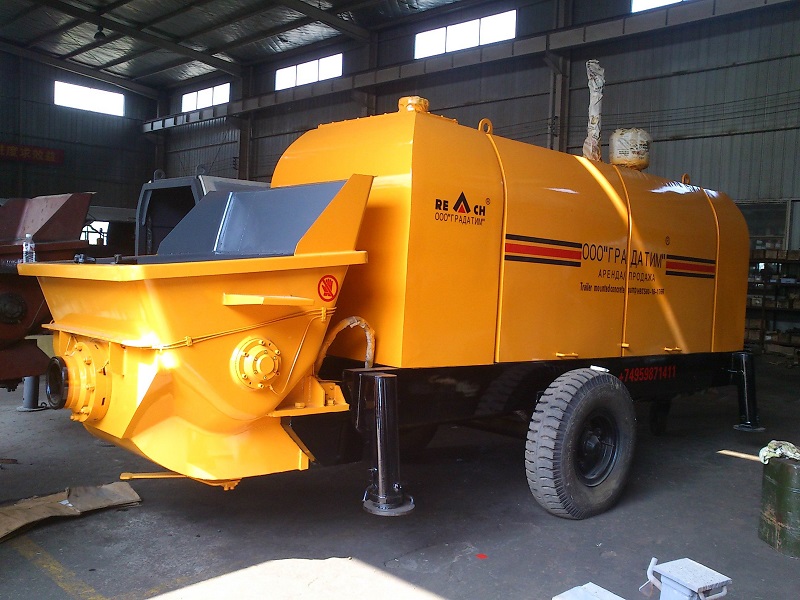
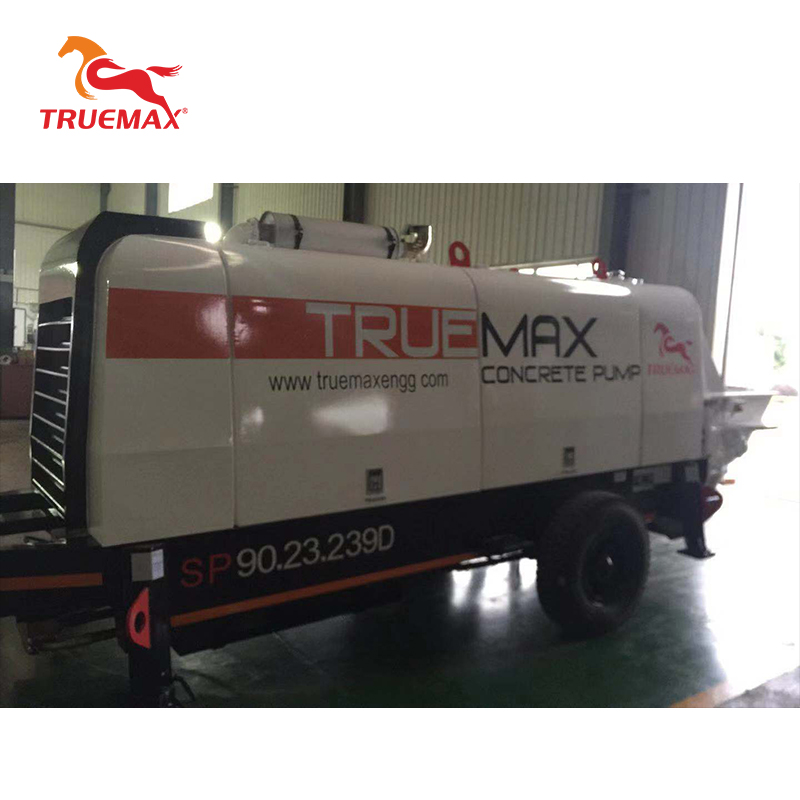
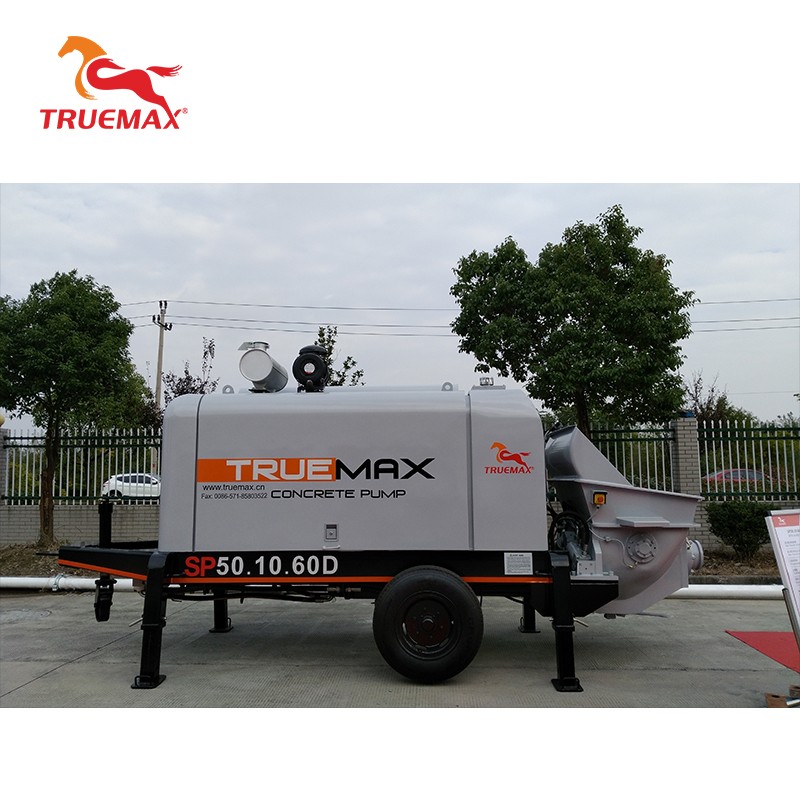
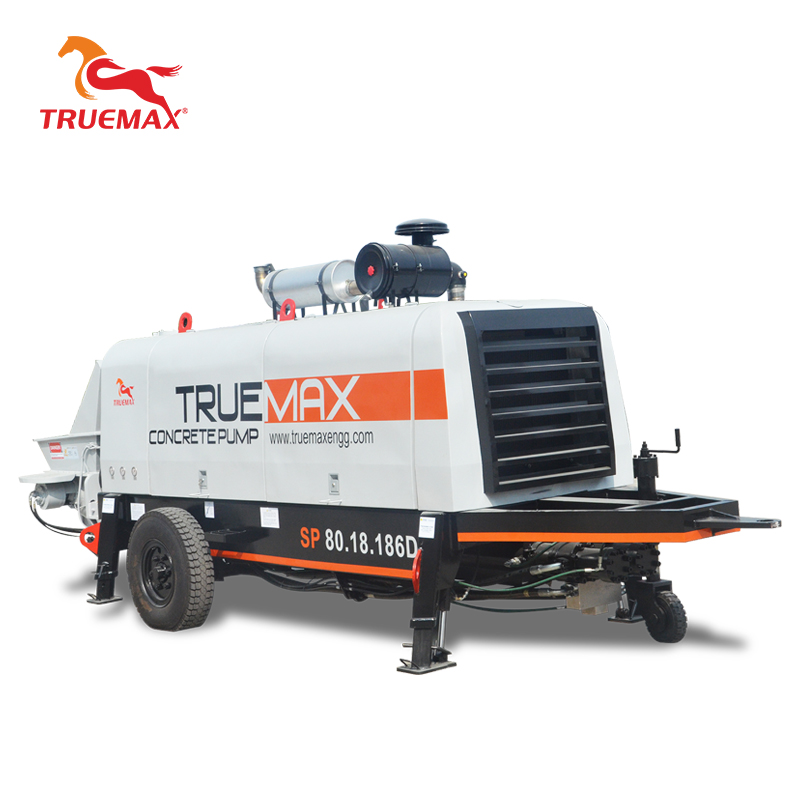
Concrete Pumps
Source industrial-grade concrete pumps directly from vetted manufacturers and suppliers. Designed for construction equipment distributors, machinery wholesalers, and commercial procurement managers, our network provides high-capacity, reliable pumping solutions for heavy-duty applications.
Procuring concrete pumps in volume requires strict attention to hydraulic reliability, engine performance, and wear-part longevity. When sourcing heavy construction machinery from overseas manufacturers, the difference between a high-performing asset and a maintenance liability lies entirely in component selection, assembly standards, and rigorous factory-level testing.
Critical Specifications for Bulk Procurement
A concrete pump's performance is dictated by its hydraulic architecture and power unit. When negotiating with manufacturers, you must specify exact component requirements rather than accepting off-the-shelf defaults, which are often value-engineered to hit lower price points.
Hydraulic System Architecture
The hydraulic system is the heart of the pump. Buyers must choose between open-loop and closed-loop hydraulic circuits based on the end-user's application and maintenance capabilities.
| System Type | Performance Profile | Best Application |
|---|---|---|
| Open Loop Hydraulics | Simpler maintenance, higher heat generation, requires larger oil coolers. | Standard construction sites, budget-conscious fleets. |
| Closed Loop Hydraulics | Higher efficiency, smoother reversing, less hydraulic shock, lower heat. | High-demand continuous pouring, premium equipment lines. |
Ensure your concrete pump specifications match your market's performance and regulatory demands.
Talk to our machinery expertsComponent Quality and Manufacturing Standards
The durability of a concrete pump is won or lost on the factory floor. Leading manufacturers utilize robotic welding for structural integrity and source premium core components, while lower-tier factories may compromise on metallurgy and assembly precision.
When evaluating a supplier, pay close attention to the following areas:
- Wear Parts Metallurgy: The spectacle wear plate and cutting ring take the brunt of the abrasive concrete. Insist on hard-faced tungsten carbide alloys rather than standard high-manganese steel. Tungsten carbide components can handle upwards of 30,000 to 50,000 cubic meters before replacement, drastically lowering the total cost of ownership.
- Power Units and Emissions: Diesel engines must comply with the destination market's emission standards (e.g., EPA Tier 4 Final in the US, Stage V in Europe). Manufacturers often offer domestic engine brands (like Weichai or Yuchai) for emerging markets, and international brands (Cummins, Deutz, Volvo) for regulated markets.
- Hydraulic Pumps and Valves: The main oil pump and directional valves should ideally be sourced from recognized brands like Rexroth, Kawasaki, or Eaton. Verify that the factory is installing genuine components, as counterfeit hydraulic parts are a known risk in unvetted supply chains.
Relying on a manufacturer's spec sheet is rarely enough. Conducting comprehensive Factory Audits is essential to verify their assembly line capabilities, welding certifications, and component supply chains before placing a volume order.
Quality Control and Pre-Shipment Testing
You cannot afford to discover hydraulic leaks or electrical faults after the machinery has crossed the ocean. Rigorous testing protocols must be established and executed at the factory.
Essential Pre-Shipment Testing Protocols
- Water Pumping Test: Running the pump continuously with water for 4 to 8 hours to check for hydraulic stability and overheating.
- Pressure Holding Test: Capping the delivery port to test the maximum hydraulic system pressure and verify relief valve operation.
- Reversing Cylinder Check: Ensuring smooth, shock-free transition of the S-tube or rock valve during directional changes.
- Weld Inspection: Non-destructive testing (NDT) on critical structural welds, especially on the hopper and chassis.
- Electrical & Sensor Verification: Testing remote controls, emergency stops, and PLC fault diagnostics.
Implementing independent Quality Control & Inspection ensures these tests are documented and verified, protecting your investment before the balance payment is released.
Buying Mechanics: MOQ, Pricing, and Logistics
Purchasing industrial machinery operates on different mechanics than standard consumer goods.
- MOQ (Minimum Order Quantity): For standard trailer or stationary concrete pumps, manufacturers often accept MOQs as low as 1 to 2 units. For customized OEM builds with specific paint, branding, and proprietary component configurations, expect MOQs of 3 to 5 units.
- Lead Times: Standard production takes 30 to 45 days. If you are specifying imported engines (e.g., Tier 4 Cummins) or specialized hydraulic pumps, lead times can extend to 60 to 90 days due to component procurement.
- Shipping & Logistics: Concrete pumps are heavy, oversized cargo. Smaller trailer pumps can often be loaded into standard 20ft or 40ft High Cube containers (sometimes requiring wheels or hoppers to be detached). Larger truck-mounted units require Flat Rack containers or Roll-on/Roll-off (RoRo) shipping. Coordinating Shipping & Freight for heavy machinery requires specialized heavy-lift forwarding and precise customs documentation.
Streamline your heavy machinery procurement, from factory negotiation to heavy-lift logistics.
Get a sourcing consultationSuccessfully sourcing concrete pumps at scale means looking past the initial unit price and focusing on the total cost of ownership dictated by component quality and hydraulic design. By securing the right manufacturing partner and enforcing strict quality standards, you ensure your equipment delivers reliable performance in the field.
Get Sourcing Help for Concrete Pumps
Tell us your requirements and our experts will connect you with verified manufacturers.