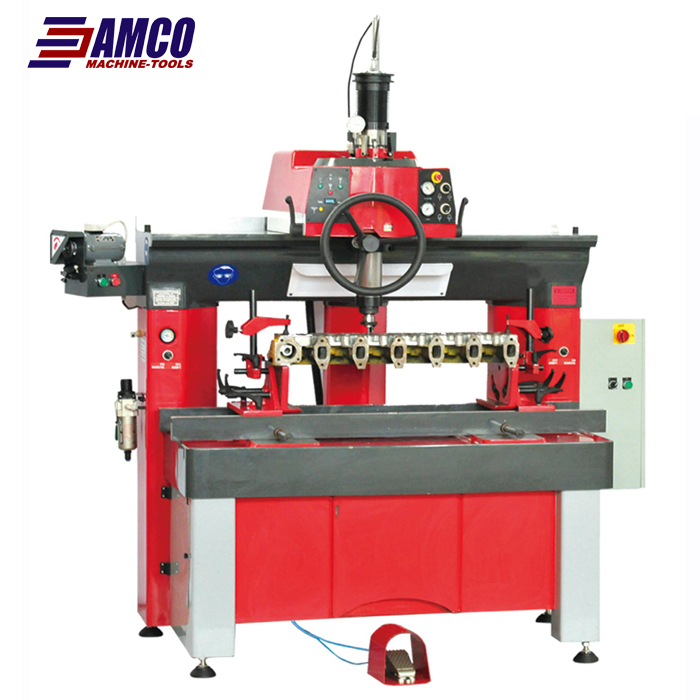
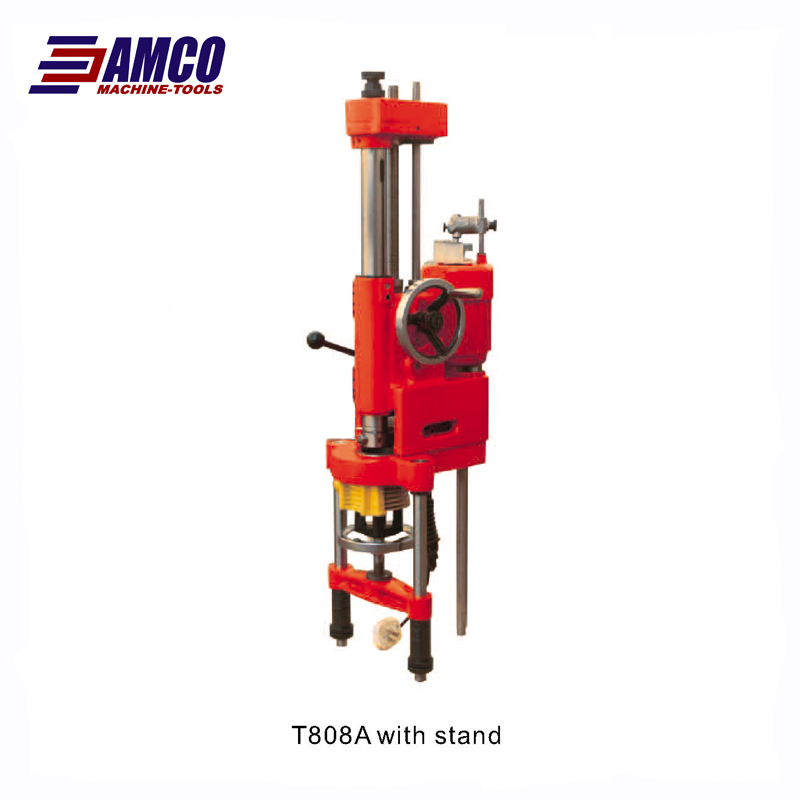
Boring machines
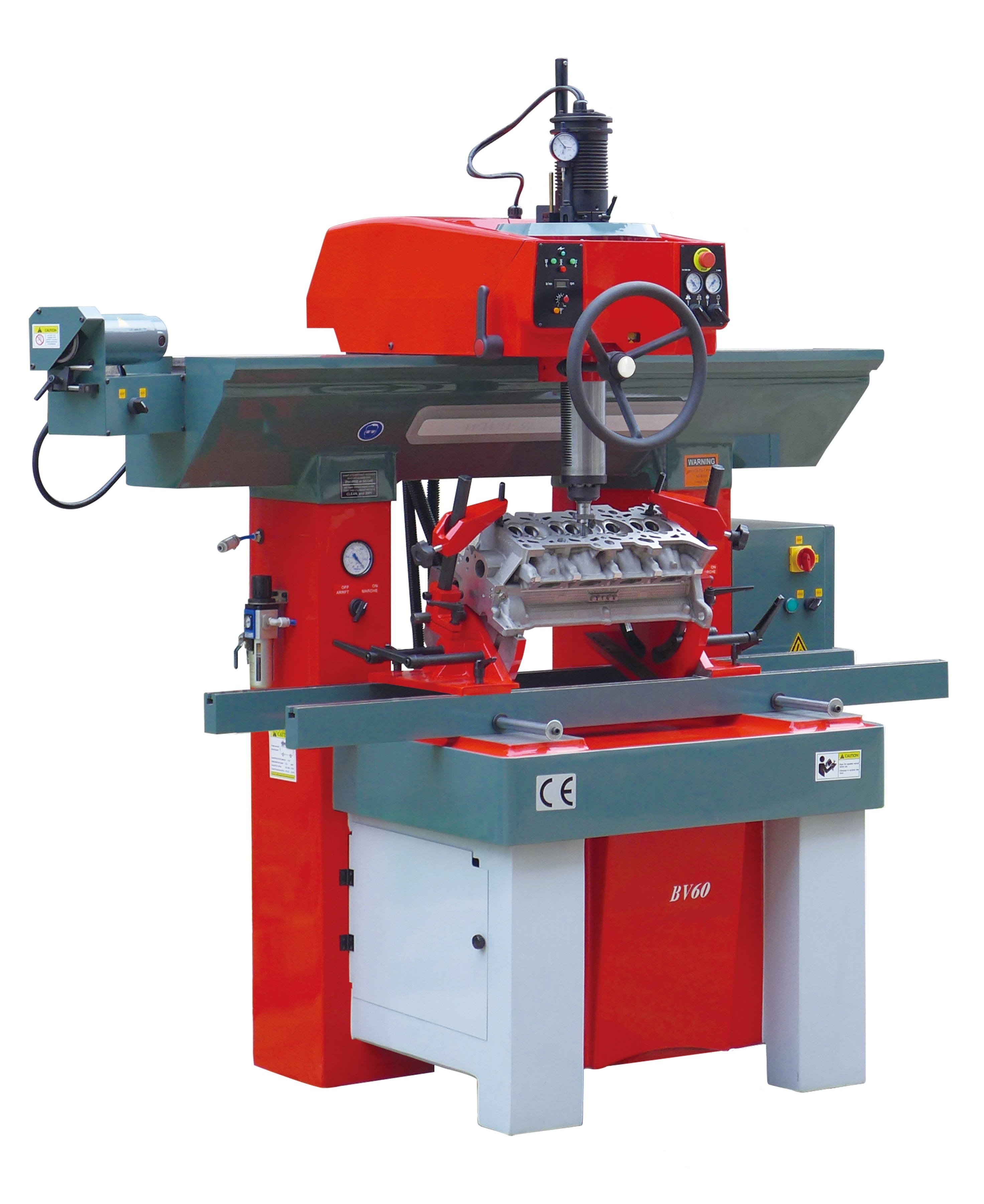
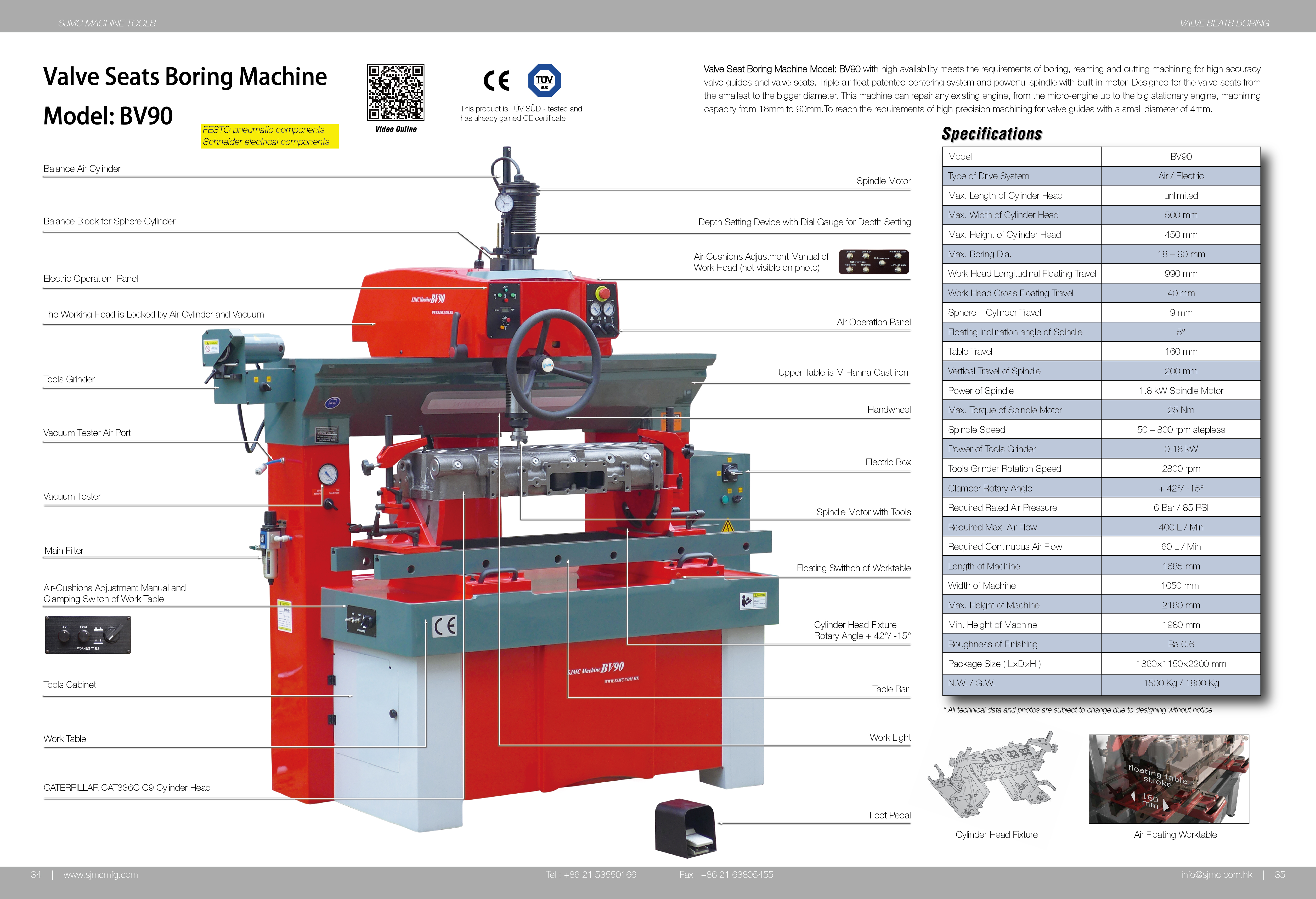
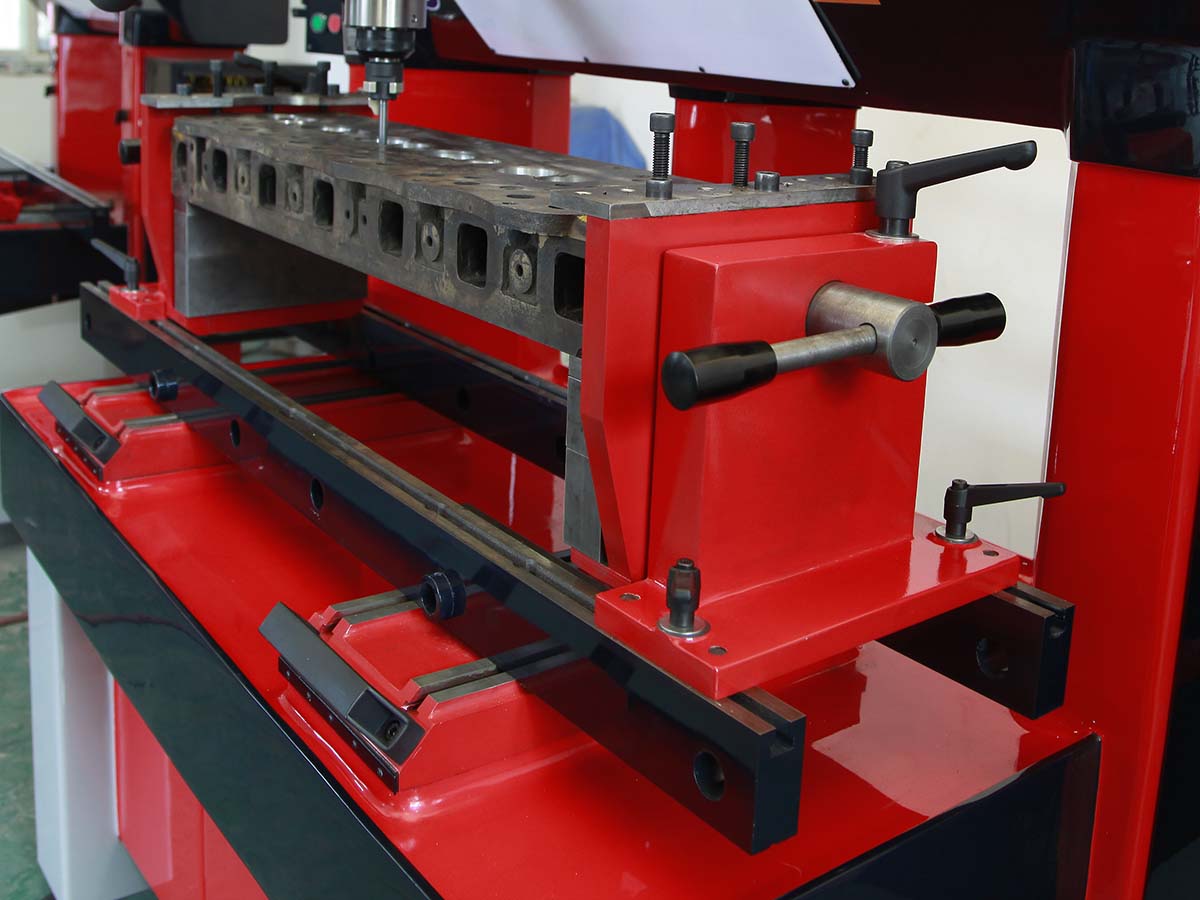
Source industrial boring machines from vetted suppliers and manufacturers across Asia. Designed for heavy equipment importers, machine tool distributors, and procurement managers, our network provides access to precision horizontal, vertical, and CNC boring mills for high-volume or specialized industrial procurement.
Procuring industrial boring machines requires navigating high capital expenditure, stringent geometric tolerances, and complex shipping logistics. Whether you are sourcing horizontal boring mills (HBM) for heavy equipment manufacturing or vertical boring mills for aerospace components, the lifetime value of the machine is entirely dependent on the manufacturer's casting quality, spindle engineering, and controller integration.
Critical Specifications for Heavy-Duty Boring
When negotiating with machine tool builders, precise technical specifications must be established early to ensure the machine can handle the intended workpiece dimensions and cutting forces without chatter or deflection.
- Spindle Diameter and Taper: For horizontal boring, spindle diameters typically range from 110mm to 160mm or larger. Ensure the spindle taper (commonly BT50, ISO50, or CAT50) matches your existing tooling inventory.
- Table Load Capacity: Boring machines handle massive workpieces. Specify the maximum table load in tons (e.g., 5-ton, 10-ton, or 20-ton capacities) and ensure the guideways (linear or box ways) are rated for continuous dynamic loads at that weight.
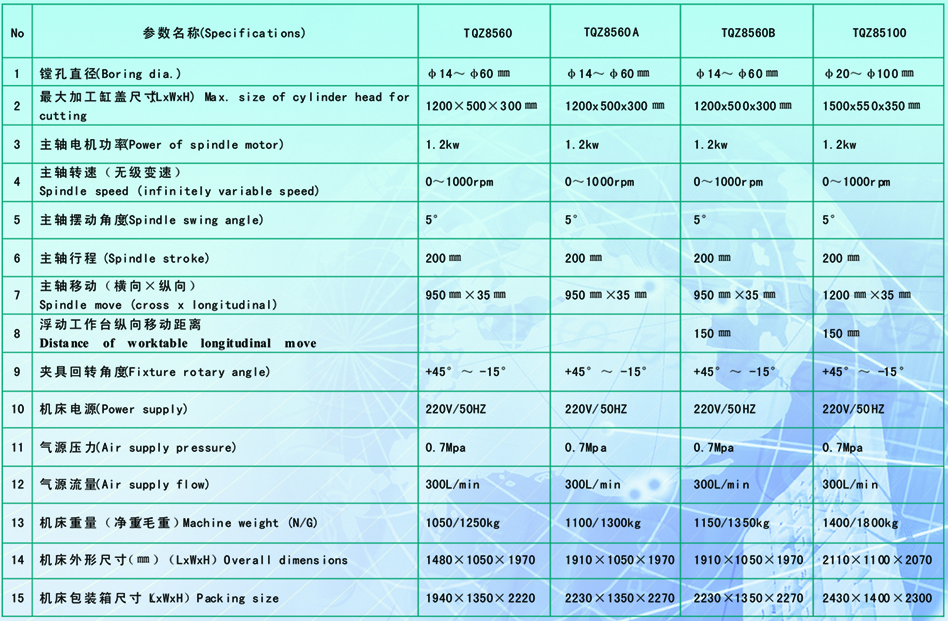
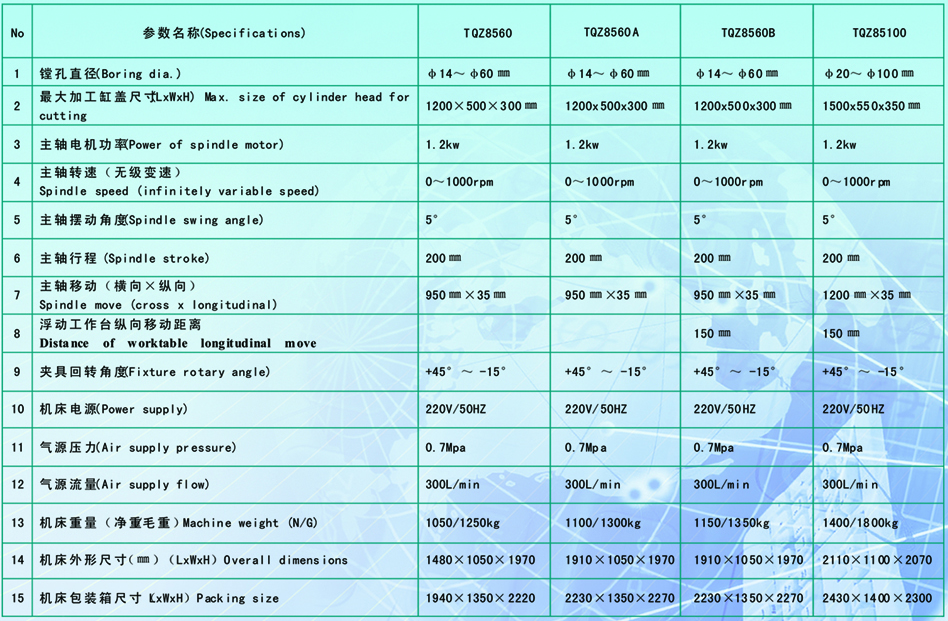
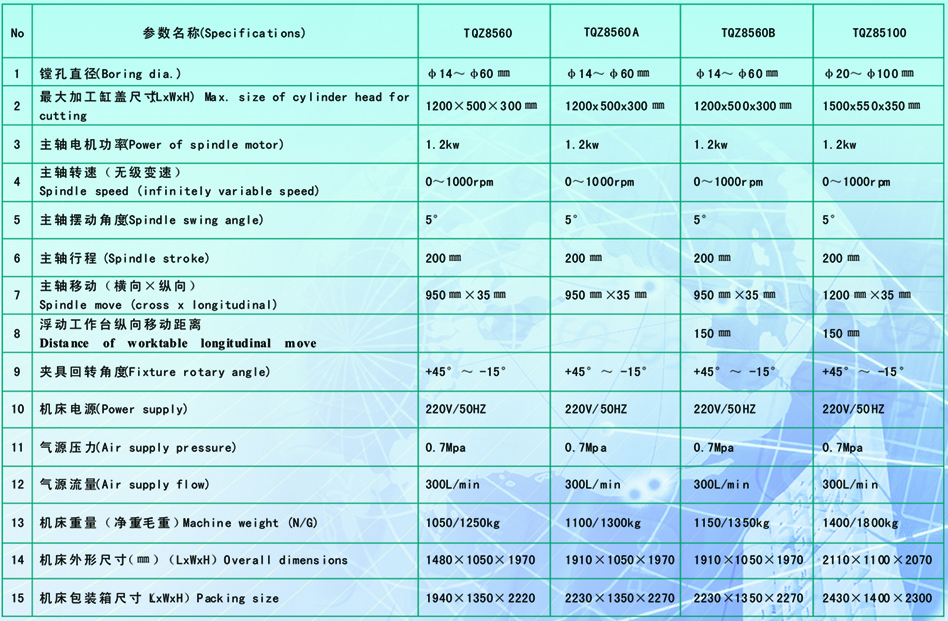
- Axis Travel (X/Y/Z/W): Clearly define the required travel for the longitudinal (X), vertical (Y), cross (Z), and spindle (W) axes.
- CNC Controllers: Standardizing on globally supported controllers like Fanuc, Siemens, or Heidenhain is critical for end-user maintenance and post-sales support.
The Foundation: Casting and Stress Relief
The absolute most critical factor in a boring machine's longevity is the rigidity of its bed and column. Inferior castings will warp over time, destroying the machine's geometric alignment regardless of how advanced the CNC controller is.
Top-tier manufacturers pour their beds using high-grade Meehanite cast iron. Once cast, the metal must undergo stress relief to prevent future deformation.
Casting Stress Relief Methods
Advantages
- Natural Aging: Leaving castings outdoors for 6 to 12 months provides the most stable stress relief, completely eliminating residual internal stresses.
- Thermal Aging (Annealing): Heating and slowly cooling the casting in a furnace accelerates the process to a few days, suitable for faster production schedules.
Disadvantages
- Natural Aging: Severely extends the production lead time if the factory does not keep pre-aged castings in inventory.
- Vibratory Stress Relief: A cheaper, faster alternative used by lower-end factories that is often insufficient for heavy-duty boring machine beds, leading to long-term alignment issues.
Verifying a supplier's casting capabilities, aging inventory, and machining facilities is not something that can be done via email. Conducting thorough Factory Audits is essential to ensure the builder actually machines their own beds rather than assembling cheap, outsourced components.
Need to verify a machine tool builder's capabilities? We conduct on-site engineering audits of Asian manufacturers to ensure their casting and assembly processes meet international standards.
Talk to our technical teamFactory Acceptance Testing (FAT) and Quality Control
Before a boring machine is disassembled for shipping, it must undergo rigorous testing on the factory floor. Do not rely solely on the manufacturer's internal QC reports. Independent Quality Control & Inspection during the FAT phase is your last line of defense against receiving a non-compliant machine.
Mandatory FAT Checkpoints for Boring Machines
- Laser Interferometer Calibration: Verify linear positioning accuracy and repeatability across the full travel of all axes.
- Ballbar Testing: Check for circularity, servo mismatch, and backlash in the X/Y and X/Z planes.
- Spindle Runout and Vibration: Measure radial and axial runout at the spindle nose and test vibration levels at maximum RPM.
- Geometric Alignment: Confirm the perpendicularity of the column to the bed and the flatness of the rotary table.
- Heavy Cutting Test: Perform a test cut on a hardened steel block to check for chatter, rigidity, and motor load limits.
Pricing, MOQs, and Logistics Reality
Because boring machines are specialized, high-value capital equipment, the Minimum Order Quantity (MOQ) is almost universally 1 unit.
Typical Price Ranges
Pricing is dictated by the machine's size, controller brand, and whether it is conventional or CNC.
- Conventional Boring Mills: Typically range from $30,000 to $80,000. Suitable for basic repair shops or single-run heavy maintenance.
- Mid-Range CNC Boring Mills: Range from $120,000 to $250,000. Equipped with linear guideways and standard Fanuc/Siemens controllers.
- Heavy-Duty Floor-Type CNC Mills: Can easily exceed $500,000, featuring massive box ways, RAM-type spindles, and custom table configurations.
| Machine Type | Typical Lead Time | Best Application |
|---|---|---|
| Conventional HBM | 2 to 4 months | Maintenance & repair facilities |
| Standard CNC HBM | 4 to 6 months | Production machining, valve bodies |
| Large Floor-Type CNC | 6 to 10 months | Aerospace, shipbuilding, energy sectors |
Shipping Oversized Machinery
Transporting a boring machine is a complex logistical challenge. Most machines must be partially disassembled, coated in anti-rust cosmoline, and vacuum-sealed. The main bed and column often require Flat Rack or Open Top containers due to being Out of Gauge (OOG), while smaller components ship in standard 40HQ containers. Coordinating this requires specialized Shipping & Freight expertise to avoid damage during port handling and transit.
Shipping heavy machine tools requires specialized rigging and OOG freight management. Let our logistics team handle the consolidation, packing, and international freight for your equipment.
Get a logistics consultationFrequently Asked Questions
Sourcing industrial boring machines is a high-stakes process where the cost of a mistake far outweighs the initial purchase savings. Success requires partnering with builders who possess genuine heavy-machining capabilities and enforcing strict quality control protocols before the equipment ever leaves the factory floor.
Get Sourcing Help for Boring machines
Tell us your requirements and our experts will connect you with verified manufacturers.