Sustainable & Ethical Manufacturing: Sourcing Guide for Brands
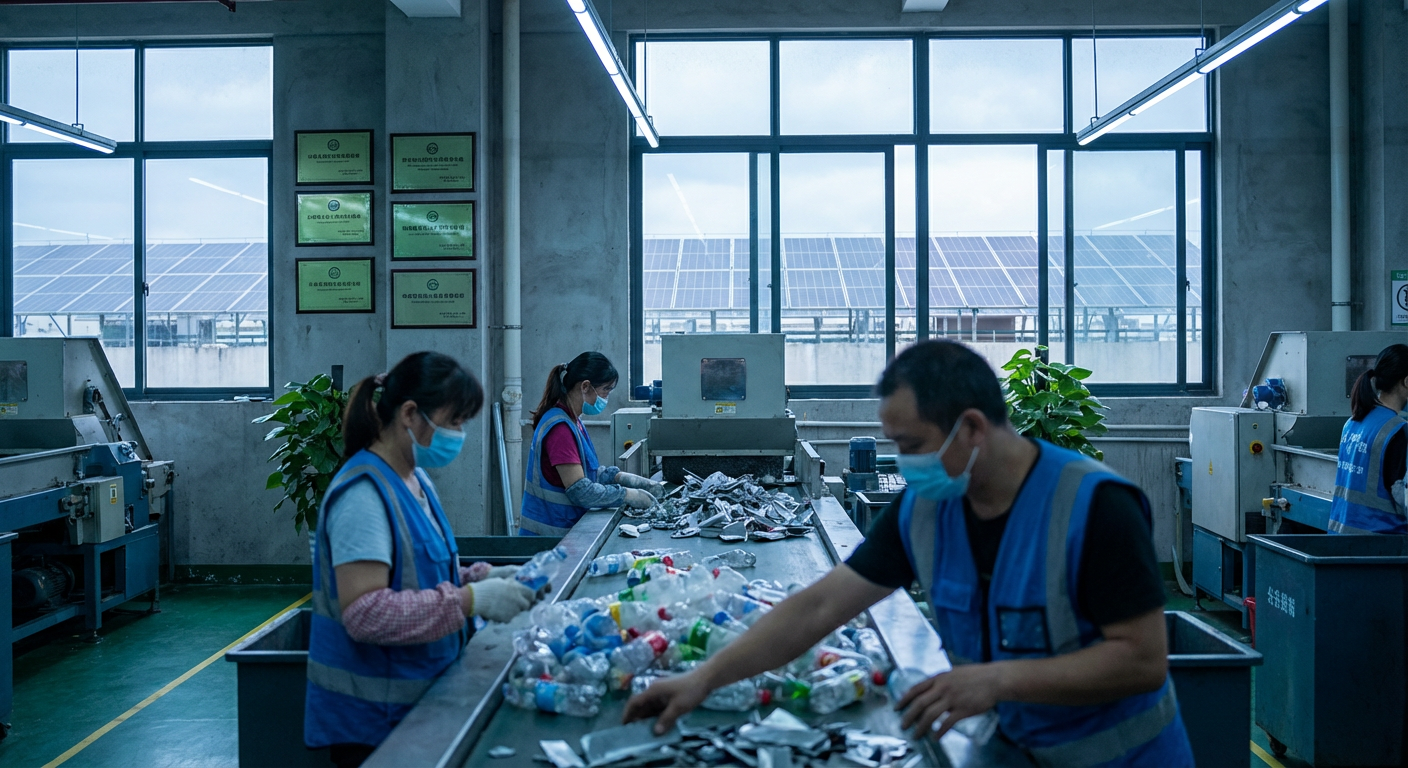
#Introduction
Sustainability is no longer a niche marketing angle; it's a business imperative. Modern consumers demand transparency, and regulators are tightening rules on supply chain ethics.
For brands sourcing from Asia, "going green" can feel daunting. How do you verify claims? What certifications matter? Does it cost more?
This guide cuts through the greenwashing to help you build a genuinely sustainable and ethical supply chain.
#The Business Case for Sustainability
#Key Areas of Sustainable Manufacturing
Sustainability isn't just about materials. It covers three pillars:
- Materials: Recycled, organic, or biodegradable inputs.
- Process: Energy efficiency, water usage, waste management.
- People: Fair wages, safety, no forced labor (Ethical Sourcing).
#Essential Certifications
Certifications are your only proof in a sea of claims. Look for these:
| Category | Certifications | What It Verifies |
|---|---|---|
| Textiles | GOTS, OEKO-TEX | Organic fibers, harmful chemicals |
| Recycling | GRS (Global Recycled Standard) | Recycled content % and chain of custody |
| Social | SA8000, BSCI, SMETA | Worker rights, safety, wages |
| Forestry | FSC | Sustainable wood and paper sourcing |
| General | ISO 14001 | Environmental management systems |
Verification Warning
Fake certificates are common. Always verify the certificate number on the issuing organization's website (e.g., checking a GOTS license number on the Global Standard database).
#How to Find Eco-Friendly Suppliers
- Filter by Certification: On Alibaba or Global Sources, filter for ISO 14001 or specific standards. Note: Platform tags can be self-declared. Truly ethical manufacturers often avoid these marketplaces to distance themselves from "greenwashing" competitors, relying instead on industry audits and networks.
- Ask Specific Questions:
- "Do you have GRS certification?"
- "How do you treat wastewater?"
- "Can you trace the origin of your raw cotton?"
- Look for Specialized Factories: Some regions specialize in eco-materials (e.g., Bamboo in Zhejiang).
#The Cost of Going Green
Yes, it often costs more.
- Materials: Organic cotton or recycled polyester can cost 10-30% more.
- MOQs: Specialized eco-materials often have higher MOQs.
- Audits: Ethical audits cost money.
Strategy: Don't eat the cost. Pass it on. Consumers expect sustainable products to have a premium price. Use the story of your sourcing journey in your marketing to justify the value.
#Red Flags for Greenwashing
Greenwashing Detection
- Vague claims like 'Eco-Friendly' without definitions
- Using a green leaf logo that isn't a recognized certification
- Refusal to show the chain of custody for materials
- Certificates that expired 3 years ago
- Factory looks dirty or unsafe during video tour
#Ready to Build an Ethical Brand?
Sustainable sourcing is a journey, not a destination. Start by choosing one impact area (e.g., packaging or fair labor) and improve from there.
Source Sustainably with Confidence
Our team can help you find verified green manufacturers and audit their environmental claims.
Contact UsRelated Resources:
Share this article
Tagged with:
Related Articles

IP Protection in China Manufacturing: The Essential Guide
Learn how to protect your intellectual property when manufacturing in China. Essential strategies for trademarks, patents, NDAs, and avoiding IP theft.

Sourcing Agent vs. Direct Sourcing: The Definitive Comparison
Should you hire a sourcing agent or go direct to the factory? We analyze the pros, cons, costs, and risks of each model.

Alibaba vs Global Sources: Which B2B Platform is Best for Sourcing?
A detailed comparison of Alibaba and Global Sources for finding suppliers. Learn the pros, cons, and best use cases for each platform.