IP Protection in China Manufacturing: The Essential Guide
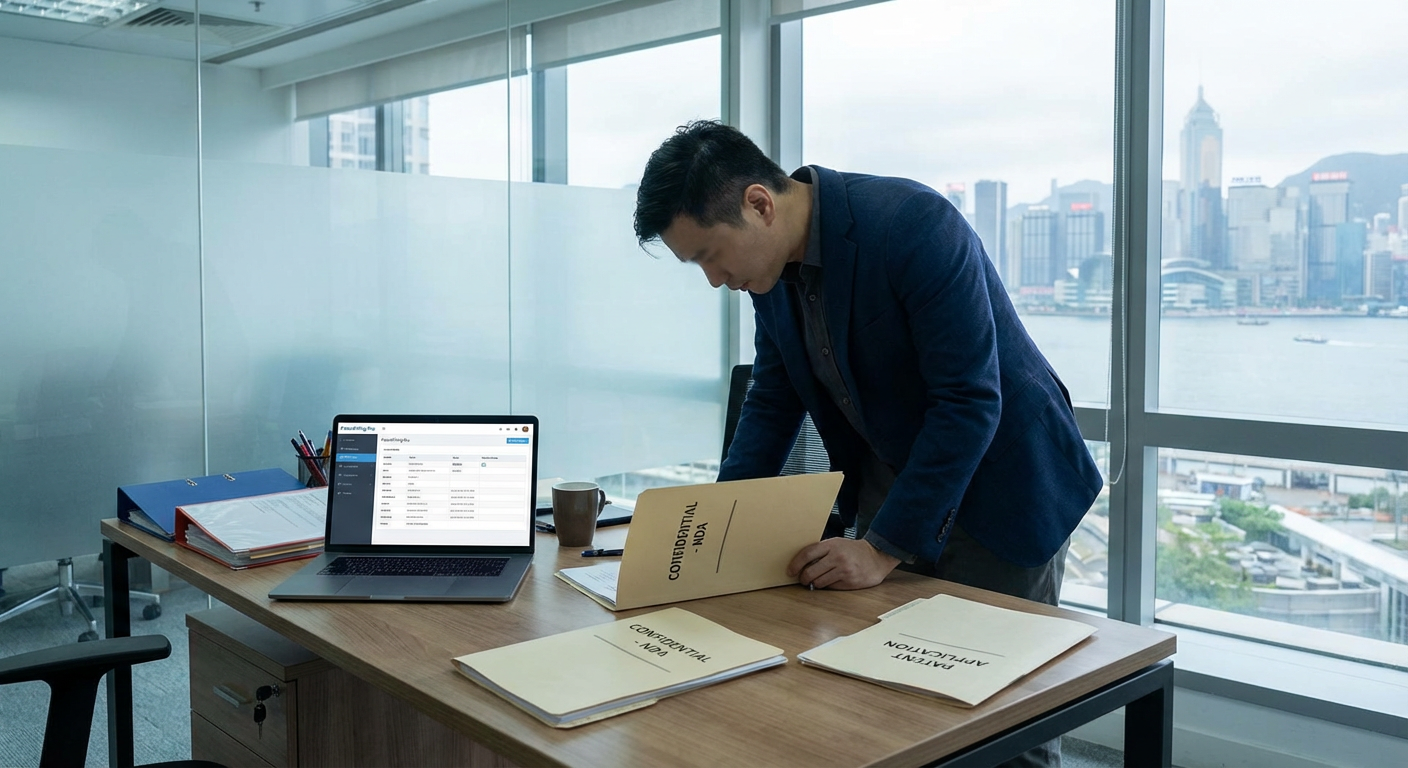
#Introduction
"If I manufacture in China, will they steal my idea?"
This is the single most common fear among entrepreneurs and product developers. Stories of "knock-off" products appearing on Alibaba before the original even launches are legendary.
However, the landscape of Intellectual Property (IP) protection in China has improved dramatically in the last decade. China now has specialized IP courts and a stronger enforcement mechanism—if you follow the right legal procedures.
This guide outlines the essential steps to protect your brand, designs, and innovations when sourcing from China.
The Golden Rule
IP rights are territorial. Your US or EU trademark/patent has no legal standing in China unless you register it there separately.
#The "First-to-File" System
Understanding China's legal framework is crucial. Unlike the "First-to-Use" system in the US (where using a brand name gives you some rights), China operates on a "First-to-File" basis.
What this means for you:
- The first person to file the paperwork owns the rights.
- If a squatter registers your brand name before you do, they legally own it in China.
- They can even block your goods from leaving China at customs for "trademark infringement."
Action: Register your IP before you start discussions with suppliers or show your product at trade shows.
#Types of IP Protection
| IP Type | Protects | Registration Time | Duration |
|---|---|---|---|
| Trademark | Brand name, logo | 12-18 months | 10 years |
| Design Patent | Aesthetic look/shape | 4-6 months | 15 years |
| Utility Model | Functional structure | 6-12 months | 10 years |
| Invention Patent | New technology | 2-3 years | 20 years |
| Copyright | Software, art, manuals | 1-2 months | 50 years |
#1. Trademarks
Your brand name and logo are your most valuable assets. Registering a trademark in China prevents others from using your brand and allows you to take down counterfeit listings on Alibaba/Taobao.
Strategy: Register both your English name and a Chinese name translation. If you don't choose a Chinese name, the market will choose one for you, and you won't own it.
#2. NNN Agreements (Not Just NDAs)
A standard Western Non-Disclosure Agreement (NDA) is often ineffective in China. You need a NNN Agreement:
- Non-Use: The factory cannot use your idea/product.
- Non-Disclosure: They cannot share your info with others.
- Non-Circumvention: They cannot sell directly to your customers.
Legal Tip
Ensure your NNN agreement is written in Chinese, governed by Chinese law, and enforceable in a specific Chinese court. An English contract under US law is very difficult to enforce in China.
#3. Design Patents
For products with a unique visual appearance, a Design Patent is powerful and relatively fast to obtain. It protects the look of the product, not how it works.
#5 Steps to Secure Your IP
Audit Your IP
Identify what needs protection: Brand name, logo, unique design features, specific technology, or software code.
Register Early
File trademarks and patents in China BEFORE revealing your product to potential suppliers. Use a qualified IP lawyer.
Sign NNN Agreements
Have suppliers sign a China-enforceable NNN agreement before sharing technical specs or CAD files.
Compartmentalize Production
For highly sensitive products, have different factories make different components, with final assembly done by a trusted partner or in-house.
Monitor the Market
Regularly check Alibaba, Taobao, and trade shows for infringements. Use your registered IP to issue takedowns.
Need Legal IP Support?
We work with specialized legal partners in China to help you register trademarks and draft enforceable NNN agreements.
Contact Us#Practical Protection Strategies
Legal tools are essential, but practical operational security is just as important.
Operational Security Checklist
- Share only necessary information with suppliers
- Watermark all technical drawings with 'Confidential'
- Use generic names for components in BOMs where possible
- Control the molds/tooling (you pay for it, you own it)
- Keep critical software/firmware code in-house (flash it yourself or use a secure chip vendor)
- Vet suppliers thoroughly for past IP disputes
#Common Myths About IP in China
#Myth 1: "Patents are useless because China copies everything."
Reality: While copying happens, foreign companies frequently win IP lawsuits in China today. The specialized IP courts are increasingly pro-plaintiff.
#Myth 2: "My US trademark protects me."
Reality: It does not. Without a China registration, you have zero trademark rights there.
#Myth 3: "The factory is my partner, they won't copy me."
Reality: Your contact might be honest, but if the factory boss sees an opportunity to sell your product to a buyer in Brazil, they might take it. "Business is business."
#Case Study: The "OEM Trap"
Scenario: A US startup designed a unique camping chair. They sent full drawings to a factory without an NNN or patent. The Issue: The factory started selling the chair to other clients before the startup even launched. The Result: The market was flooded with cheaper versions. The startup had no legal recourse because they hadn't registered the design in China.
Lesson: Never assume "implied" confidentiality. If you don't protect it legally, it's fair game.
#Ready to Protect Your Innovation?
Don't let fear of IP theft stop you from manufacturing in China, but don't go in blind. With the right legal framework and operational discipline, you can secure your intellectual property effectively.
Ready to Start Sourcing?
Get expert guidance on your sourcing journey. Our team has helped over 200 companies successfully source products from Asia.
Contact UsRelated Resources:
- NNN Agreement Template
- IP Audit Checklist
- Trademark Registration Guide
Share this article
Tagged with:
Related Articles
Sustainable & Ethical Manufacturing: Sourcing Guide for Brands
How to find eco-friendly manufacturers, understand sustainability certifications, and build an ethical supply chain in Asia.

The Complete Guide to Sourcing Products from China in 2025
Master sourcing products from China with this comprehensive guide covering supplier selection, quality control, logistics, and common pitfalls.
OEM vs ODM Manufacturing: Which Model Is Right for Your Business?
Understand the key differences between OEM and ODM manufacturing to make the right choice for your product development needs, budget, and timeline.