Alibaba vs Global Sources: Which B2B Platform is Best for Sourcing?
#Introduction
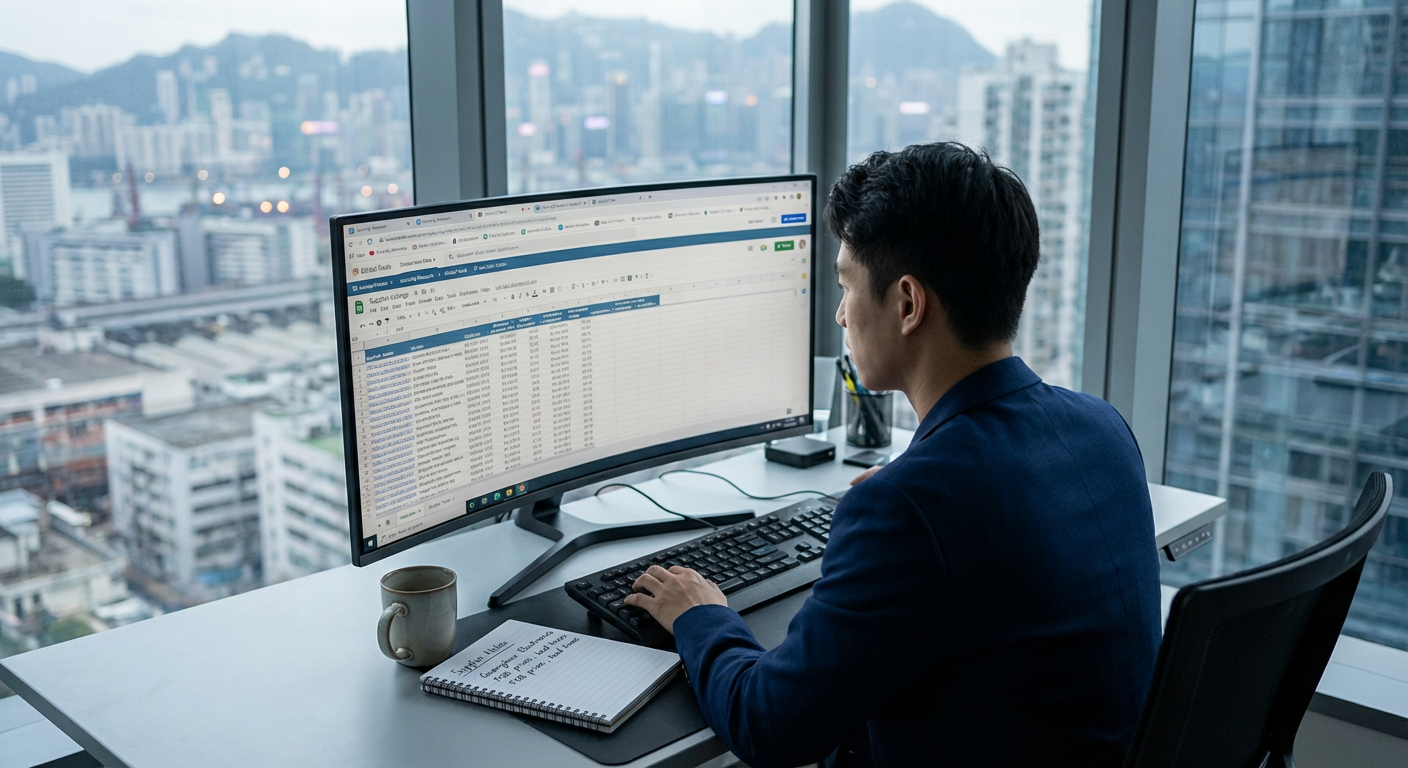
When searching for Chinese suppliers, two giants dominate the landscape: Alibaba and Global Sources.
While both connect international buyers with Asian manufacturers, they serve different needs, different industries, and often, different types of buyers. Choosing the wrong platform can lead to wasted time, lower quality options, or higher risks of scams.
This guide compares them head-to-head to help you decide where to focus your sourcing efforts.
#Platform Overview
#Alibaba.com
Founded by Jack Ma in 1999, Alibaba is the Amazon of B2B. It's massive, covering every conceivable product category. It focuses on accessibility, making it easy for anyone to contact factories (and trading companies).
#Global Sources
Older than Alibaba (started as a trade journal in 1971), Global Sources is known for its rigorous supplier verification and focus on professional, export-ready manufacturers. It integrates deeply with physical trade shows in Hong Kong.
#Feature Comparison
| Feature | Alibaba | Global Sources |
|---|---|---|
| Supplier Volume | Huge (Millions) | Lower (Thousands) |
| Supplier Quality | Mixed (High variance) | Higher Average (Curated) |
| MOQs | Lower (Flexible) | Higher (Professional) |
| User Interface | Modern, App-focused | Traditional, Functional |
| Verification | Gold Supplier / Verified | Verified Manufacturer |
| Payment Protection | Trade Assurance (Strong) | Limited |
| Best For | Startups, General Goods | Established Brands, Electronics |
#Deep Dive: Alibaba
Alibaba Pros & Cons
Advantages
- Incredible variety - you can find ANYTHING
- Trade Assurance protects your payment
- RFQs (Request for Quotation) feature is powerful
- Easy to find low MOQs for startups
Disadvantages
- Many trading companies posing as factories
- Higher risk of low-quality goods
- Communication spam can be overwhelming
Best For: First-time importers, small businesses, and products in general categories (home, garden, pet, accessories).
#Deep Dive: Global Sources
Global Sources Pros & Cons
Advantages
- Suppliers are often more professional/export-focused
- Less 'junk' to filter through
- Strong in Electronics, Fashion, and Gifts
- O2O integration (Online to Offline trade shows)
Disadvantages
- Higher MOQs usually required
- Fewer suppliers overall
- Less robust payment protection system
Best For: Experienced importers, private label brands, and electronics sourcing.
#Verification Systems: Which is Safer?
Alibaba's "Verified Supplier":
- Third-party inspection (Intertek, SGS, TUV) verifies the physical existence and operations.
- Look for the "Verified" tag, not just "Gold Supplier" (Gold is a paid membership).
Global Sources "Verified Manufacturer":
- Rigorous vetting process.
- Often requires business registration checks and physical visits.
- Suppliers here are often exhibitors at their trade shows, adding a layer of legitimacy.
Safety Tip
No platform guarantees safety. Platforms verify existence, not ethics or quality. You still need to conduct your own due diligence and factory audits.
#The "Trading Company" Factor
Alibaba is famous for having many trading companies (middlemen). This isn't always bad—they offer better service and lower MOQs—but you pay a margin.
Global Sources tends to attract more direct manufacturers because the entry cost for suppliers is higher, filtering out smaller middlemen.
#The "Hidden" Supply Chain
While Alibaba and Global Sources are excellent directories, it's crucial to understand their business model: they are marketing platforms.
- Pay-to-Play Rankings: Top search results are often there because they paid for advertising, not because they are the best manufacturers.
- The "Best" Aren't Always There: Many top-tier factories—those producing for major global brands—do not list themselves on public marketplaces. They operate on capacity contracts and industry reputation. They don't need to deal with the thousands of low-quality inquiries that come from public listings.
- Misaligned Incentives: These platforms want to keep you on the platform. However, your goal is to find a partner who fits your specific engineering and quality needs, which often requires deep, offline verification that a webpage cannot provide.
This is why many experienced importers eventually graduate from public marketplaces to working with sourcing partners who have established relationships with these "hidden" factories.
#Decision Guide
#Choose Alibaba If:
- You are sourcing general consumer goods.
- You need low MOQs (under 500 units).
- You want the safety net of Trade Assurance.
- You want to quickly cast a wide net.
#Choose Global Sources If:
- You are sourcing electronics, mobile accessories, or fashion.
- You are an established brand with higher volume.
- You plan to visit trade shows in Hong Kong.
- You want to filter out low-end suppliers quickly.
Need Help Vetting Suppliers?
We can verify any supplier from Alibaba or Global Sources. Get a comprehensive background check and factory audit before you pay.
Contact Us#Conclusion
Don't limit yourself to one. Use both.
The smart strategy is to search both platforms. You might find the same supplier on both, but with different product focuses. Or you might find that Alibaba gives you 50 options while Global Sources gives you 5 high-quality ones.
Competition is good for the buyer. Get quotes from suppliers on both platforms to find the true market price.
Related Resources:
Share this article
Related Articles

7 First-Time Importer Mistakes to Avoid (And How to Fix Them)
Don't learn the hard way. Avoid these common sourcing mistakes that cost beginners thousands of dollars and months of time.

Sourcing Agent vs. Direct Sourcing: The Definitive Comparison
Should you hire a sourcing agent or go direct to the factory? We analyze the pros, cons, costs, and risks of each model.
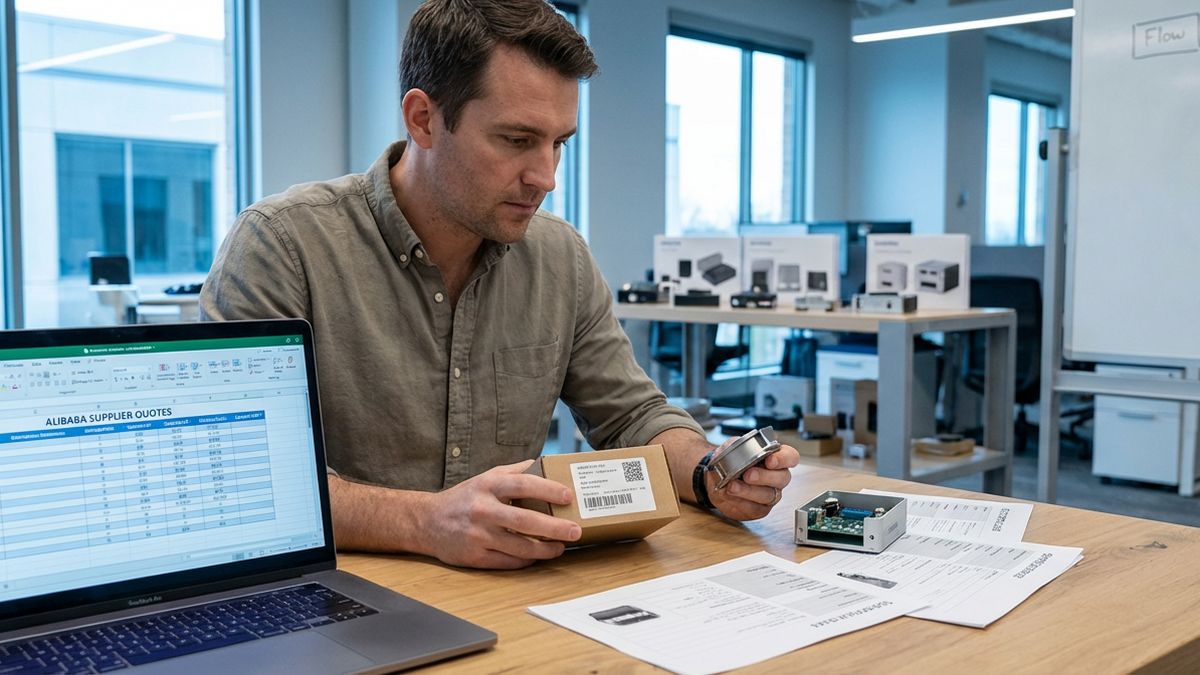
How to Buy from Alibaba Safely for Your First Order
Learn how to buy from Alibaba safely for your first order, from finding real suppliers to samples, payment terms, shipping, and scam traps.