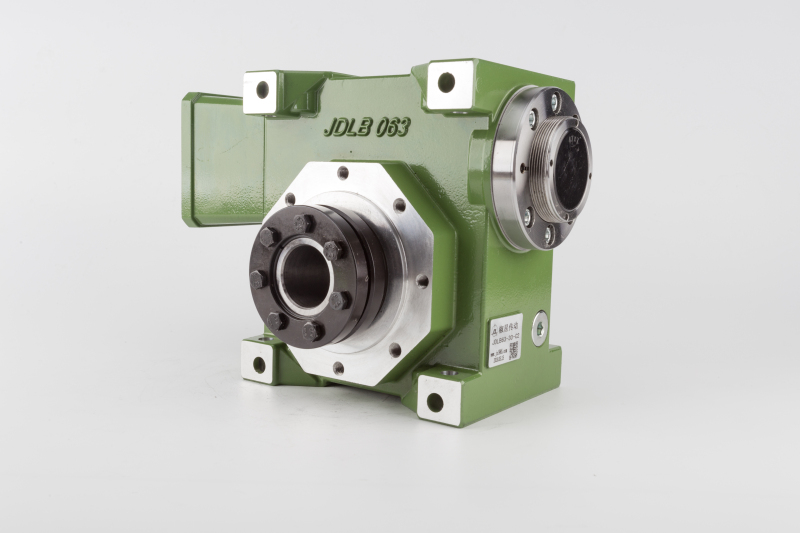
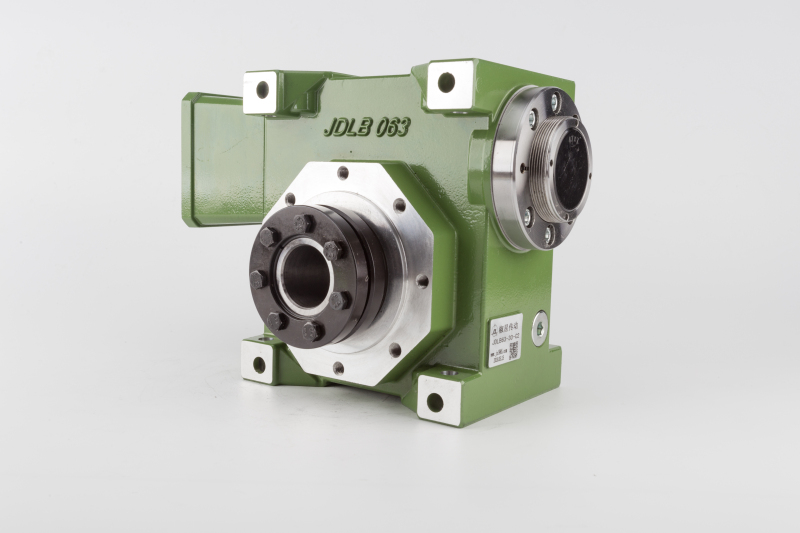
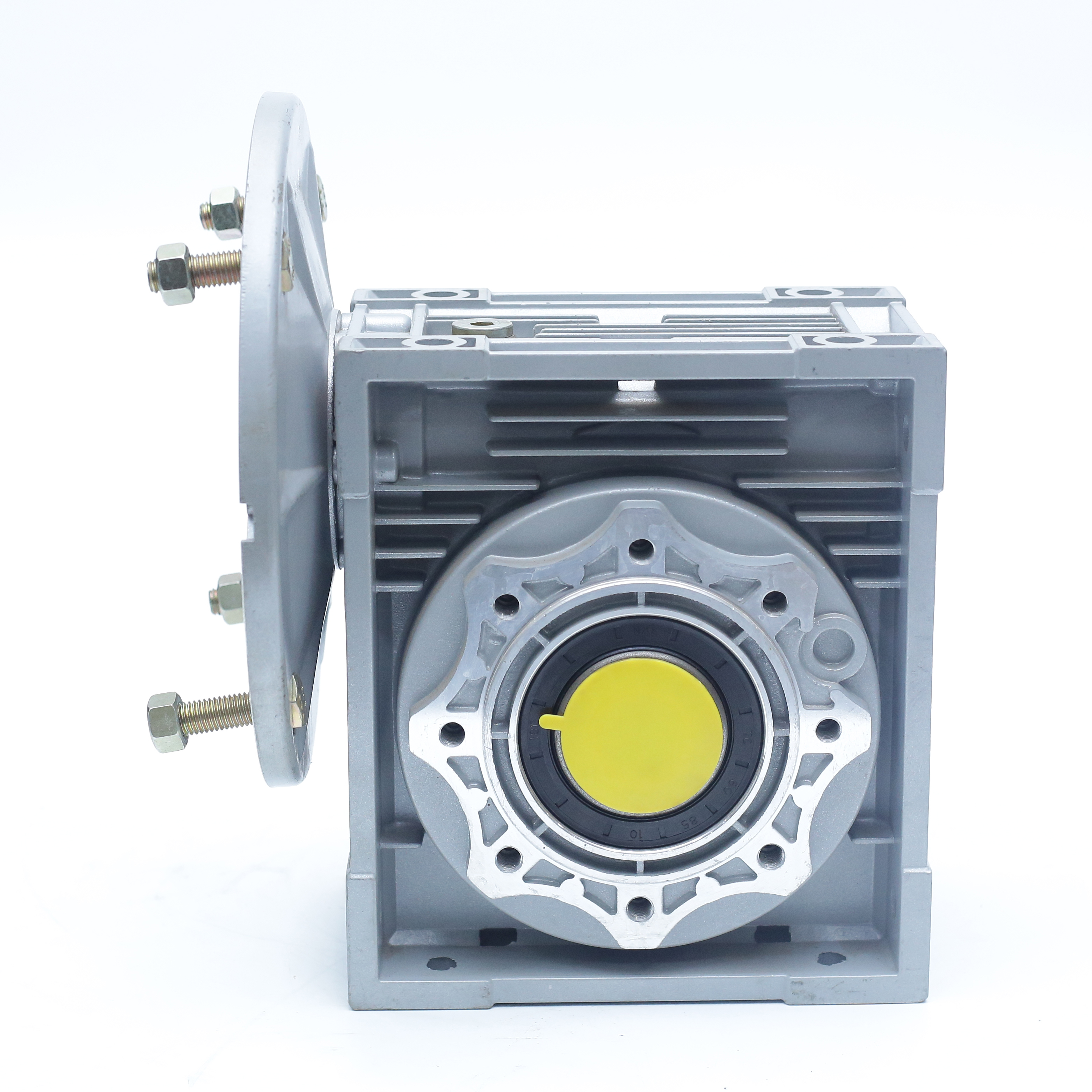
Worm Gears
Source industrial worm gears directly from vetted manufacturers and wholesale suppliers. Tailored for importers, distributors, and brands requiring reliable OEM production, our network delivers precision gear sets for high-torque applications. Secure competitive bulk pricing and strict quality assurance for your volume orders.
Sourcing worm gears at scale requires balancing torque capacity, self-locking requirements, and thermal efficiency. The core challenge in procuring these gear sets isn't simply finding a factory with machining capacity; it is verifying that the supplier possesses the specialized hobbing, grinding, and metallurgical expertise required to maintain tight backlash tolerances and surface finishes across thousands of units.
Specifying Worm Gears for Volume Production
When moving to bulk manufacturing or custom production, technical clarity is your first line of defense against supplier errors. Chinese manufacturers typically work with metric modules, though imperial diametral pitch (DP) capabilities are common in export-focused facilities.
Key parameters you must define for your supplier include:
- Module (m) / Diametral Pitch (DP): Dictates the size and strength of the gear teeth.
- Center Distance: The exact distance between the worm shaft axis and the worm wheel axis.
- Lead Angle & Starts: Single-start worms provide higher ratios and self-locking characteristics, while multi-start worms offer higher efficiency but lose the self-locking feature.
- Backlash Tolerance: Specified in arc-minutes. Standard industrial applications often accept 10 to 15 arc-minutes, while precision servo applications require under 3 arc-minutes.
| Component | Standard Material | Premium / High-Load Material |
|---|---|---|
| Worm Shaft | 45# Steel (Induction Hardened) | 20CrMnTi or 8620 (Case Hardened & Ground) |
| Worm Wheel | Cast Iron (Low speed/load) | Tin Bronze (e.g., CuSn10, ZCuSn10Pb1) |
Need to verify a factory's machining capabilities? Let us help you audit their facilities before you place a volume order.
Talk to our teamManufacturing Capabilities That Matter
The performance of a worm gear heavily depends on the contact pattern between the worm and the wheel. Achieving the ideal 60 to 80 percent contact area requires precise manufacturing steps.
When evaluating a manufacturer, you must look beyond basic CNC turning. The critical steps involve gear hobbing for the wheel and thread milling or grinding for the worm. Heat treatment is a major failure point; if a factory outsources their carburizing and quenching, they lose control over the shaft's dimensional stability. Warpage during heat treatment requires advanced CNC thread grinding to correct, a capability many lower-tier suppliers lack.
Conducting thorough Factory Audits is essential to confirm that a supplier actually owns the necessary gear grinding equipment (like Reishauer or Gleason machines) and isn't simply sub-contracting the critical finishing work.
Quality Control Checkpoints
To prevent premature wear and catastrophic failure in the field, your Quality Control & Inspection protocols should include specific checks:
Pre-Shipment Inspection Focus Areas
- Profile and lead inspection using a Coordinate Measuring Machine (CMM)
- Surface hardness testing on the worm shaft (targeting 58-62 HRC for case-hardened steel)
- Mesh testing to verify the contact pattern and center distance
- Runout and concentricity checks on both the shaft and wheel bore
- Surface finish (Ra) measurement on the worm threads to ensure smooth sliding action
Sourcing Mechanics: MOQs, Pricing, and Lead Times
Pricing for worm gears is highly dependent on the bronze alloy used for the wheel and the precision grade (e.g., DIN 6 vs. DIN 8) required. Because bronze is a volatile commodity, gear prices will fluctuate with global metal markets.
If you are utilizing OEM/ODM Services for custom gear ratios or proprietary shaft configurations, expect to pay tooling costs for custom hobs if your module or pressure angle falls outside standard catalogs.
Struggling with inconsistent gear quality or delayed shipments? Speak with our sourcing experts to stabilize your supply chain.
Get a free consultationFrequently Asked Questions
Procuring high-quality worm gears requires a strict focus on metallurgical integrity and machining precision. By implementing robust quality control and verifying factory capabilities upfront, you can secure reliable, high-performance gear sets that keep your production lines moving and your customers satisfied.
Get Sourcing Help for Worm Gears
Tell us your requirements and our experts will connect you with verified manufacturers.