Wood Pellet Mills
Source industrial-grade wood pellet mills from vetted manufacturers and wholesale suppliers. Built for importers, equipment distributors, and agricultural machinery brands needing reliable OEM/ODM production, our network delivers high-capacity pelletizing equipment engineered for continuous operation and precision output.
Sourcing commercial wood pellet mills requires navigating a complex landscape of industrial machinery manufacturers. The primary challenge isn't just finding a factory that can assemble a mill; it's identifying a partner with the metallurgical expertise and precision engineering required to produce equipment capable of withstanding the extreme friction and pressure of continuous biomass compression. For heavy machinery, upfront cost savings quickly evaporate if premature die wear or bearing failures lead to operational downtime.
Core Engineering: Specifying the Right Equipment
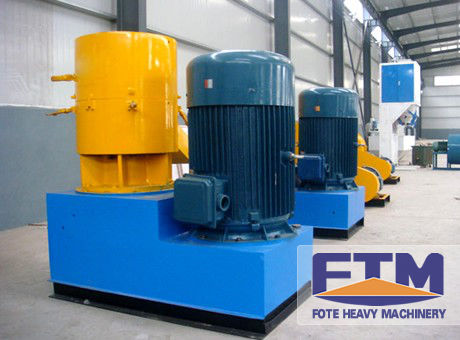
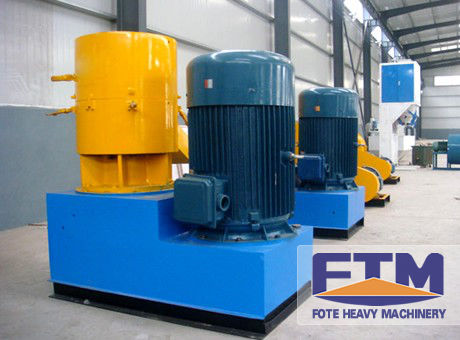
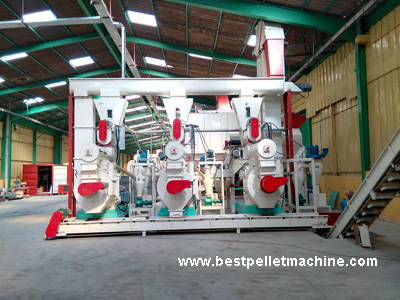
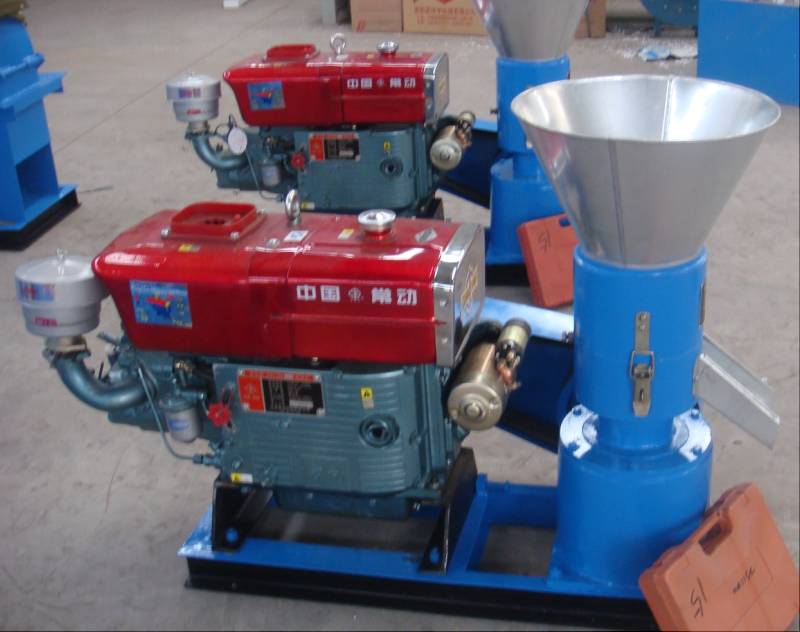
When buying in bulk or configuring a line for industrial clients, the core specifications dictate both the lifespan of the machine and the quality of the output. The foundational choice is between flat die and ring die configurations, but the true differentiation lies in the metallurgy and drive systems.
| Specification | Flat Die Mills | Ring Die Mills |
|---|---|---|
| Primary Application | Small-scale, agricultural, intermittent use | Industrial, commercial biofuel, continuous operation |
| Capacity Range | 100 kg/h to 1,000 kg/h | 1,000 kg/h to 5,000+ kg/h per unit |
| Wear Part Lifespan | Moderate (300 to 500 hours) | Extended (800 to 1,500 hours depending on material) |
| Capital Expenditure | Lower upfront cost | Higher initial investment, lower cost-per-ton |
Metallurgy and Compression Ratios (CR)
The heart of any pellet mill is the die and roller assembly. Wood is highly abrasive, requiring high-grade alloy steel or stainless steel (typically X46Cr13) for the ring die. The compression ratio—the ratio between the active length of the die hole and its diameter—must be perfectly matched to the specific wood species (e.g., pine requires a different CR than oak). Manufacturers lacking precise CNC drilling and vacuum heat treatment capabilities will produce dies that crack under pressure or wear unevenly.
Factory Evaluation: Where Quality is Won or Lost
The Chinese machinery market offers everything from world-class engineering to sub-standard assembly workshops. Validating a supplier requires looking past the showroom and examining their machining floor. Conducting thorough Factory Audits is essential to verify their in-house capabilities versus what they outsource.
Critical Factory Verification Points
- In-house CNC machining centers for precise die hole drilling
- Vacuum heat treatment furnaces (outsourced heat treatment often leads to inconsistent hardness)
- Dynamic balancing machines for the main drive and ring die assembly
- Authentic sourcing of critical components (e.g., SKF/NSK bearings, Siemens/ABB motors)
- Documented run-in testing protocols before shipment
If the main shaft and ring die are not dynamically balanced, the resulting vibration will destroy the main bearings within months.
Need help verifying a manufacturer's technical capabilities? Our engineers on the ground can audit factory facilities and validate component authenticity before you place an order.
Talk to our machinery sourcing teamCustomization and OEM Requirements
For machinery distributors and brands, OEM/ODM Services go beyond simply painting the machine in your brand colors. You must specify the electrical requirements for your target market. A standard Chinese domestic motor (380V/50Hz) will not operate efficiently in North America (480V/60Hz).
Additionally, safety guarding, emergency stop configurations, and CE/UL certifications must be specified upfront. Retrofitting non-compliant machinery at the destination port is prohibitively expensive.
Typical Pricing, MOQs, and Lead Times
Industrial wood pellet mills are capital equipment, and pricing scales linearly with capacity, motor brand, and die metallurgy.
Logistics for heavy machinery require specialized handling. Large ring die mills often require flat rack containers or specialized bracing within standard high-cube containers to prevent shifting. Coordinating proper Shipping & Freight ensures the equipment arrives without structural damage or misalignment.
Heavy machinery shipping requires precise planning. We handle the consolidation, specialized bracing, and customs clearance to ensure your equipment arrives safely.
Get a logistics consultationFrequently Asked Questions
Sourcing wood pellet mills is an exercise in risk management as much as procurement. By focusing on metallurgical quality, dynamic balancing, and authentic components, buyers can secure equipment that delivers a low total cost of ownership over years of continuous operation.
Get Sourcing Help for Wood Pellet Mills
Tell us your requirements and our experts will connect you with verified manufacturers.