Wiring Ducts
Source high-quality wiring ducts in bulk from vetted manufacturers and suppliers. Designed for electrical wholesalers, distributors, and brands seeking reliable OEM production, our network delivers industrial-grade cable management solutions. Secure competitive wholesale pricing and consistent quality for your next import order.
Sourcing industrial wiring ducts at scale requires balancing material integrity with precise dimensional tolerances. For distributors, panel builders, and OEM brands, inconsistent extrusion or poor cover retention can lead to failed installations and costly rework. Securing a reliable supply chain means looking past the surface finish and vetting factories for strict raw material controls, precision tooling, and rigorous compliance testing.
Material Specifications & Extrusion Quality
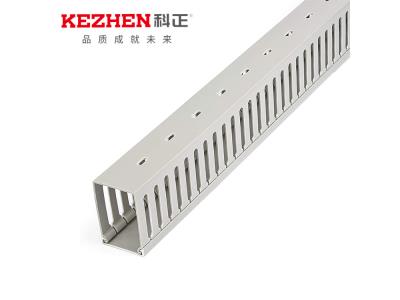
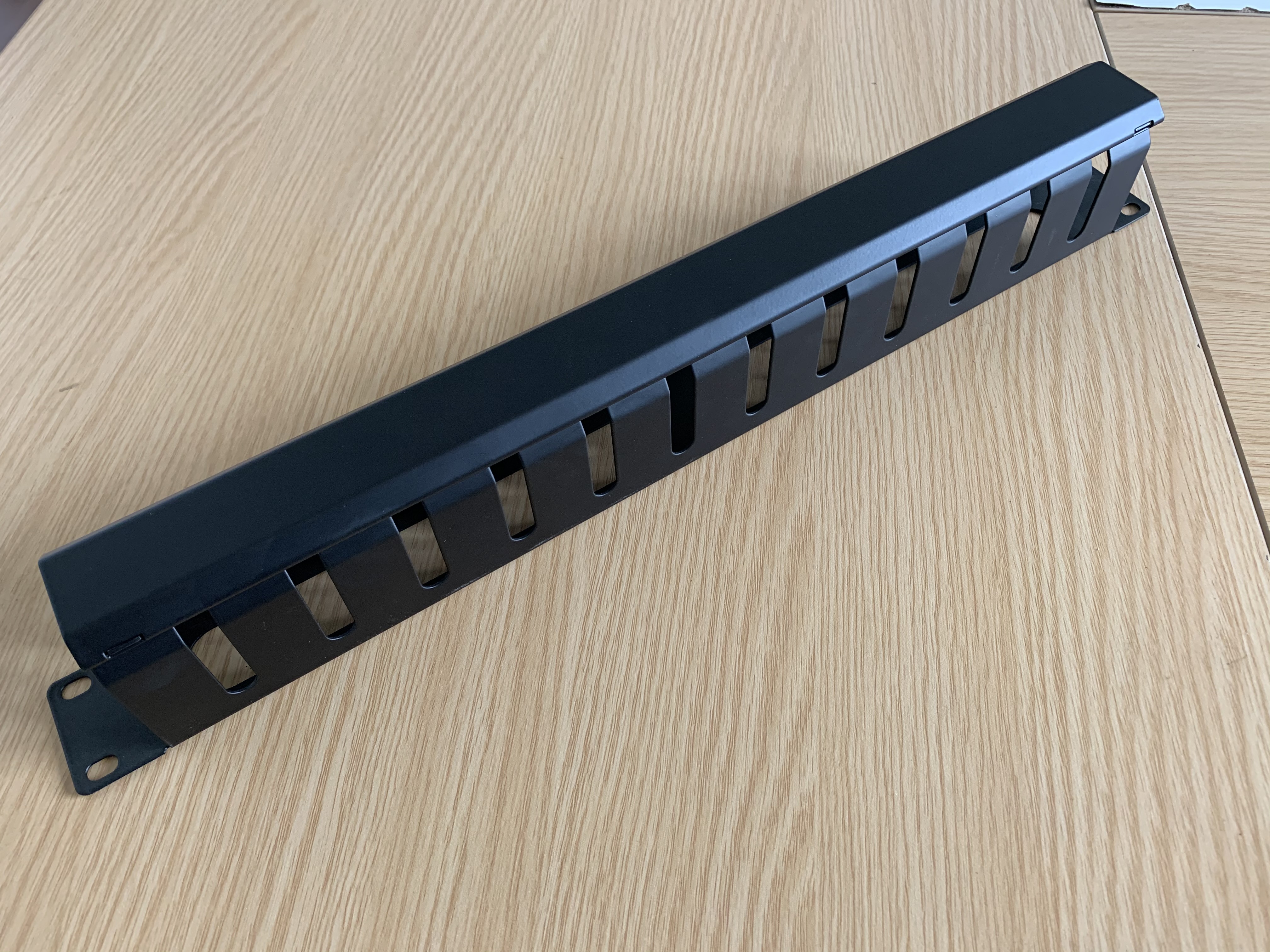
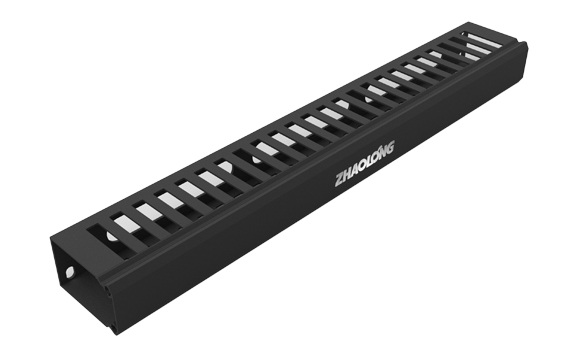
Wiring ducts are primarily manufactured via thermoplastic extrusion. The core challenge in bulk procurement is ensuring the factory maintains consistent temperature and pressure during the extrusion process. Fluctuations here lead to warped profiles, uneven wall thickness, or brittle "fingers" on slotted variants that snap during wire installation.
Buyers must specify the exact material compound based on the end-user's application. Standard rigid PVC is the workhorse of the industry, typically rated for continuous operating temperatures up to 50 degrees Celsius. However, for specialized environments, alternative compounds are mandatory.
| Material Type | Standard Rigid PVC | Halogen-Free (PC/ABS) |
|---|---|---|
| Primary Application | General industrial, control panels | Data centers, mass transit, public spaces |
| Flammability Rating | Typically UL94 V-0 | UL94 V-0 (Zero Halogen) |
| Operating Temp | Up to 50°C | Up to 85°C |
| Cost Profile | Baseline | Premium (often double standard PVC) |
The Regrind Risk
To cut costs, some lower-tier manufacturers mix high percentages of recycled "regrind" PVC into their raw material hoppers. While a small percentage of clean regrind is standard practice, excessive amounts degrade the polymer's structural integrity, resulting in slotted fingers that break off under minimal stress.
Quality Control and Performance Tolerances
Cover retention is the defining mechanical feature of a wiring duct. If the cover slips or pops off under the pressure of densely packed wires, the product fails its primary function. Achieving a flush, non-slip fit requires perfectly calibrated extrusion dies and controlled cooling baths.
When establishing your Quality Control & Inspection protocols, ensure inspectors evaluate the mechanical fit and finish before the container is loaded.
Critical Pre-Shipment QC Checks
- Cover Retention Force: Covers must snap on securely and resist outward pressure from internal wiring.
- Finger Flexibility: Slotted fingers must bend up to 90 degrees without snapping or showing stress whitening.
- Burr-Free Edges: All punched slots and mounting holes must be free of sharp plastic flash that could damage wire insulation.
- Dimensional Accuracy: Wall thickness and overall profile dimensions must match CAD specifications to ensure modular compatibility.
- Color Consistency: Extrusion batches must match standard RAL or Pantone colors without streaking.
Struggling with inconsistent extrusion quality or brittle plastics from your current supplier? Let us connect you with vetted manufacturers capable of meeting strict industrial tolerances.
Talk to our teamCustomization and OEM Production
While standard grey or white slotted ducts make up the bulk of wholesale orders, many distributors and brands require tailored solutions. This includes specific slot widths (narrow vs. wide slot), pre-punched base mounting holes conforming to DIN standards, or custom colors—such as intrinsic blue for intrinsically safe wiring environments.
Developing a custom profile requires new extrusion tooling (dies). Partnering with a manufacturer experienced in OEM/ODM Services ensures that custom tooling is engineered correctly the first time, preventing months of back-and-forth sample revisions.
MOQs, Lead Times, and Pricing Dynamics
Because extrusion is a continuous manufacturing process, factories require significant minimum order quantities to justify the time spent setting up and calibrating the die. Pricing is heavily tied to global PVC resin costs, the complexity of the profile, and the packaging requirements (e.g., individual polybags vs. bulk bundling).
Before committing to a large-scale order, conducting Factory Audits is crucial to verify that the supplier actually owns their extrusion lines and isn't merely subcontracting your order to a smaller, unverified workshop.
Need to consolidate your wiring accessory supply chain? We negotiate MOQs, manage tooling development, and ensure compliance across all your electrical imports.
Get a free consultationFrequently Asked Questions
Successfully importing wiring ducts requires moving beyond unit price and focusing on the underlying manufacturing controls. By partnering with suppliers who prioritize virgin materials and precise tooling calibration, you protect your brand from the hidden costs of field failures and installation delays.
Get Sourcing Help for Wiring Ducts
Tell us your requirements and our experts will connect you with verified manufacturers.