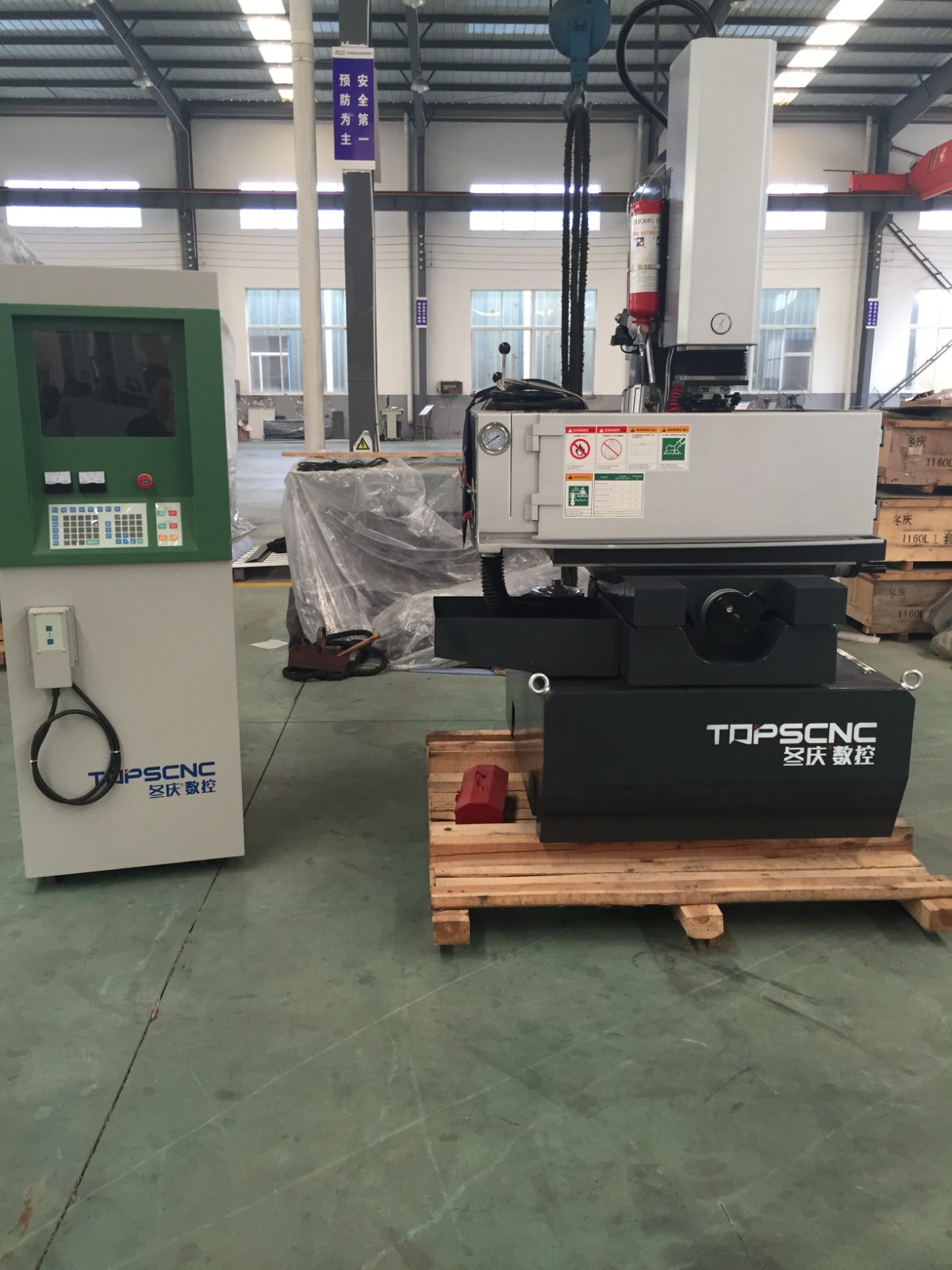
Wire and electrodes for spark erosion machines
Source high-performance wire and electrodes for spark erosion machines directly from vetted manufacturers and wholesale suppliers. Designed for importers, industrial distributors, and brands requiring OEM production, our network delivers bulk EDM consumables engineered for strict tolerances and consistent machining.
Sourcing consumables for Electrical Discharge Machining (EDM) is an exercise in balancing cost against machine uptime. A single spool of inconsistent wire or a porous graphite electrode can stall production lines, cause wire breakage, and damage expensive workpieces. For volume buyers, the challenge isn't just finding a factory that can draw brass or machine copper; it is securing a supply chain that maintains strict dimensional and metallurgical tolerances across every metric ton.
Critical Specifications for EDM Wire
When negotiating with manufacturers, vague specifications lead to variable performance. Factories typically categorize EDM wire by material composition, tensile strength, and diameter.
Material Composition and Coating
Plain brass wire (typically a 60/40 or 63/37 Copper/Zinc alloy) remains the industry standard for general-purpose spark erosion. However, as cutting speed demands increase, buyers often shift to coated wires. Zinc-coated or diffusion-annealed wires offer higher cutting speeds and better surface finishes but require precise manufacturing controls to prevent the coating from flaking and clogging machine guides.
| Wire Type | Typical Composition | Primary Use Case |
|---|---|---|
| Plain Brass | Cu 60% / Zn 40% | Standard taper and straight cutting |
| Zinc-Coated | Brass core, Zinc surface | High-speed cutting, fine surface finish |
| Molybdenum | Pure Molybdenum | High-speed wire cut EDM (HS-WEDM) |
Tensile Strength and Elongation
Tensile strength dictates the wire's ability to withstand the tension applied by the EDM machine without breaking.
- Hard Wire: Typically 900 to 1100 N/mm². Used for precise, straight cuts and automatic wire threading (AWT).
- Soft Wire: Typically 400 to 500 N/mm². Preferred for high-taper cutting where the wire must bend significantly without snapping.
Struggling with inconsistent wire tension or frequent breakages from your current supplier? Let us connect you with vetted EDM consumable manufacturers.
Talk to our teamQuality Control on the Factory Floor
The drawing and annealing processes are where a factory's true capabilities are revealed. Consistent diameter (usually requiring tolerances of ±0.001 mm) is non-negotiable.
Beyond the wire itself, spooling is a frequent point of failure. Poorly wound wire will overlap and pinch, causing tension spikes and breakage during operation. When conducting Factory Audits, it is crucial to verify that the supplier uses automated, tension-controlled spooling equipment rather than manual or semi-manual winding setups.
Key Pre-Shipment Inspection Points
- Diameter consistency measured via laser micrometer across multiple spool sections.
- Surface cleanliness: wire must be free of drawing lubricants and copper dust.
- Spool winding integrity: strict parallel winding with no overlaps or gaps.
- Coating adhesion test for zinc-coated variants to prevent guide clogging.
- Spool structural integrity (DIN or P-type spools must not be cracked or warped).
To prevent defective batches from reaching your warehouse, implementing strict Quality Control & Inspection protocols before the container is loaded is essential.
EDM Electrodes: Copper and Graphite
For sinker EDM machines, the quality of the electrode material directly impacts the wear ratio and the surface finish of the mold or die.
When sourcing Copper Electrodes, purity is paramount. Electrolytic tough pitch (ETP) copper or oxygen-free high thermal conductivity (OFHC) copper should be specified. Impurities lead to uneven wear and localized pitting on the workpiece.
When sourcing Graphite Electrodes, the critical metrics are grain size and density.
- Ultrafine Grain (under 5 microns): Required for intricate details, sharp corners, and exceptional surface finishes.
- Medium/Coarse Grain: Acceptable for roughing operations where high material removal rates are prioritized over finish.
Pricing, MOQs, and Lead Times
EDM wire is a high-volume commodity, heavily influenced by global copper and zinc spot prices. Most reputable manufacturers price wire per kilogram, factoring in the spool type and packaging requirements.
If you are a brand looking to distribute under your own label, OEM/ODM Services can facilitate custom-branded spools, vacuum-sealed packaging, and branded corrugated boxing. Note that custom branded spools (e.g., specific colored plastics for DIN160 or P5 spools) may push the MOQ higher due to plastic injection molding minimums.
Need to lock in competitive pricing for bulk EDM consumables without sacrificing quality? Merhein can manage the sourcing and negotiation process.
Get a free consultationFrequently Asked Questions
Consistent machining requires a consistent supply chain. By defining strict metallurgical tolerances, mandating automated parallel spooling, and verifying factory capabilities firsthand, volume buyers can secure EDM consumables that keep their clients' machines running profitably.
Get Sourcing Help for Wire and electrodes for spark erosion machines
Tell us your requirements and our experts will connect you with verified manufacturers.