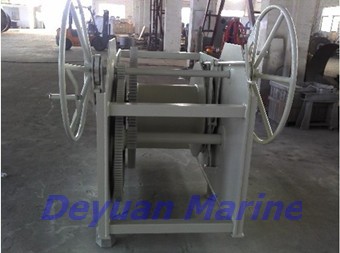
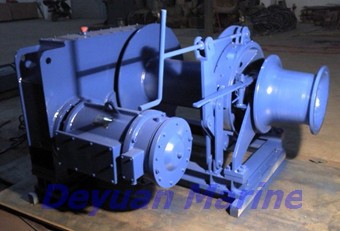
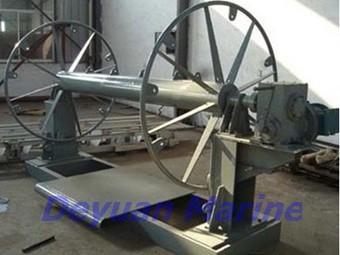
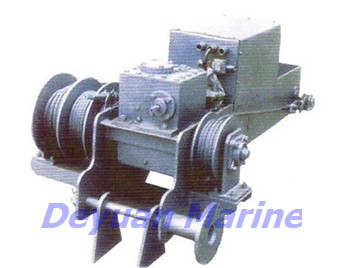
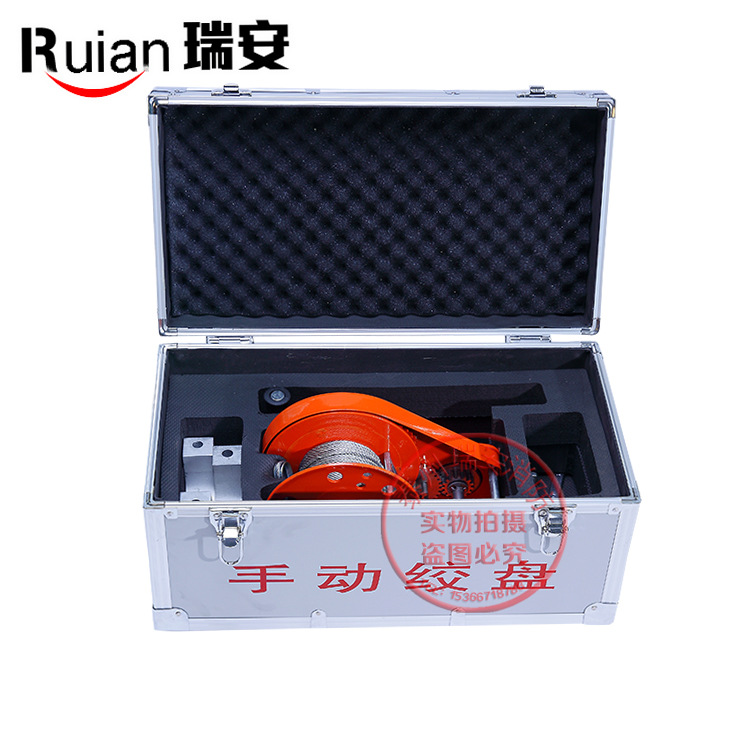
Winches
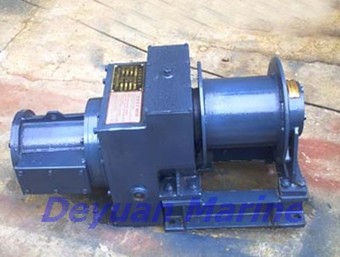
Source industrial and commercial winches directly from vetted manufacturers and wholesale suppliers. Designed for importers, distributors, and brands seeking reliable OEM and private-label production, our network delivers high-capacity pulling and lifting solutions built to exact specifications and international safety standards.
Sourcing heavy-duty winches at volume requires navigating a complex landscape of motor specifications, gear train metallurgy, and braking system reliability. Because a winch failure under load can result in severe equipment damage or safety hazards, managing supplier selection and rigorous quality oversight is critical for importers and brands. Relying on a factory's off-the-shelf spec sheet is rarely sufficient; you must dictate the component standards to ensure long-term performance.
Defining Core Winch Specifications
When communicating with manufacturers, vague requirements often lead to substituted materials and underperforming units. To secure a reliable product, you must specify the exact internal architecture of the winch.
Key parameters to define include the rated line pull (in pounds or kilograms), the gear reduction ratio, and the braking mechanism (automatic mechanical cone or dynamic braking). The motor type is one of the most critical decisions, as it dictates the duty cycle and thermal limits of the unit.
| Motor Type | Characteristics | Best Application |
|---|---|---|
| Permanent Magnet | Lower amp draw, generates more heat, magnets can lose strength over time if overheated. | Light to medium duty, intermittent pulling where battery drain is a concern. |
| Series Wound | Higher amp draw, handles heat better, superior torque at higher speeds. | Heavy-duty commercial use, recovery operations, and frequent pulling. |
| Hydraulic | Powered by power steering or PTO, 100% duty cycle, no electrical overheating. | Industrial material handling, tow trucks, continuous operation environments. |
Need a manufacturer capable of meeting strict load and IP-rating specifications? We vet factories for advanced machining and assembly capabilities to ensure your winches perform under pressure.
Talk to our teamManufacturing Bottlenecks and Quality Vulnerabilities
The difference between a premium winch and a failure-prone unit often comes down to the factory's machining tolerances and electrical component sourcing. Many suppliers assemble winches using outsourced parts, making Factory Audits essential to verify their supply chain control and in-house CNC machining capabilities for the gear train.
When developing custom casing or specialized mounting profiles, utilizing OEM/ODM Services allows you to differentiate your brand while ensuring the housing maintains its structural integrity under maximum load.
Critical Inspection Points for Winches
- Solenoid/Contactor Reliability: Ensure the factory uses heavy-duty, sealed contactors rather than cheaper, prone-to-failing solenoids.
- Gear Metallurgy: Planetary gears must be properly hardened. Soft gears will strip under shock loads.
- IP Sealing: Verify IP67 or IP68 ratings for the motor and gearbox to prevent water and debris intrusion.
- Brake Engagement: The brake must hold the rated load without slipping and dissipate heat away from the drum (especially critical if using synthetic rope).
Load Testing and Compliance
A winch must perform at its rated capacity consistently. Ensure your supplier performs dynamic load testing on the line, pulling against a calibrated resistance rather than relying solely on free-spooling tests. Implementing rigorous Quality Control & Inspection protocols before shipment is the only way to catch assembly defects, such as poorly seated O-rings or inadequate lubrication in the gearbox.
Depending on your target market, winches may need to meet specific regulatory standards, such as the CE Machinery Directive for Europe. Partnering with experts for Compliance & Testing ensures your products pass customs and meet the safety requirements of your buyers.
Sourcing Mechanics: MOQs, Lead Times, and Pricing
Pricing for winches is highly volatile and depends heavily on raw material costs (copper for motor windings, steel for gears and drums) and the specific components requested. Upgrading from steel wire cable to high-molecular-weight polyethylene (UHMWPE) synthetic rope, for example, will increase the unit cost and requires a hawse fairlead instead of a roller fairlead.
Struggling with inconsistent quality or rising costs from your current winch supplier? Let's discuss your sourcing strategy and optimize your supply chain.
Get a free consultationFrequently Asked Questions
Sourcing reliable winches is fundamentally about managing risk through strict specification and relentless quality oversight. When the product is responsible for moving tons of material safely, there is no room for compromised internal components or unverified load ratings.
Get Sourcing Help for Winches
Tell us your requirements and our experts will connect you with verified manufacturers.