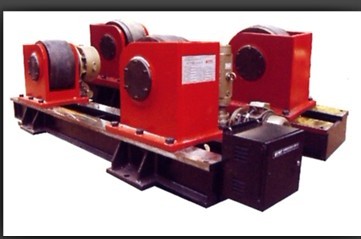
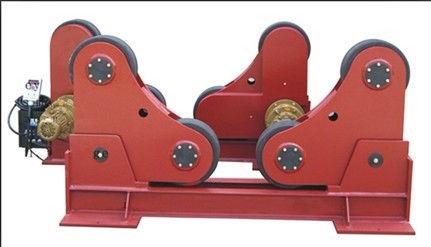
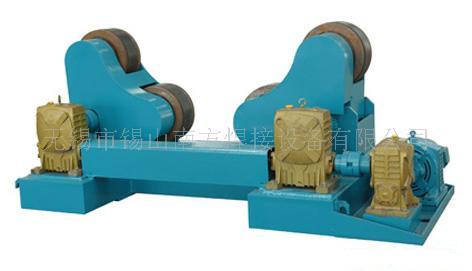
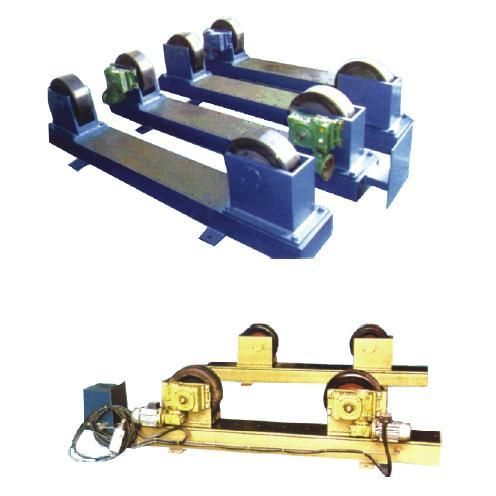
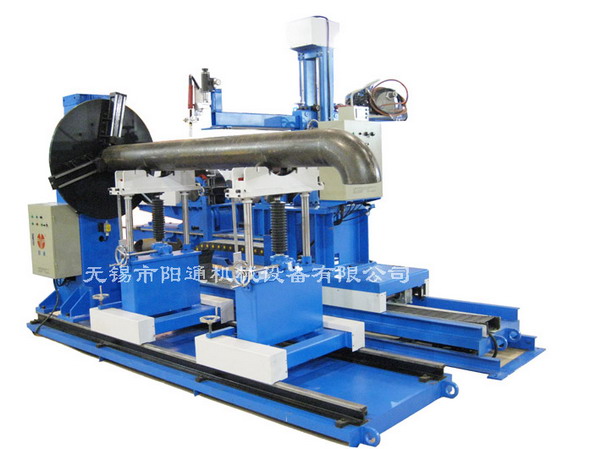
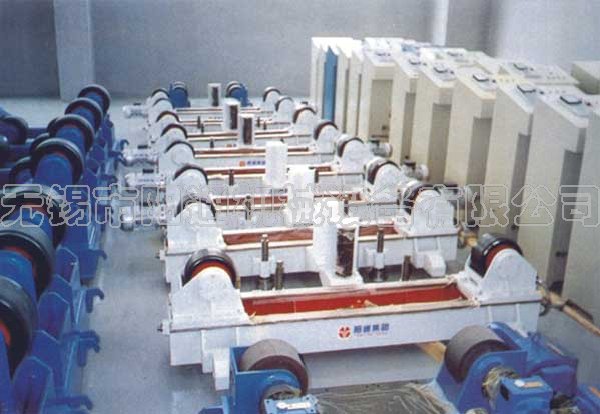
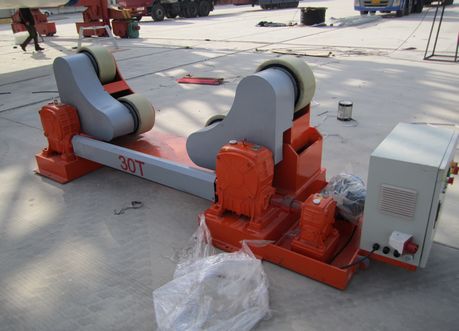
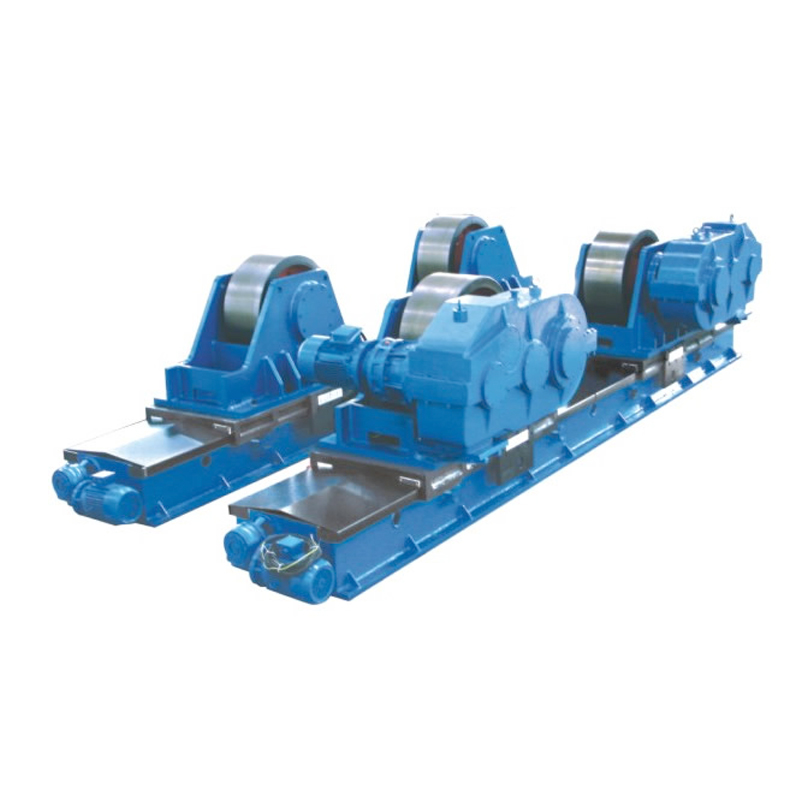
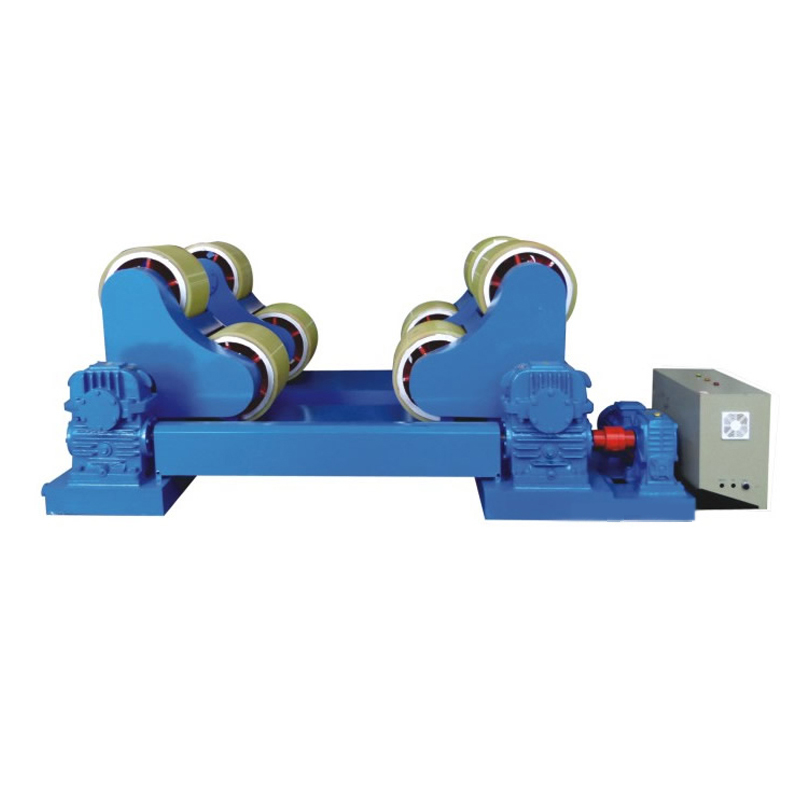
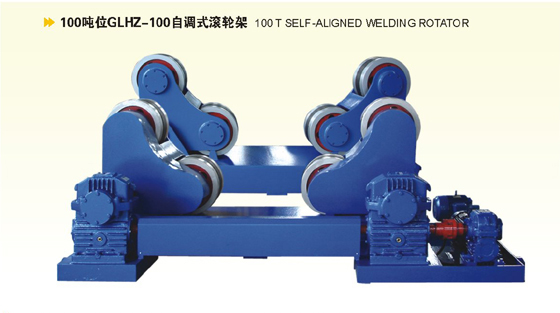
Welding Turning Rolls
Source heavy-duty Welding Turning Rolls from vetted suppliers and manufacturers across Asia. Designed for industrial importers, machinery wholesalers, and brands seeking reliable OEM production, our catalog connects you directly with factories capable of delivering high-capacity, precision-engineered rotators for vessel and pipe fabrication.
Sourcing welding turning rolls at scale requires looking past the top-line load capacity. The true value of a welding rotator lies in its sustained reliability under continuous, heavy-duty operation. When procuring for industrial distribution or equipping large-scale fabrication facilities, buyers must evaluate the underlying drive systems, the structural integrity of the base frames, and the quality of the roller materials to prevent catastrophic failures on the shop floor.
Critical Specifications for Heavy-Duty Rotators
The performance of a turning roll is dictated by its drive mechanism and structural rigidity. Manufacturers often cut costs on the internal components, which can lead to jerky rotation, motor burnout, or frame deflection under maximum load.
When specifying equipment with your supplier, pay close attention to the Variable Frequency Drive (VFD) and motor synchronization. Dual-motor drives on the power unit must be perfectly synchronized to prevent uneven wear and workpiece slippage. Specify internationally recognized VFD brands (such as Yaskawa, Schneider, or Siemens) rather than domestic generic alternatives, as generic VFDs frequently suffer from thermal shutdown during continuous automated welding cycles.
Need help verifying a manufacturer's drive system specifications? Let our engineers review your technical requirements.
Talk to our teamRoller Materials and Frame Construction
The contact point between the workpiece and the machine is a common failure zone. Inferior roller materials will degrade rapidly, causing the workpiece to drift or slip.
| Roller Material | Typical Application | Wear Resistance | Load Capacity Limit |
|---|---|---|---|
| Polyurethane (PU) | Stainless steel, polished vessels | High (if bonded correctly) | Up to 100 Tons |
| Solid Rubber | Light to medium pipes | Moderate | Up to 20 Tons |
| Forged Steel | Thick-walled carbon steel, extreme loads | Extreme | 1000+ Tons |
For PU rollers, the bonding process between the steel core and the polyurethane outer layer is critical. Poorly manufactured PU rollers will delaminate under heavy radial loads. It is highly recommended to engage OEM/ODM services to specify the exact durometer of the PU and mandate strict bonding protocols.
Furthermore, the base frame must undergo proper stress relief after welding. If a factory skips thermal stress relief or vibratory stress relief, the frame will warp over time, destroying the alignment of the rollers. Assessing a manufacturer's heavy machining and heat-treatment facilities through comprehensive factory audits is the best way to verify their structural fabrication capabilities.
Factory Verification and Quality Control
Catching defects before the machinery leaves the factory floor saves thousands in replacement parts and lost production time. Your pre-shipment inspection must go beyond visual checks.
Essential QC Checks for Turning Rolls
- Dynamic Load Test: Run the rotator at 100 percent of rated capacity for a minimum of 2 hours.
- Runout Measurement: Check roller concentricity with a dial indicator to ensure smooth rotation.
- VFD Heat Test: Monitor the temperature of the VFD cabinet during continuous low-speed operation.
- Center Distance Adjustment: Verify smooth operation of the lead-screw or bolt-adjustment mechanisms.
Implementing rigorous quality control protocols ensures that the units meet your exact rotational speed tolerances, which is vital for automated submerged arc welding (SAW) applications.
Pricing, MOQs, and Lead Times
Welding turning rolls are capital equipment, and pricing scales dramatically with load capacity and control sophistication.
- Typical MOQs: Most manufacturers accept an MOQ of 1 set for heavy-duty models (over 20 tons). For lighter pipe rotators (under 5 tons), factories may require an MOQ of 3 to 5 sets for wholesale pricing.
- Pricing Drivers: The primary cost factors are the load rating, the brand of the electrical components, and the inclusion of advanced features like anti-creep mechanisms or motorized bogies.
- Lead Times: Standard models generally take 25 to 40 days to manufacture. Custom-engineered units with specific rail-track dimensions or specialized anti-drift systems can extend lead times to 60 days.
Because these units are incredibly heavy and bulky, they often require flat-rack containers or break-bulk shipping. Coordinating shipping and freight early in the purchasing cycle is essential to avoid unexpected logistical bottlenecks.
Planning a bulk order of welding machinery? We can help negotiate terms, oversee production, and manage the heavy freight logistics.
Get a free consultationFrequently Asked Questions
Successfully sourcing welding turning rolls means looking deeply into the factory's own fabrication standards. A supplier that cuts corners on their own frame welding or skips stress relief cannot be trusted to build equipment that will support 50-ton vessels safely. Focus your sourcing efforts on manufacturers with verifiable heavy-machining capabilities and transparent component supply chains.
Get Sourcing Help for Welding Turning Rolls
Tell us your requirements and our experts will connect you with verified manufacturers.