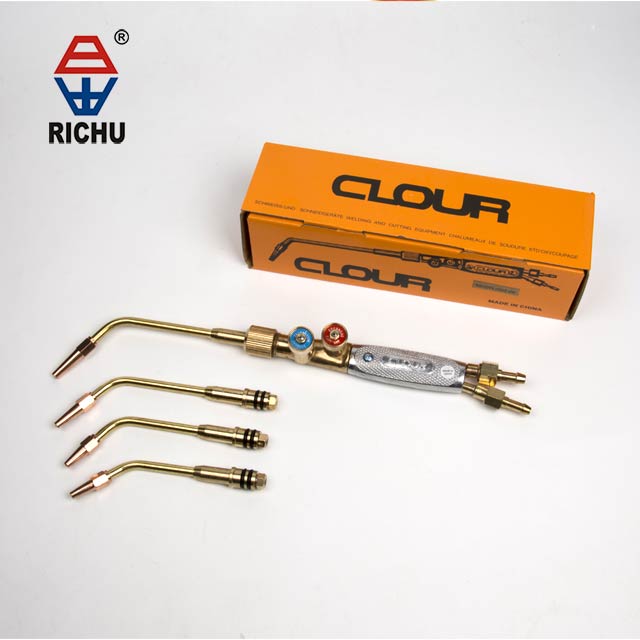
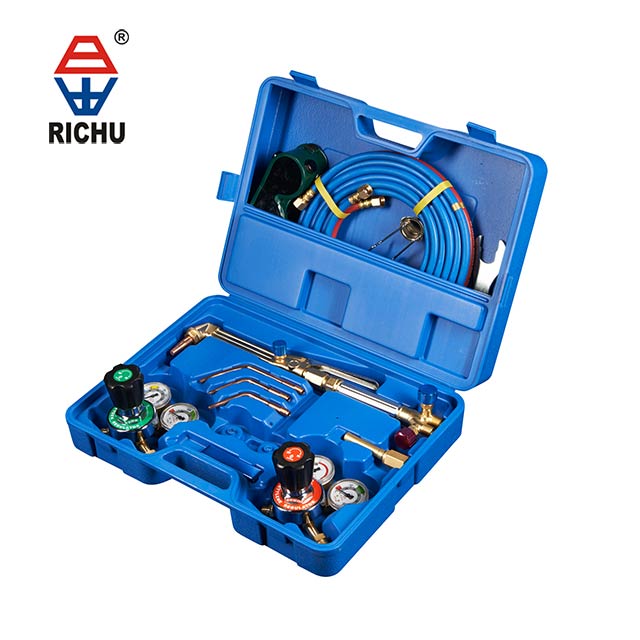
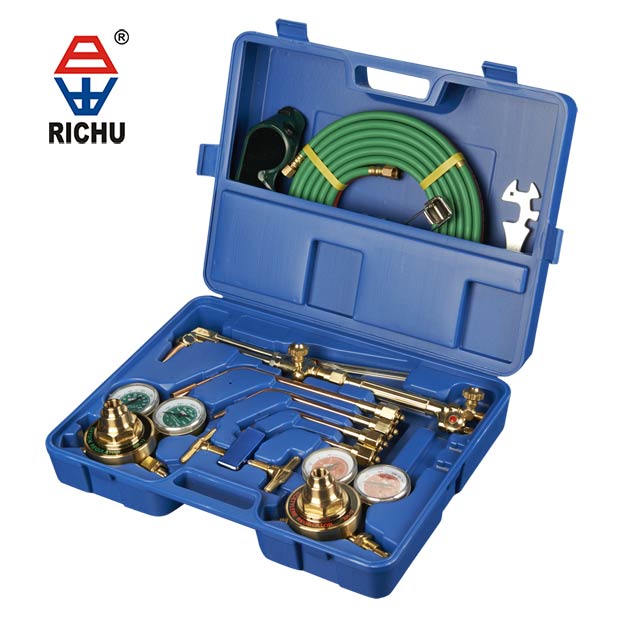
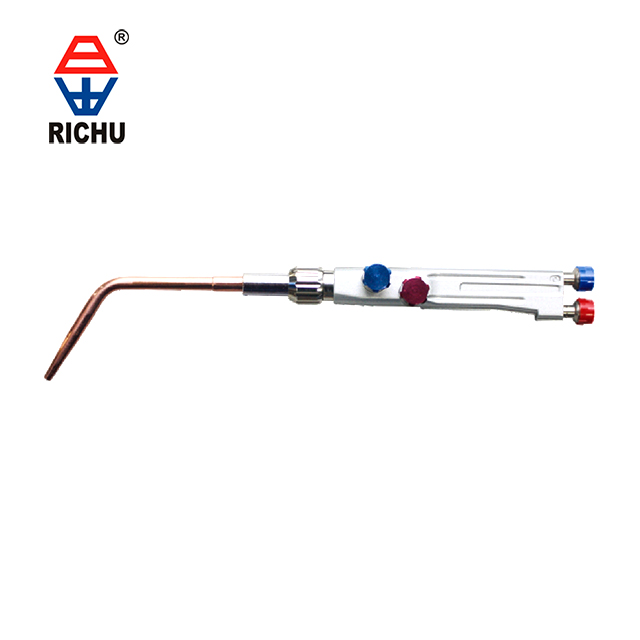
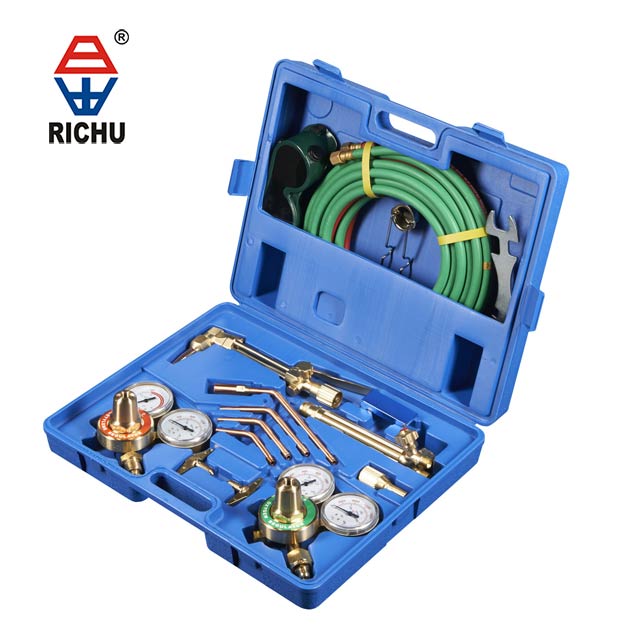
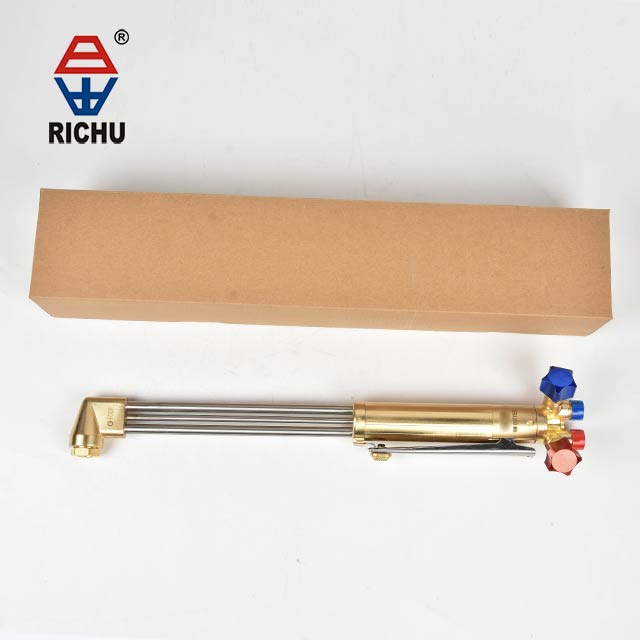
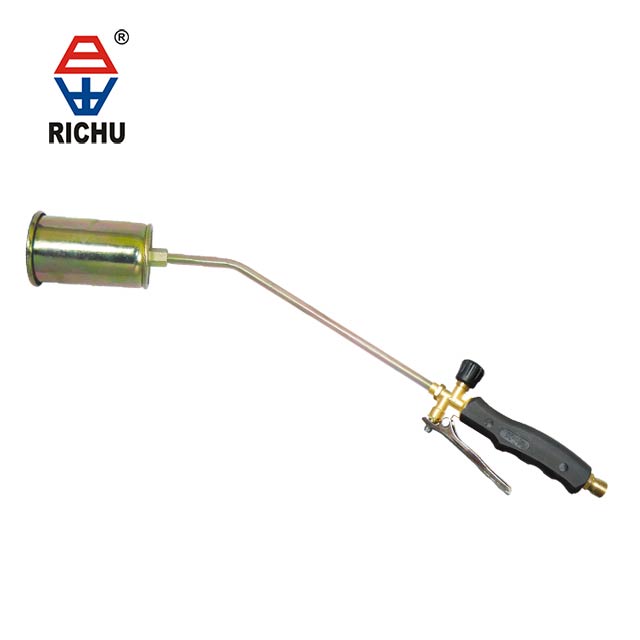
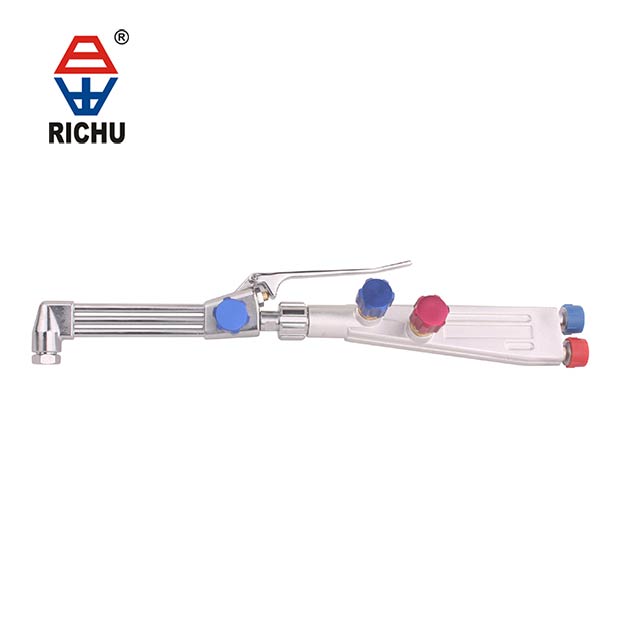
Welding Torches
Source professional-grade welding torches directly from vetted manufacturers and suppliers. Designed for importers, industrial distributors, and hardware brands seeking bulk wholesale or custom OEM/ODM production. Secure reliable quality, competitive pricing, and certified compliance for your supply chain.
Sourcing welding torches at scale requires balancing thermal performance, ergonomic design, and component durability. Whether you are importing standard MIG and TIG torches or developing a custom line of plasma cutting guns, the core sourcing challenge lies in verifying the underlying material quality. A torch that looks identical to a premium brand on the outside can fail under industrial use if the internal copper purity is low, the crimping is weak, or the duty cycle ratings are exaggerated.
To build a reliable supply chain, buyers must look past the spec sheet and understand the manufacturing processes and quality controls implemented on the factory floor.
Critical Specifications and Manufacturing Variances
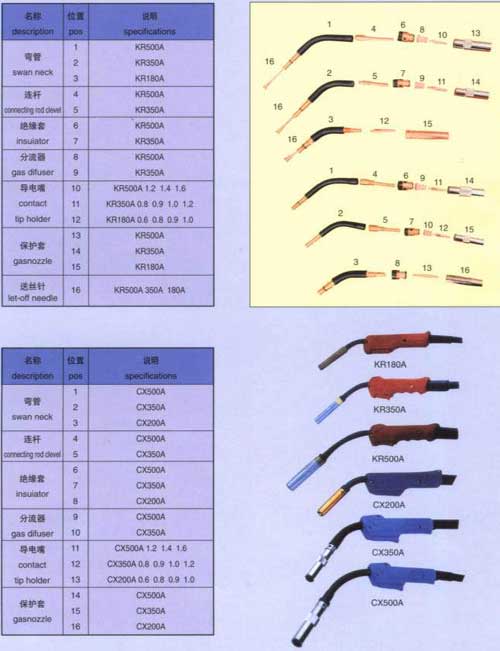
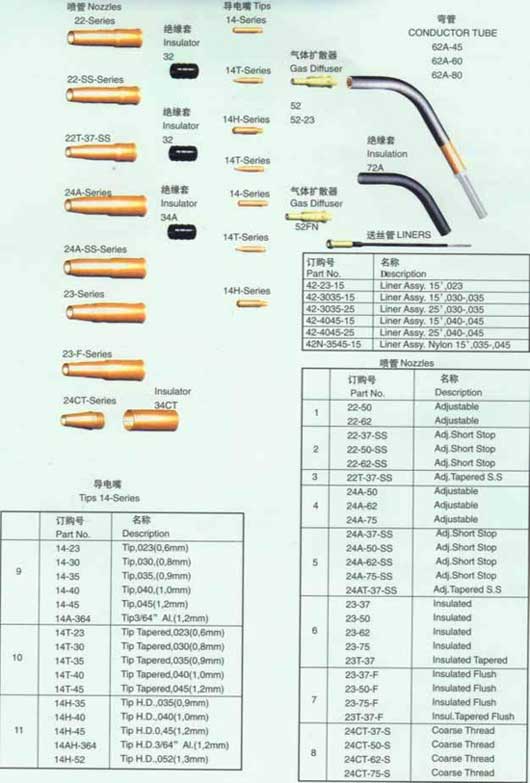
When specifying welding torches for bulk production, the details dictate the durability and the target market. Professional-grade torches must maintain stable arcs and manage heat efficiently over extended periods.
| Specification | Air-Cooled Torches | Water-Cooled Torches |
|---|---|---|
| Typical Amperage | Up to 250A | 300A to 600A and above |
| Duty Cycle | Typically 60 percent | Often 100 percent |
| Cable Flexibility | High (lighter weight) | Moderate (contains water lines) |
| Primary Application | Field work, light industrial | Heavy fabrication, automation |
Beyond cooling methods, pay close attention to the power cable construction. High-quality torches use high-strand-count, oxygen-free copper cables. Lower-tier manufacturers often reduce the strand count or use lower-purity copper to cut costs, which directly impacts the torch's flexibility and increases electrical resistance, leading to overheating.
Additionally, specify the exact backend connections required for your target market (e.g., Euro, Tweco, Dinse, or Miller styles) and ensure the factory has the precision tooling to machine these brass and copper fittings to tight tolerances.
Need help verifying a manufacturer's true production capabilities and material sourcing? Let Merhein handle the vetting process for you.
Talk to our teamQuality Control on the Factory Floor
Inconsistent assembly is the leading cause of premature torch failure. Gas leaks, coolant leaks, and electrical shorts are common when quality control is lax. Implementing rigorous Quality Control & Inspection protocols before shipment is non-negotiable.
Essential QC Checks for Welding Torches
- Cable crimp integrity: Verify pull-strength on all power cable connections.
- Gas and fluid leak testing: Pressure test all hoses and valves prior to final assembly.
- Dielectric strength testing: Ensure handle plastics and trigger switches meet insulation standards.
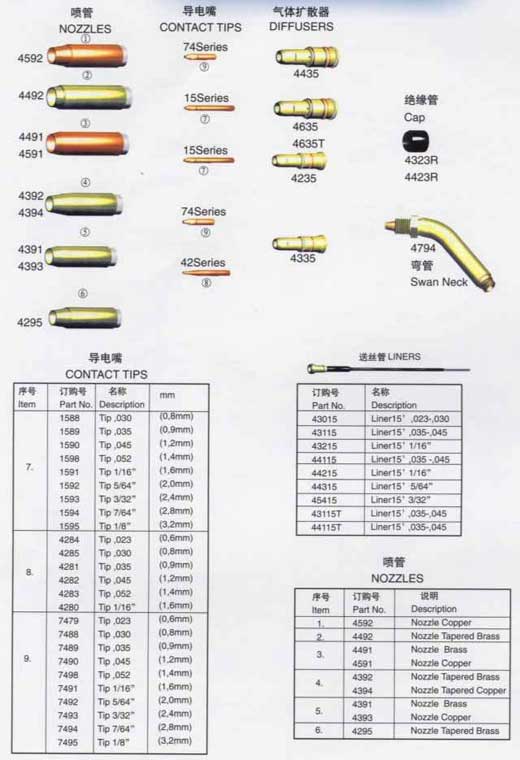
- Consumable compatibility: Test-fit contact tips, nozzles, and collets to ensure thread accuracy.
- Duty cycle verification: Conduct sample thermal testing under continuous load.
Partnering with factories that assemble in-house but also machine their own brass components often yields better quality consistency than relying on suppliers who merely assemble purchased parts.
Customization and OEM/ODM Production
For brands looking to differentiate, OEM/ODM Services offer significant value. Customization typically involves ergonomic handle designs (requiring new injection molds), custom trigger mechanisms, branded overmolding, and specific cable lengths or jacketing materials (like high-heat resistant rubber or leather covers). When pursuing custom designs, ensure the factory has a robust engineering team capable of modeling thermal dissipation to prevent your custom handle from overheating.
Pricing Drivers, MOQs, and Lead Times
Welding torch pricing is heavily influenced by global commodities, specifically copper and brass. When copper prices spike, expect proportional adjustments in your unit costs, particularly for long-cable or high-amperage models.
When negotiating prices, lock in the exact specifications of the consumables included with the torch. Factories may offer a lower unit price but substitute premium contact tips and nozzles for inferior, fast-wearing alternatives.
Struggling to negotiate favorable terms or manage complex OEM tooling? Our team can streamline your sourcing and secure competitive pricing.
Get a free consultationVerifying Supplier Legitimacy
The Asian market is crowded with trading companies posing as direct manufacturers. To secure the best pricing and ensure consistent quality, you must buy direct from the source. Conducting thorough Factory Audits is crucial to verify that the supplier possesses the necessary assembly lines, testing equipment, and raw material inventory to handle bulk orders. Ensure they hold relevant certifications, such as CE for the European market or CSA/UL compliance for North America, specifically for the electrical components and switches.
Sourcing welding equipment requires a precise understanding of electrical and thermal dynamics. By meticulously defining your specifications, auditing your suppliers, and enforcing strict quality control, you can build a highly profitable category that professionals trust day in and day out.
Get Sourcing Help for Welding Torches
Tell us your requirements and our experts will connect you with verified manufacturers.