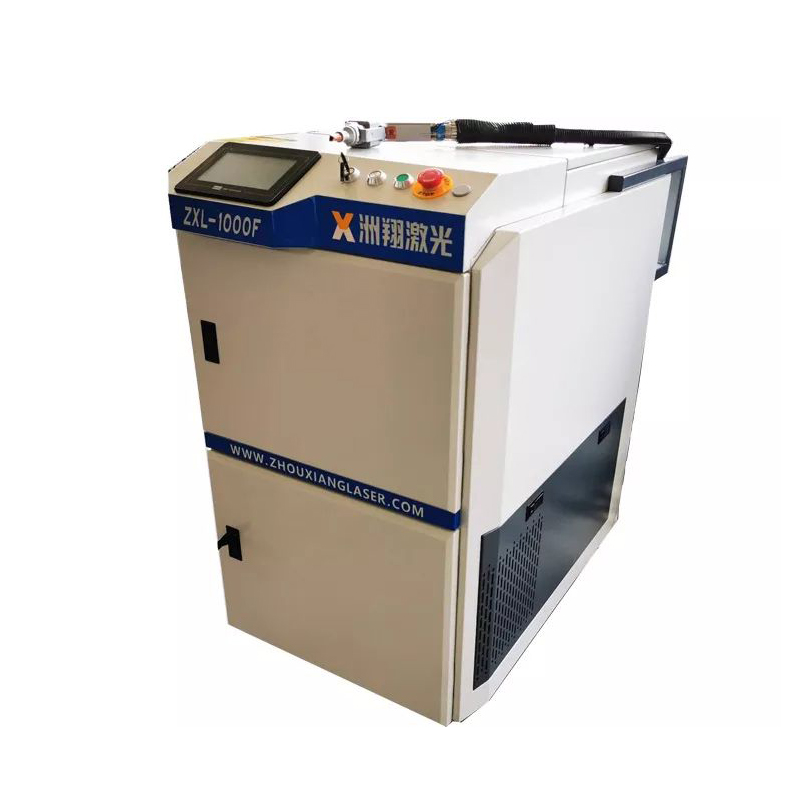
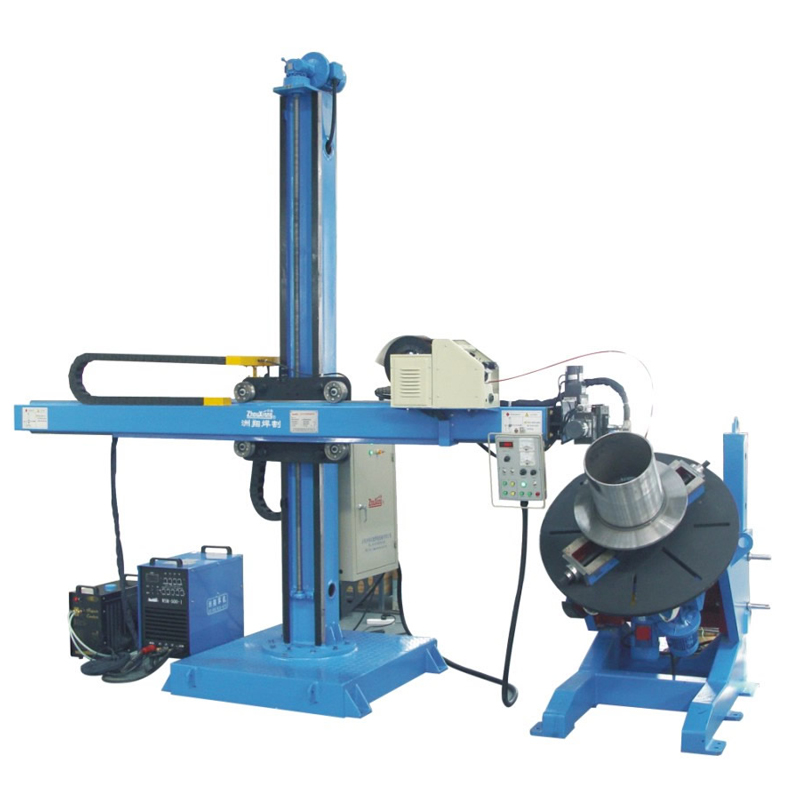
Welding Tools and Accessories
Source high-performance welding tools and accessories directly from vetted manufacturers and wholesale suppliers. Designed for importers, industrial distributors, and brands seeking reliable OEM and private-label production, our catalog covers everything from heavy-duty electrode holders to auto-darkening helmets built to exacting international safety standards.
Sourcing welding tools and accessories in bulk requires navigating a complex matrix of material science, electrical safety, and optical precision. Whether you are importing heavy-duty ground clamps or private-labeling auto-darkening helmets, the margin for error is zero. Substandard insulation, poor conductivity, or slow optical switching times do not just result in returns—they create severe safety liabilities on the job site.
To build a resilient and profitable product line, buyers must look past surface-level aesthetics and mandate strict specifications at the factory level.
Critical Specifications for Welding Accessories
The manufacturing quality of welding accessories is entirely dependent on the raw materials utilized. Suppliers often attempt to protect their margins by substituting inferior alloys or downgrading electronic components.
Electrode Holders and Ground Clamps
The primary function of holders and clamps is transferring high electrical current with minimal resistance. The core issue in sourcing these components is the conductivity-to-cost ratio. While brass and copper alloys are the industrial standard, unvetted factories frequently substitute cheaper zinc alloys or copper-plated iron to cut costs. This leads to rapid overheating, voltage drops, and premature spring failure.
| Core Material | Conductivity | Thermal Resistance | Typical Cost Tier |
|---|---|---|---|
| Pure Copper / Forged Bronze | Excellent | High | Premium |
| Brass Alloy | Good | Moderate | Standard |
| Copper-Plated Iron | Poor (Risk of overheating) | Low | Budget |
Auto-Darkening Filters (ADF) and Helmets
For welding helmets, the Auto-Darkening Filter (ADF) cartridge is the most expensive and critical component. Professional buyers must specify the required optical class (e.g., 1/1/1/1 or 1/1/1/2 under EN379), the number of independent arc sensors (typically 2 to 4), and the switching time (often specified as 1/25,000 of a second or faster).
Verify factory capabilities and secure reliable OEM production for your welding product lines.
Talk to our teamFactory Audits and Defect Prevention
Because visual inspection cannot determine material composition or electronic reliability, proactive quality management is mandatory. Relying solely on a supplier's self-reported specifications often leads to compliance failures at customs or in the market.
Executing comprehensive Factory Audits prior to finalizing a contract ensures the manufacturer has the necessary metallurgical testing equipment and clean-room environments for ADF assembly. Once production begins, rigorous Quality Control & Inspection protocols must be enforced on the factory floor.
Pre-Shipment Inspection Focus Areas
- Conductivity testing on clamps and holders to measure milliohm drop
- Spring tension durability cycles for electrode jaws and ground clamps
- ADF lens switching speed verification under varied arc intensities
- Insulation resistance tests on handles, cables, and external housings
- Drop testing and impact resistance verification for helmet shells
For markets requiring strict safety certifications, such as CE (Europe) or ANSI Z87.1 (United States), coordinating third-party Compliance & Testing is a non-negotiable step before the goods are loaded onto a vessel.
Pricing Drivers, MOQs, and Lead Times
Understanding the underlying cost drivers allows for more accurate forecasting and better negotiation.
Commodity pricing for copper and brass heavily dictates the cost of conductive accessories. When copper index prices spike, expect manufacturers to either increase unit prices or propose material downgrades. Locking in raw material prices at the time of deposit is a standard strategy for large volume orders.
- Minimum Order Quantities (MOQs): Standard, off-the-shelf tools typically require MOQs of 500 to 1,000 pieces. If you are utilizing OEM/ODM Services for custom-branded helmets or bespoke tool molds, expect MOQs to start at 1,000 to 2,000 units to absorb the setup and tooling costs.
- Lead Times: Typical production runs for welding accessories span 30 to 45 days. However, if your order requires imported ADF chips or custom optical filters, lead times can extend to 60 days.
Optimize your procurement strategy and negotiate better terms with vetted welding accessory manufacturers.
Get a free consultationFrequently Asked Questions
A reliable supply chain for welding tools hinges on proactive material verification and rigorous factory qualification. By defining exact specifications and enforcing strict quality control parameters, you can eliminate the risks associated with overseas sourcing and build a highly competitive product portfolio.
Get Sourcing Help for Welding Tools and Accessories
Tell us your requirements and our experts will connect you with verified manufacturers.