Water Treatment Machinery
Source industrial-grade Water Treatment Machinery from vetted manufacturers and suppliers. Designed for procurement managers, distributors, and engineering firms buying in bulk, our network offers reliable OEM and custom production capabilities to meet stringent environmental and municipal standards.
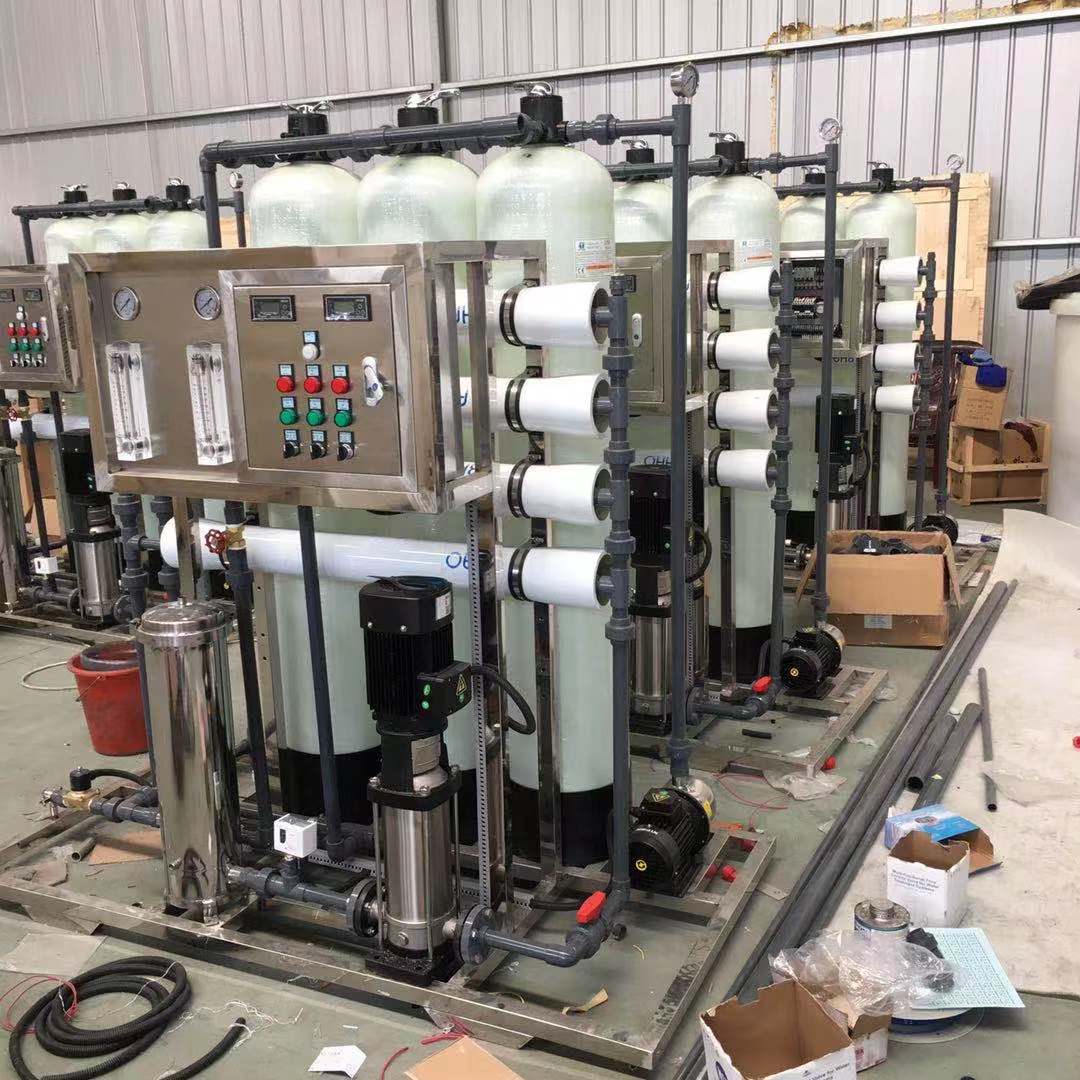
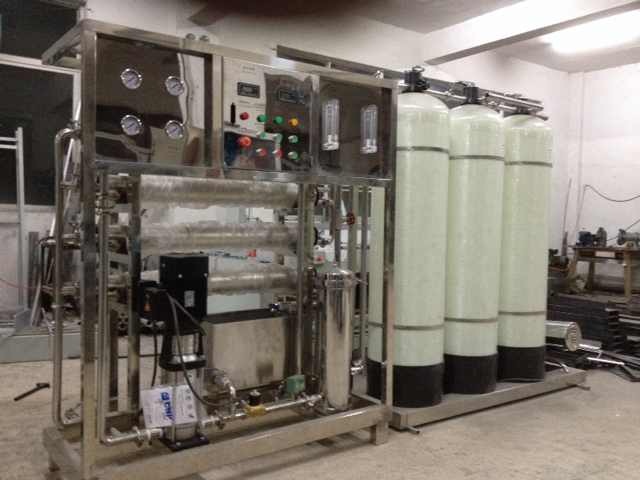
Sourcing water treatment machinery in volume requires navigating complex technical specifications, stringent material requirements, and varied international compliance standards. Whether you are procuring commercial reverse osmosis (RO) skids, industrial clarifiers, or heavy-duty filtration units, success depends on aligning your engineering requirements with a factory's true production capabilities.
Defining Your Technical Specifications
In environmental machinery, vague specifications lead directly to operational failures. Factories will default to standard domestic components unless you explicitly define your requirements. You must specify the exact operating parameters, including flow rates (LPH/GPH), maximum operating pressure, and feed water characteristics (TDS, pH, turbidity).
Component selection is equally critical. The core technology—such as RO membranes, ultrafiltration modules, or dosing pumps—often dictates the system's lifespan. Specify acceptable brands for critical components (e.g., Dow, Hydranautics, or Grundfos) to prevent the substitution of lower-tier domestic equivalents that may not meet your performance targets.
| Material Grade | Typical Application | Relative Cost Impact |
|---|---|---|
| Carbon Steel (Epoxy Coated) | Wastewater, clarifiers, non-corrosive | Baseline |
| Stainless Steel 304 | Standard commercial RO, light industrial | +20% to 30% |
| Stainless Steel 316L | High salinity, pharmaceutical, ultrapure | +40% to 60% |
Need help matching your technical specifications with a qualified machinery manufacturer?
Talk to our teamManufacturing Tolerances and Quality Control
The durability of water treatment machinery is won or lost on the factory floor, specifically in welding, electrical assembly, and pressure vessel fabrication. Sanitary welding is required for pharmaceutical or food-grade water systems, whereas standard industrial welding suffices for wastewater.
Before committing to a supplier, it is standard practice to utilize factory audits to verify their ASME pressure vessel certifications, ISO 9001 compliance, and in-house testing facilities. A factory without a dedicated, high-pressure testing bay cannot reliably produce industrial-grade reverse osmosis equipment.
Factory Acceptance Test (FAT) Essentials
- Hydrostatic pressure testing on all vessels and piping for a minimum of 24 hours
- Electrical continuity, grounding, and PLC logic verification
- Weld seam inspection (dye penetrant or X-ray for high-pressure lines)
- Pump vibration and noise level analysis under load
- Verification of HMI language localization and control panel IP ratings
Implementing rigorous quality control during the FAT phase ensures that defects are caught before the machinery is crated. Modifying a PLC cabinet or repairing a micro-leak is inexpensive at the factory but highly costly once the equipment reaches your facility.
Pricing, MOQs, and Lead Times
Unlike consumer goods, water treatment machinery is highly capitalized and often built to order.
Pricing is driven primarily by the cost of raw materials (stainless steel indices), the origin of the electronic components (PLCs from Siemens or Allen-Bradley carry a premium over domestic brands), and the complexity of the skid design.
Because these systems are bulky and heavy, logistics play a major role in your landed cost. Skid-mounted systems often require specialized handling. Coordinating shipping and freight early in the design phase is crucial, as engineers can sometimes design the machinery to fit standard 40HQ containers rather than requiring expensive open-top or flat-rack containers.
Managing complex machinery orders requires boots on the ground. Let us handle the factory coordination.
Get a free consultationProcuring water treatment machinery requires a meticulous approach to engineering translation, component verification, and physical quality control. By defining your parameters strictly and enforcing rigorous testing at the factory level, you can secure high-performance systems that deliver long-term reliability.
Get Sourcing Help for Water Treatment Machinery
Tell us your requirements and our experts will connect you with verified manufacturers.