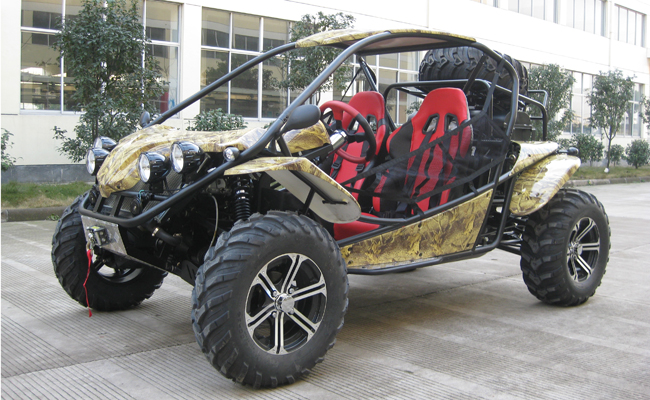
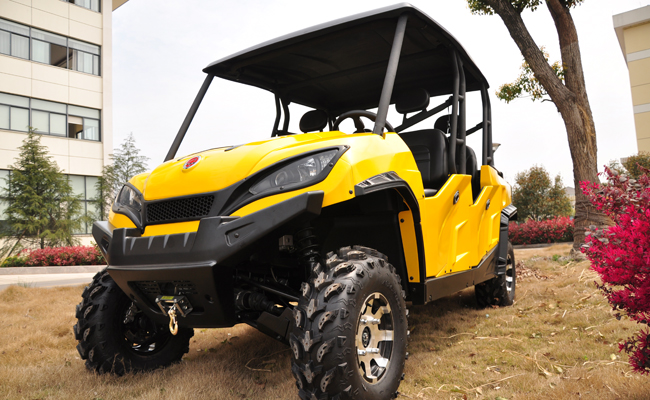
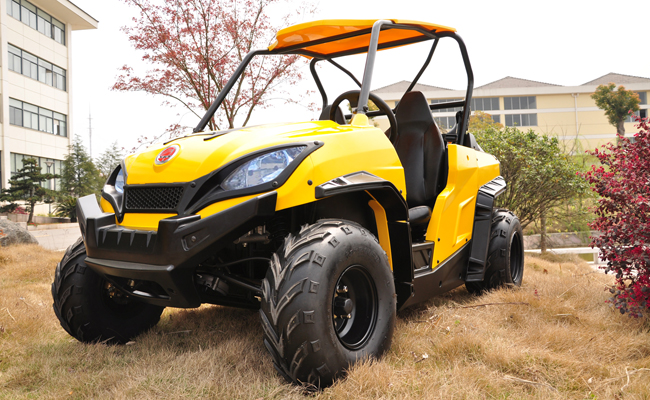
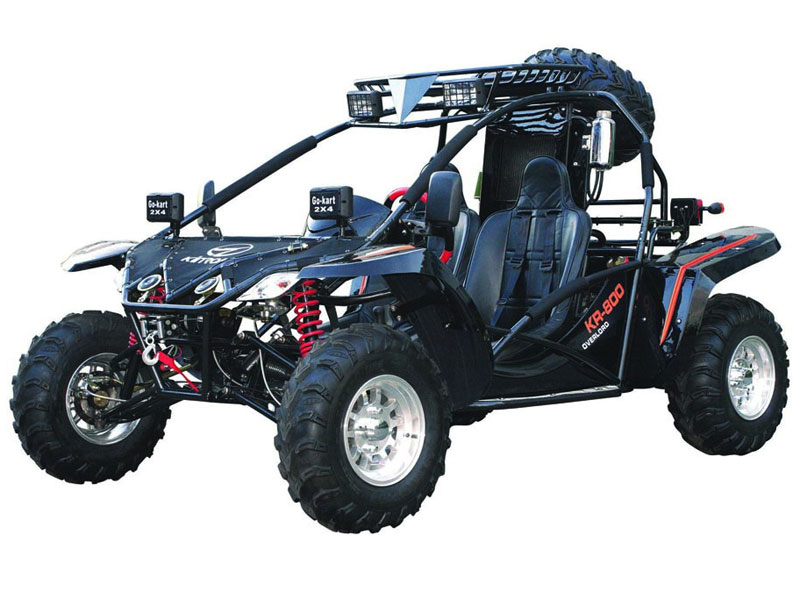
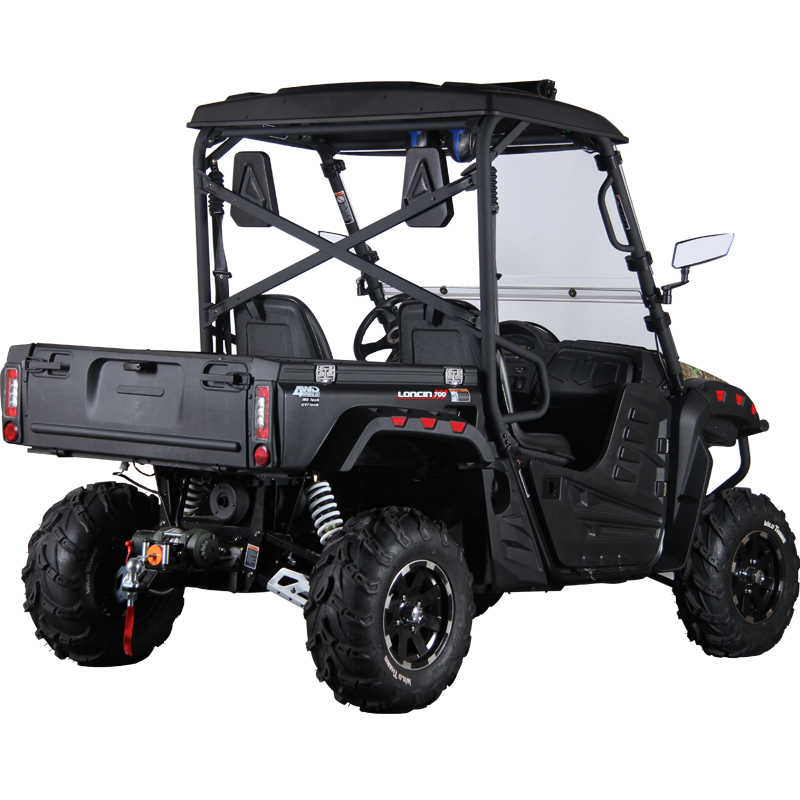
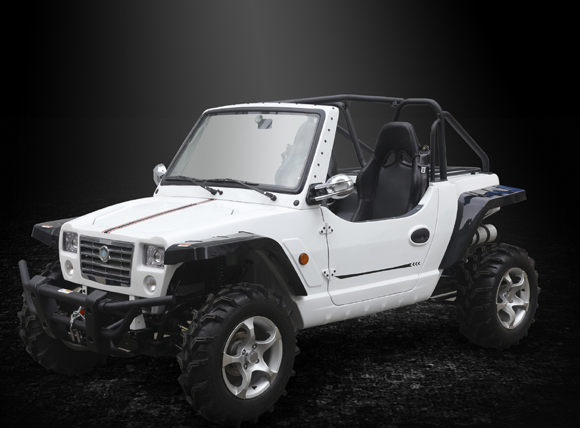
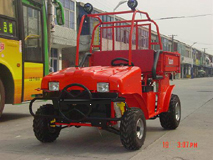
UTVs
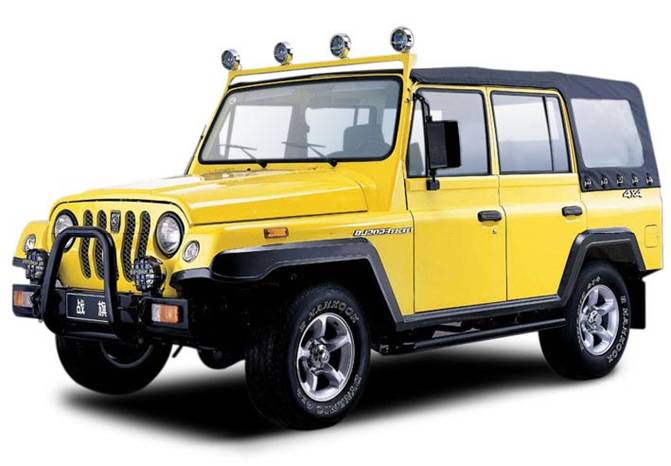
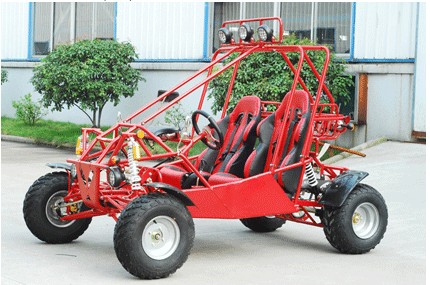
Source reliable UTVs from vetted suppliers and manufacturers in Asia. Designed for importers, distributors, and brands seeking high-volume or OEM production, our network delivers utility and recreational side-by-sides built to exact specifications, ensuring consistent performance and regulatory compliance for your target market.
Sourcing Utility Terrain Vehicles (UTVs) at volume requires navigating a complex matrix of engine reliability, chassis durability, and strict market regulations. For B2B buyers, the difference between a profitable import program and a costly recall lies in the factory's engineering capabilities, component selection, and quality management.
Core Specifications and Component Sourcing
The heart of any UTV is its powertrain and chassis. While many overseas manufacturers assemble the final vehicle, the critical components are often sourced from specialized tier-one suppliers. When negotiating OEM/ODM Services or buying white-label units, you must specify the origin and specifications of these underlying subsystems.
- Engines: Displacements typically range from 400cc for light agricultural utility to 1000cc V-twins for recreational and heavy-duty use. Electronic Fuel Injection (EFI) is now mandatory for modern emissions compliance and reliable cold-weather operation.
- Transmissions: Continuously Variable Transmissions (CVT) are the industry standard. It is critical to specify belts and clutches from established brands (such as CVTech) to reduce premature failure rates under heavy loads.
- Drivetrain & Suspension: Selectable 2WD/4WD with front and rear locking differentials is expected in commercial markets. Dual A-arm independent suspension should feature adjustable shocks suited to the vehicle's intended payload.
Compliance and Assembly Quality
A UTV is a regulated motor vehicle. Importing non-compliant units will result in customs seizures and severe penalties. Verifying that a factory's paperwork matches the actual production units is a mandatory step in the sourcing process.
Critical Compliance & Quality Verifications
- EPA certification (mandatory for United States market entry)
- CARB certification (required for California sales)
- EEC / T-Category homologation (required for European road-legal models)
- ROPS (Roll-Over Protective Structure) certification for the roll cage
- Robotic welding consistency and rust-prevention coating on the main chassis frame
If a supplier claims compliance, the certificates must match the exact engine family and vehicle model you are purchasing. Partnering with a sourcing team that manages rigorous Compliance & Testing ensures the paperwork holds up at the border and protects your liability.
Need to verify a UTV manufacturer's certifications and production capabilities before placing a volume order?
Get a free consultationShipping Strategies: CBU vs. SKD vs. CKD
UTVs are high-volume cargo. Shipping them fully assembled means you are primarily paying to ship empty space. To optimize freight costs, importers must choose the right level of knock-down assembly. This decision heavily impacts your container density and your domestic operational requirements.
| Assembly State | Container Density (40HQ) | Importer Requirement |
|---|---|---|
| CBU (Completely Built Up) | Low (approx. 4 to 8 units) | None (ready for dealer floor) |
| SKD (Semi Knocked Down) | Medium (approx. 12 to 18 units) | Basic tools (wheels, cage, and seat assembly) |
| CKD (Completely Knocked Down) | High (20+ units) | Full domestic assembly line capabilities |
Managing the transition from CBU to SKD requires precise packaging engineering at the factory to prevent transit damage to plastics and frames. Coordinating this packaging and loading process is a core part of effective Supply Chain Management.
MOQs, Pricing, and Lead Times
Because of the physical size of side-by-sides, Minimum Order Quantities (MOQs) are almost always dictated by container utilization rather than raw unit counts.
- Typical MOQs: Usually one 20ft or 40HQ container. Depending on the model size and knock-down state, this translates to anywhere from 4 to 18 units.
- Lead Times: Expect 45 to 60 days for production, plus 30 to 40 days for ocean freight. If you are developing custom tooling for OEM plastics or proprietary roll cages, add an additional 60 to 90 days to the initial production run.
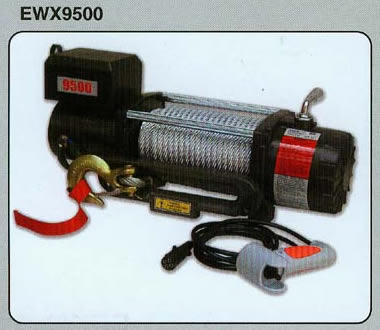
- Pricing Drivers: The primary cost variables are engine displacement, suspension type (standard vs. nitrogen-charged shocks), and accessory packages (winches, electronic power steering, enclosed cabs, and upgraded digital displays).
Ready to negotiate pricing and optimize your shipping density for your next UTV order?
Talk to our teamFrequently Asked Questions
Successfully importing UTVs relies on balancing engine reliability with aggressive container optimization. The most profitable importers don't just buy vehicles; they engineer their supply chain from the factory floor to the final assembly bay. Taking the time to audit your supplier's chassis welding and compliance documentation upfront secures your investment long-term.
Get Sourcing Help for UTVs
Tell us your requirements and our experts will connect you with verified manufacturers.