Tractor Trucks
Source heavy-duty tractor trucks from vetted manufacturers and reliable suppliers across Asia. Designed for fleet procurement managers, heavy machinery importers, and commercial vehicle distributors, our wholesale solutions deliver the performance, compliance, and scale your operations demand.
Sourcing Commercial Tractor Trucks: Balancing Payload, Compliance, and TCO
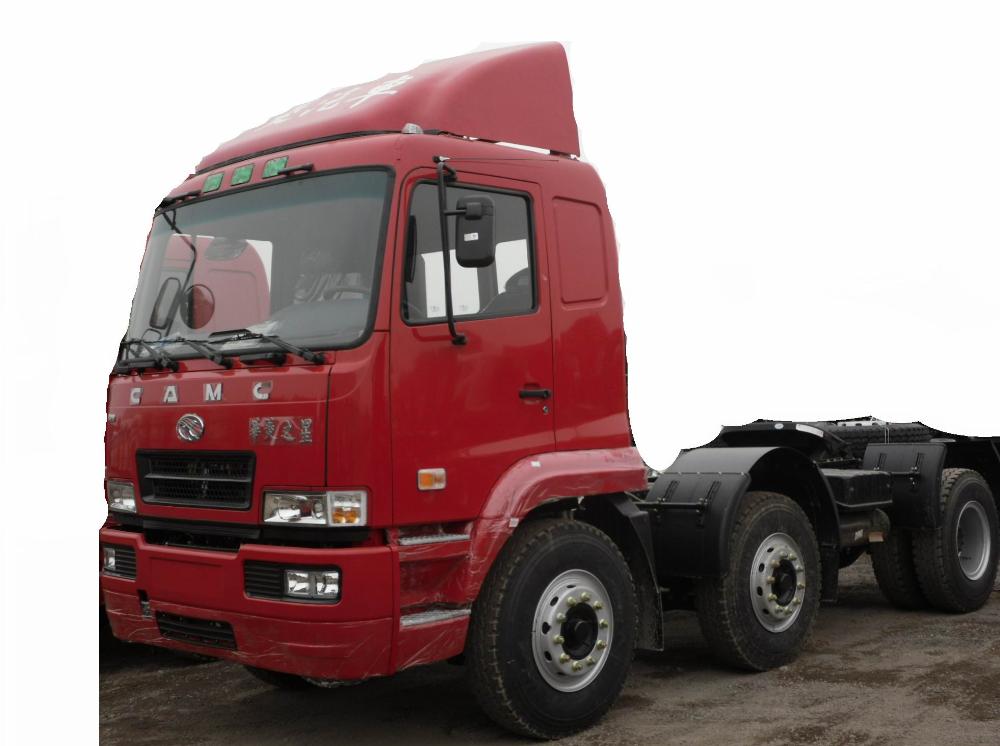
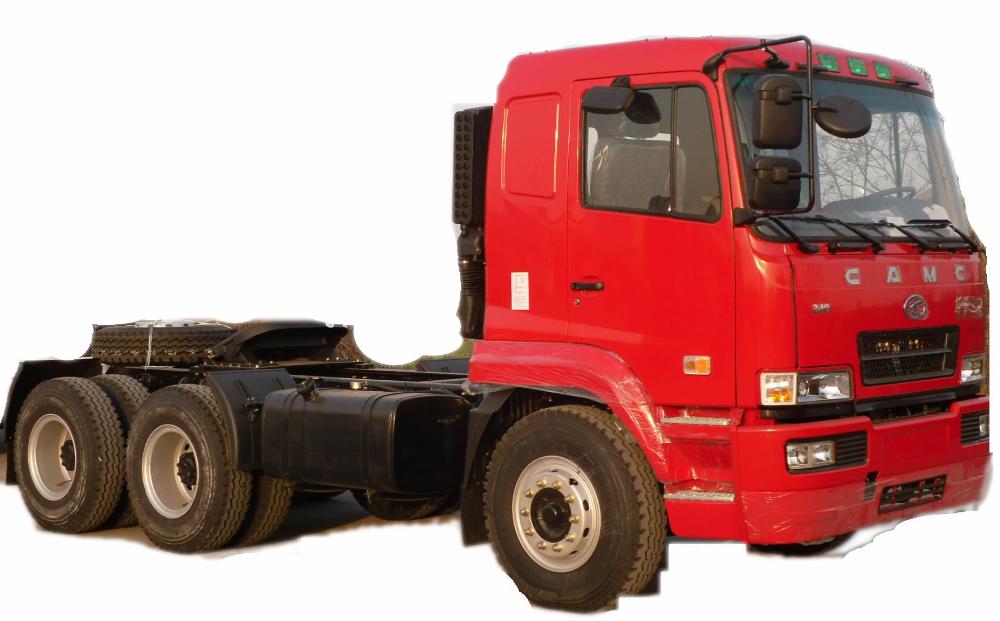
Procuring commercial tractor trucks at scale requires strict attention to total cost of ownership (TCO), regional emission regulations, and application-specific engineering. Asian manufacturers—particularly in China—have aggressively expanded their heavy-duty vehicle capabilities, offering highly competitive prime movers utilizing globally recognized drivetrains (such as Cummins engines or ZF transmissions) alongside proprietary engineering.
The primary sourcing challenge lies in matching the exact chassis, powertrain, and axle configurations to your local road regulations and payload requirements, while ensuring the factory has the technical maturity to deliver consistent build quality across the fleet.
Critical Specifications and Drive Configurations
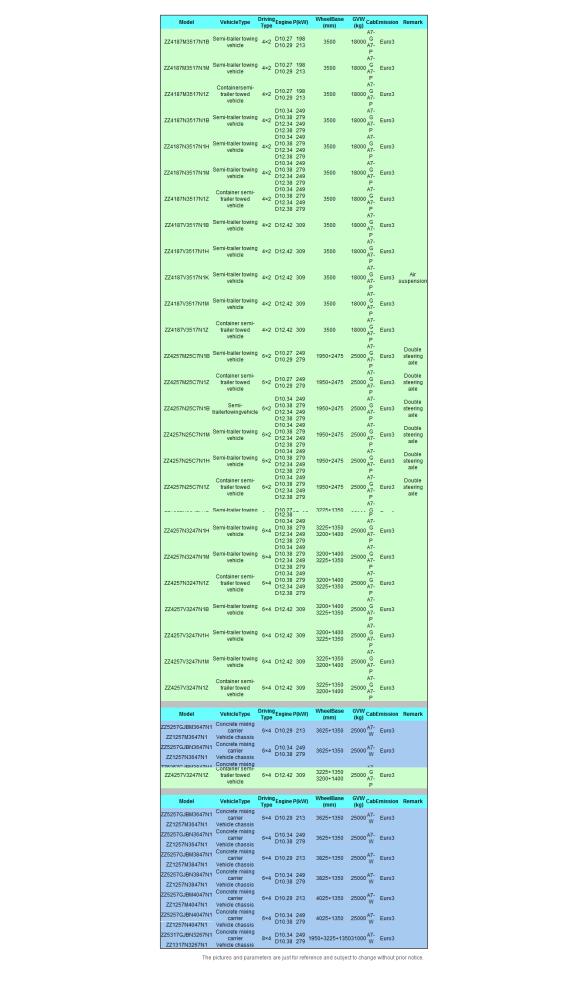
When negotiating with heavy-duty vehicle manufacturers, off-the-shelf specifications rarely meet the nuanced demands of international logistics or construction fleets. Buyers must clearly define the operational environment to select the correct drive type, suspension system, and gear ratios.
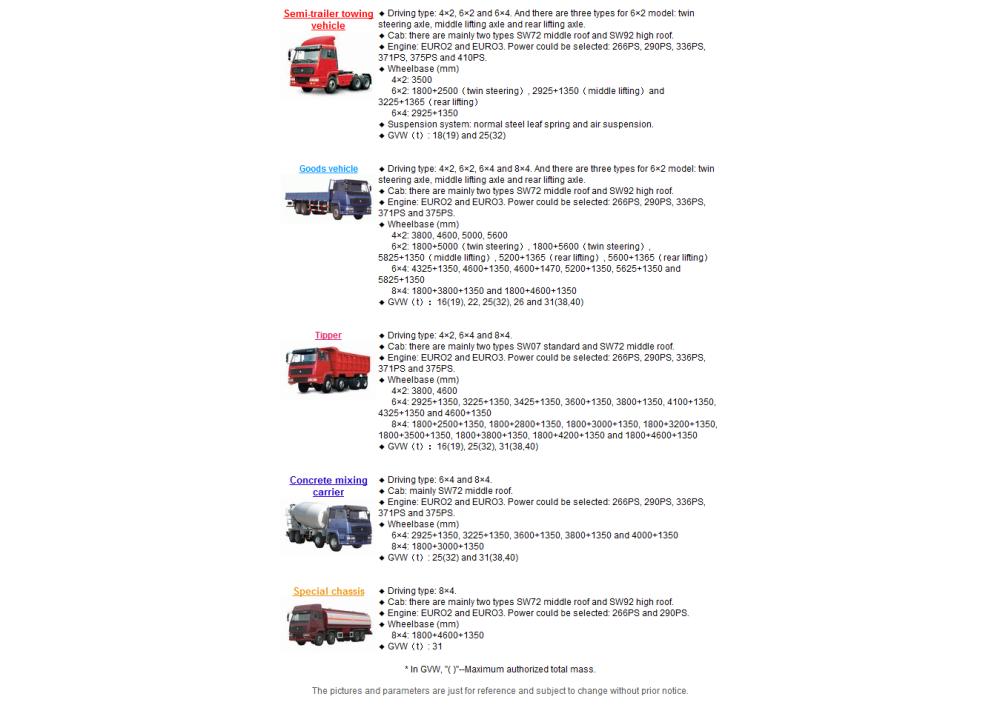
| Drive Configuration | Primary Application | Typical GCW Capability |
|---|---|---|
| 4x2 | Regional logistics, port drayage, flat terrain | 35 to 40 Tons |
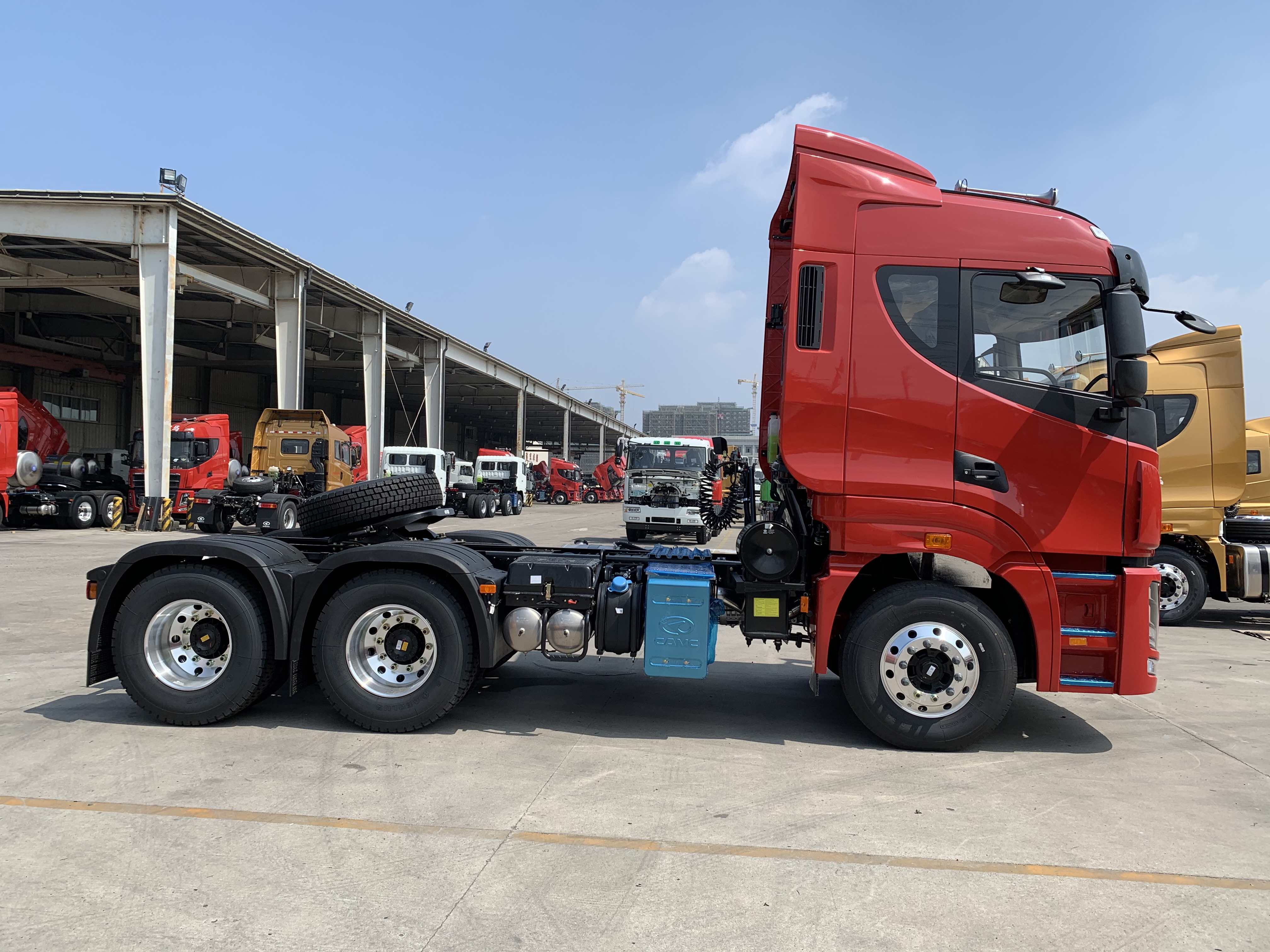
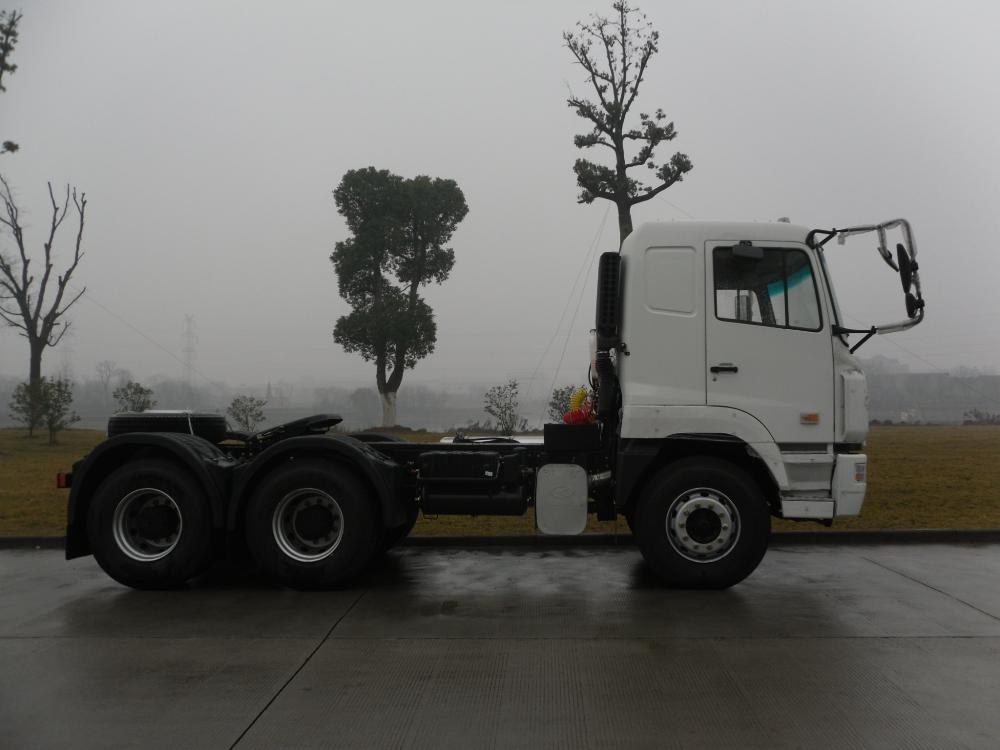
| 6x4 | Long-haul transport, heavy construction, gradients | 40 to 60+ Tons |
| 6x2 (with lift axle) | Fuel-sensitive highway transport, variable loads | 40 to 50 Tons |
Beyond the drive layout, you must specify the exact emission standard required for your import market. Factories produce engines ranging from Euro II (for specific developing markets) up to Euro VI equivalents. Failing to specify and verify this early will result in vehicles that cannot be legally registered in the destination country. Managing these regulatory requirements often necessitates rigorous compliance and testing protocols before production begins.
Need to match complex fleet specifications with capable manufacturers? Let our technical sourcing team identify factories that meet your exact payload and emission requirements.
Talk to our teamManufacturing Quality and Factory Validation
The durability of a tractor truck is determined long before the final assembly line. Frame stamping, chassis welding precision, and the integration of the electrical harness are critical failure points if mismanaged.
Relying solely on a supplier's marketing materials is a high-risk strategy for capital equipment. Conducting comprehensive factory audits is mandatory. You must verify the manufacturer's automated welding capabilities, their testing facilities (such as chassis dynamometers and rain bays), and their quality management systems (ISO/TS 16949).
Critical Inspection Points
Before any unit leaves the facility, a rigorous quality control and inspection process must be executed.
Pre-Shipment Vehicle Verification
- Powertrain integration: Verify engine, transmission, and axle serial numbers against the build sheet.
- Air brake system integrity: Pressure test for leaks and verify compressor cycle times.
- Electrical diagnostics: Run OBD/CAN bus scans to ensure zero active fault codes.
- Chassis and suspension: Inspect weld penetration on primary stress points and verify leaf spring/airbag specifications.
- Cab sealing and finish: Check weather stripping, paint thickness, and anti-corrosion undercoating.
Purchasing Mechanics: MOQs, Lead Times, and Logistics
Purchasing heavy commercial vehicles operates on different economic principles than consumer goods. While minimum order quantities (MOQs) are technically low, the logistics of moving prime movers dictate order volume.
Shipping heavy trucks requires specialized freight forwarding. Depending on the dimensions and destination, vehicles are shipped via Roll-on/Roll-off (RoRo) vessels, flat rack containers, or occasionally partially knocked down (PKD) to save on freight volume and local import duties. Coordinating this requires expert shipping and freight management to avoid catastrophic demurrage charges or port delays.
Heavy vehicle logistics are complex. Connect with our freight specialists to map out the most cost-effective shipping and customs clearance strategy for your fleet.
Get a logistics consultationFrequently Asked Questions
Optimizing Your Fleet Procurement
Successfully sourcing tractor trucks requires moving past base unit prices and evaluating the total lifecycle cost, including import logistics, regulatory compliance, and localized maintenance support. By rigorously vetting manufacturing partners and establishing tight quality control frameworks at the factory level, fleet buyers can secure heavy-duty vehicles that deliver superior operational efficiency and reliable long-term performance.
Get Sourcing Help for Tractor Trucks
Tell us your requirements and our experts will connect you with verified manufacturers.