Tile Accessories
Source high-quality wholesale tile accessories directly from vetted manufacturers across Asia. Designed for importers, construction distributors, and brands requiring OEM or private-label production, our network delivers reliable volume manufacturing for metal trims, leveling systems, and transition profiles.
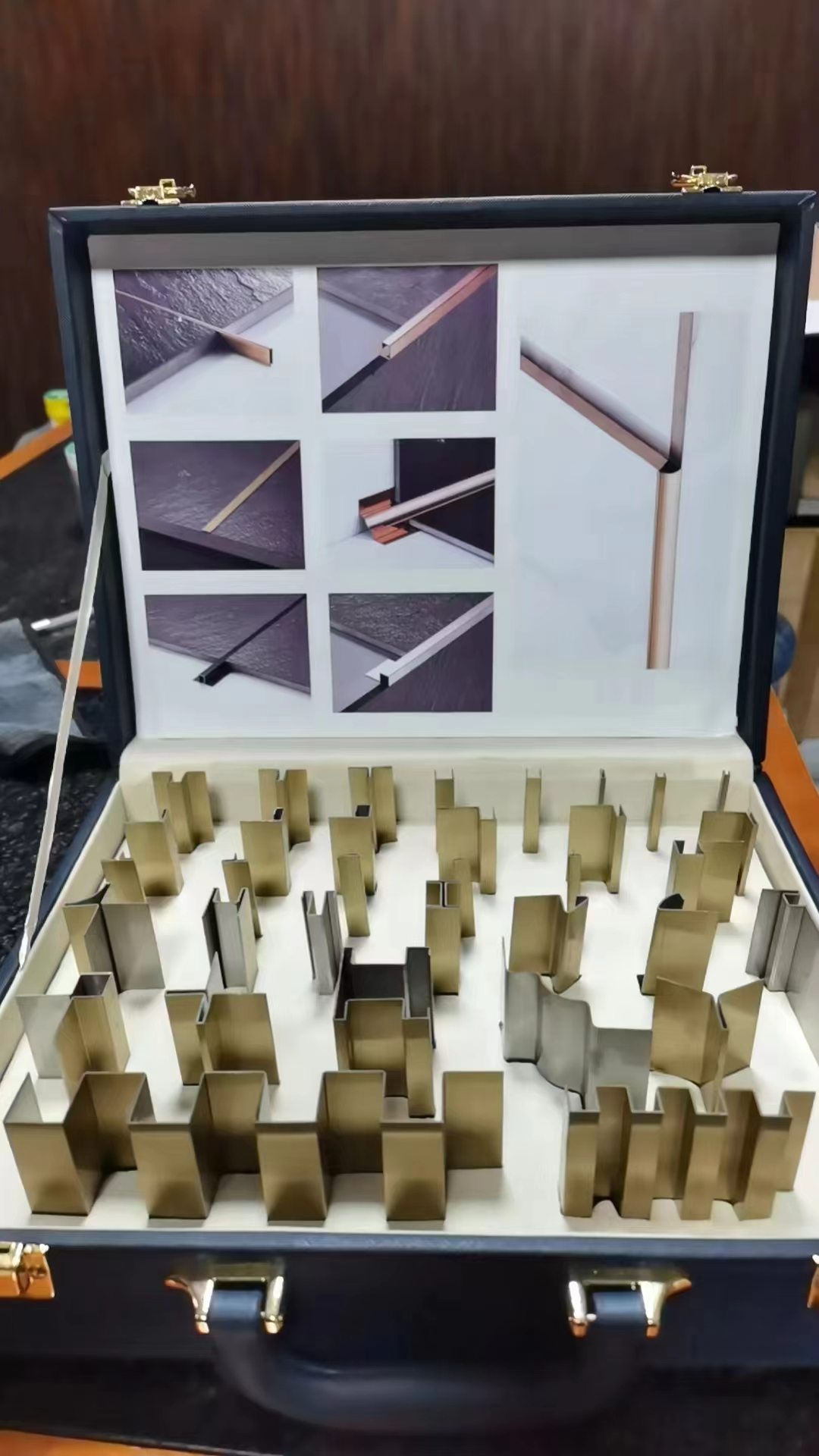
Sourcing tile accessories at volume requires managing multiple, distinct manufacturing ecosystems. A comprehensive catalog typically includes metal extrusion for edge trims, roll-forming for stainless steel profiles, and precision injection molding for leveling systems and spacers. For procurement managers, the primary challenge is ensuring strict dimensional tolerances, color consistency across massive batch runs, and reliable mechanical performance in plastic components.
Material Specifications for Tile Trims and Profiles
The longevity and aesthetic quality of tile installations rely heavily on the precise specification of edge trims, movement joints, and transition strips. When negotiating with factories, material grade and surface treatment are the primary cost drivers.
| Material Profile | Typical Alloy/Grade | Critical Quality Metrics |
|---|---|---|
| Aluminum Trims | 6063-T5 | Anodizing thickness (typically 8 to 12 microns), extrusion straightness |
| Stainless Steel | 304 (Standard) or 201 (Budget) | PVD coating consistency, gauge thickness (0.6mm to 1.0mm) |
| PVC/Plastic Trims | Rigid PVC | UV resistance additives, colorfastness, impact resistance |
For aluminum profiles, specifying the T5 temper is non-negotiable for structural rigidity. Furthermore, decorative finishes (brushed, polished, or powder-coated) require stringent batch control to prevent color variations. If you are developing proprietary profiles, working with a partner who understands extrusion die development and OEM/ODM services ensures your custom designs transition smoothly from CAD to mass production.
Need help verifying extrusion capabilities or developing custom trim profiles? Connect with our sourcing engineers.
Talk to our teamThe Mechanics of Tile Leveling Systems
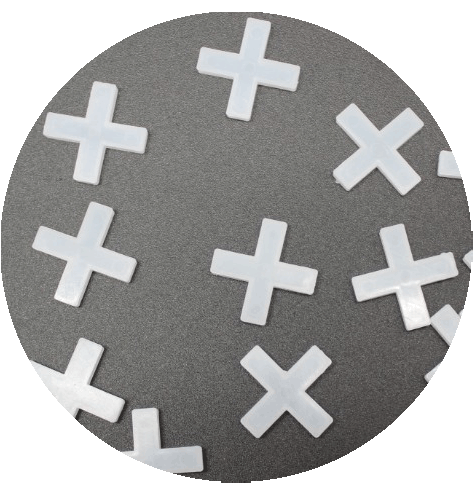
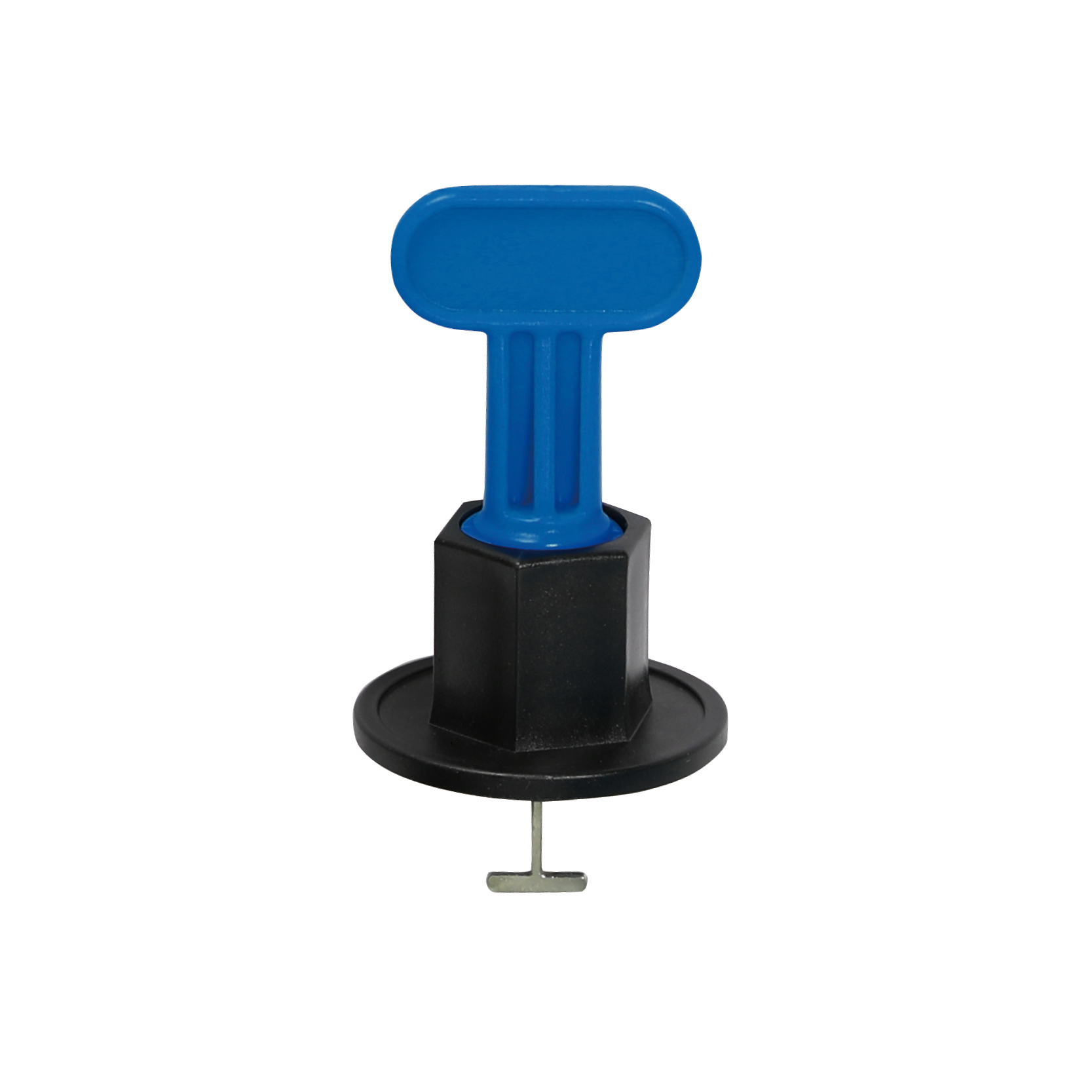
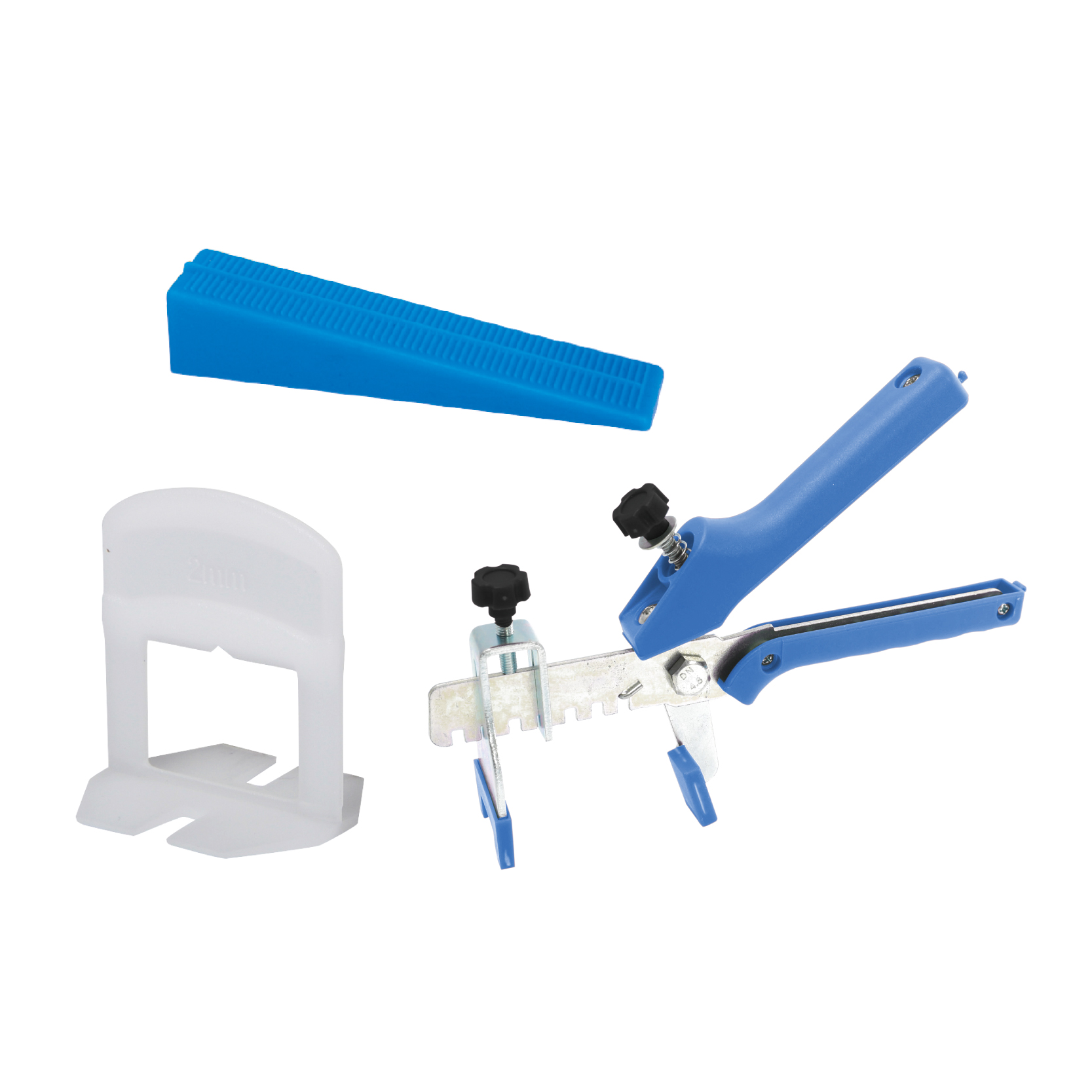
Tile leveling systems (clips, wedges, and pliers) represent a high-volume, high-turnover consumable. While they appear simple, the engineering behind the plastic clip is highly specific.
The clip must be strong enough to withstand the tension of the wedge pulling the tiles flush, yet brittle enough at its base to snap off cleanly under the tile line with a single kick or mallet strike.
- Virgin vs. Recycled Polymers: High-quality clips are manufactured from virgin Polypropylene (PP) or Polyethylene (PE). Suppliers cutting costs will blend high percentages of recycled regrind into the mix. This creates unpredictable tensile strength—clips may snap prematurely during tightening, or worse, fail to break cleanly at the base, leaving plastic protruding from the grout joint.
- Wedge Durability: Wedges are reusable and should be molded from high-impact, rigid plastics to prevent the teeth from stripping after multiple uses.
When evaluating a new supplier for leveling systems, requesting a clear breakdown of their raw material mix is essential. Conducting comprehensive factory audits in hubs like Taizhou (Zhejiang province)—the center for plastic injection molding—can verify a supplier's material storage and mixing practices before a large order is placed.
Quality Control Checkpoints on the Factory Floor
Catching defects in tile accessories before they are containerized is critical, as margins on these items leave little room for high defect rates.
Pre-Shipment Inspection Focus Areas
- Dimensional Tolerance: Caliper checks on trim thickness, flange width, and punch-hole alignment.
- Surface Finish: Visual inspection under standardized lighting for extrusion lines, anodizing burns, or PVD coating thin spots.
- Mechanical Testing (Plastics): Pull-testing leveling clips to verify the exact breaking force required at the base.
- Packaging Integrity: Ensuring metal trims are individually shrink-wrapped or interleaved with pearl cotton to prevent transit scratching.
Implementing strict quality control protocols ensures that container loads arrive ready for immediate distribution, without the need for domestic sorting or rework.
Pricing Drivers, MOQs, and Lead Times
Tile accessory manufacturing is highly scalable, but minimum order quantities (MOQs) are dictated by the production method. Extrusion and injection molding both require significant setup times.
Tooling costs for custom profiles are generally inexpensive in China compared to Western markets. An aluminum extrusion die might cost between $200 and $500, often refundable after a specific volume threshold is met. Injection molds for custom leveling systems are higher, typically ranging from $1,500 to $4,000 depending on the number of cavities.
Consolidating orders is a common strategy. Because metal trims are manufactured in Foshan (Guangdong) while plastics are often molded in Zhejiang, coordinating the logistics to combine these into a single shipment is a necessary step to optimize freight costs.
Looking to consolidate metal and plastic tile accessories into a single efficient supply chain? Let's discuss your volume requirements.
Get a free consultationFrequently Asked Questions
Successfully sourcing tile accessories at scale requires looking past bottom-dollar pricing to understand the underlying materials and manufacturing tolerances. By enforcing strict material specifications and actively managing the quality assurance process at the factory level, importers can secure reliable, high-margin product lines that perform flawlessly on the job site.
Get Sourcing Help for Tile Accessories
Tell us your requirements and our experts will connect you with verified manufacturers.