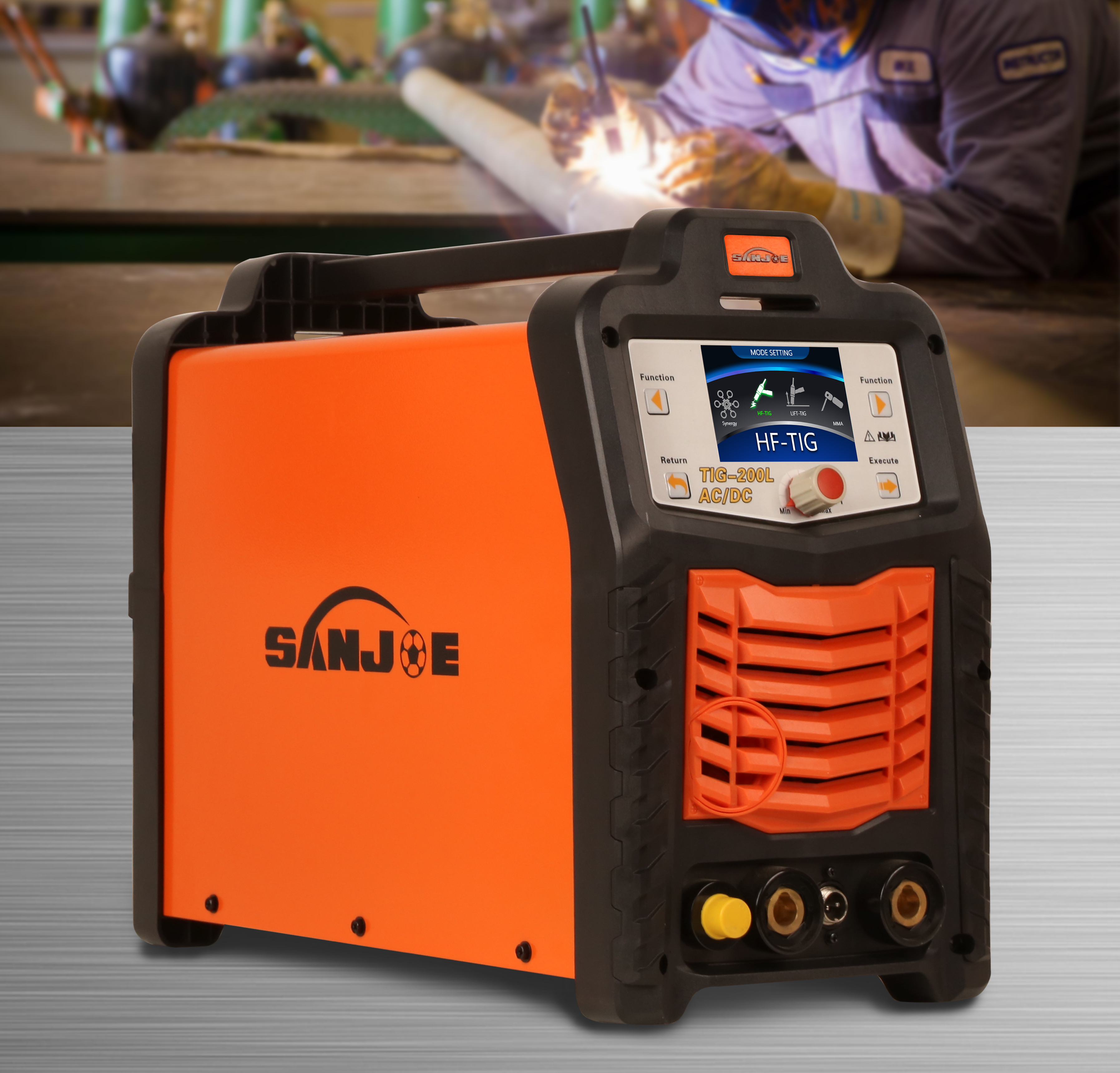
TIG Welders
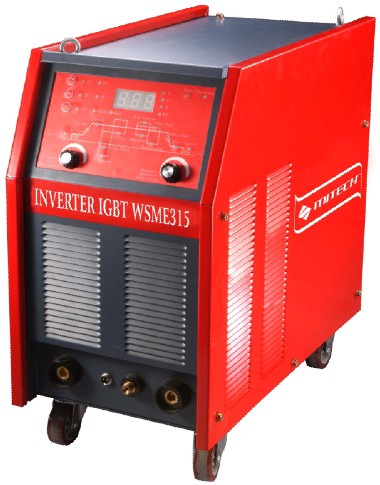
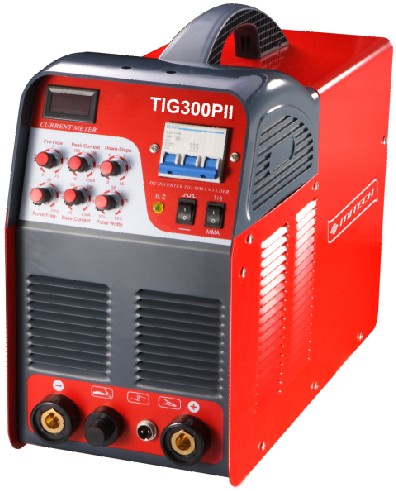
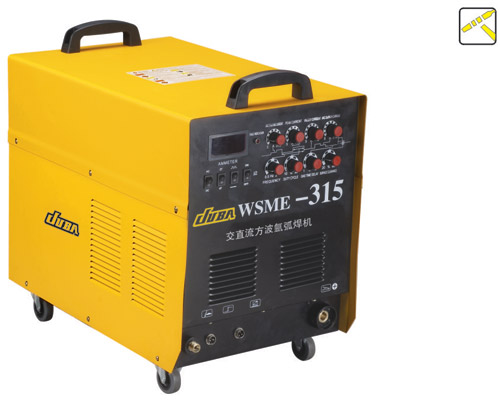
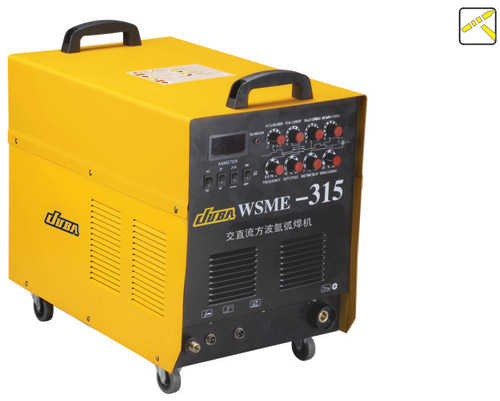
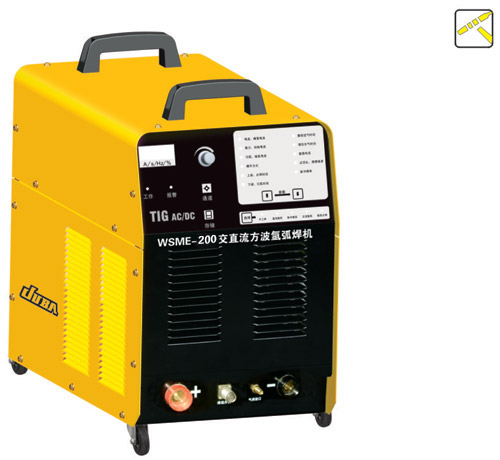
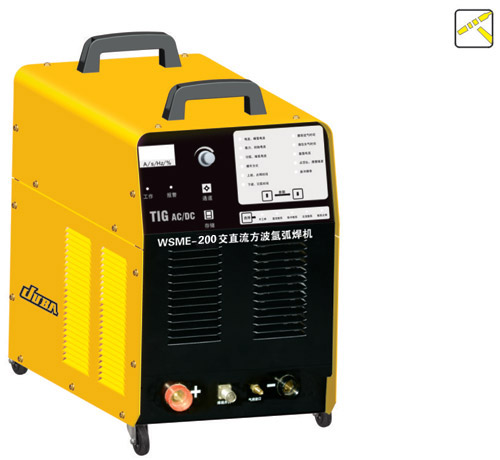
Source commercial-grade TIG welders from vetted manufacturers and wholesale suppliers. Designed for importers, industrial distributors, and brands seeking OEM or private-label production, our network delivers high-frequency inverter technology and precision arc control for demanding fabrication markets.
Sourcing TIG (Tungsten Inert Gas) welders in volume requires navigating a highly fragmented manufacturing landscape, primarily concentrated in industrial hubs across Zhejiang, Guangdong, and Shandong. The industry-wide shift toward lightweight, microprocessor-controlled inverter technology has lowered production barriers, but it has also flooded the market with units suffering from inflated duty cycles, poor thermal management, and unstable low-amp arcs. Securing reliable equipment means looking past the spec sheet and scrutinizing the core components and assembly standards on the factory floor.
Core Specifications and Component Selection
The reliability of an inverter TIG welder is dictated by its power topology and thermal design. When specifying machines for import, the internal component choices directly impact both the unit's lifespan and its price point.
| Component / Feature | Standard Commercial | Premium Industrial |
|---|---|---|
| Power Modules | Generic IGBTs or older MOSFETs | Tier-1 IGBTs (e.g., Infineon, Fuji) |
| Transformer Winding | Copper-Clad Aluminum (CCA) | 100% Pure Copper |
| PCB Protection | Basic spray or uncoated | Heavy conformal coating (dust/moisture proof) |
| High-Frequency (HF) Start | Standard spark gap | Solid-state HF ignition |
AC/DC and Pulse Capabilities
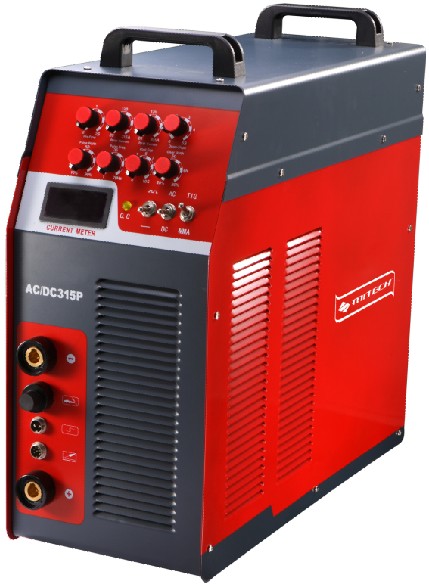
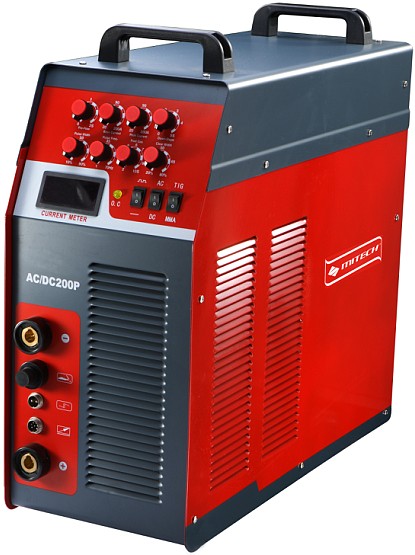
For markets requiring aluminum fabrication, AC/DC functionality is non-negotiable. Ensure the manufacturer uses robust square-wave inverters rather than older stepped designs. Pulse TIG functionality—essential for thin materials and heat control—relies heavily on the control board's microprocessor. Lower-tier manufacturers often use generic firmware with sluggish pulse response times, whereas premium suppliers offer highly tunable pulse frequencies (often up to 500Hz or more) with stable background currents.
Struggling to verify component quality across different suppliers? Our sourcing engineers can break down the true BOM of any unit.
Discuss Your SpecsManufacturing Quality and Assembly Standards
A TIG welder operates in harsh, conductive environments. The difference between a machine that lasts five years and one that fails in five months usually comes down to factory-level quality control and assembly discipline.
Critical Factory Quality Checks
- Conformal Coating: Ensure PCBs are heavily coated to prevent short circuits from metallic dust.
- Thermal Routing: Verify that heat sinks and cooling fans are isolated from sensitive control boards (often called a 'wind tunnel' design).
- Burn-in Testing: Factories should run 100% of units at maximum load for at least 2 to 4 hours to catch early component failures.
- Calibration Verification: Low-amp stability (e.g., 5A or 10A starts) must be physically tested, not just programmed.
Assessing these factors remotely is difficult. Conducting thorough Factory Audits prior to finalizing your supplier choice is the most effective way to verify that a manufacturer actually possesses the testing infrastructure they claim.
Customization and OEM/ODM Production
Many importers choose to build their own brand rather than distribute existing factory labels. TIG welders offer significant scope for OEM/ODM Services, ranging from simple cosmetic changes to complete custom interface designs.
- Enclosure and Chassis: Custom tooling for plastic bezels, handles, and metal chassis color.
- User Interface: Upgrading from analog dials to digital LED or full-color LCD screens with synergic controls.
- Firmware Customization: Adjusting pre-flow, post-flow, and pulse parameters to suit specific regional market preferences.
- Accessories: Bundling upgraded TIG torches (e.g., WP-17, WP-26 series with flex heads), premium ground clamps, and flexible argon hoses.
Compliance and Quality Control
Electrical safety and electromagnetic compatibility (EMC) are major hurdles when importing welding equipment. High-frequency start systems can cause severe electromagnetic interference if not properly shielded.
Depending on your target market, units must pass stringent regulatory standards. For Europe, CE (including LVD and EMC directives) and RoHS are mandatory. For North America, CSA or UL certifications are required for commercial distribution. Relying on a supplier's existing certificates can be risky; professional Compliance & Testing ensures the specific units you import match the certified prototypes.
Furthermore, implementing rigorous Quality Control & Inspection before shipment is vital to catch cosmetic defects, loose internal connections, or missing accessories before the container is sealed.
Pricing, MOQs, and Lead Times
Understanding the commercial realities of welding equipment manufacturing helps in negotiating sustainable contracts.
Pricing is highly sensitive to raw material costs (copper, aluminum) and the origin of the IGBT modules. Adding features like Power Factor Correction (PFC)—which allows the machine to run on varying input voltages and generator power—will increase the unit cost but significantly expand the machine's market appeal in regions with unstable power grids.
Need accurate pricing for custom-branded TIG welders? We negotiate directly with top-tier manufacturers on your behalf.
Get a QuoteFrequently Asked Questions
Successfully sourcing TIG welders requires balancing component quality against market price expectations. By focusing on thermal design, verifiable component sourcing, and rigorous pre-shipment testing, importers can build a resilient product line that minimizes warranty claims and builds long-term brand equity.
Get Sourcing Help for TIG Welders
Tell us your requirements and our experts will connect you with verified manufacturers.