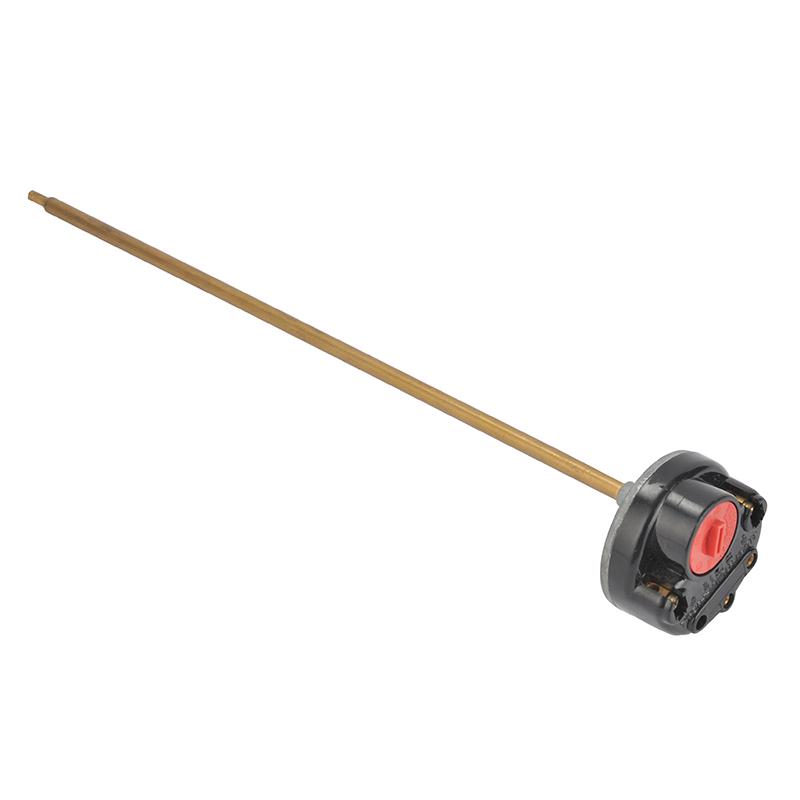
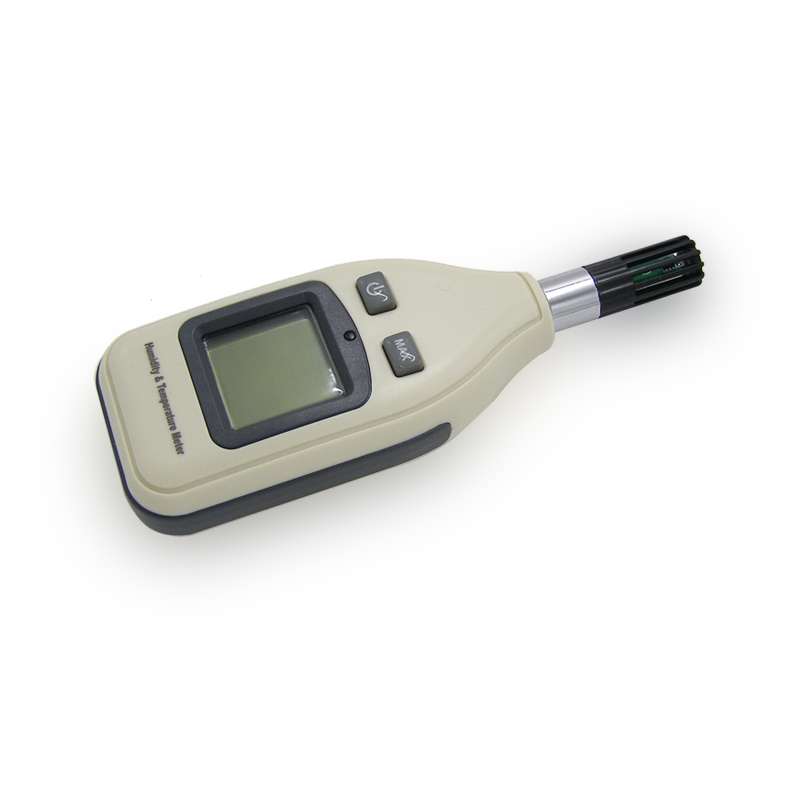
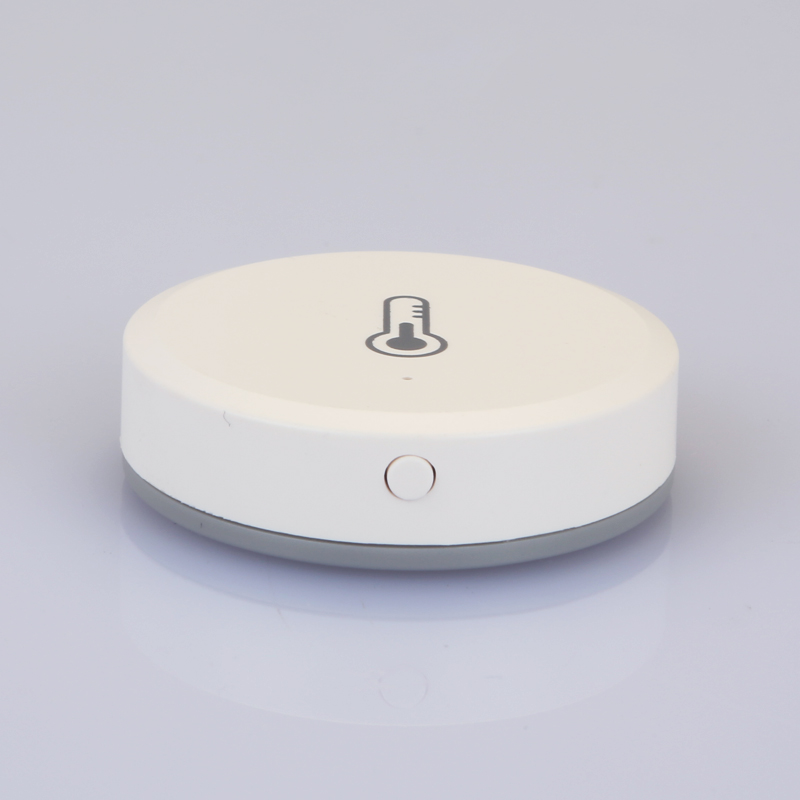
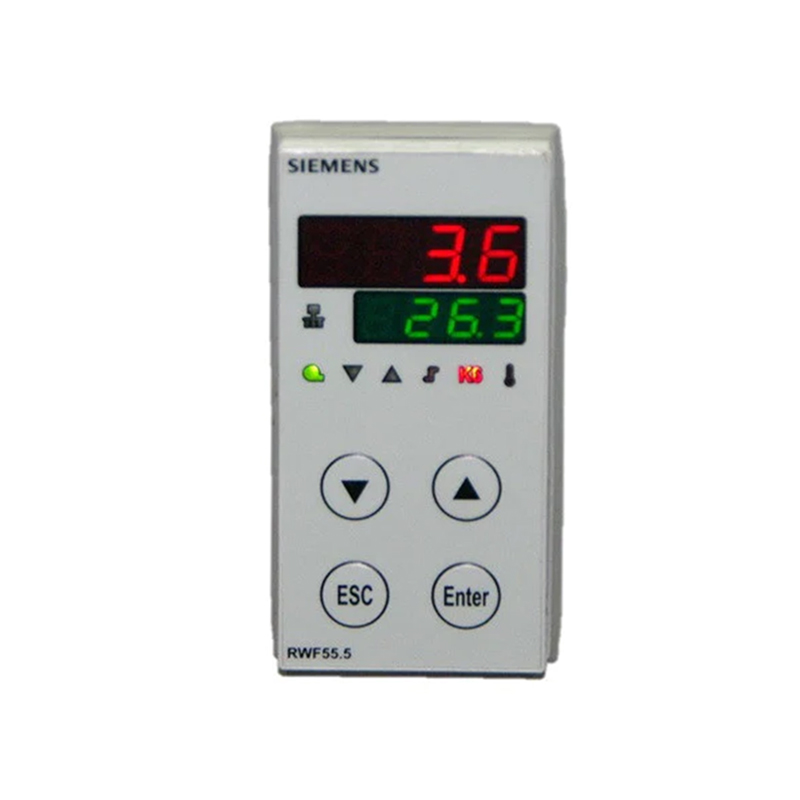
Temperature Sensors
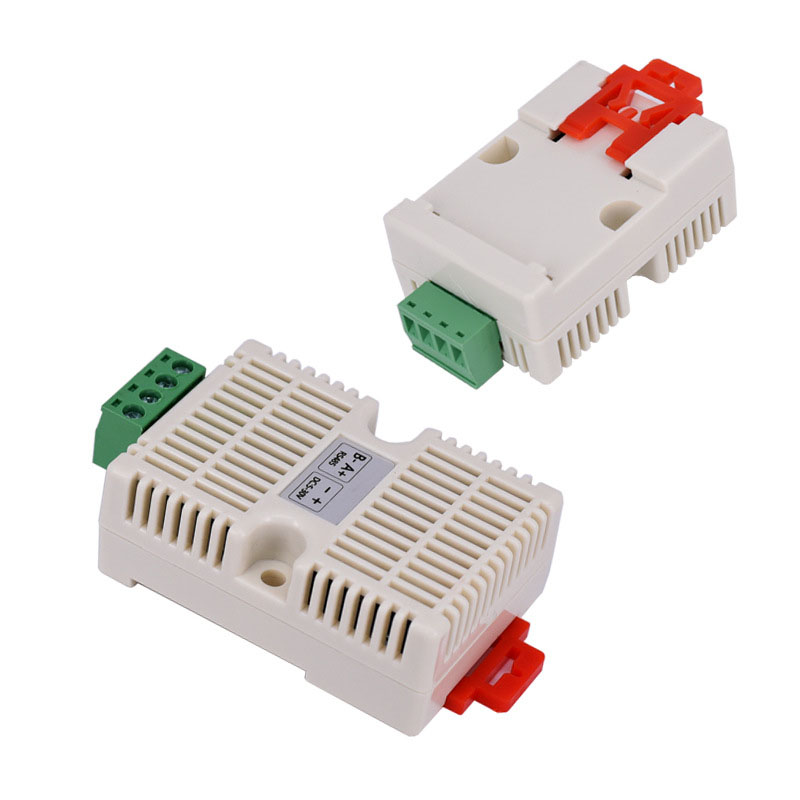
Source commercial and industrial-grade temperature sensors directly from vetted manufacturers and wholesale suppliers. Built for electronics distributors, procurement managers, and brands requiring reliable OEM production, our network delivers precision components scaled to your volume requirements.
Sourcing temperature sensors in high volumes requires balancing unit cost with stringent accuracy and reliability requirements. Whether you are procuring standard NTC thermistors for consumer electronics or custom-housed PT100 RTDs for industrial automation, the core challenge remains the same: ensuring consistent calibration and environmental resilience across every batch. A minor variance in encapsulation or die bonding at the factory level can lead to significant thermal drift or catastrophic failure in the field.
Defining Your Sensor Specifications
Selecting the right supplier begins with a precise technical specification. Factories in key Asian manufacturing hubs (such as Shenzhen and Wuxi) specialize in different sensor technologies, and their production lines are optimized accordingly.
When requesting quotes, your RFQ must detail the exact operating environment, response time (tau), and tolerance requirements.
| Sensor Type | Typical Accuracy | Operating Range | Best For |
|---|---|---|---|
| NTC Thermistors | ±0.1°C to ±1°C | -50°C to 250°C | High sensitivity in narrow ranges, HVAC, consumer electronics |
| RTDs (e.g., PT100) | ±0.03°C to ±0.3°C | -200°C to 850°C | High precision, linear output, industrial control |
| Thermocouples | ±1°C to ±2.5°C | -200°C to 1750°C | Extreme temperatures, rapid response, rugged environments |
| Digital IC Sensors | ±0.25°C to ±1°C | -55°C to 150°C | Direct MCU integration, IoT devices, smart home |
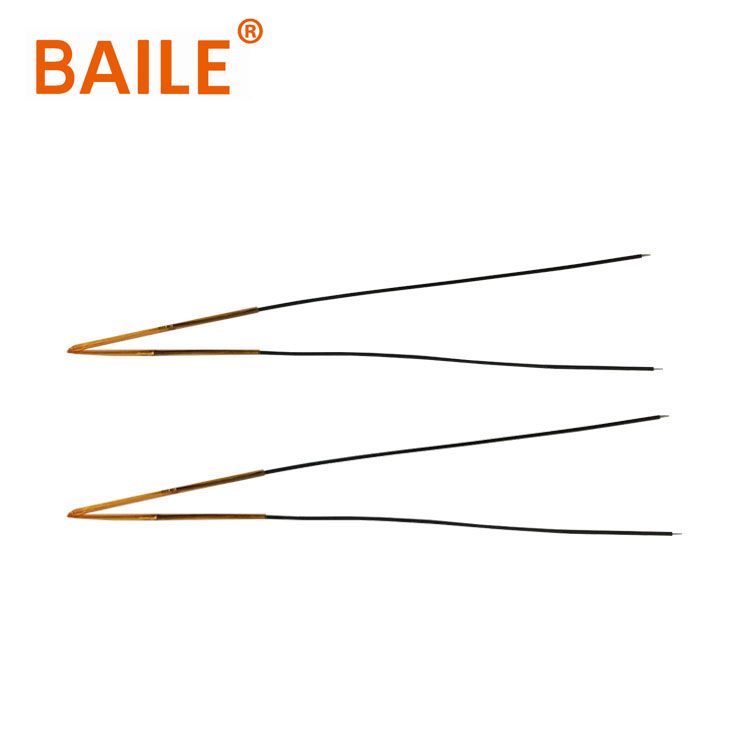
For thermistors, you must specify the Base Resistance (e.g., 10kOhm at 25°C) and the Beta (B) Value (e.g., 3950K), along with their respective tolerances. For RTDs, define the alpha coefficient and the required class (Class A, Class B, or 1/3 DIN).
Manufacturing Variables and Quality Control
The reliability of a temperature sensor is largely dictated by its packaging and encapsulation. Moisture ingress is the leading cause of premature failure in epoxy-coated sensors, while thermal cycling can degrade the internal wire bonds over time.
Assessing a factory's capability requires looking past their product catalog and examining their manufacturing controls. Before placing a bulk order, conducting proper factory audits ensures the supplier maintains rigorous environmental controls in their cleanrooms and automated bonding processes.
Critical Factory QC Checks for Temperature Sensors
- Automated laser trimming or resistance sorting to ensure tight tolerance batches.
- Vacuum potting processes for epoxy-encapsulated probes to eliminate air bubbles.
- Thermal shock testing capabilities (e.g., rapid cycling between -40°C and 125°C).
- Calibration baths utilizing high-precision reference thermometers (NIST or equivalent traceable).
- RoHS and REACH compliance documentation for all solders, epoxies, and cable jackets.
Batch consistency is critical. Relying solely on the factory's final inspection report is risky; implementing independent quality control and inspection prior to shipment helps verify that the resistance curves and dielectric strength (hi-pot testing) meet your exact specifications.
Need to secure a reliable supply chain for precision temperature sensors? Let our engineers help you vet manufacturers and establish strict quality control protocols.
Talk to our teamCustomization and OEM Integration
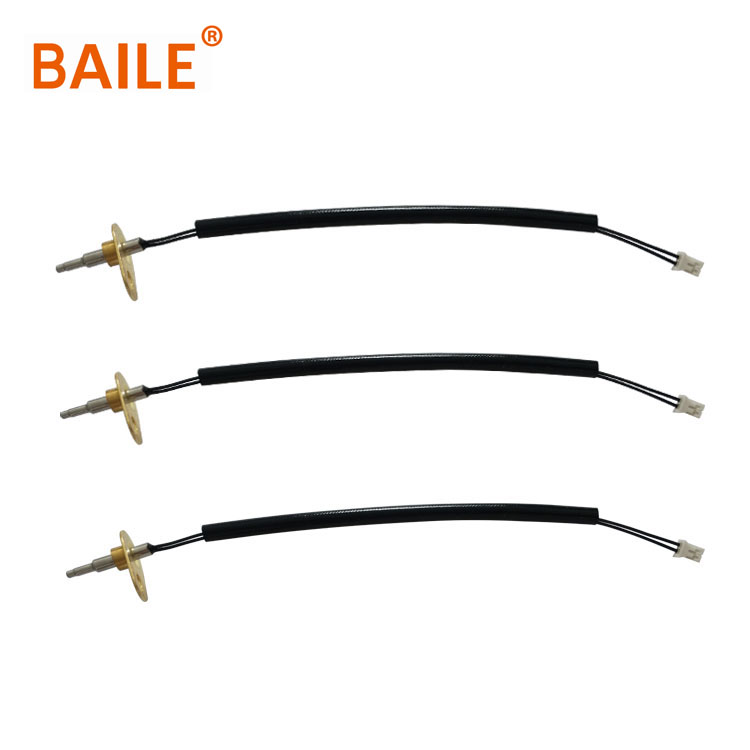
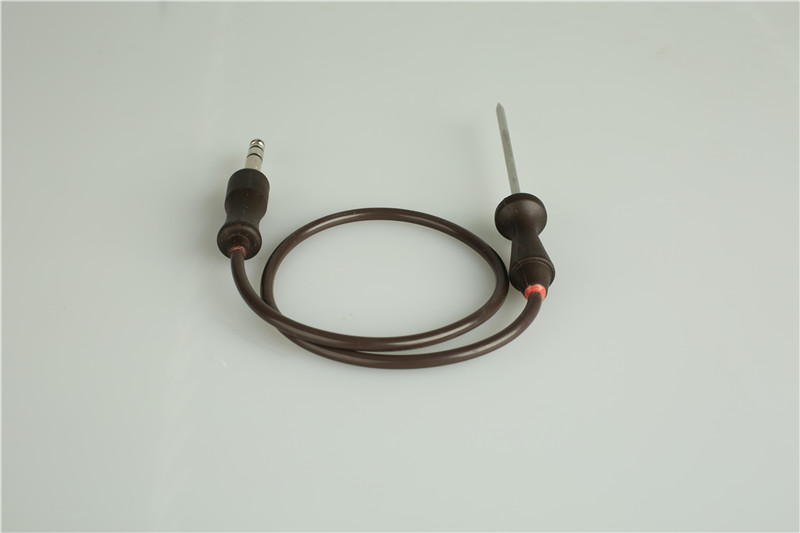
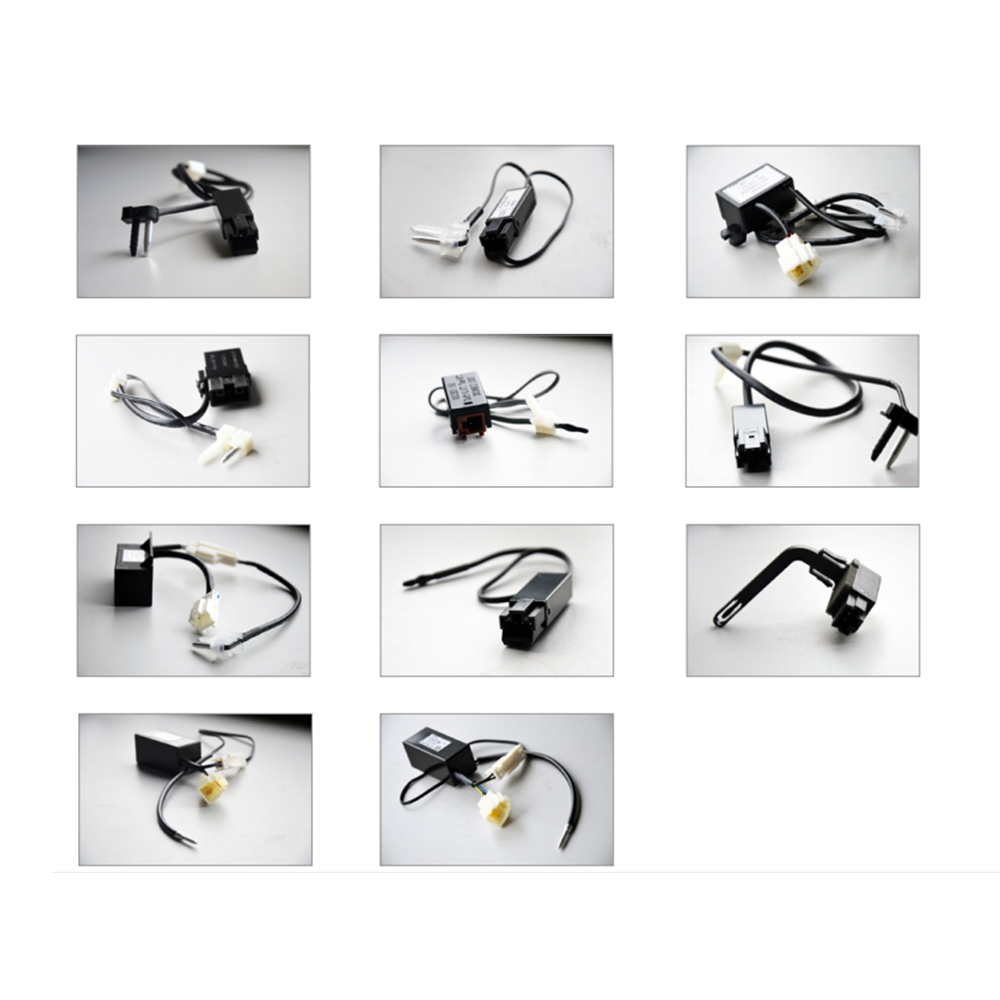
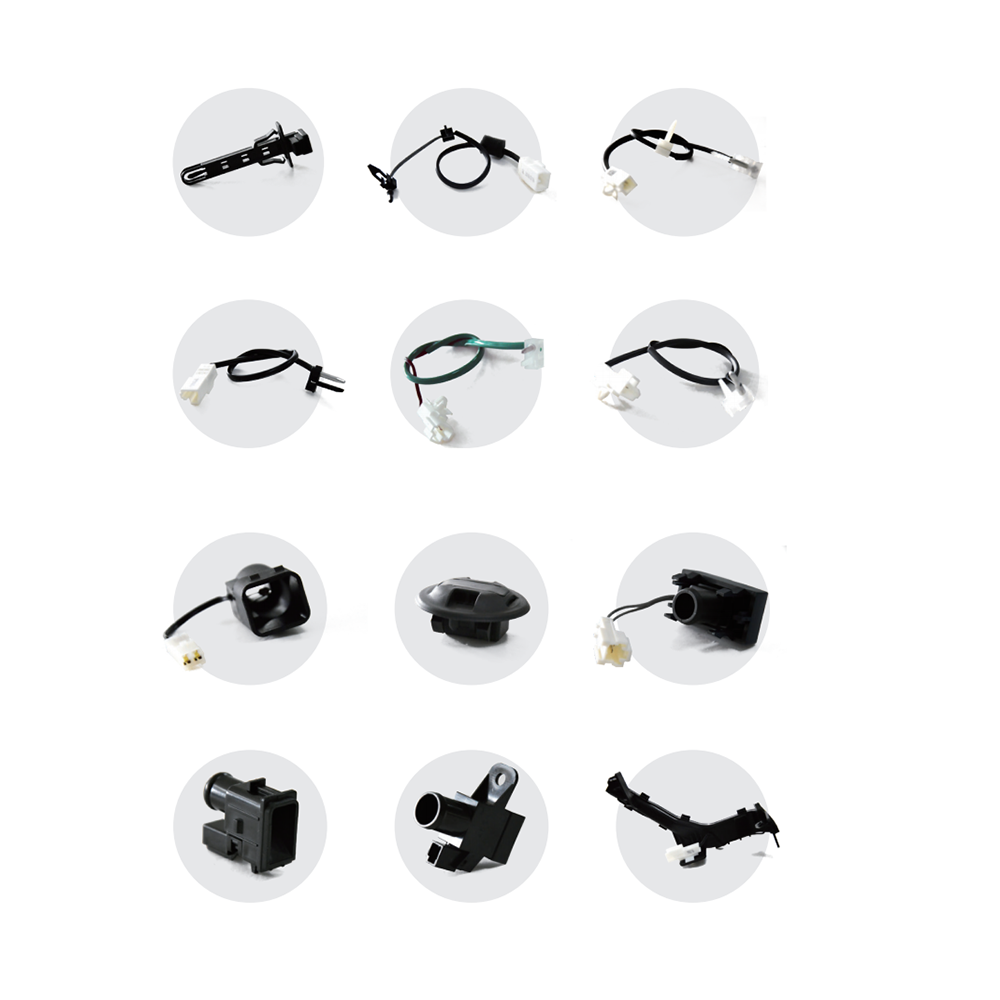
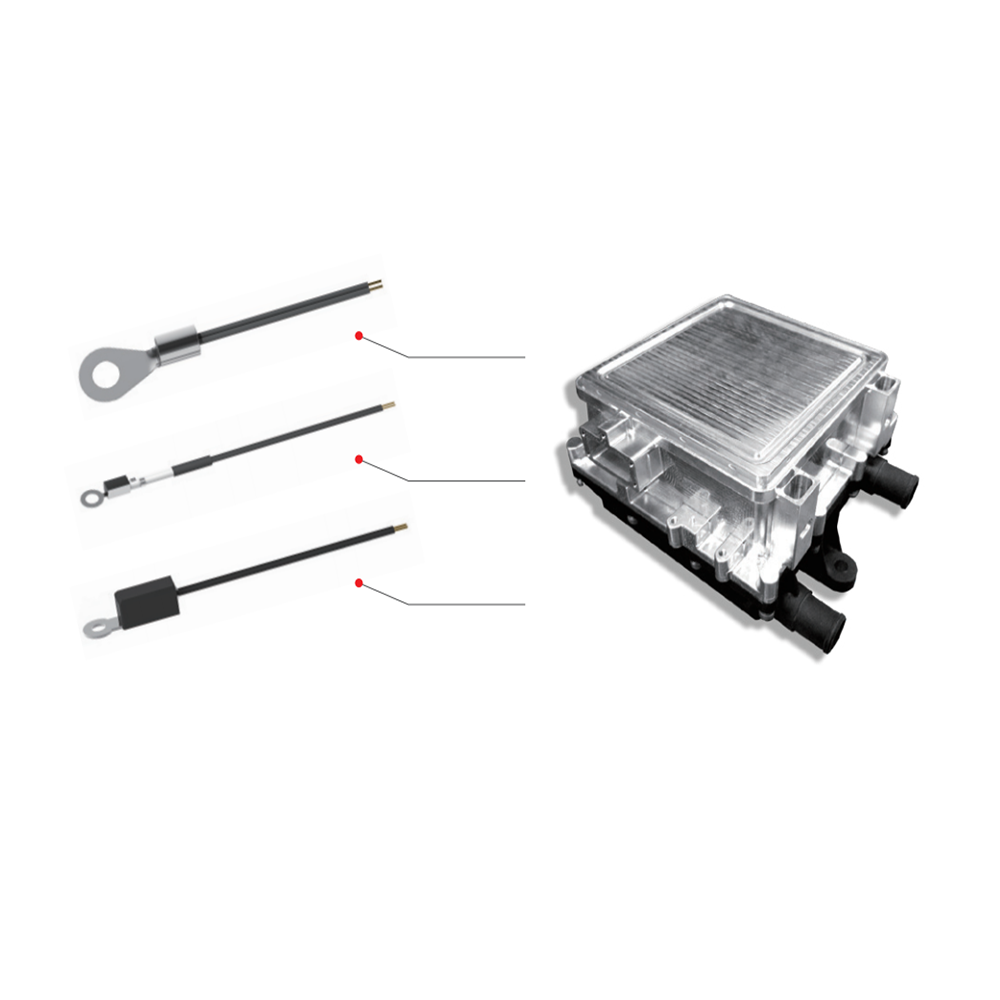
Many procurement managers require custom form factors rather than bare components. This includes specific probe housings (stainless steel, brass, copper), threaded fittings, custom cable lengths, and pre-crimped connectors (e.g., JST, Molex).
When engaging suppliers for OEM/ODM services, clearly define the IP rating required for the housing. An IP68 rating for a submersible sensor requires specialized overmolding or glass encapsulation techniques that not all standard component manufacturers possess. Furthermore, specify the cable jacket material (PVC, Silicone, PTFE, or Fiberglass) based on the target environment's temperature and chemical exposure.
Typical Pricing, MOQ, and Lead Times
Pricing in the temperature sensor market is highly dependent on the sensor element, housing complexity, and raw material costs (especially for platinum RTDs or specialized thermocouple alloys).
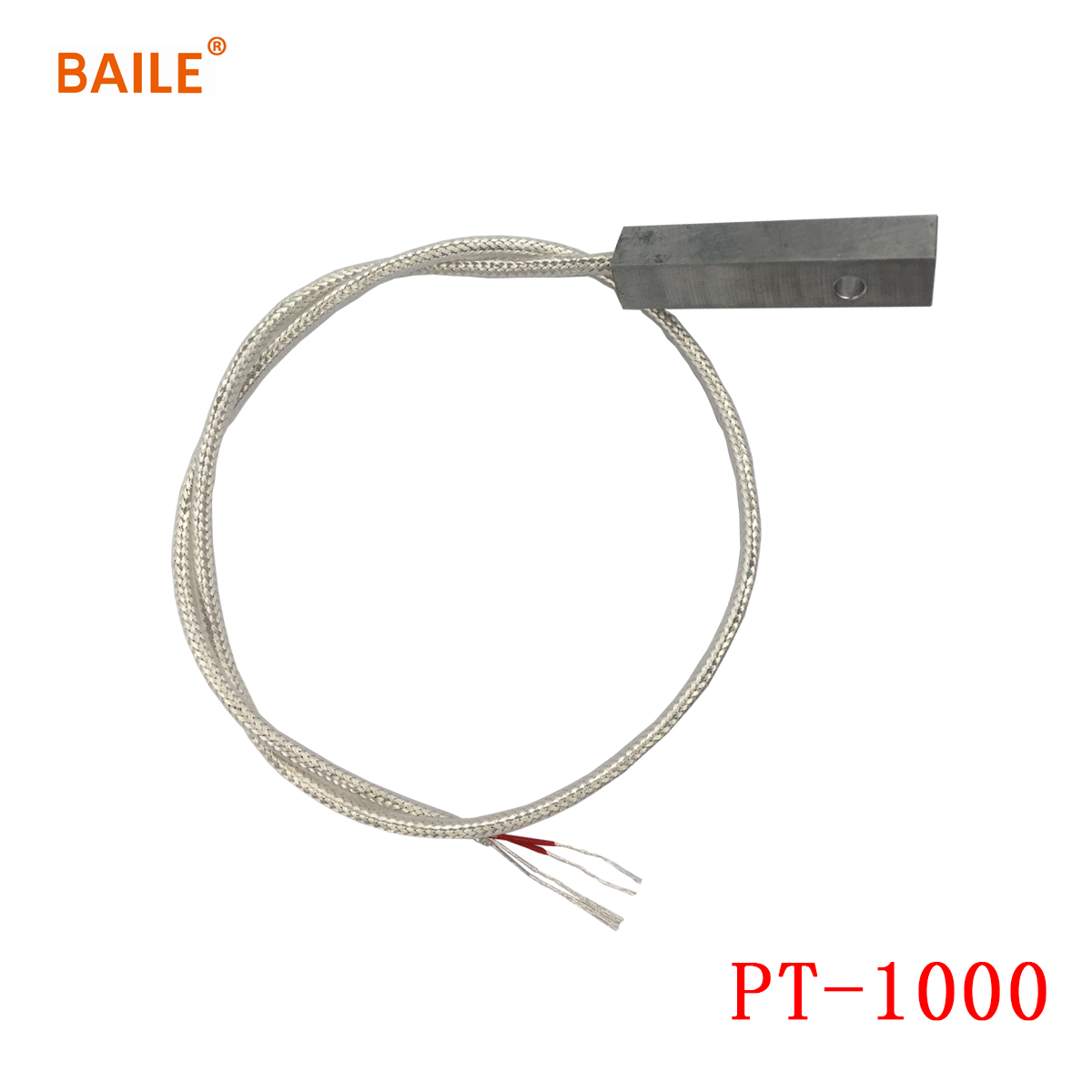
Bare NTC thermistors are typically priced in the cents per unit at high volumes, while precision PT1000 probes with custom stainless steel housings and PTFE cables can range from a few dollars to over ten dollars per unit. Always factor in the cost of tooling if your application requires a custom injection-molded housing or specialized overmolding.
Struggling with high MOQs or inconsistent pricing for custom sensor assemblies? We can negotiate terms and manage production with specialized sensor factories.
Get a free consultationBuyer FAQ
Successfully sourcing temperature sensors requires looking beyond unit price and deeply evaluating the manufacturer's encapsulation, calibration, and testing capabilities. By defining strict technical parameters and enforcing rigorous quality control at the factory level, you can secure a reliable supply of sensors that perform accurately in the field.
Get Sourcing Help for Temperature Sensors
Tell us your requirements and our experts will connect you with verified manufacturers.