Table
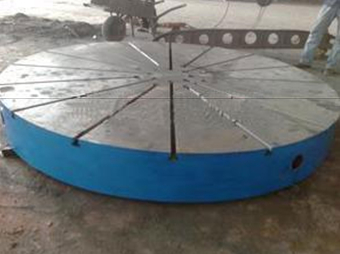
Source high-precision machine tool tables directly from vetted manufacturers and factories in Asia. Designed for industrial distributors, machine builders, and wholesalers, our bulk wholesale and OEM production services cover everything from rotary and cross-slide tables to heavy-duty T-slot bases.
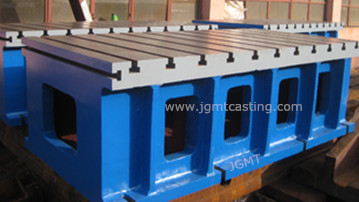
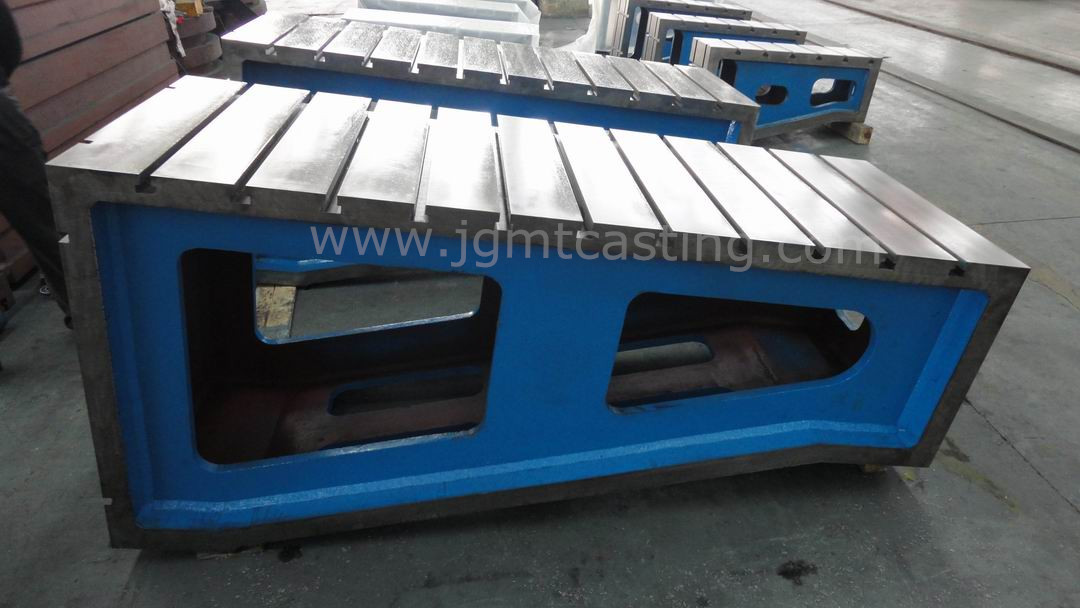
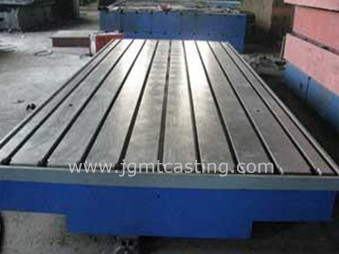
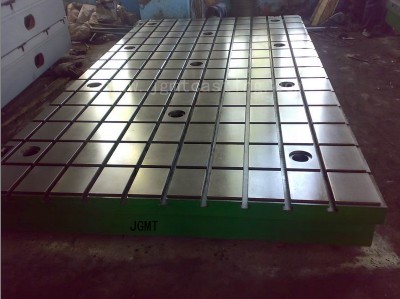
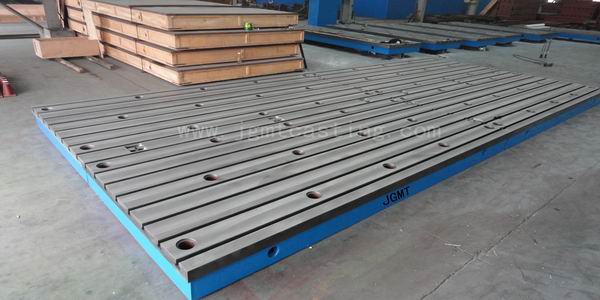
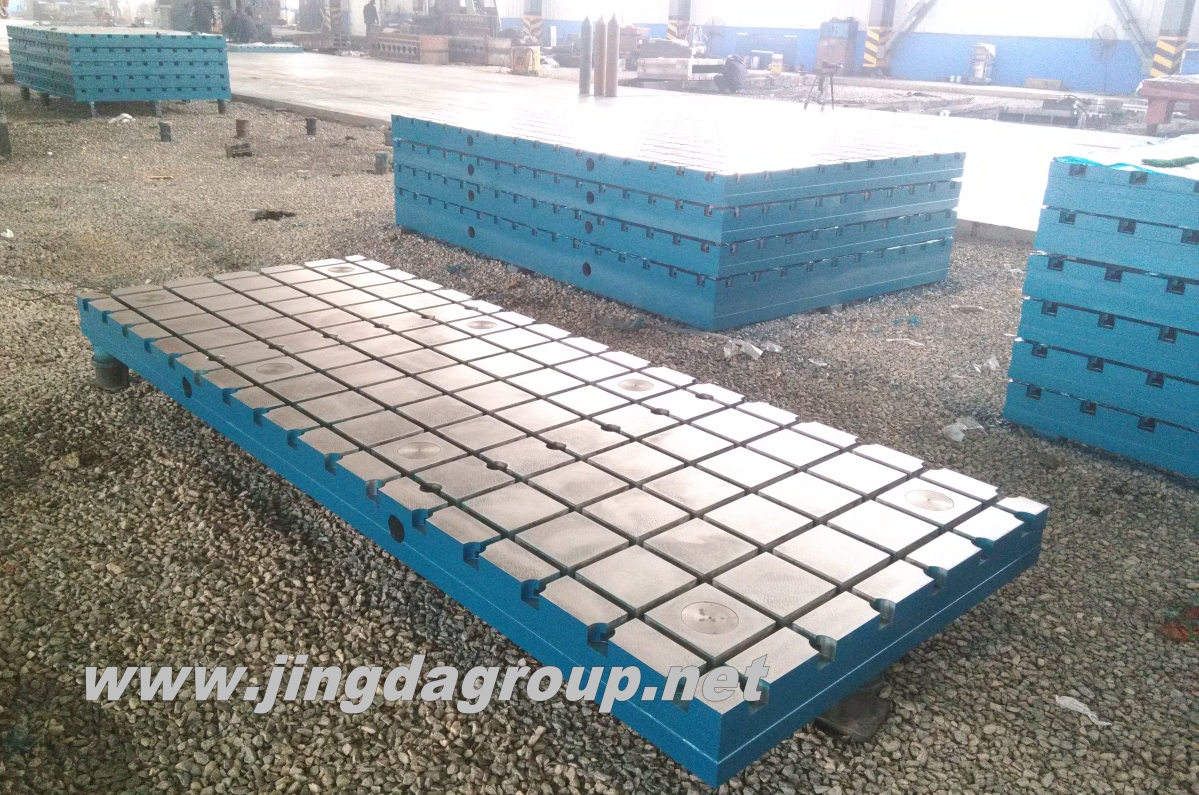
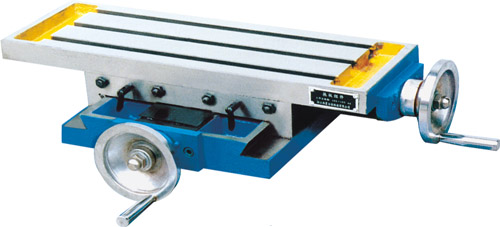
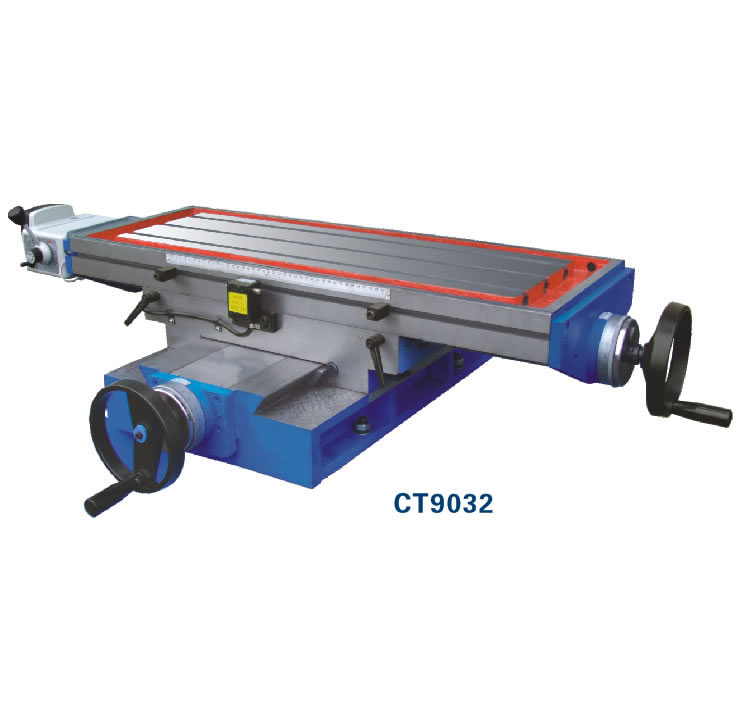
Sourcing machine tool tables in bulk requires a strict focus on metallurgical stability and geometric precision. Whether you are procuring XY cross-slide tables for drill presses, CNC rotary tables for 4th-axis machining, or heavy-duty T-slot mounting plates, the core challenge remains the same: ensuring the cast iron base maintains its flatness and parallelism under heavy cutting loads without warping over time.
Critical Specifications and Tolerances
When negotiating with manufacturers, vague specifications lead to inconsistent batches. Machine tool accessories demand exact tolerances, and suppliers will often default to faster, cheaper production methods if strict requirements are not contractually bound.
Key Specifications to Define in Your PO
- Material Grade: Specify high-density cast iron (such as HT250 or HT300) or nodular cast iron for superior vibration dampening and rigidity.
- Geometric Tolerances: Define acceptable flatness and parallelism (typically under 0.02mm per 300mm for precision applications).
- T-Slot Standards: Ensure T-slots are milled to DIN 650 specifications to guarantee compatibility with standard industrial clamping kits.
- Drive Mechanisms: For sliding or rotary tables, specify maximum allowable backlash and the grade of the lead screws or worm gears.
Need to verify a supplier's casting and machining capabilities? We audit machine tool accessory factories across Asia.
Talk to our teamThe Manufacturing Process: Where Quality is Won or Lost
The most common defect in imported machine tool tables is post-delivery warpage. This occurs when a factory rushes the production cycle and skips vital stress-relief steps. A reliable manufacturer will have a well-documented process for stabilizing the raw castings before final machining.
If you are evaluating a new supplier, conducting thorough factory audits is essential to verify they actually possess the necessary aging facilities and precision grinding equipment, rather than outsourcing to unverified sub-tier workshops.
Casting and Initial Stress Relief
High-grade resin sand casting is followed by thermal stress relief (annealing) or natural aging in the yard. Rushing this step guarantees the table will warp after machining.
Rough Machining
The factory removes the outer casting skin to establish the basic geometry. Premium manufacturers will implement a secondary stress relief cycle at this stage.
Precision Grinding
Final surface grinding on precision slideway grinders to achieve the required flatness and parallelism tolerances.
Assembly and Inspection
For rotary and cross-slide tables, components are assembled, gibs are adjusted, and runout/backlash is measured. Hand scraping may be applied to mating surfaces for optimal oil retention.
Implementing independent quality control during the final assembly stage is highly recommended to catch indexing errors or out-of-spec runout before the heavy units are crated for export.
Pricing, MOQs, and Lead Times
Machine tool tables are heavy, material-intensive products. Pricing is heavily dictated by the current cost of raw pig iron, the complexity of the internal mechanisms (e.g., zero-backlash worm gears in CNC rotary tables), and the time dedicated to precision grinding.
Because these items are exceptionally dense and heavy, shipping logistics require careful planning. LCL (Less than Container Load) shipping is common for high-value rotary tables, while full container loads are standard for bulk orders of T-slot plates. Coordinating shipping and freight early in the production cycle ensures you secure favorable ocean rates for heavy cargo.
Struggling with inconsistent tolerances or long lead times? Let us manage your machine tool accessory supply chain from factory floor to final delivery.
Get a free consultationFrequently Asked Questions
Consistent sourcing in the machine tool accessory sector means looking past the surface finish and understanding the metallurgy beneath it. By partnering with factories that respect the time required for proper casting and aging, you protect your brand from costly field failures and precision issues down the line.
Get Sourcing Help for Table
Tell us your requirements and our experts will connect you with verified manufacturers.