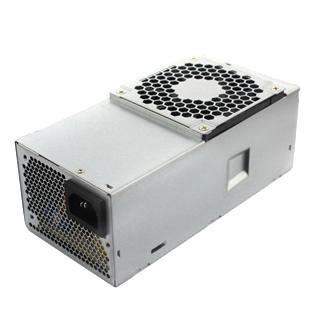
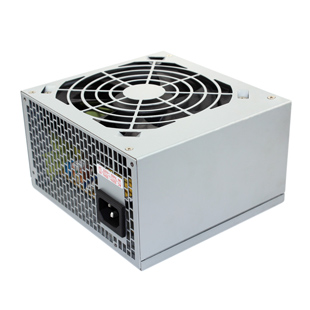
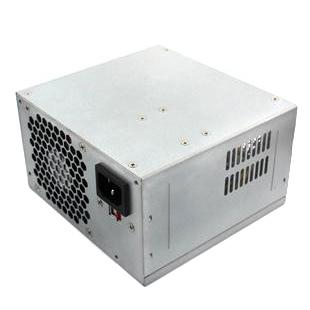
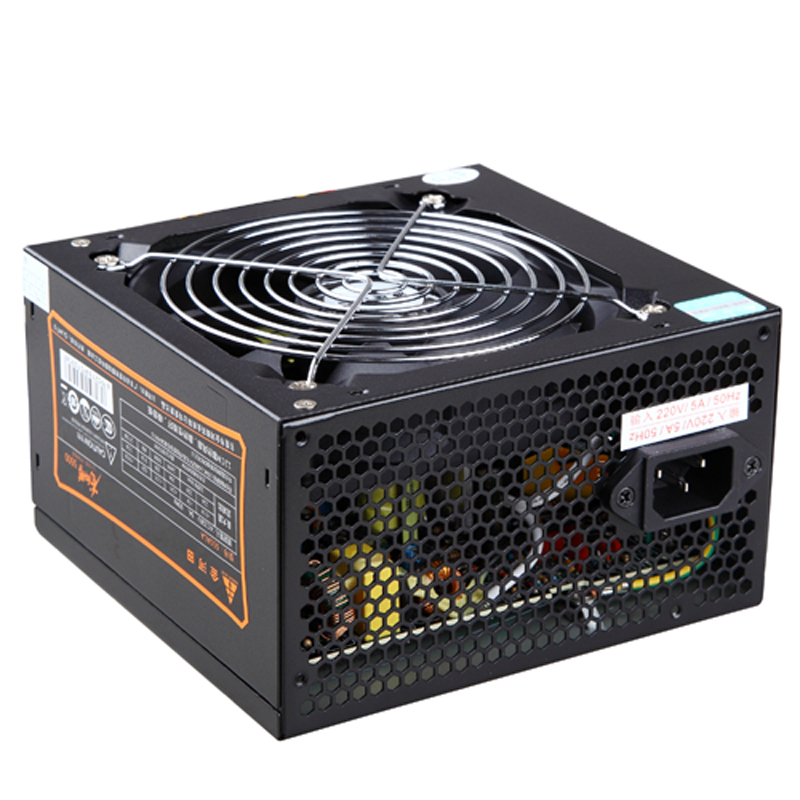
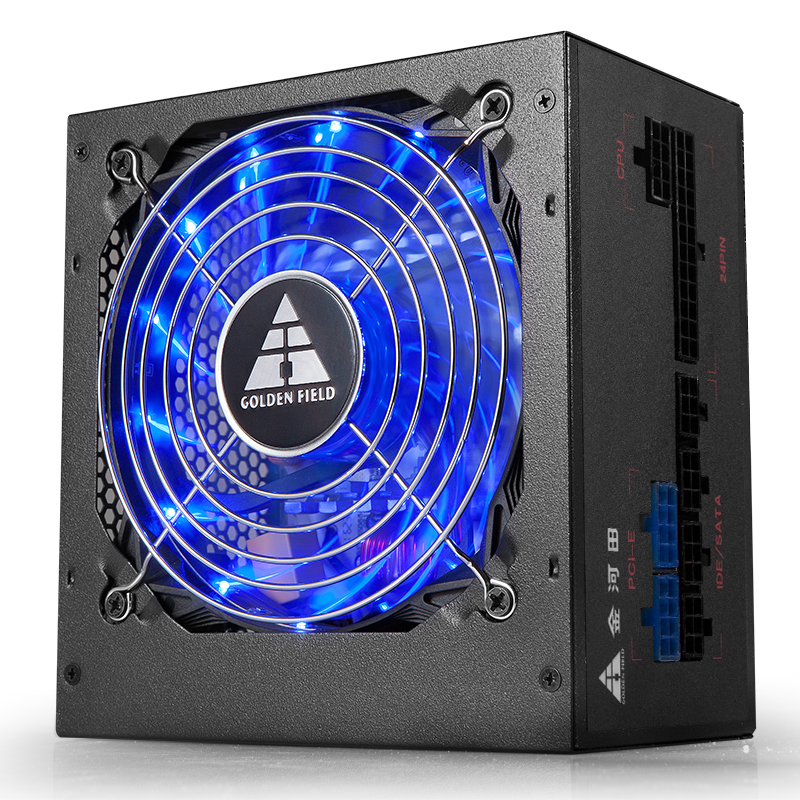
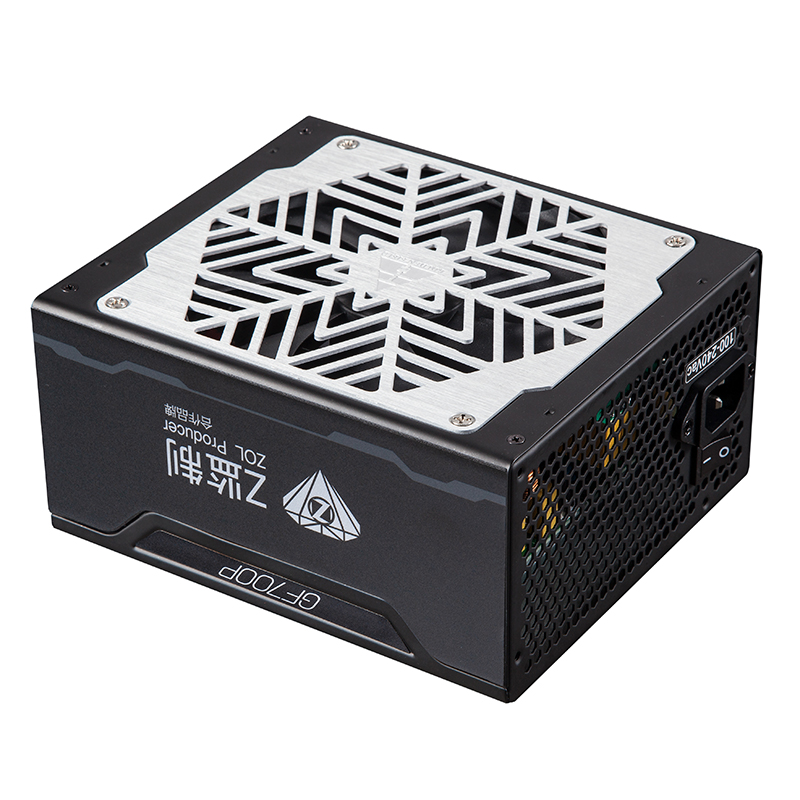
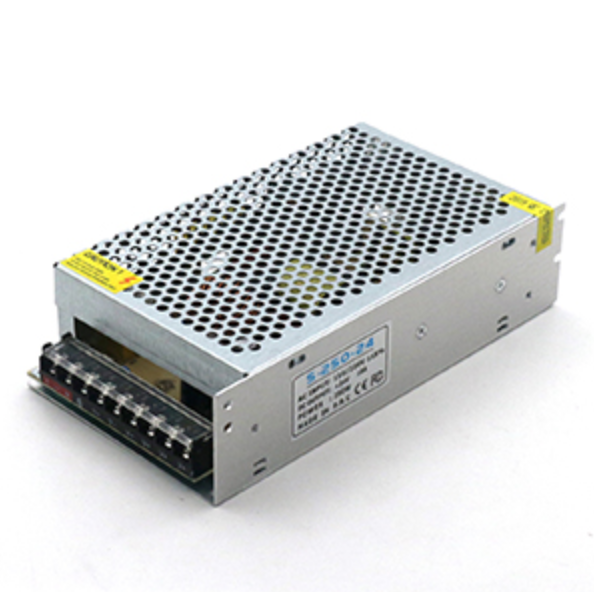
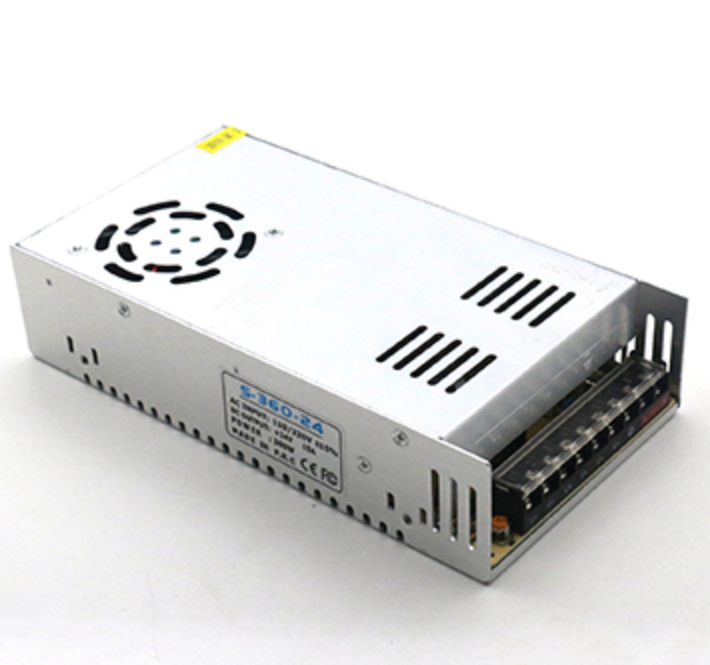
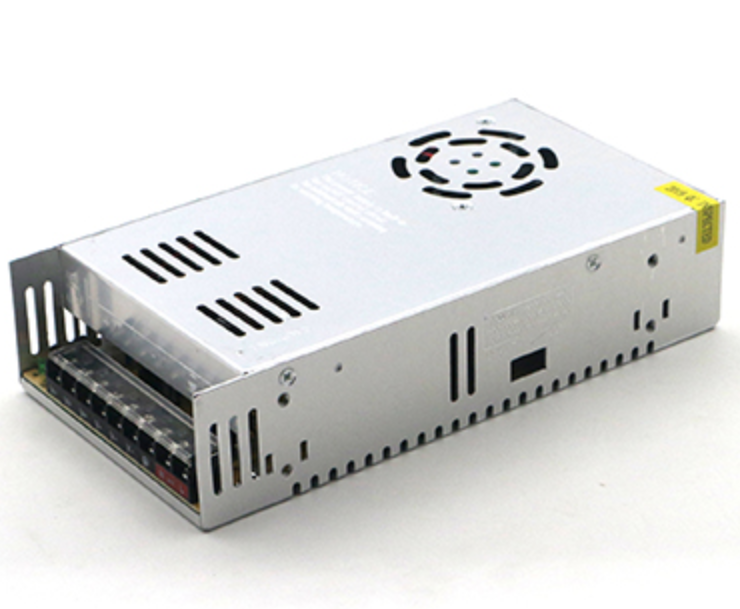
Switching Power Supplies
Source commercial and industrial switching power supplies from vetted manufacturers and suppliers in China and across Asia. Designed for electronics importers, equipment manufacturers, wholesalers, and brands seeking reliable OEM and private-label production in high volumes.
Sourcing reliable switching power supplies (SMPS) in volume demands rigorous attention to component quality, thermal management, and strict regulatory compliance. Whether you are importing enclosed units for industrial machinery or open-frame supplies for consumer electronics, the factory's engineering capabilities and testing protocols directly dictate the lifespan, efficiency, and safety of your final product.
Defining Critical SMPS Specifications
When communicating with manufacturers, vague specifications lead to compromised builds. To ensure the factory quotes the correct topology and component tier, your RFQ must explicitly detail the operational parameters.
Beyond basic input/output voltages and total wattage, buyers must define:
- Efficiency and PFC: Specify the required efficiency percentage at typical loads (e.g., over 85 percent) and whether Active Power Factor Correction (PFC) is required. Active PFC is often mandatory for compliance in the EU for power supplies drawing more than 75W.
- Ripple and Noise: Measured in mVp-p. High ripple can degrade sensitive electronics. Industrial standard is typically under 120mVp-p, but sensitive medical or IT equipment may require under 50mVp-p.
- Operating Temperature and Derating: Specify the ambient temperature range. A 200W power supply might only deliver 150W at 50 degrees Celsius. Ensure the factory provides accurate derating curves.
- Isolation and Leakage Current: Critical for safety, especially in medical (MOPP) or wet-environment applications.
Need help translating your technical requirements into a factory-ready RFQ? Let our sourcing engineers align your specs with the right manufacturer.
Talk to our teamFactory Floor Realities: Where Quality is Determined
Not all SMPS manufacturers are equal. The difference between a tier-one supplier and a low-end assembler lies in their component sourcing networks and their quality control infrastructure.
The Capacitor Trap
Electrolytic capacitors are the most common point of failure in switching power supplies. Low-tier factories often substitute premium Japanese capacitors (like Rubycon or Nippon Chemi-Con) with cheaper domestic alternatives to cut costs, drastically reducing the Mean Time Between Failures (MTBF). Always specify acceptable capacitor brands in your BOM.
When evaluating an SMPS manufacturer, pay close attention to their production and testing capabilities:
SMT and Through-Hole Assembly
Verify the precision of their Surface Mount Technology lines and wave soldering processes. Poor solder joints lead to high resistance and thermal failure.
Transformer Winding
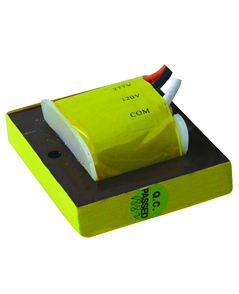
Top factories wind their own high-frequency transformers in-house to maintain strict control over isolation and inductance. Ensure they use pure copper wire, not Copper-Clad Aluminum (CCA).
Burn-in Testing
A mandatory step. Reliable factories subject 100 percent of their units to a burn-in test at full load in a heated chamber (usually 40 to 50 degrees Celsius) for 4 to 24 hours to catch early component failures.
Automated Testing Equipment (ATE)
Final inspection should be done via ATE to verify voltage regulation, over-voltage protection (OVP), over-current protection (OCP), and short-circuit protection.
If you cannot visit the facility yourself, conducting thorough Factory Audits is essential to verify these testing stations actually exist and are calibrated correctly.
Regulatory Compliance and Certifications
Importing power supplies without proper certification is a major liability. Customs can seize non-compliant shipments, and uncertified units pose severe fire risks.
You must ensure the factory holds valid, verifiable test reports for your target market. Do not accept generic CE marks without the accompanying Declaration of Conformity and technical file.
Essential Compliance Checks
- UL/cUL or ETL listing for the North American market (e.g., UL 62368-1 for IT/AV equipment).
- CE marking for Europe, encompassing both the LVD (Low Voltage Directive) and EMC (Electromagnetic Compatibility) directives.
- FCC Part 15 Class B for electromagnetic interference (EMI) limits in the US.
- RoHS and REACH compliance for hazardous substances.
- CB Scheme certification to facilitate multi-market approvals.
For custom designs or modified standard units, navigating the certification process can be complex. Utilizing expert Compliance & Testing services ensures your products pass lab testing on the first run, saving months of redesign delays.
Pricing, MOQs, and Lead Times
Switching power supply pricing is heavily dependent on the wattage, component tier, and required certifications.
When negotiating prices, remember that copper, aluminum, and semiconductor costs fluctuate. Quotes are typically valid for only 30 days. If you are developing a proprietary unit, expect to pay NRE (Non-Recurring Engineering) fees and tooling costs for custom plastic or metal enclosures.
Looking to optimize your power supply procurement or develop a custom unit? Speak with our experts about finding the right manufacturing partner.
Get a free consultationFrequently Asked Questions
Sourcing switching power supplies safely requires looking past the spec sheet and scrutinizing the assembly line. The lowest quoted price often hides dangerous component substitutions or skipped burn-in testing. By partnering with experienced sourcing professionals, you can secure reliable production lines, enforce strict quality controls, and import compliant power supplies with confidence.
Get Sourcing Help for Switching Power Supplies
Tell us your requirements and our experts will connect you with verified manufacturers.