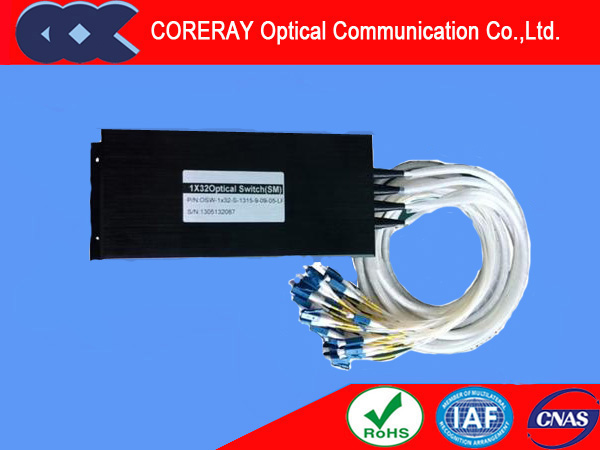
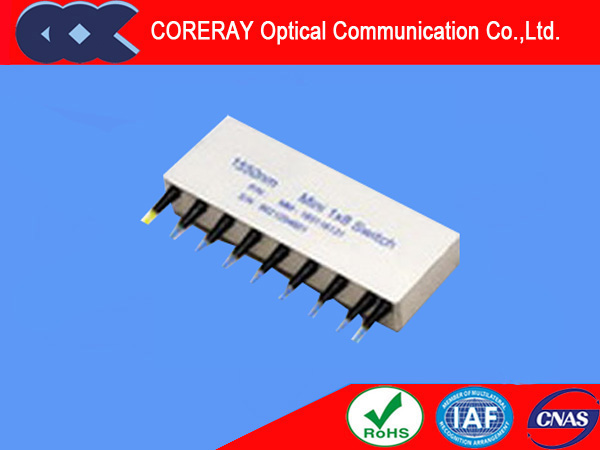
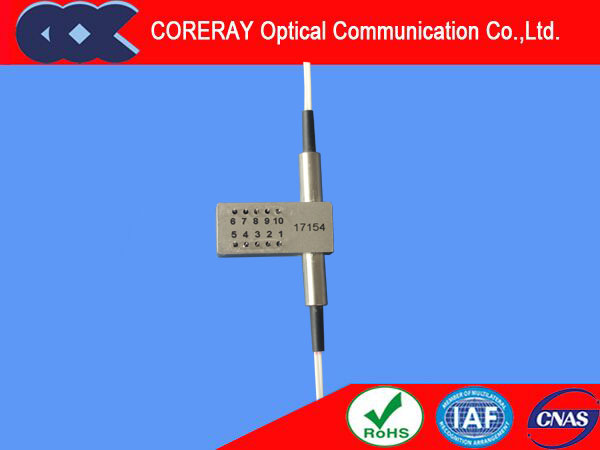
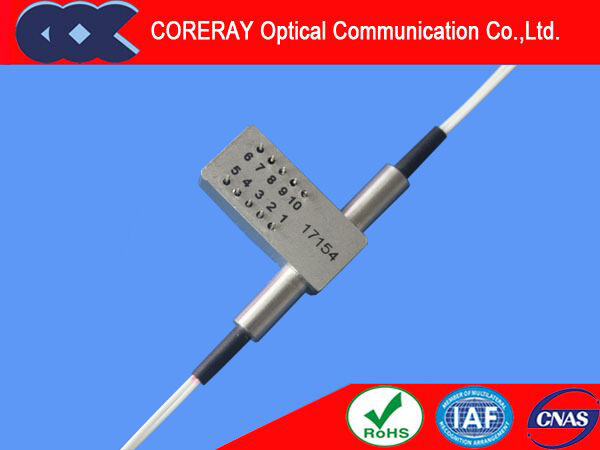
Switches
Source reliable switches from vetted manufacturers and wholesale suppliers across Asia. Built for electronics distributors, procurement managers, and brands requiring OEM components, our network delivers high-volume orders with strict adherence to global compliance and performance standards.
Sourcing electromechanical switches in volume requires balancing unit cost with absolute reliability. Because a switch is often the primary physical interface between the user and the device, premature failure or an inconsistent tactile feel translates directly to perceived poor product quality. Whether you are procuring microswitches for home appliances, tactile switches for consumer electronics, or heavy-duty toggles for industrial controls, securing a stable supply chain hinges on rigorous specification and verified factory capabilities.
Specifying Switches for Production
To avoid sourcing mismatches, procurement teams must define electrical, mechanical, and environmental parameters long before requesting quotes. Minor variations in internal component materials drastically alter a switch's lifecycle and performance.
When approaching factories, ensure your RFQ explicitly details:
- Actuation Force & Travel: Measured in grams-force (gf) and millimeters. Consistency here defines the "feel" of the product.
- Contact Material & Plating: Silver plating is standard for most applications, but low-current (logic level) circuits often require gold-plated contacts to prevent oxidation and ensure reliable switching without arcing.
- Environmental Sealing: If the application requires dust or water resistance, specify the exact IP rating (e.g., IP67) rather than just requesting a "waterproof" variant.
Experiencing high defect rates or inconsistent actuation feel from your current suppliers? Let us evaluate your specifications and connect you with thoroughly vetted switch manufacturers.
Talk to our teamManufacturing Processes and Quality Control
The reliability of a switch is won or lost on the factory floor. High-quality switch manufacturing relies heavily on precision metal stamping for the terminals and contacts, and tight-tolerance injection molding for the housings.
If a factory relies too heavily on manual assembly for small tactile or slide switches, you will likely see high batch-to-batch variance in actuation force and contact bounce times. Automated assembly lines are critical for consistency in high-volume production. Before committing to a large order, conducting comprehensive factory audits is essential to verify the level of automation and the quality of their stamping dies.
Critical Quality Checks
Pre-Shipment Verification Points
- Contact Resistance Testing: Verifying resistance remains within tolerance after initial actuation.
- Dielectric Withstanding Voltage (Hi-Pot): Ensuring insulation between open contacts and ground.
- Solderability Testing: Checking terminal plating to prevent cold joints during PCBA wave or reflow soldering.
- Life Cycle Testing: Automated mechanical actuation to verify durability claims.
Implementing strict quality control protocols, including in-line testing and pre-shipment inspections, is the only way to catch issues like housing flash (which causes mechanical binding) or inadequate terminal plating before the components reach your assembly lines.
Compliance, Sourcing Mechanics, and Pricing
Switches used in mains-voltage applications must carry the appropriate safety certifications for your target market. Relying on unverified supplier claims can lead to customs seizures or product liability issues. Ensure your supplier can provide valid, verifiable UL, ENEC, or CQC certificates, alongside standard RoHS and REACH declarations. If you are integrating a custom design, engaging professional compliance and testing services early in the development cycle is highly recommended.
MOQs and Lead Times
Because switches are high-volume, low-margin components, Minimum Order Quantities (MOQs) are generally high.
- Standard Off-the-Shelf: Typically 10,000 to 50,000 pieces per reel or batch. Lead times usually range from 3 to 6 weeks.
- Custom / OEM: Modifying actuator lengths, custom operating forces, or unique footprint designs through OEM/ODM services often requires investing in custom tooling. MOQs for custom runs typically start at 100,000 pieces, with lead times extending to 8 to 12 weeks to account for mold creation and first-article approval.
Need to stabilize your component supply chain? We manage supplier negotiations, compliance verification, and production monitoring for high-volume buyers.
Get a free consultationFrequently Asked Questions
Procuring switches at scale is about managing risk as much as it is about managing cost. By demanding exact specifications, verifying factory automation, and enforcing rigorous pre-shipment testing, you protect your end product from the cascading failures caused by subpar components.
Get Sourcing Help for Switches
Tell us your requirements and our experts will connect you with verified manufacturers.