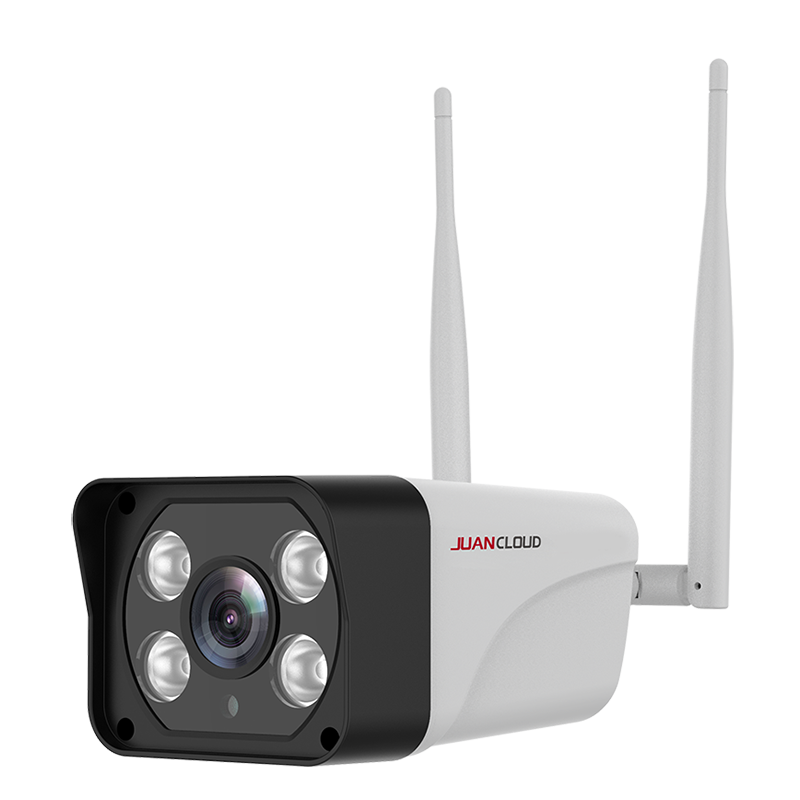
Surveillance & IP Cameras
Source commercial-grade Surveillance & IP Cameras from vetted manufacturers and suppliers in China and across Asia. Designed for electronics importers, distributors, and security brands seeking reliable bulk wholesale purchasing or custom OEM/ODM production.
Sourcing surveillance and IP cameras at volume requires navigating a highly fragmented manufacturing base, primarily concentrated in Shenzhen and Hangzhou. While assembling a basic network camera is straightforward, producing commercial-grade security hardware with stable firmware, robust weatherproofing, and reliable edge analytics separates the top-tier manufacturers from basic assembly houses.
Critical Component Specifications
The core performance of any IP camera is dictated by the pairing of its image sensor and the System on Chip (SoC). When negotiating with suppliers, specifying these components is non-negotiable, as they directly impact low-light performance, video compression, and unit cost.
- Image Sensors: Sony's IMX series remains the gold standard for low-light (Starvis) performance, but Omnivision and SmartSens offer highly competitive alternatives for mid-tier commercial applications. Specify the exact sensor model, not just the megapixel count.
- SoC and Processing: The SoC dictates the camera's ability to handle H.265/H.265+ encoding and edge-based AI (like human/vehicle detection). Common chipsets include Ambarella, Novatek, and SigmaStar.
- Lenses: Specify whether the lens is fixed, manual varifocal, or motorized (PTZ/auto-focus). Ensure the lens resolution matches or exceeds the sensor resolution to avoid optical bottlenecking.
| Hardware Tier | Typical Sensor | SoC Focus | Primary Application |
|---|---|---|---|
| Entry-Level Commercial | SmartSens 2MP/4MP | Basic H.265 encoding, standard motion detection | Indoor retail, basic perimeter |
| Mid-Range Professional | Omnivision 4MP/5MP | Advanced H.265+, basic edge AI (line crossing) | Warehousing, office buildings |
| High-End / Project | Sony IMX Starvis 8MP+ | Deep learning AI, LPR/ANPR capabilities | City surveillance, critical infrastructure |
Manufacturing and Quality Control
The manufacturing environment heavily influences the lifespan of surveillance equipment. Lenses and sensors must be assembled in cleanroom environments (Class 10,000 or better) to prevent dust particles from settling on the sensor—a defect that becomes glaringly obvious under infrared (IR) illumination.
Thermal management is another critical failure point. High-powered IR LEDs generate significant heat. If the camera housing lacks proper thermal dissipation, this heat degrades the image sensor over time, leading to thermal noise and premature failure. Implementing rigorous Quality Control & Inspection during the production run is essential to catch these thermal and assembly issues before shipment.
Critical Factory Testing Requirements
- IP Rating Verification: Submersion and dust chamber testing for IP67/IP68 claims.
- Aging Tests: Minimum 48-hour burn-in at elevated temperatures to catch early electronic failures.
- IR Bleed Testing: Ensuring foam rings around the lens properly isolate IR light from bleeding into the lens at night.
- Vibration Testing: Essential for PTZ cameras and mobile surveillance units.
Need to verify a factory's cleanroom standards and testing capabilities? Ensure your supplier has the engineering depth to deliver reliable hardware.
Talk to our teamOEM/ODM and Firmware Integration
Hardware is only half the equation. For brands looking at OEM/ODM Services, firmware stability and software integration are often the primary bottlenecks.
If you are integrating these cameras into existing Video Management Systems (VMS) like Milestone or Genetec, the cameras must be strictly ONVIF compliant (typically Profile S for video, Profile G for edge storage, and Profile T for advanced streaming). Do not accept a supplier's verbal confirmation of ONVIF compatibility; require the official ONVIF conformance documents.
Furthermore, if you are supplying to US government contractors or critical infrastructure, NDAA (National Defense Authorization Act) compliance is mandatory. This requires auditing the BOM (Bill of Materials) to ensure no components from restricted entities (such as HiSilicon) are used in the camera's architecture.
Buying Mechanics: MOQs, Pricing, and Lead Times
Pricing in the IP camera sector is highly elastic, driven by sensor size, housing material (die-cast aluminum vs. plastic), and SoC capabilities.
When negotiating, clarify who owns the tooling if you are modifying the housing. For custom tooling, lead times will extend by 30 to 45 days. Additionally, ensure your supplier factors in the time and cost for necessary Compliance & Testing, such as CE, FCC, or UL certifications, which are mandatory for importing into Western markets.
Streamline your IP camera sourcing, audit BOMs for compliance, and negotiate better terms with vetted manufacturers.
Get a free consultationFrequently Asked Questions
Successfully sourcing IP cameras requires looking past the spec sheet and scrutinizing the factory's engineering capabilities, component supply chain, and quality assurance protocols. By strictly defining your BOM and enforcing rigorous pre-shipment testing, you can secure reliable security hardware that performs consistently in the field.
Get Sourcing Help for Surveillance & IP Cameras
Tell us your requirements and our experts will connect you with verified manufacturers.