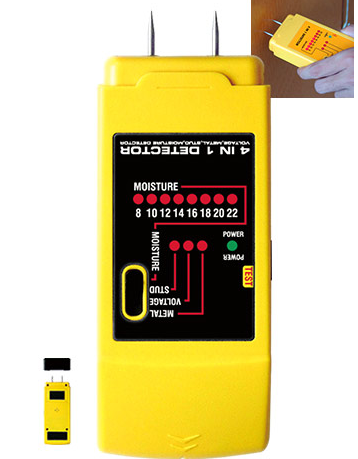
Stud Finders
Source high-accuracy stud finders from vetted suppliers and manufacturers across Asia. Designed for importers, hardware distributors, and tool brands seeking OEM or private-label production, our network delivers reliable magnetic and electronic wall scanners built for precision, compliance, and bulk scale.
Sourcing electronic and magnetic stud finders requires navigating a complex intersection of consumer electronics and rugged hand tools. Buyers must balance sensor sensitivity, software calibration, and durable housing design while managing strict unit costs. Whether you are expanding a hardware catalog with a reliable white-label scanner or developing a custom multi-sensor device, success depends on partnering with factories capable of tight quality control and consistent component sourcing.
Core Technologies & Sensor Specifications
The bulk of the modern stud finder market relies on electronic capacitive sensors that detect changes in the dielectric constant of the wall. When specifying a product with a manufacturer, the underlying PCBA (Printed Circuit Board Assembly) and sensor array dictate the tool's performance.
Key specifications to define with your supplier include:
- Detection Depth: Standard electronic models should accurately detect wood or metal studs through 19mm (3/4 inch) drywall. Deep-scan modes typically push this to 38mm (1.5 inches).
- Live AC Wire Warning: This is a critical safety feature. Ensure the factory uses dedicated unshielded sensors for AC detection, typically rated for 51mm (2 inches) depth at 90 to 250V at 50 to 60Hz.
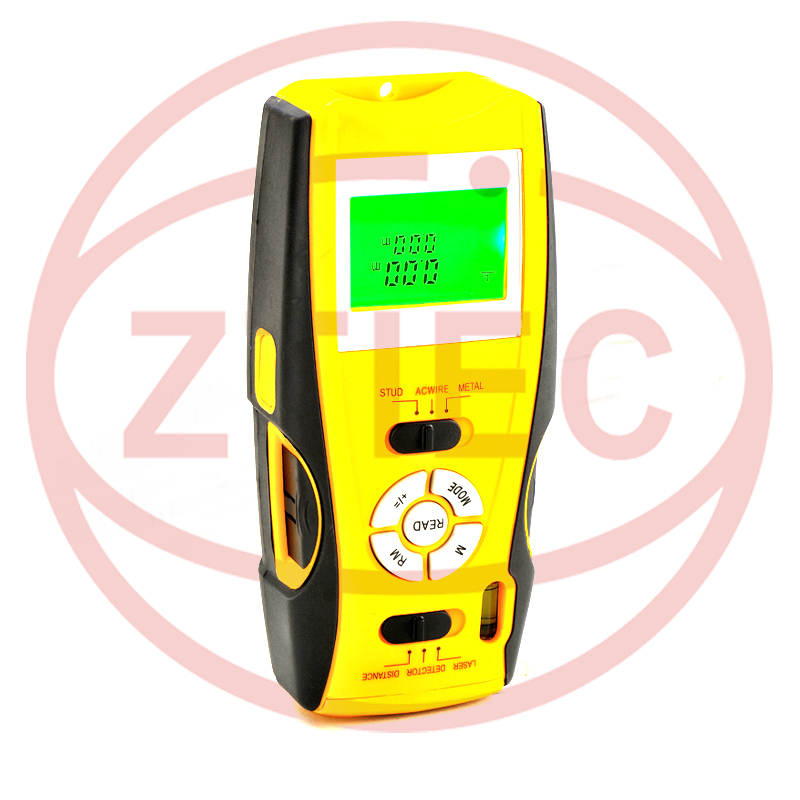
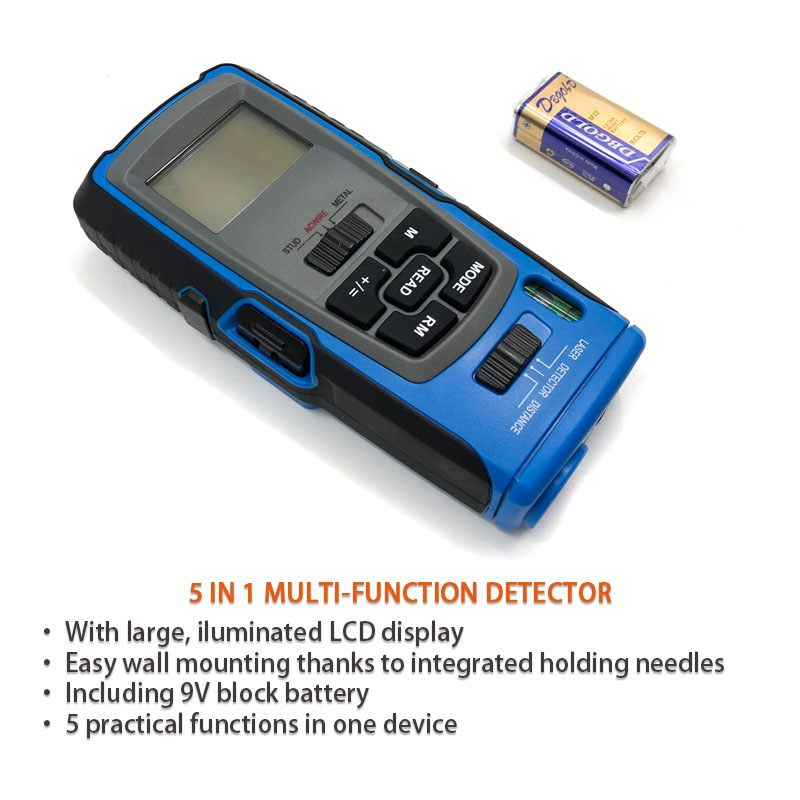
- Display and UI: Options range from simple LED directional indicators to segmented LCDs and full-color TFT screens. LCD ghosting in cold temperatures is a common defect in cheaper panels; specify operating temperature ranges for the display components.
- Calibration Protocol: Auto-calibrating models are heavily preferred in Western markets to reduce user error. The factory's firmware must handle rapid baseline setting without registering false positives.
Struggling with high defect rates or false positives from your current supplier? Let us evaluate your factory's sensor calibration processes.
Talk to our teamManufacturing Tolerances and Quality Control
Producing a reliable stud finder requires precision in both electronics assembly and plastic injection molding. The housing must protect sensitive internal components from job-site abuse while maintaining a tight enough seal to prevent dust ingress, which can interfere with capacitive sensors.
Most professional-grade models utilize an ABS plastic shell with a TPE (Thermoplastic Elastomer) overmold for grip and drop protection. Poor overmolding adhesion or flashing along the seam lines not only looks cheap but can compromise the internal shielding.
Because sensor performance is highly sensitive to assembly variations, rigorous Quality Control & Inspection is non-negotiable. Factories must utilize standardized drywall test rigs of varying thicknesses and materials (drywall, lath, plaster) to verify calibration on the assembly line.
Critical QC Checks for Electronic Stud Finders
- Auto-calibration speed and accuracy on standard drywall test rigs
- False-positive rates over varying paint and plaster thicknesses
- Live AC wire detection sensitivity and shielding effectiveness
- TPE overmold adhesion and drop-test survival from 1.5 meters
- Battery drain rates during standby and active scanning
- LCD/LED segment functionality and backlight consistency
Compliance and Market Regulations
Unlike basic hand tools, electronic stud finders are subject to electronic emission and safety regulations. Importers must ensure their suppliers can provide valid, verifiable test reports for the target market.
For the US market, FCC Part 15 compliance is mandatory to ensure the device does not emit harmful radio frequency interference. For the European market, CE-EMC (Electromagnetic Compatibility) and RoHS (Restriction of Hazardous Substances) certifications are required. Relying on a factory's generic claims of compliance is a major risk; utilizing professional Compliance & Testing services to verify documentation or run independent lab tests is highly recommended before finalizing any bulk order.
MOQs, Tooling, and Pricing Dynamics
Pricing in this category is driven primarily by the complexity of the sensor array (single vs. multi-pad), the display type, and the quality of the MCU (Microcontroller Unit) handling the signal processing.
For buyers utilizing OEM/ODM Services to launch private-label versions of existing factory designs, tooling costs are zero, and MOQs are manageable. However, if you are developing a custom housing or proprietary UI, expect to invest in custom injection molds.
Note: Basic magnetic stud finders utilizing rare-earth magnets have significantly lower MOQs and unit costs, often produced by completely different, non-electronic hardware factories.
Ready to scale your hand tool procurement? We can help you negotiate better terms and secure dedicated production lines.
Get a free consultationFrequently Asked Questions
Successfully sourcing stud finders means looking past the plastic housing to evaluate a supplier's electronic engineering capabilities and assembly line discipline. By focusing on sensor quality, rigorous testing protocols, and verified compliance, you can build a reliable product line that professionals and DIYers alike will trust.
Get Sourcing Help for Stud Finders
Tell us your requirements and our experts will connect you with verified manufacturers.