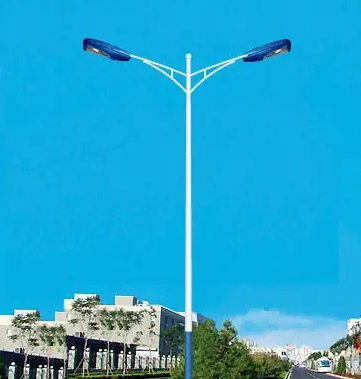
Street Lights
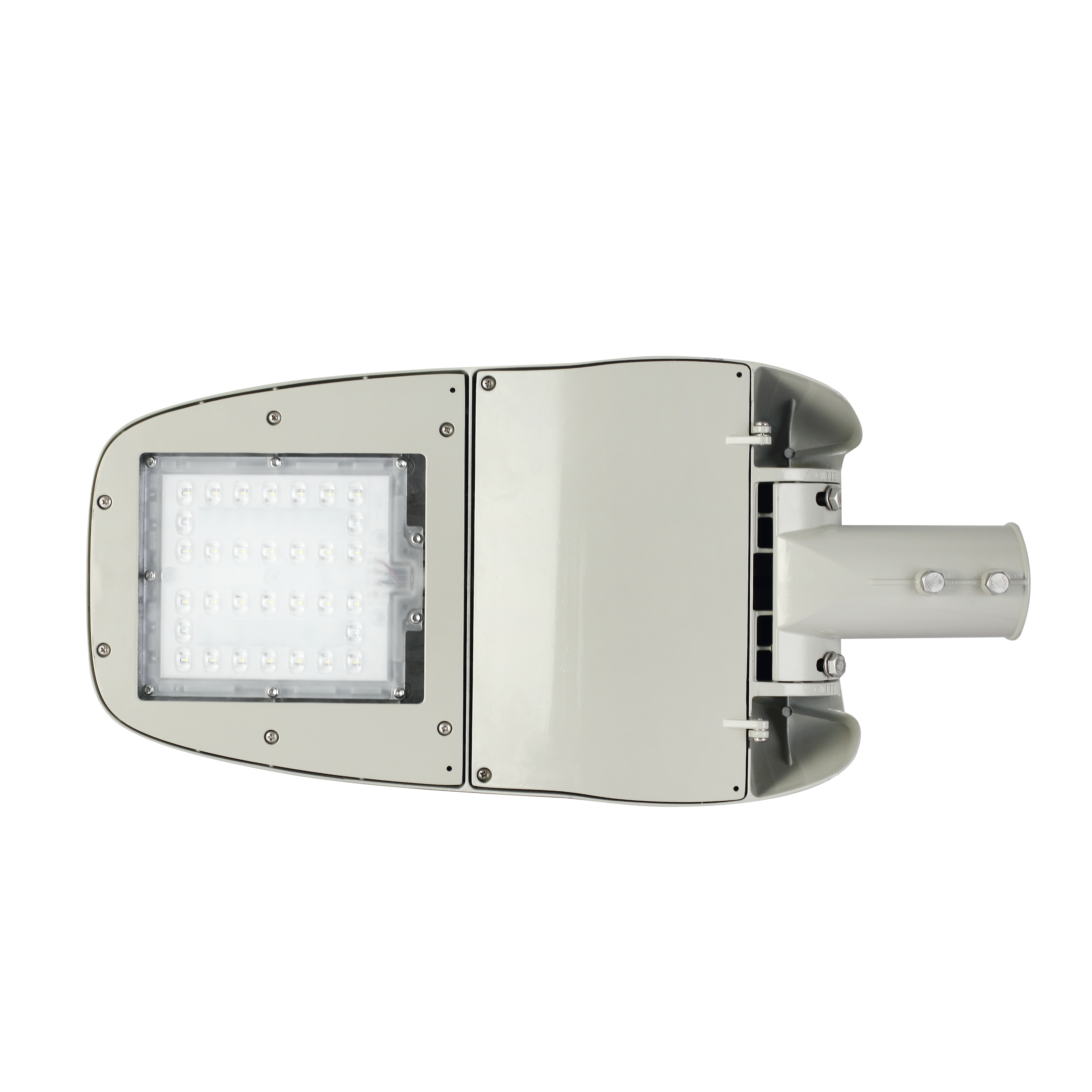
Source commercial-grade Street Lights from vetted suppliers and wholesale manufacturers. Designed for importers, distributors, and brands requiring reliable OEM and private-label production, our network delivers high-performance municipal and commercial lighting solutions engineered for longevity and compliance.
Procuring commercial and municipal street lighting in bulk requires a rigorous approach to component selection, thermal management, and environmental durability. The primary sourcing challenge is not locating a facility that can assemble a light fixture; it is identifying a manufacturer whose die-cast housings, LED drivers, and optical lenses will actually perform reliably over a 10-to-15-year lifespan in harsh outdoor environments.
Critical Specifications for Bulk Procurement
When negotiating with manufacturers, relying solely on wattage is a critical error. Professional procurement focuses on system efficacy, optical distribution, and component synergy.
Optical Distribution Types
Street lights must direct lumens precisely where needed to meet municipal codes and minimize light pollution. You must specify the correct NEMA distribution pattern for your target market.
| Distribution Pattern | Beam Characteristics | Primary Application |
|---|---|---|
| Type II | Narrow, asymmetric | Single-lane roadways, wide walkways |
| Type III | Medium, asymmetric | Multi-lane highways, large parking areas |
| Type IV | Wide, asymmetric, forward throw | Perimeter lighting, wall mounting |
| Type V | Circular, symmetrical | Intersections, large commercial plazas |
Need to verify a supplier's photometric data and component authenticity before placing a volume order?
Talk to our teamComponent Sourcing and Manufacturing Quality
The longevity of a street light is dictated by its weakest component. High-quality manufacturers do not just assemble; they engineer the thermal and electrical pathways.
- LED Chips & Packaging: Specify top-tier chip brands (e.g., Lumileds, Cree, Osram, or Bridgelux). Ensure the factory uses reliable surface-mount technology (SMT) and that the PCB board has high thermal conductivity (typically aluminum).
- LED Drivers: The driver is the most common point of failure. Reputable suppliers will utilize isolated drivers from established brands like Mean Well, Inventronics, or Sosen. Verify the driver's rated lifespan at specific operating temperatures (Tc point).
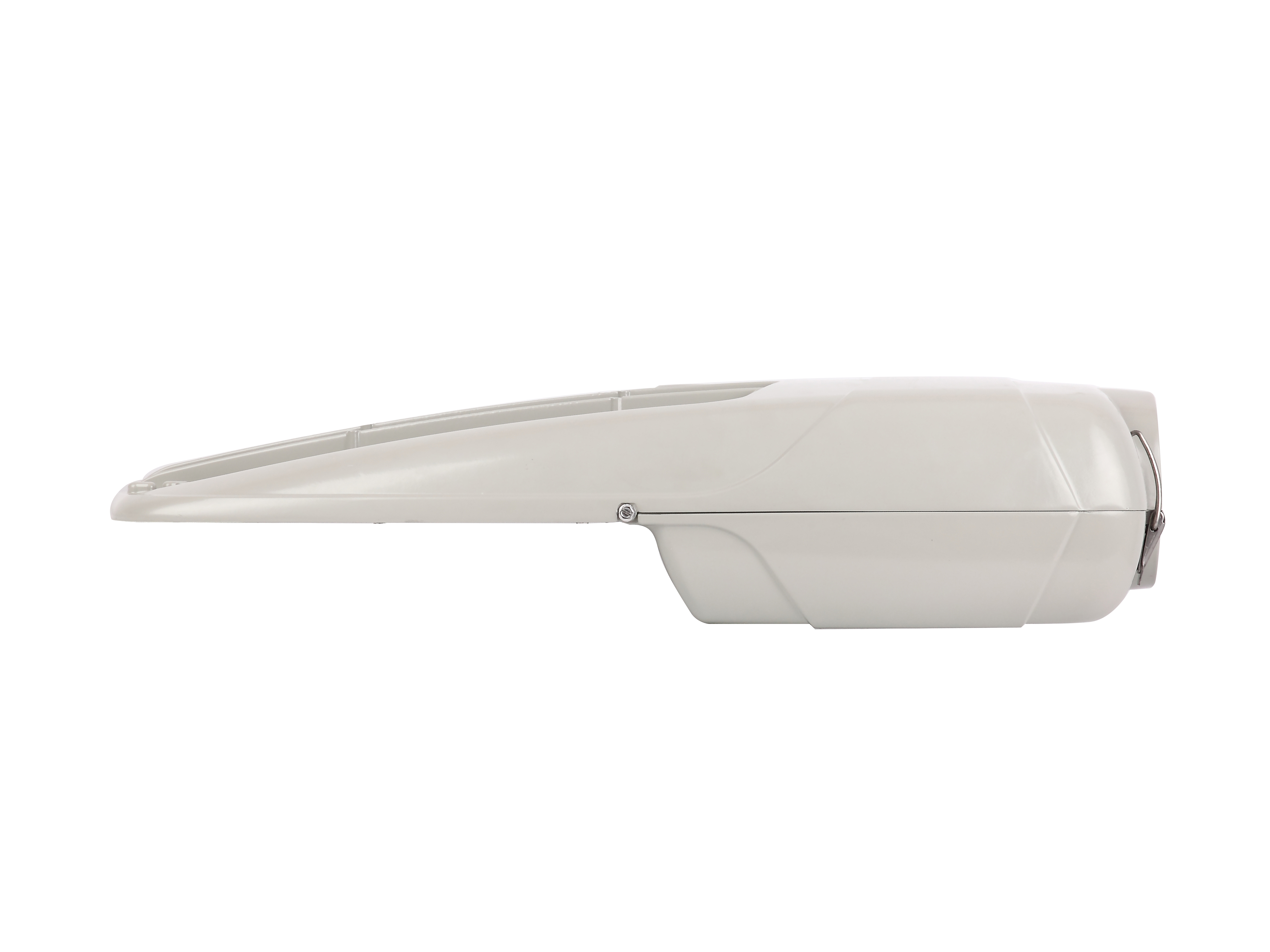
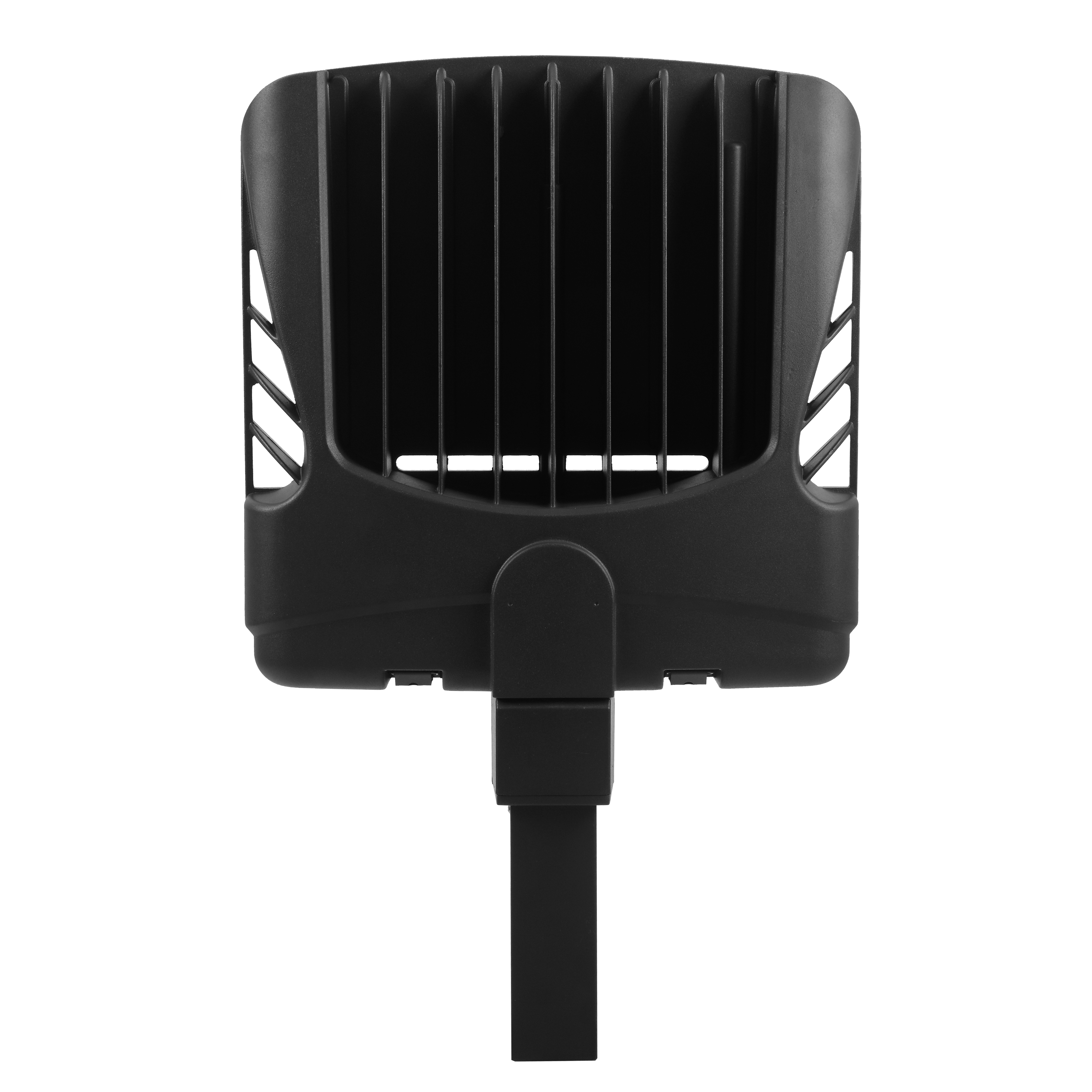
- Thermal Management: The die-cast aluminum housing acts as the heat sink. Thicker, heavier housings generally offer better thermal dissipation, but they increase freight costs. Ensure the supplier optimizes the fin design rather than just adding raw weight.
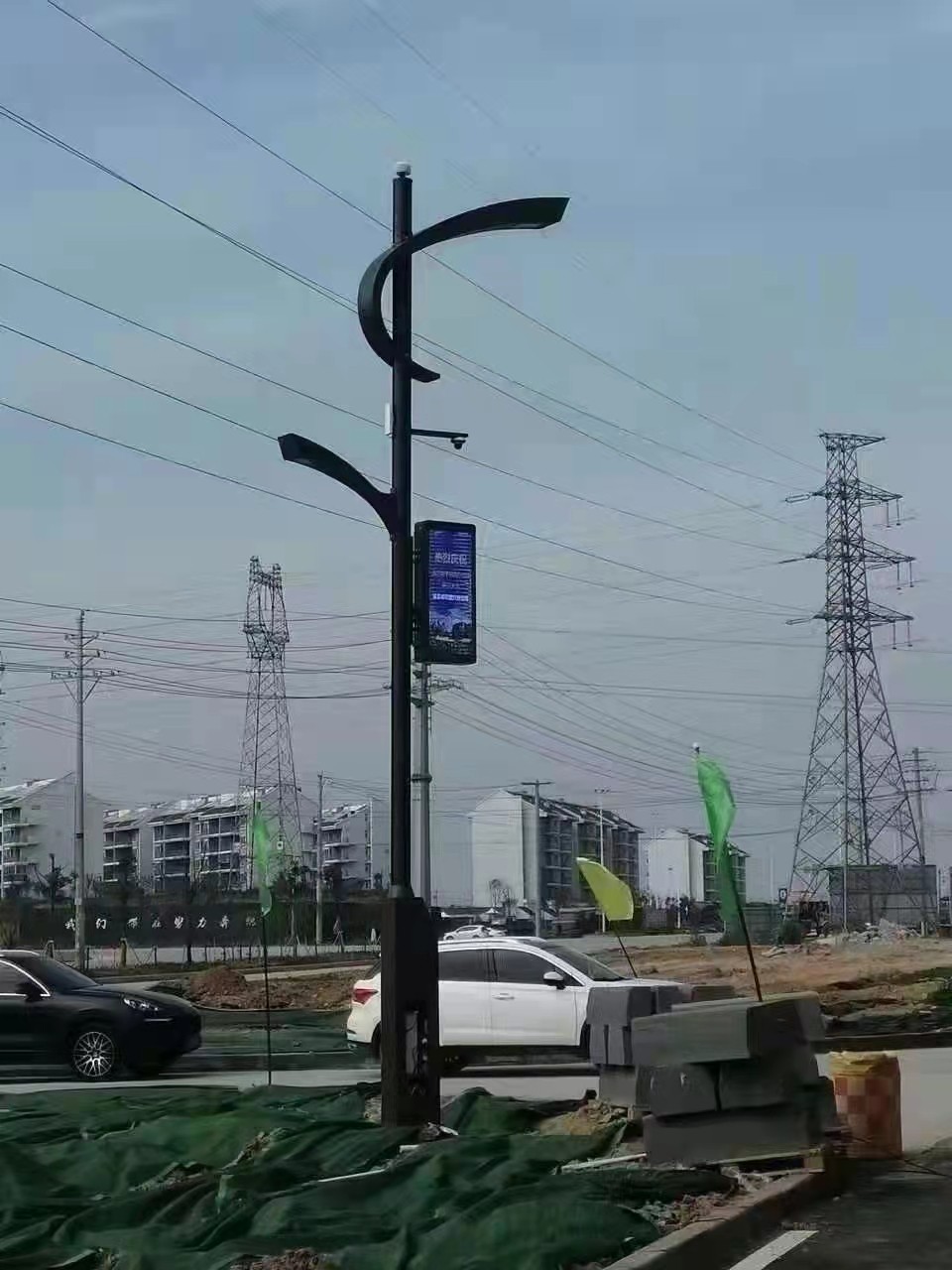
- Smart City Readiness: Modern infrastructure demands connectivity. Specify whether your fixtures require standard 3-pin, 5-pin, or 7-pin NEMA receptacles, or Zhaga book 18 sockets for photocells and smart control nodes. If you are developing proprietary smart housings, engaging specialized OEM/ODM Services is essential for custom tooling.
Validating Supplier Capabilities and Compliance
Many factories outsource their die-casting or powder coating, which can lead to inconsistencies in the final finish and weather resistance. Conducting thorough Factory Audits before finalizing a contract ensures the facility actually controls its critical manufacturing steps.
Key Factory Quality Control Checkpoints
- Integrating Sphere Testing: Verifying actual lumen output, CCT, and CRI against the spec sheet.
- Goniophotometer Testing: Generating accurate IES files for lighting design software.
- Salt Spray Testing: Ensuring the powder coating withstands coastal or high-corrosion environments (minimum 500 to 1000 hours).
- IP/IK Chamber Testing: Validating water, dust, and impact resistance on the production line.
To prevent sub-standard components from being substituted during production, implement rigorous Quality Control protocols, including pre-shipment inspections that involve partial teardowns to verify driver and chip brands. Furthermore, ensure the factory can provide authentic documentation for regional Compliance & Testing, such as CE, RoHS, ENEC for Europe, or UL/cUL and DLC Premium for North America.
Pricing, MOQs, and Lead Times
Pricing in the street lighting sector is highly variable and directly tied to component selection, raw material costs (aluminum), and certification requirements.
- Typical MOQs: Standard designs usually require an MOQ of 50 to 100 units. For custom die-cast housings or specific smart-control integrations, expect MOQs to start at 300 to 500 units to amortize tooling costs.
- Cost Drivers: Upgrading from a generic driver to an Inventronics programmable driver, or increasing the surge protection device (SPD) from 10kV to 20kV, will noticeably impact the unit price. Moving from standard 130 lm/W to high-efficacy 160+ lm/W chips also carries a premium.
- Lead Times: Standard production runs typically take 25 to 35 days. If custom tooling or specific certifications are required, initial lead times can extend to 45 to 60 days.
Struggling to balance component specifications with your target unit price? Let our sourcing engineers optimize your BOM.
Get a free consultationFrequently Asked Questions
Navigating the street lighting supply chain requires looking past glossy catalogs to interrogate the Bill of Materials (BOM) and the factory's internal testing capabilities. By specifying exact component brands and enforcing strict quality control parameters, you protect your margins and your reputation in the field.
Get Sourcing Help for Street Lights
Tell us your requirements and our experts will connect you with verified manufacturers.