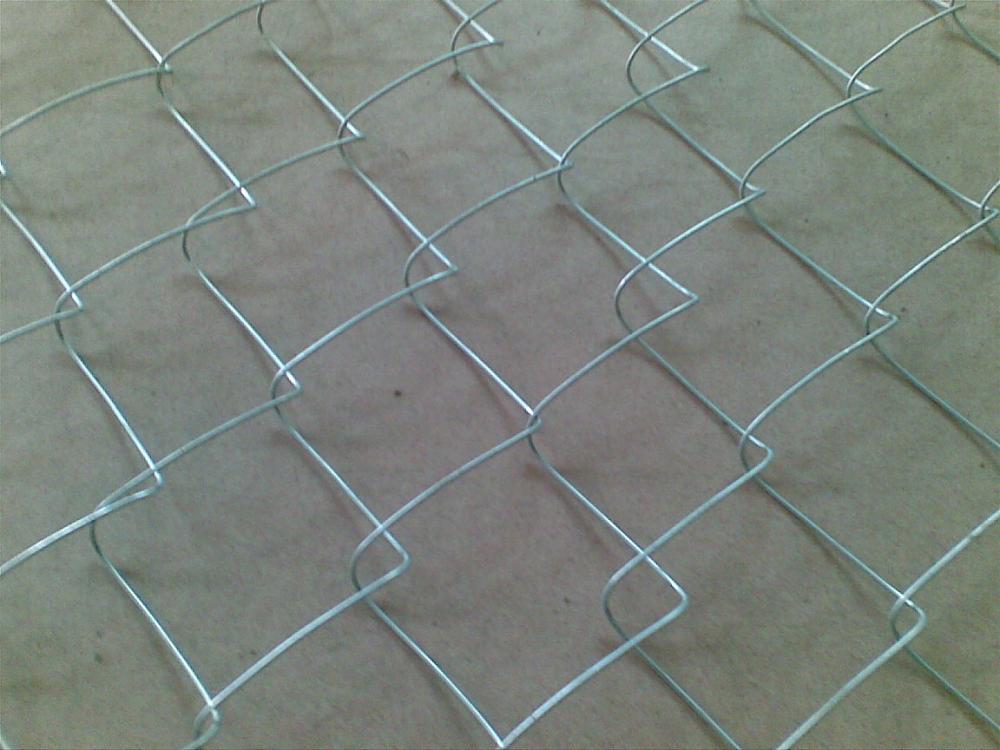
Steel Wire Mesh
Source commercial-grade steel wire mesh directly from vetted manufacturers and suppliers. This category is tailored for importers, industrial distributors, and procurement managers requiring high-volume, reliable production for construction, agricultural, and architectural applications.
Sourcing steel wire mesh in commercial volumes requires strict adherence to dimensional tolerances, metallurgical standards, and coating specifications. Whether you are importing heavy-duty welded panels for infrastructure or fine woven stainless mesh for industrial filtration, securing a reliable supply chain means navigating fluctuating raw material costs and highly variable factory capabilities.
The primary challenge for bulk buyers is consistency. A factory might produce excellent samples, but maintaining precise aperture sizes, consistent wire gauges, and uniform galvanization across a multi-container order demands rigorous oversight.
Defining Your Mesh Specifications
To get accurate quotes and avoid production errors, your specification sheet must leave no room for factory interpretation. Wire mesh is typically defined by material grade, wire diameter, and mesh count or aperture size.
When specifying stainless steel, distinguish clearly between 304 (standard industrial) and 316 (marine/corrosion-resistant) grades. For carbon steel, the finishing process is the critical variable.
| Coating Method | Galvanized Before Welding (GBW) | Galvanized After Welding (GAW) |
|---|---|---|
| Manufacturing Process | Pre-galvanized wire is welded together | Bare steel wire is welded, then hot-dipped |
| Corrosion Resistance | Moderate (weld intersections expose bare steel) | Maximum (entire mesh and joints are sealed) |
| Cost Profile | More economical, faster production | Premium pricing, longer processing time |
| Best For | Temporary fencing, indoor applications | Harsh environments, agricultural use, coastal areas |
Manufacturing Nuances and Factory Verification
The structural integrity of steel wire mesh depends heavily on the factory's welding or weaving machinery. In welded mesh, substandard equipment leads to "cold welds"—joints that look solid but snap under tension. In woven mesh, poor tension control during production results in irregular aperture sizes, rendering the mesh useless for precise filtration or screening.
Before committing to a high-volume order, it is critical to verify the manufacturer's equipment maintenance and raw material sourcing. Conducting thorough Factory Audits ensures your chosen supplier has the automated welding lines and quality management systems necessary to handle your capacity requirements without degrading quality.
Struggling with inconsistent mesh quality or unreliable suppliers? Let our experts audit factories and manage your production on the ground.
Talk to our sourcing teamQuality Control Defect Prevention
Catching defects before the mesh is loaded into a container is non-negotiable. Because steel wire mesh is heavy and bulky, returning defective goods is financially unviable. Implement a strict Quality Control & Inspection protocol focusing on the following areas:
Pre-Shipment Inspection Checklist for Wire Mesh
- Verify wire diameter using a micrometer (ensure tolerances are within acceptable industry standards, typically plus or minus 0.05mm).
- Measure aperture dimensions and mesh count over a set area to confirm consistency.
- Perform weld shear strength tests on welded mesh panels to detect cold welds.
- Check galvanization thickness using a coating thickness gauge (measured in grams per square meter).
- Inspect roll edges for protruding wires, sharp burrs, or uneven trimming.
- Confirm packaging integrity (waterproof paper, plastic film, and sturdy pallets) to prevent transit rust.
Pricing, MOQs, and Logistics
Steel wire mesh pricing is intrinsically tied to global steel commodity indices. Quotes are typically calculated by weight (per metric ton) or by roll/panel, depending on the product format. Because it is a low-margin, high-volume commodity, factories require significant minimum order quantities to justify machine setup and raw material procurement.
Shipping steel wire mesh is a weight-intensive process. A 20-foot container will almost always hit its maximum weight limit before it maxes out on volume (cubing out). Efficient Shipping & Freight planning is essential to optimize container loads and minimize your landed cost per square meter.
Need to optimize your landed costs? Our team can help you negotiate better factory pricing and consolidate your heavy freight shipments.
Get a logistics consultationFrequently Asked Questions
Successfully sourcing steel wire mesh requires balancing raw material economics with rigorous technical oversight. By clearly defining your tolerances and maintaining strict quality control at the factory level, you can secure reliable, commercial-grade materials that protect your margins and your reputation. If managing this process overseas is draining your resources, expert on-the-ground support can streamline your supply chain.
Get Sourcing Help for Steel Wire Mesh
Tell us your requirements and our experts will connect you with verified manufacturers.