Stacking Racks & Shelves
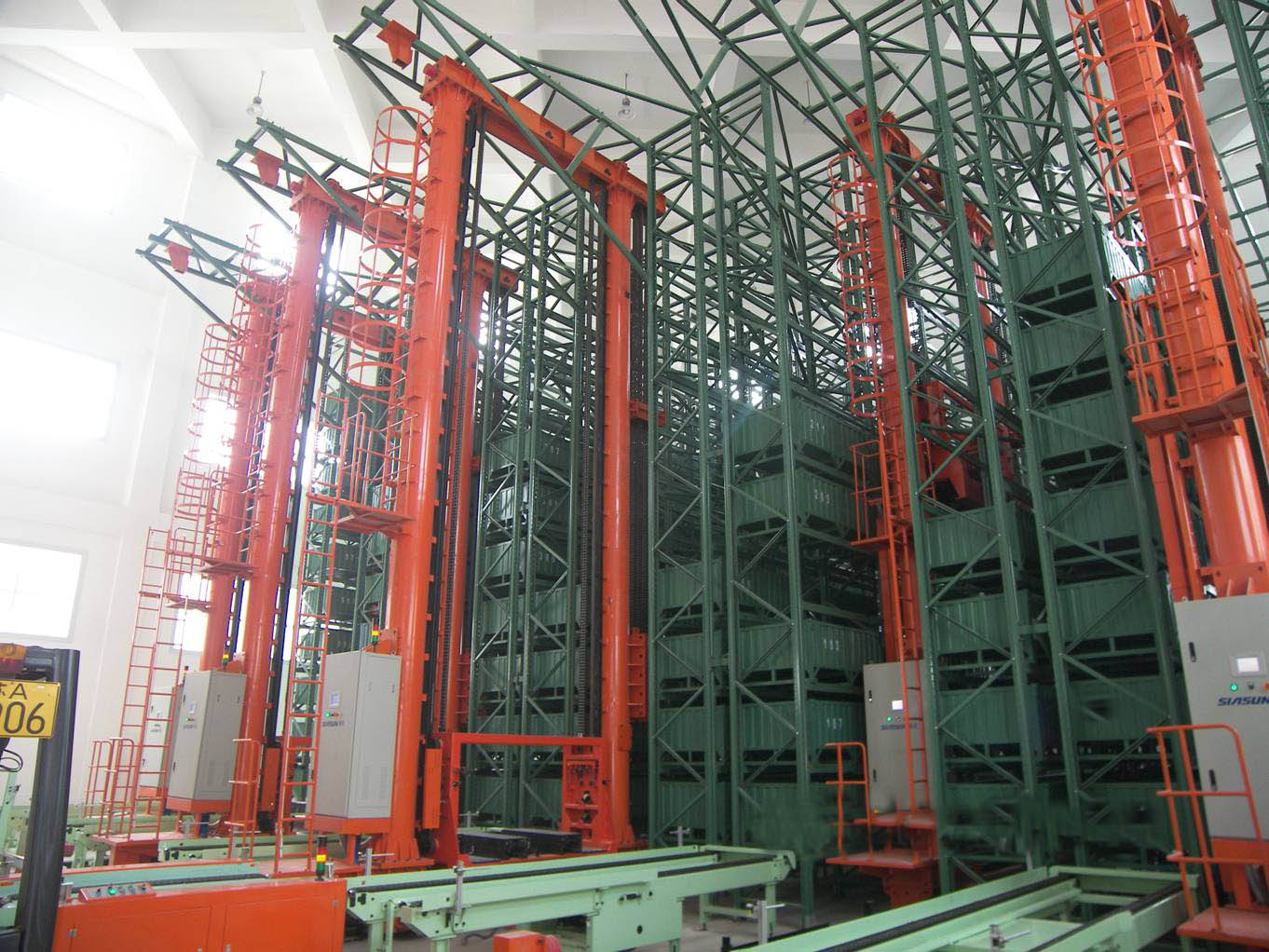
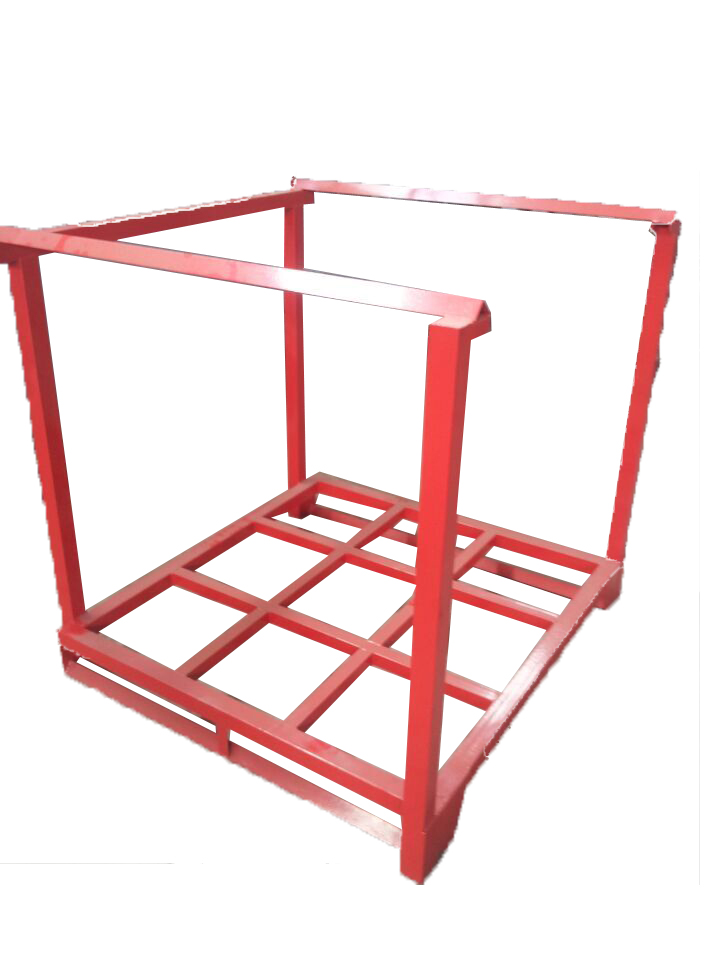
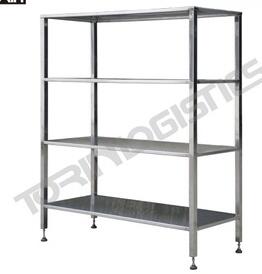
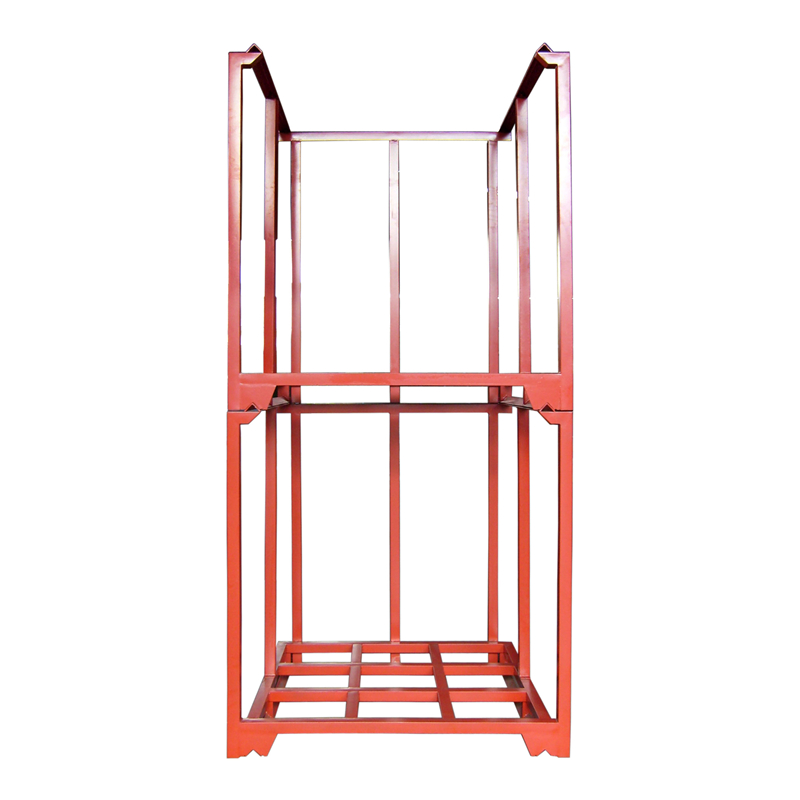
Source industrial-grade stacking racks and shelves directly from vetted manufacturers and wholesale suppliers. Designed for importers, distributors, and facility procurement managers managing bulk orders, our network delivers reliable load-bearing performance and OEM customization for high-density warehousing environments.
Sourcing industrial stacking racks in volume requires balancing load-bearing integrity with freight efficiency. Because these units are deployed in high-density warehousing environments, structural failure is not an option. Securing reliable production means looking past basic unit costs and scrutinizing a manufacturer’s steel sourcing, welding consistency, and dimensional tolerances.
Defining Structural Specifications
The foundation of any heavy-duty stacking rack is the raw material. Chinese manufacturers typically offer two primary steel grades for material handling equipment. Specifying the correct grade upfront prevents catastrophic failures under maximum stacking loads.
| Specification | Q235 Carbon Steel | Q345 High-Tensile Steel |
|---|---|---|
| Yield Strength | 235 MPa | 345 MPa |
| Typical Application | Standard warehousing, lightweight goods | Heavy-duty load bearing, tall stacking |
| Cost Implication | Baseline standard | Premium upcharge (approx. 10-15%) |
Beyond steel grade, surface treatment dictates the rack's operational lifespan. Powder coating is the industry standard for indoor warehousing, providing adequate scratch resistance. However, if your racks will be used in cold storage, outdoor yards, or highly corrosive environments, hot-dip galvanizing is mandatory to prevent rapid oxidation.
Manufacturing Variances and Quality Control
The weakest point of any stacking shelf is the weld. Inconsistent penetration, slag inclusion, or porosity in the welds drastically reduces the safe working load (SWL) and dynamic load capacities. When evaluating a new supplier, it is critical to verify their welding automation levels (such as robotic welding arms) versus manual welding stations.
Critical Pre-Shipment Inspection Points
- Weld integrity: Checking for continuous welds without porosity or cold laps.
- Dimensional tolerance: Variances over 2mm can prevent safe interlocking when stacking 4-5 units high.
- Surface finish adhesion: Cross-hatch testing on powder-coated surfaces to ensure no flaking.
- Post-cup alignment: Ensuring stacking pins and target cups align perfectly across random samples.
Struggling with inconsistent weld quality or dimensional variances? Let our sourcing engineers audit your supply chain and implement rigorous quality controls.
Get a free consultationImplementing strict quality control and inspection protocols at the factory level—before container loading—is the only way to ensure safety compliance. Furthermore, conducting comprehensive factory audits helps verify that the manufacturer has the necessary on-site testing equipment, such as hydraulic load testers, rather than relying on theoretical load calculations.
OEM Customization for Specific Handling Needs
While standard footprints are widely available, many buyers require custom dimensions, specific base designs (wire mesh, solid steel plate, or open frame), or specialized forklift guides to match existing warehouse infrastructure.
Developing these modifications requires precise tooling and prototyping. Partnering with a factory that offers robust OEM/ODM services ensures your exact clearance, dynamic load, and stacking-height requirements are engineered correctly from the start.
Order Economics: MOQs, Pricing, and Freight
Stacking racks are high-volume, heavy products heavily tied to global steel indices. Prices fluctuate based on raw material costs, currency exchange rates, and the required surface finish.
Shipping empty space destroys margins. Knock-down (collapsible) or nesting designs are essential for minimizing landed costs. Ensuring your supplier optimizes the nesting ratio for maximum container utilization is a critical step. Coordinating this efficiently often requires experienced shipping and freight management to balance container weight limits with volume.
Optimize your landed costs. We negotiate directly with manufacturers to balance structural integrity, pricing, and freight efficiency for your bulk orders.
Talk to our teamFrequently Asked Questions
Procuring stacking racks in bulk is fundamentally an engineering and logistics challenge. Success relies on identifying manufacturers who do not cut corners on steel gauge or weld penetration, while simultaneously engineering the product to ship efficiently. Securing a reliable supply chain for these critical assets ensures your warehouse operations remain safe and cost-effective.
Get Sourcing Help for Stacking Racks & Shelves
Tell us your requirements and our experts will connect you with verified manufacturers.